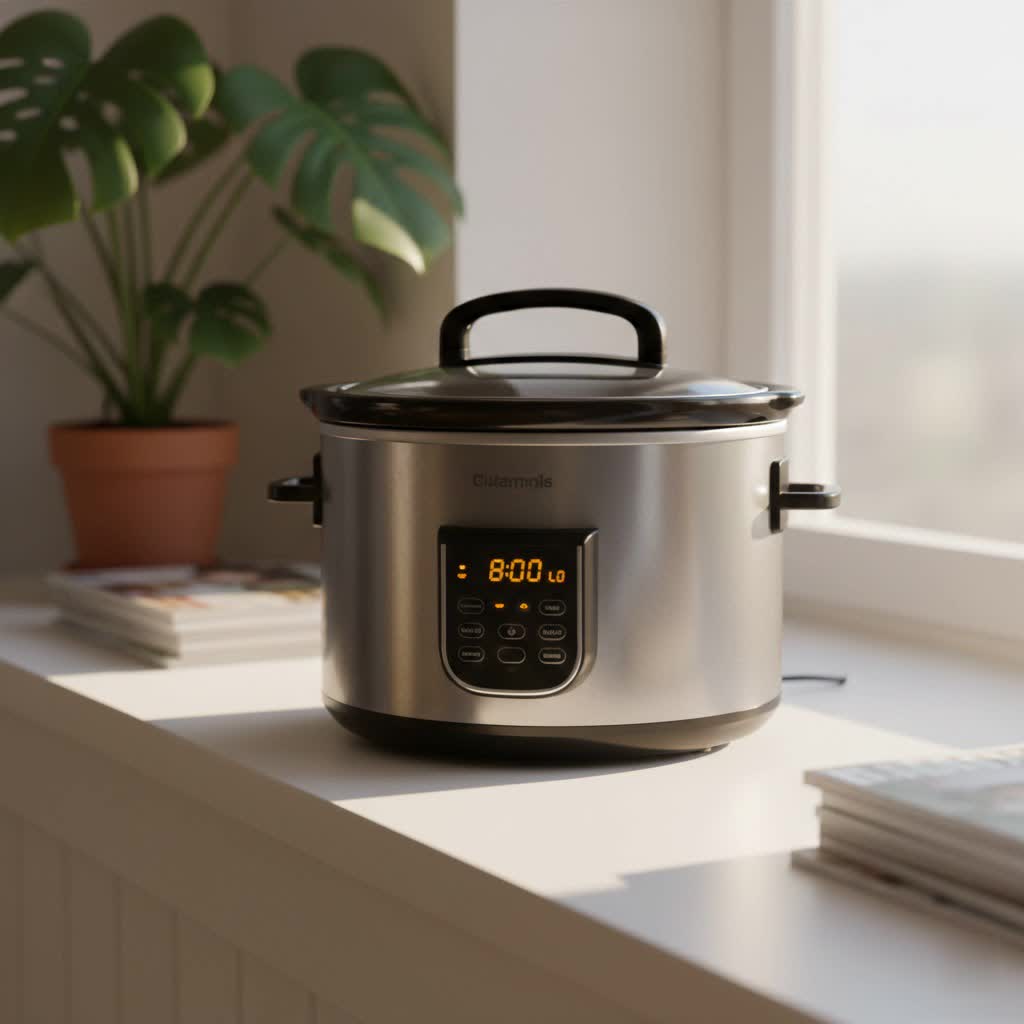
Are you dreaming of effortless meals that cook themselves while you go about your day? The slow cooker, a true kitchen hero, promises just that. This versatile appliance has revolutionized home cooking, turning tough cuts of meat into tender delights and transforming simple ingredients into rich, flavorful dishes with minimal effort. Whether you’re a busy parent, a culinary enthusiast, or simply seeking more convenience in your kitchen, an Easy Slow Cooker can be your best friend, simplifying meal prep and bringing comforting aromas to your home.
What is a Slow Cooker and How Does It Work?
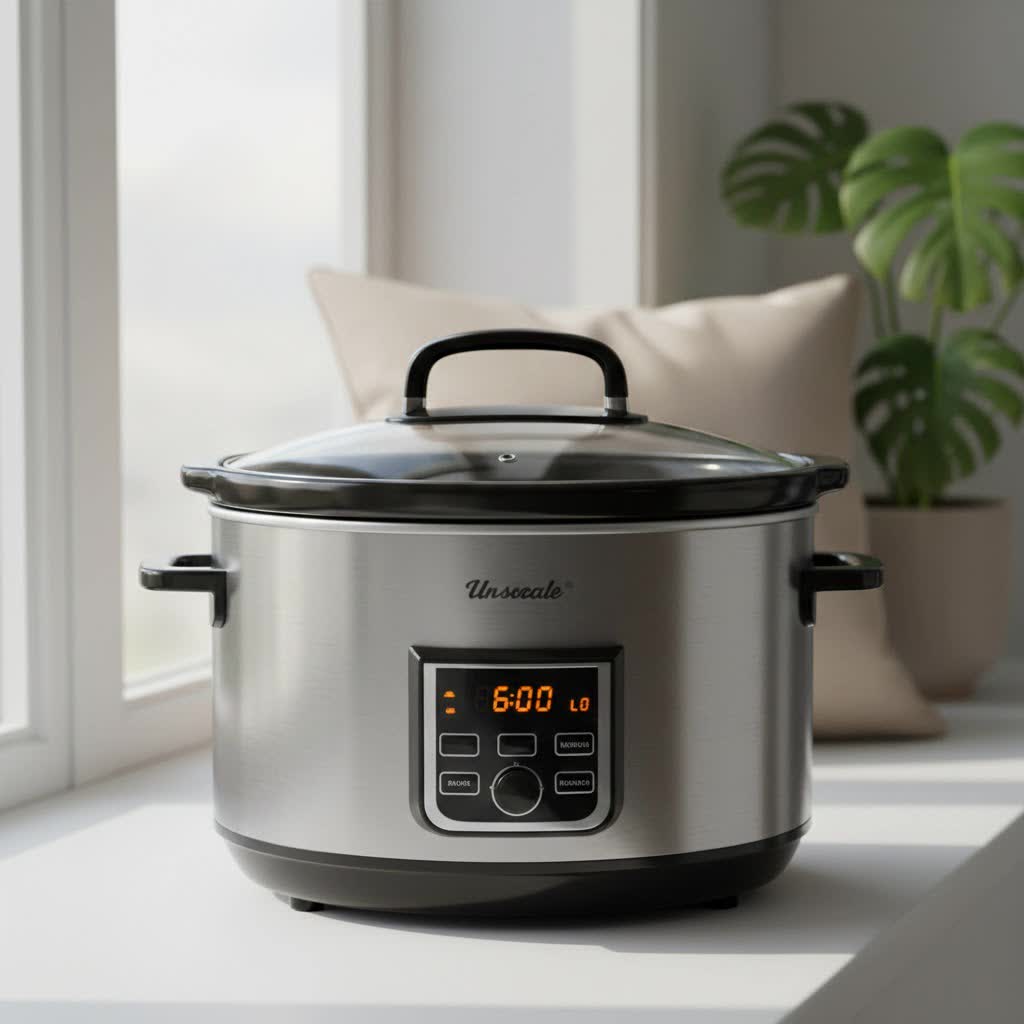
A slow cooker, often generically referred to as a Crock-Pot (a popular brand name), is an electrical countertop appliance designed for simmering food at low temperatures over extended periods. This method of cooking, often called “low and slow,” allows for unattended meal preparation, making it ideal for busy schedules.
The principle behind a slow cooker is elegantly simple. It consists of a heated outer casing, a removable inner cooking pot (often called a crock), and a tight-fitting lid. The heating element, typically located at the bottom or sometimes around the sides of the base, generates a consistent, gentle heat. This heat is transferred to the inner pot, which then slowly cooks the food. The lid plays a crucial role by trapping moisture and heat, creating a sealed environment that prevents evaporation and ensures even cooking. Temperatures typically range between 174°F (79°C) and 199°F (93°C).
The history of the slow cooker traces back to the 1930s with inventor Irving Naxon, who was inspired by his mother’s stories of cooking a traditional Jewish stew called cholent in Lithuania. This stew was cooked slowly overnight in the residual heat of a bakery oven to adhere to Sabbath restrictions on cooking. Naxon developed the Naxon Beanery All-Purpose Cooker, which later gained widespread popularity when the Rival Company acquired the patent in 1970 and rebranded it as the Crock-Pot.
The main components include:
- Outer Casing: The exterior housing that contains the heating element and controls.
- Heating Element: The electric component that generates the low, consistent heat.
- Inner Cooking Pot (Crock): This removable insert holds the food. It’s typically made from ceramic, stoneware, or metal.
- Lid: Usually made of tempered glass, it seals the pot to retain heat and moisture.
- Control Knob/Panel: Allows you to select temperature settings (low, high, warm) and, on digital models, programming options.
Advantages and Disadvantages of Slow Cookers
While an easy slow cooker offers incredible convenience, it’s helpful to understand both its strengths and limitations.
Advantages
- Time and Effort Saving: One of the most significant benefits is the “set it and forget it” nature. You can load ingredients in the morning and return to a fully cooked meal, eliminating last-minute dinner stress.
- Enhanced Flavor and Nutrition: The long, low-temperature cooking process allows flavors to meld beautifully and tenderizes even the toughest cuts of meat. It also helps retain moisture and nutrients that might be lost with faster, high-heat cooking methods.
- Versatility in Meals: From hearty stews and soups to tender roasts, pulled pork, chilis, and even desserts like cobblers and puddings, the range of dishes you can prepare is extensive.
- Energy Efficiency: Slow cookers generally use less electricity than a conventional oven over several hours, making them a more energy-efficient choice for long cooking times.
- Safety and Convenience: Designed for unattended operation, modern slow cookers have safety features, and many automatically switch to a “warm” setting once cooking is complete. They also keep your kitchen cooler than an oven, especially appealing during warmer months.
|
Our Picks for the Best Slow Cooker in 2026
We may earn a commission when you use one of our links to make a purchase.
|
||
| Num | Product | Action |
|---|---|---|
| 1 | Ninja MC1001 Foodi PossibleCooker PRO 8.5 Quart Multi-Cooker, with 8-in-1 Slow Cooker, Dutch Oven, Steamer, Glass Lid Integrated Spoon, Nonstick, Oven Safe Pot to 500°F, Sea Salt Gray |

|
| 2 | 3.2L Natural Unglazed Earthenware Casserole,Yixing Zisha Clay Pot for Cooking, Healthy Slow Cooker for Soup, Stew, Rice -Zini,Purple |
|
| 3 | 3.2L Natural Unglazed Earthenware Casserole,Yixing Zisha Clay Pot for Cooking, Healthy Slow Cooker for Soup, Stew, Rice -Zhuni,Red |
|
| 4 | Crock-Pot 7 Quart Oval Manual Slow Cooker, Stainless Steel (SCV700-S-BR), Versatile Cookware for Large Families or Entertaining |
|
| 5 | Ninja MC1101 Foodi Everyday Possible Cooker Pro, 8-in-1 Versatility, One-Pot Faster Cooking Replaces 10 Tools, Family-Sized Capacity with Adjustable Temp Control, 6.5 quarts, Midnight Blue |
|
| 6 | Crock-Pot Large 8-Quart Programmable Slow Cooker with Auto Warm Setting Black Stainless Steel |
|
| 7 | Crock-Pot 6 Quart Programmable Slow Cooker with Timer and Auto Food Warmer Setting, Stainless Steel |
|
| 8 | 8-Quart Digital Programmable Slow Cooker with Timer - Small Kitchen Appliance for Family Dinners - Serves 10+ People - Heat Settings: Keep Warm, Low and High |
|
| 9 | Crock-Pot 6 Quart Cook & Carry Programmable Slow Cooker with Digital Timer Stainless Steel (CPSCVC60LL-S) pack of 1 |
|
| 10 | Ninja® 12-in-1 PossibleCooker™ PLUS - 8.5-qt - Sous Vide & Proof Multi-Cooker - Slow Cooker, Dutch Oven & More - Glass Lid & Integrated Spoon - Nonstick - Oven Safe Pot to 500°F - Black - MC1010 |
|
Disadvantages
- Long Cooking Time: The very essence of a slow cooker is its extended cooking time, which can be a drawback if you need a meal quickly. Planning ahead is essential.
- Limited Temperature Control: Most basic models offer only “low,” “high,” and “warm” settings, which might not provide the precise temperature control desired for all recipes.
- Potential for Over-Softening: Foods, particularly vegetables, can sometimes become too soft or mushy if cooked for too long or if added too early in the cooking process. Delicate ingredients need careful timing.
- Size and Counter Space: Slow cookers can be bulky, taking up significant counter or storage space, especially larger capacity models.
- Lack of Browning: Traditional slow cookers do not brown food, which means you might need to pre-sear meats on the stovetop for added flavor and color, or finish dishes under a broiler. Multi-cookers with a sauté function can mitigate this.
Popular Types of Slow Cookers
Slow cookers come in various designs, materials, and with different features, catering to diverse cooking needs and preferences.
Classification by Shape
- Round Slow Cookers: Typically smaller in capacity, round slow cookers are excellent for soups, stews, dips, and smaller roasts or chicken pieces.
- Oval Slow Cookers: The most common shape, oval slow cookers are ideal for larger cuts of meat, such as whole chickens, pot roasts, or ribs, as they better accommodate their elongated shapes.
- Rectangular Slow Cookers: Less common, these are sometimes found in casserole-style slow cookers or multi-cookers, offering a different footprint for specific dishes.
Classification by Material
The material of the inner cooking pot significantly impacts performance and durability.
- Ceramic/Stoneware: These are the most traditional and common inserts. They excel at retaining heat and providing even cooking. However, they are heavy, can be prone to chipping or breaking if dropped, and generally cannot be used on a stovetop for browning. Concerns about lead in older or unverified ceramic inserts have led many consumers to seek certified lead-free options.
- Metal (Aluminum, Stainless Steel) Inserts:
- Aluminum: Lightweight and heats quickly, but can be prone to hot spots. Often features a non-stick coating.
- Stainless Steel: Known for durability and a longer lifespan. Some stainless steel inserts are stovetop-safe, allowing you to sear ingredients directly in the pot before slow cooking, which adds significant flavor. Surgical-grade stainless steel is often cited as the safest material.
- Non-stick Coatings: While convenient for cleanup, these can wear down over time. If a non-stick surface is scratched or chipped, it’s recommended to replace the insert due to potential chemical migration.
Classification by Feature
- Manual Slow Cookers: These are the simplest models, typically offering only “Low,” “High,” and “Warm” settings. They are budget-friendly and straightforward to operate, ideal for those who prefer basic functionality.
- Digital/Programmable Slow Cookers: These models offer more advanced features, including programmable timers, delayed start options, and automatic switching to a “warm” setting after cooking. Some even include temperature probes for precise internal food temperature monitoring.
- Multi-Cookers: These versatile appliances combine slow cooking with other functions like pressure cooking, sautéing, steaming, and even rice cooking. They are excellent for those who want an all-in-one appliance, though they might have a steeper learning curve than a dedicated slow cooker.
Comparing Popular Slow Cooker Types
Choosing the best slow cooker means weighing materials, features, and how they align with your cooking style. Here’s a brief comparison to help you decide:
| Feature/Type | Ceramic/Stoneware Insert | Metal (e.g., Stainless Steel) Insert | Multi-Cooker (Slow Cook Function) |
|---|---|---|---|
| Heat Retention | Excellent; provides very even, consistent cooking. | Good; heats up faster, but may have more hot spots. | Varies by model; often good, especially with pressure lid. |
| Durability | Prone to chipping/cracking if dropped or exposed to thermal shock. | Highly durable, less prone to damage. | Generally durable, but multiple components can increase points of failure. |
| Weight | Heavier. | Lighter. | Varies, often heavier due to multiple components. |
| Stovetop Searing | Generally not suitable for stovetop use. | Often stovetop-safe for pre-searing ingredients. | Many models include a “sauté” or “sear” function. |
| Cleanup | Can be heavy; dishwasher-safe (insert only) but burnt food can be stubborn. | Often non-stick (can scratch) or dishwasher-safe stainless steel. | Dishwasher-safe (insert only) and generally easy, especially non-stick. |
| Features | Basic manual controls to advanced digital programming. | Manual to advanced digital programming. | Wide range of cooking modes, often fully programmable. |
| Price | Generally mid-range. | Can be mid-to-high range, especially high-quality stainless steel. | Often higher due to increased functionality. |
| Best For | Traditional slow cooking, stews, and soups. | Versatile cooking, searing before slow cooking. | Home cooks seeking an all-in-one appliance for various cooking methods. |
Buying Guide: Choosing the Right Easy Slow Cooker
Selecting the perfect easy slow cooker involves considering your household’s needs, cooking habits, and desired features.
Determine Your Usage Needs
Before diving into models, ask yourself:
- Family Size: How many people will you typically be cooking for? This dictates the required capacity.
- Common Dishes: Will you mainly make soups, stews, or larger cuts of meat? This influences shape and capacity.
- Budget: Slow cookers range from under $50 for basic models to over $200 for multi-functional appliances.
- Lifestyle: Do you need a “set and forget” basic model, or do you appreciate advanced programming for ultimate flexibility?
Choose the Appropriate Capacity
Capacity is measured in quarts or liters:
- Small (1.5 – 3 Quarts/Liters): Ideal for single servings, couples, dips, or side dishes. Examples include the IMUSA 1.5 Quart Slow Cooker.
- Medium (3 – 5 Quarts/Liters): Suitable for small families (3-4 people) or individuals who like leftovers.
- Large (5 – 8 Quarts/Liters): Perfect for families of 4+, entertaining, batch cooking, or preparing large cuts of meat like roasts or whole chickens. The Crock-Pot 8-Quart Programmable Slow Cooker is a popular large option.
- Extra Large (Over 8 Quarts/Liters): Best for very large families, big gatherings, or substantial meal prepping.
Select the Right Pot Material
As discussed, the inner pot material is crucial:
- Ceramic/Stoneware: Excellent for even heat distribution and retention, making food incredibly tender. However, they are heavier and more fragile. Ensure they are certified lead-free.
- Stainless Steel: Durable, lighter, and often stovetop-safe for browning. It’s considered a safe and long-lasting option. The Instant Pot Duo and 360 Cookware offer stainless steel inserts.
- Non-Stick Coated Metal: Offers easy cleanup but requires careful handling to prevent scratches, which can compromise the coating.
Essential Features to Consider
Modern slow cookers offer a range of features that enhance convenience:
- Cooking Modes: Most have “Low” and “High.” “Warm” is essential for keeping food at serving temperature without overcooking.
- Programmable Timer: Allows you to set a specific cooking duration, after which the cooker often switches to “Warm” automatically. This is a game-changer for busy individuals.
- Delayed Start: Some advanced models allow you to delay the start of cooking, so your meal is ready exactly when you need it.
- Temperature Probe: Found in high-end models, this allows you to monitor the internal temperature of meats for precise cooking. The Hamilton Beach Portable 6 Quart Set & Forget has this feature.
- Lid Lock: Useful for transporting your slow cooker to potlucks or parties.
- Dishwasher-Safe Parts: Makes cleanup significantly easier. Look for removable ceramic or metal inserts and glass lids that are dishwasher-safe.
Reputable Brands
Several brands consistently receive high ratings for their slow cookers:
- Crock-Pot: The original and a household name, offering a wide range of models from basic to programmable.
- Hamilton Beach: Known for reliable and affordable slow cookers, often with innovative features like temperature probes.
- Cuisinart: Offers versatile multi-cookers that combine slow cooking with other functions like browning and steaming.
- Instant Pot: While famous for pressure cooking, their multi-cookers also have effective slow cooker functions and searing capabilities.
- GreenPan: Offers models with ceramic non-stick coatings free from harmful chemicals like PFAS.
- Ninja: Produces multi-cookers with robust slow cooking capabilities and other functions.
Top 3 Easy Slow Cookers for Effortless Meals
Choosing the right slow cooker can significantly impact your cooking experience. Based on versatility, ease of use, and overall performance, here are some top picks that simplify mealtime.
-
Hamilton Beach Portable 6 Quart Set & Forget Digital Programmable Slow Cooker: This model is a favorite for its user-friendly interface and practical features. It includes a temperature probe for precise cooking, allowing you to program it to a specific temperature or time. The locking lid makes it ideal for transporting meals. It’s a reliable choice that offers excellent value and durability.
-
GreenPan Elite 6-Quart Slow Cooker: Praised for its steady, low-temperature cooking and easy cleanup, the GreenPan Elite features a ceramic nonstick-coated anodized aluminum pot. What sets it apart is its ability to sauté and sear directly in the pot, adding depth of flavor without extra pans. It’s a great option for those who prioritize healthy, non-toxic cooking surfaces and desire multi-functional capabilities.
-
Crock-Pot 8-Quart Programmable Slow Cooker: For larger families or those who love to entertain, this 8-quart model provides ample capacity. It offers programmable settings, ensuring your meal is ready when you are. As a classic brand, Crock-Pot delivers consistent performance, making it a dependable choice for big-batch cooking and traditional slow-cooked dishes.
How to Use and Maintain Your Easy Slow Cooker
To get the most out of your slow cooker and ensure its longevity, proper usage and cleaning are key.
Safe and Effective Usage
- Prepare Ingredients: Chop vegetables and trim meat according to your recipe. While some slow cookers can sear, for deeper flavor and color, consider browning meats in a separate pan before adding them to the slow cooker.
- Add Ingredients and Liquid: Place tougher, slower-cooking vegetables (like carrots, potatoes) at the bottom, then add meat, and finally more delicate vegetables or herbs on top. Always add enough liquid (broth, water, sauce) to prevent food from drying out, usually covering about two-thirds of the ingredients.
- Secure the Lid: Ensure the lid is seated firmly on the crock to trap heat and moisture effectively. Avoid lifting the lid frequently, as this releases heat and extends cooking time.
- Select Setting: Choose “Low” for longer cooking times (6-8 hours or more) and “High” for shorter times (3-4 hours). The “Warm” setting is for holding food at serving temperature after cooking.
- Monitor (Optional but Recommended): For precise results, especially with new recipes or cuts of meat, use a meat thermometer to check internal temperatures.
Cleaning and Maintenance
Regular cleaning not only keeps your slow cooker hygienic but also prevents stubborn stains and odors.
- Unplug and Cool: Always unplug your slow cooker and allow the inner pot to cool completely before cleaning.
- Wash the Inner Pot and Lid: The removable ceramic or metal inner pot and glass lid are typically dishwasher-safe. For handwashing, use hot, soapy water and a non-abrasive sponge.
- Clean the Base Unit: Never immerse the electrical base in water. Wipe the exterior and heating element area with a damp cloth and mild detergent, then dry thoroughly.
- Tackling Stubborn Stains:
- For burnt-on food in the crock: Fill the pot with water, add a few drops of dish soap, and set the slow cooker to “Low” for 1-4 hours. The heat will loosen the food, making it easy to scrub away once cooled.
- Alternatively, fill the crock with water, add 1/2 cup of distilled white vinegar, and 1/2 cup of baking soda (for a 6-quart cooker). Let it sit or cook on “Low” for an hour, then cool and wash.
- For white residue (mineral deposits): Pour a small amount of vinegar diluted with an equal amount of water into the pot. Wipe the inside surfaces with a soft pad, then rinse and dry.
- Storage: Ensure all parts are completely dry before storing to prevent mildew or odors.
Common Issues and Troubleshooting
- Food is too dry: Ensure enough liquid is added to the recipe. Using fattier cuts of meat or bone-in cuts can also help.
- Food is overcooked/mushy: You might be cooking on “High” for too long, or your slow cooker runs hot. Try a shorter cooking time or use the “Low” setting. Adding delicate vegetables closer to the end of cooking can prevent them from becoming too soft.
- Food is undercooked: Ensure the lid is always on properly and not lifted too often. Verify your slow cooker is heating correctly by testing with water if you suspect an issue.
“The magic of a slow cooker lies in its ability to transform simple ingredients into extraordinary meals with minimal hands-on time, making gourmet flavors accessible to every home cook.” – Admin, Reviewerty.com, Slow Cooker Expert
Conclusion
The easy slow cooker stands as a testament to modern kitchen convenience, bringing hearty, flavorful meals to your table with unparalleled simplicity. By understanding its fundamental principles, appreciating its numerous benefits, and navigating the various types and features available, you can confidently choose a slow cooker that aligns perfectly with your lifestyle and culinary aspirations. From weeknight dinners to special occasion dishes, this workhorse appliance empowers you to prepare nutritious and delicious food with ease. Embrace the art of “set it and forget it” cooking and discover how much simpler and more enjoyable mealtime can truly be.
What will you create first with your newfound slow cooker confidence?
Frequently Asked Questions
Can you put frozen meat directly into a slow cooker?
It is generally recommended to thaw frozen meat before placing it in a slow cooker. Putting frozen meat directly into a slow cooker can keep it in the “danger zone” (between 40°F and 140°F) for too long, which increases the risk of bacterial growth.
Do slow cookers use a lot of electricity?
Slow cookers are surprisingly energy-efficient, especially when compared to a conventional oven for long cooking periods. A typical slow cooker uses about as much electricity as a light bulb (75-200 watts), making it a cost-effective appliance for cooking.
How full should a slow cooker be for optimal cooking?
For best results, your slow cooker should be at least half full but no more than two-thirds to three-quarters full. Overfilling can lead to uneven cooking and longer cooking times, while underfilling might cause food to overcook or dry out.
Can you lift the lid during slow cooking?
While it’s tempting to peek, avoid lifting the lid during slow cooking as much as possible. Each time the lid is removed, a significant amount of heat escapes, and it can add 20-30 minutes to your total cooking time. Trust the process and your recipe!
Is there a difference between a slow cooker and a Crock-Pot?
“Crock-Pot” is a specific brand name, but it has become synonymous with “slow cooker” much like “Kleenex” is to “tissue.” While all Crock-Pots are slow cookers, not all slow cookers are Crock-Pots. The terms are often used interchangeably to refer to the same type of appliance.