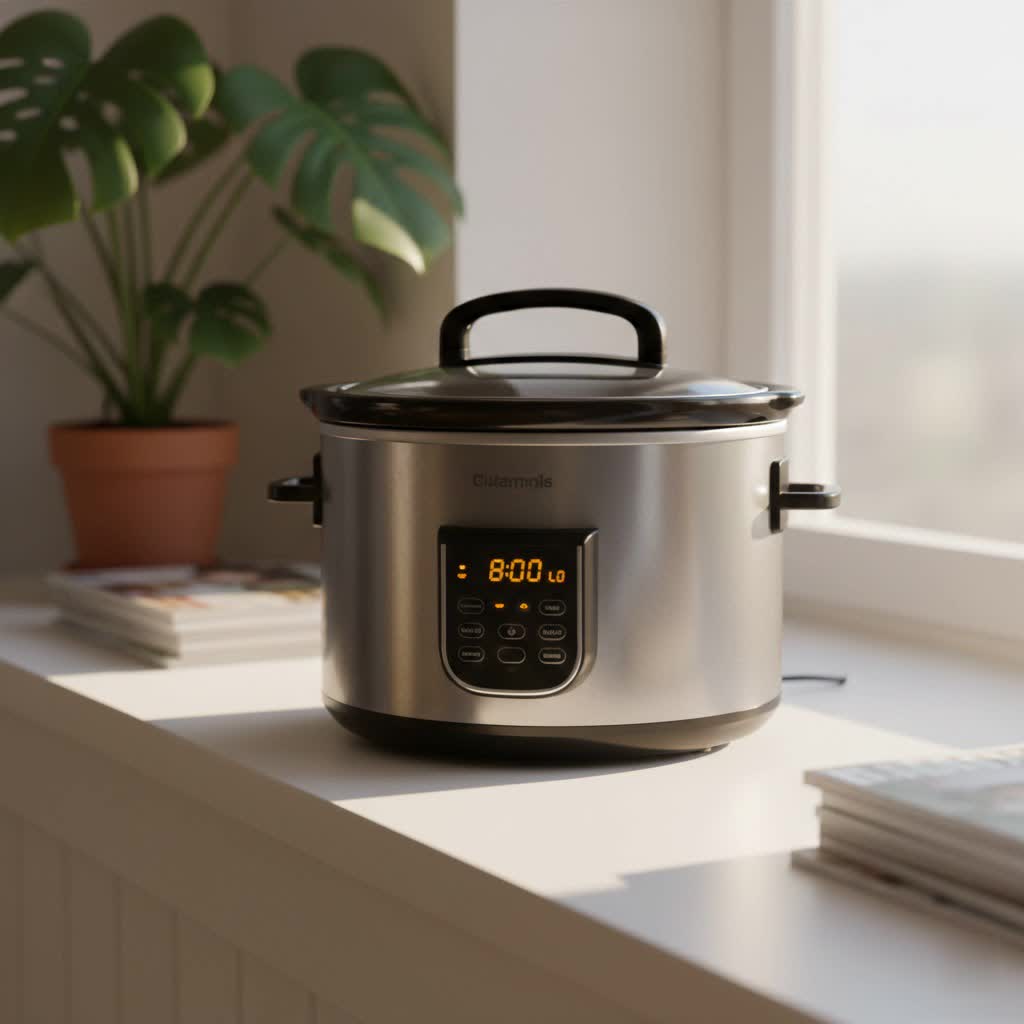
Are you tired of dinner dilemmas, juggling work, family, and the clock? Imagine coming home to the comforting aroma of a perfectly cooked meal, ready to serve with minimal effort. Slow cookers have revolutionized home cooking, offering a simple yet powerful solution for busy individuals and families alike. From savory stews to tender roasts, these countertop heroes transform ingredients into delicious dishes while you go about your day. Let’s delve into the world of slow cookers and discover how to choose, use, and cherish this indispensable kitchen appliance.
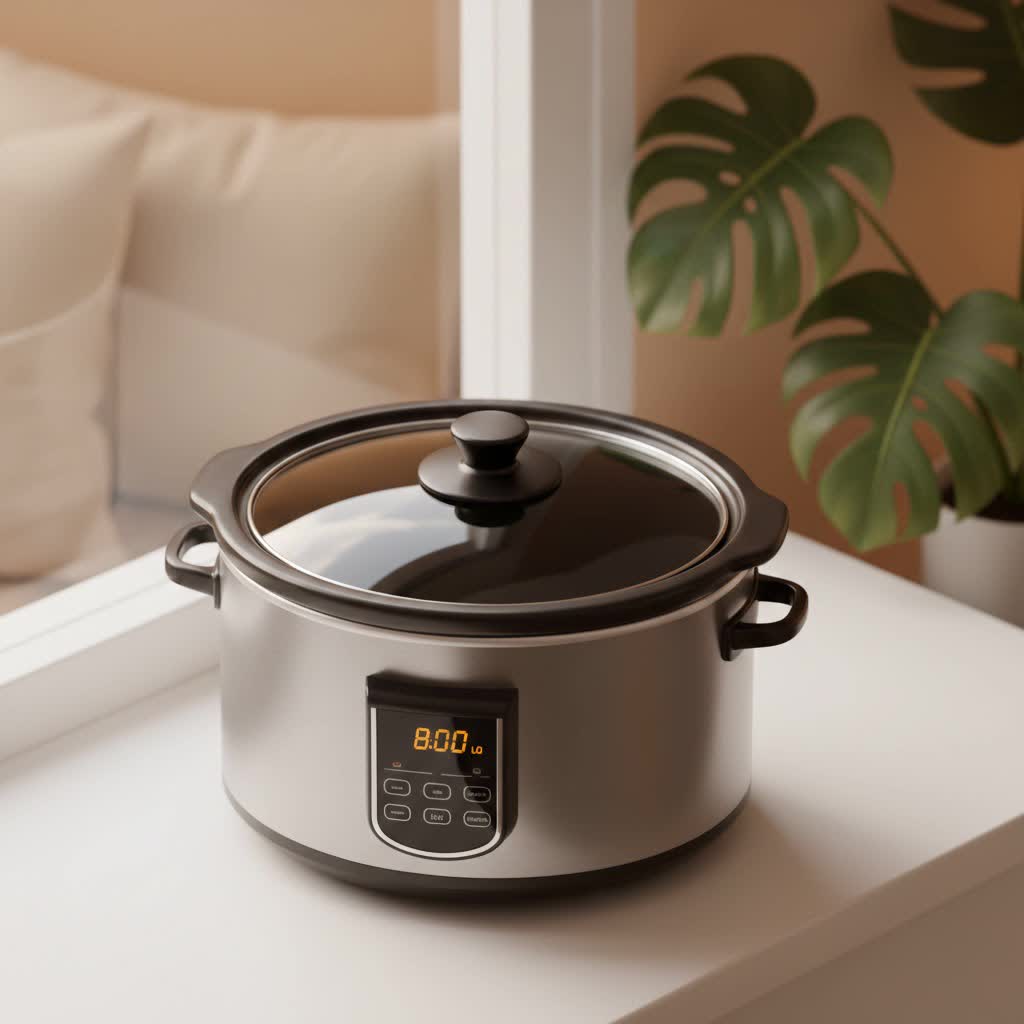
What is a Slow Cooker and How Does It Work?
A slow cooker, often synonymous with the brand “Crock-Pot,” is an electrical appliance designed for unattended cooking at low, consistent temperatures over several hours. This method, known as “slow cooking,” gently simmers food, making it incredibly tender and infusing it with deep flavors.
The magic lies in its simple yet effective design. A typical slow cooker comprises three main components:
- The Base: This outer housing contains the electric heating element, which surrounds the cooking pot and provides consistent, low heat.
- The Cooking Pot (Crock): Made from glazed ceramic or porcelain, this removable insert sits within the base. It acts as both the cooking container and a thermal reservoir, evenly distributing heat to your food.
- The Lid: Usually made of glass, the lid creates a tight seal, trapping moisture and heat inside. This condensation continually bastes the food, preventing it from drying out and ensuring that flavors are retained.
Historically, slow cookers gained popularity in the United States during the 1940s, evolving from devices like the Naxon Beanery All-Purpose Cooker. The term “Crock-Pot” became widely known after Rival Company acquired Naxon in 1970 and rebranded the appliance in 1971, marketing it as a convenient way for working families to prepare meals. The principle is straightforward: low, moist heat breaks down tough fibers in food, resulting in succulent dishes with minimal oversight.
Advantages and Disadvantages of a Slow Cooker
Every kitchen appliance comes with its own set of strengths and weaknesses. Understanding these can help you decide if a slow cooker is the right fit for your cooking style and needs.
Advantages
- Time and Effort Saving: The primary benefit is the ability to “set it and forget it.” You can load ingredients in the morning and return to a hot, ready-to-eat meal, making it ideal for busy weekdays.
- Flavor and Nutrition Retention: The long, low-temperature cooking process, coupled with the sealed environment, locks in moisture, tenderizes tough cuts of meat, and allows flavors to meld beautifully. This method often helps retain nutrients that might be lost in faster cooking methods.
- Versatility: Slow cookers can prepare a vast array of dishes, including soups, stews, chilis, roasts, pulled pork, desserts, and even some baked goods. They are excellent for cooking large batches, perfect for meal prepping or feeding a crowd.
- Safety and Ease of Use: With simple controls and steady operation, slow cookers are generally very safe and easy for anyone to use. They operate at atmospheric pressure, unlike pressure cookers, posing no risk of abrupt pressure release.
- Energy Efficiency: While they cook for a long time, slow cookers typically use less electricity than an oven, making them a more energy-efficient option for certain dishes.
|
Our Picks for the Best Slow Cooker in 2026
We may earn a commission when you use one of our links to make a purchase.
|
||
| Num | Product | Action |
|---|---|---|
| 1 | Ninja® 12-in-1 PossibleCooker™ PLUS - 8.5-qt - Sous Vide & Proof Multi-Cooker - Slow Cooker, Dutch Oven & More - Glass Lid & Integrated Spoon - Nonstick - Oven Safe Pot to 500°F - Black - MC1010 |

|
| 2 | Ninja MC1101 Foodi Everyday Possible Cooker Pro, 8-in-1 Versatility, One-Pot Faster Cooking Replaces 10 Tools, Family-Sized Capacity with Adjustable Temp Control, 6.5 quarts, Midnight Blue |
|
| 3 | 3.2L Natural Unglazed Earthenware Casserole,Yixing Zisha Clay Pot for Cooking, Healthy Slow Cooker for Soup, Stew, Rice -Zini,Purple |
|
| 4 | 8-Quart Digital Programmable Slow Cooker with Timer - Small Kitchen Appliance for Family Dinners - Serves 10+ People - Heat Settings: Keep Warm, Low and High |
|
| 5 | Crock-Pot 6 Quart Cook & Carry Programmable Slow Cooker with Digital Timer Stainless Steel (CPSCVC60LL-S) pack of 1 |
|
| 6 | Ninja MC1001 Foodi PossibleCooker PRO 8.5 Quart Multi-Cooker, with 8-in-1 Slow Cooker, Dutch Oven, Steamer, Glass Lid Integrated Spoon, Nonstick, Oven Safe Pot to 500°F, Sea Salt Gray |
|
| 7 | 3.2L Natural Unglazed Earthenware Casserole,Yixing Zisha Clay Pot for Cooking, Healthy Slow Cooker for Soup, Stew, Rice -Zhuni,Red |
|
| 8 | Crock-Pot Large 8-Quart Programmable Slow Cooker with Auto Warm Setting Black Stainless Steel |
|
| 9 | Crock-Pot 7 Quart Oval Manual Slow Cooker, Stainless Steel (SCV700-S-BR), Versatile Cookware for Large Families or Entertaining |
|
| 10 | Crock-Pot 6 Quart Programmable Slow Cooker with Timer and Auto Food Warmer Setting, Stainless Steel |
|
Disadvantages
- Extended Cooking Time: As the name suggests, slow cookers take a long time. This requires advance planning and isn’t suitable for last-minute meals.
- Limited Temperature Control: Most basic models offer only “Low,” “High,” and “Warm” settings, which can make precise temperature adjustments difficult.
- Potential for Overcooking/Mushy Texture: Delicate vegetables can become overly soft or mushy if cooked too long, and lean meats can sometimes dry out or become stringy.
- Lack of Browning/Searing: Traditional slow cookers don’t reach high enough temperatures for searing or browning meat, which often means an extra step in a separate pan if you want to develop deeper flavors.
- Space Consumption: Slow cookers, especially larger models, can take up significant counter and storage space.
Popular Types of Slow Cookers
Slow cookers come in various configurations, each offering distinct advantages depending on your culinary preferences and kitchen setup.
Classification by Shape
The shape of your slow cooker can influence the types of dishes you prepare most effectively.
- Round: Ideal for smaller meals, dips, soups, and casseroles. These often take up less counter space.
- Oval: This is a highly versatile and popular shape, perfect for larger cuts of meat like roasts, whole chickens, ribs, or briskets, as they can lie flat.
- Rectangular: Best suited for very large quantities, casseroles, or lasagna, providing maximum surface area for big family meals.
Classification by Material
The material of the cooking insert and exterior can impact performance and durability.
- Ceramic/Porcelain Pots: These are the most common interior materials due to their excellent heat retention and even heat distribution. They are often heavy but provide consistent cooking.
- Metal Pots (e.g., Aluminum, Stainless Steel): Lighter than ceramic, some metal inserts are stovetop-safe, allowing you to sear ingredients directly in the pot before slow cooking, which reduces washing up and enhances flavor. However, they may take longer to heat and distribute heat less evenly than ceramic.
- Glass Lids: Most slow cooker lids are made of glass, allowing you to monitor your food without lifting the lid and losing heat, which is crucial for effective slow cooking.
Classification by Features
Modern slow cookers go beyond basic functionality, offering features that enhance convenience and versatility.
- Manual Slow Cookers: These are the simplest models, typically featuring “Off,” “Low,” “High,” and sometimes “Warm” settings controlled by a dial. They require you to manually turn them off or switch to warm.
- Electronic/Programmable Slow Cookers: These advanced models come with digital controls, allowing you to set precise cooking times. Once the cooking time is complete, they often automatically switch to a “Keep Warm” setting, providing peace of mind for longer days away from home. Some also offer delay start functions.
- Multi-Cookers: Many modern appliances combine slow cooking with other functions like pressure cooking, searing/sautéing, steaming, or even sous vide. These can be incredibly versatile, though often come with a higher price tag.
- Specific Features: Look for features like temperature probes (to monitor meat doneness), lid locks (for portability), and dishwasher-safe parts for easy cleaning.
Comparing Different Slow Cooker Types
To help you navigate the options, here’s a detailed comparison of common slow cooker characteristics:
| Feature | Manual Slow Cookers | Programmable Slow Cookers | Multi-Cookers (with Slow Cook Function) |
|---|---|---|---|
| Control | Dial (Off/Low/High/Warm) | Digital display, precise time settings | Digital display, multiple presets and functions |
| Timer | No built-in timer; manual monitoring | Yes, programmable cook times | Yes, programmable cook times and delay start |
| Keep Warm | Manual switch to Warm setting (if available) | Automatic after cooking | Automatic after cooking |
| Versatility | Basic slow cooking | Enhanced slow cooking, timed meals | Slow cook, pressure cook, sear, sauté, steam, etc. |
| Price | Generally most affordable | Mid-range | Higher end |
| Ease of Use | Very simple, straightforward | User-friendly, more automation | Can be more complex due to multiple functions |
| Ideal For | Budget-conscious, simple recipes | Busy individuals, overnight cooking | Advanced cooks, small kitchens (replaces multiple appliances) |
Essential Tips for Choosing Your Slow Cooker
Selecting the right slow cooker can feel overwhelming with so many options available. Here’s a buying guide to help you make an informed decision:
Determine Your Usage Needs
Before you start shopping, consider how you envision using your slow cooker.
- Household Size: How many people will you typically be cooking for? This directly impacts the ideal capacity.
- Common Dishes: Do you primarily make soups and stews, or do you plan to cook larger roasts and whole chickens? This will guide your choice of shape.
- Budget: Slow cookers range widely in price. Determine a comfortable budget, keeping in mind that more features often mean a higher cost.
Choose the Right Capacity
Capacity is one of the most crucial decisions.
- Small (1.5-3 quarts): Perfect for single servings, couples, dips, or side dishes.
- Medium (4-5 quarts): Suitable for small families (3-4 people) or small roasts.
- Standard (5-6.5 quarts): This is the most popular size, accommodating most slow cooker recipes and feeding 4-6 people comfortably, with potential for leftovers.
- Large (7-8.5+ quarts): Ideal for larger families, entertaining, or extensive batch cooking.
Select the Pot Material
Most slow cookers feature ceramic or porcelain inserts, prized for even heating. However, some newer models offer metal inserts that allow for direct searing on the stovetop before slow cooking, which can significantly enhance flavor and reduce cleanup. Consider if this “sear-in-pot” feature is important to you.
Must-Have Features
Look for features that align with your lifestyle:
- Programmable Timer: A digital timer that automatically switches to “Keep Warm” after cooking is a game-changer for busy schedules.
- Multiple Heat Settings: Ensure it has at least “Low” and “High” settings, and ideally a “Warm” function.
- Lid Lock: Essential if you plan to transport your slow cooker for potlucks or parties.
- Dishwasher-Safe Parts: Removable pot and lid that are dishwasher-safe will simplify cleanup.
Reputable Brands
Many brands offer reliable slow cookers. Some highly-rated and popular options include:
- Crock-Pot: The original and still a leading brand, known for its wide range of models.
- Hamilton Beach: Often praised for durability and innovative features, including models with temperature probes.
- Cuisinart: Known for quality and multi-cooker options.
- Instant Pot/Ninja: While primarily pressure cookers, many multi-cooker models from these brands include excellent slow cook functions.
- GreenLife: Offers budget-friendly options with ceramic non-toxic coatings.
Top Slow Cookers for Effortless Cooking
Based on extensive experience and expert reviews, here are some of the best slow cookers currently available, catering to various needs:
- Best Overall: Hamilton Beach Portable 6 Quart Set & Forget Digital Programmable Slow Cooker. This model consistently earns high marks for its reliable performance, programmable settings, and a temperature probe that prevents overcooking. Its locking lid is a fantastic feature for portability.
- Best Budget Option: GreenLife Cook Duo 6-Quart Nonstick Slow Cooker. An excellent choice for value, offering great performance with a non-toxic ceramic insert and a delay timer.
- Best Small Capacity: Elite Gourmet Electric Oval 2-Quart Slow Cooker or IMUSA 1.5 Quart Slow Cooker. Perfect for small households, dips, or sauces. The IMUSA model, with its handled ceramic pot, is particularly noted for dips.
- Best Large Capacity: Crock-Pot 8-Quart Programmable Slow Cooker. If you frequently cook for large groups or want ample leftovers, this spacious and programmable model from the iconic brand is a top contender.
- Most Versatile (Multi-Cooker): Cuisinart 3-In-1 Cook Central 6-Quart Multi-Cooker or Ninja Foodi PossibleCooker. These multi-functional units offer slow cooking alongside searing, sautéing, and other cooking methods, providing ultimate flexibility in one appliance.
How to Use and Care for Your Slow Cooker
Getting the most out of your slow cooker involves understanding a few key operational and maintenance tips.
Safe and Effective Usage
- Preparation is Key: Always place raw ingredients, including liquids like broth or water, into the slow cooker pot. Some recipes benefit from pre-heated liquids.
- Fill Appropriately: For best results, fill your slow cooker at least halfway, but no more than two-thirds full. This ensures even cooking and prevents overfilling.
- Resist the Urge to Peek: Avoid lifting the lid frequently during cooking. Each time you lift the lid, heat escapes, adding about 20-30 minutes to the overall cooking time.
- Layer Ingredients Strategically: Place root vegetables (like potatoes and carrots) at the bottom, as they cook slower. Meat can go on top of the vegetables, followed by softer vegetables and liquids.
- Utilize Settings: Use the “Low” setting for longer, gentler cooking, typically 6-8 hours. The “High” setting cooks faster, usually 3-4 hours, and is ideal when you’re short on time. The “Warm” setting keeps food at a safe serving temperature without further cooking.
Proper Cleaning and Maintenance
Regular cleaning ensures hygiene and extends the life of your appliance.
- Always Cool Down First: Before cleaning, always turn off and unplug your slow cooker, allowing it to cool completely. Never immerse the heating base in water.
- Hand Washing: For removable stoneware pots and glass lids, hot, soapy water and a soft sponge are usually sufficient. Avoid abrasive cleaners or scouring pads, which can damage the surface.
- Dishwasher Safe: Many removable ceramic pots and glass lids are dishwasher safe, offering maximum convenience.
- Tough Stains? Try This Trick: For stubborn, caked-on food, fill the ceramic pot with water just above the food line. Add 1/2 cup distilled white vinegar (for a 3-quart cooker) or 1 cup (for a 6-quart cooker), then slowly add an equal amount of baking soda. Let the bubbling subside, then cover and cook on “Low” for 1-4 hours. After it cools, the residue should be much easier to scrub away with a soft sponge.
- Exterior Care: Wipe the exterior of the heating base with a clean, damp cloth.
Common Issues and Solutions
- Food Drying Out: Ensure there’s enough liquid in your recipe. The lid must fit tightly to trap moisture.
- Food Not Cooking Through: Make sure the slow cooker is filled correctly (not too little or too much). Avoid lifting the lid.
- Food Overcooked/Mushy: Adjust cooking times, especially for delicate ingredients, or add them later in the cooking process. Some newer slow cookers cook hotter, so you might need to adapt older recipes.
“A slow cooker isn’t just an appliance; it’s a lifestyle enhancer. It frees up your time and delivers delicious, home-cooked meals with minimal fuss.” – Admin, Reviewerty.com, Slow Cooker Expert
Conclusion
The slow cooker stands as a testament to the idea that great food doesn’t always require constant attention. It’s a versatile, reliable, and often underestimated workhorse in the modern kitchen, empowering you to create hearty, flavorful meals that nourish both body and soul. By understanding its functions, appreciating its advantages, and choosing the right model for your needs, you can unlock a world of culinary convenience. Whether you’re a busy professional, a parent juggling schedules, or simply someone who appreciates the art of slow-cooked perfection, a slow cooker can truly transform your daily routine.
What delicious slow-cooked masterpiece will you create next?
Frequently Asked Questions
Can I put frozen meat directly into a slow cooker?
While some recipes might suggest it, it’s generally recommended to thaw frozen meat before adding it to a slow cooker. Putting frozen meat directly into the slow cooker can keep the food in the “danger zone” (40°F-140°F) for too long, promoting bacterial growth and increasing the risk of foodborne illness. Always prioritize food safety.
Do I need to brown meat before putting it in a slow cooker?
Browning meat before adding it to a slow cooker is not strictly necessary for cooking, but it is highly recommended. Searing meat caramelizes its surface, developing richer flavors and a more appealing color that a slow cooker alone cannot achieve. This extra step significantly enhances the final taste and aroma of your dish.
How much liquid should I use in a slow cooker recipe?
Slow cookers retain a lot of moisture, so you generally need less liquid than conventional stovetop or oven recipes. A good rule of thumb is to reduce the liquid by about one-third to one-half compared to traditional recipes. The food should be mostly submerged but not drowned, allowing flavors to concentrate.
Can I leave my slow cooker on all day while I’m at work?
Yes, most slow cookers are designed for unattended cooking for extended periods, typically 6-8 hours on low or 3-4 hours on high. Modern programmable models often switch to a “Keep Warm” setting automatically, ensuring your food stays safe and hot until you’re ready to eat. Always ensure your appliance is in good working order and placed on a heat-safe surface.
What’s the difference between a slow cooker and a Dutch oven?
Both slow cookers and Dutch ovens are excellent for slow, moist-heat cooking, but they differ in heat source and control. A slow cooker is an electric appliance with its own heating element and typically maintains a steady low temperature. A Dutch oven is a heavy pot, usually cast iron, that is used on a stovetop or in an oven, requiring external heat and more manual temperature management.