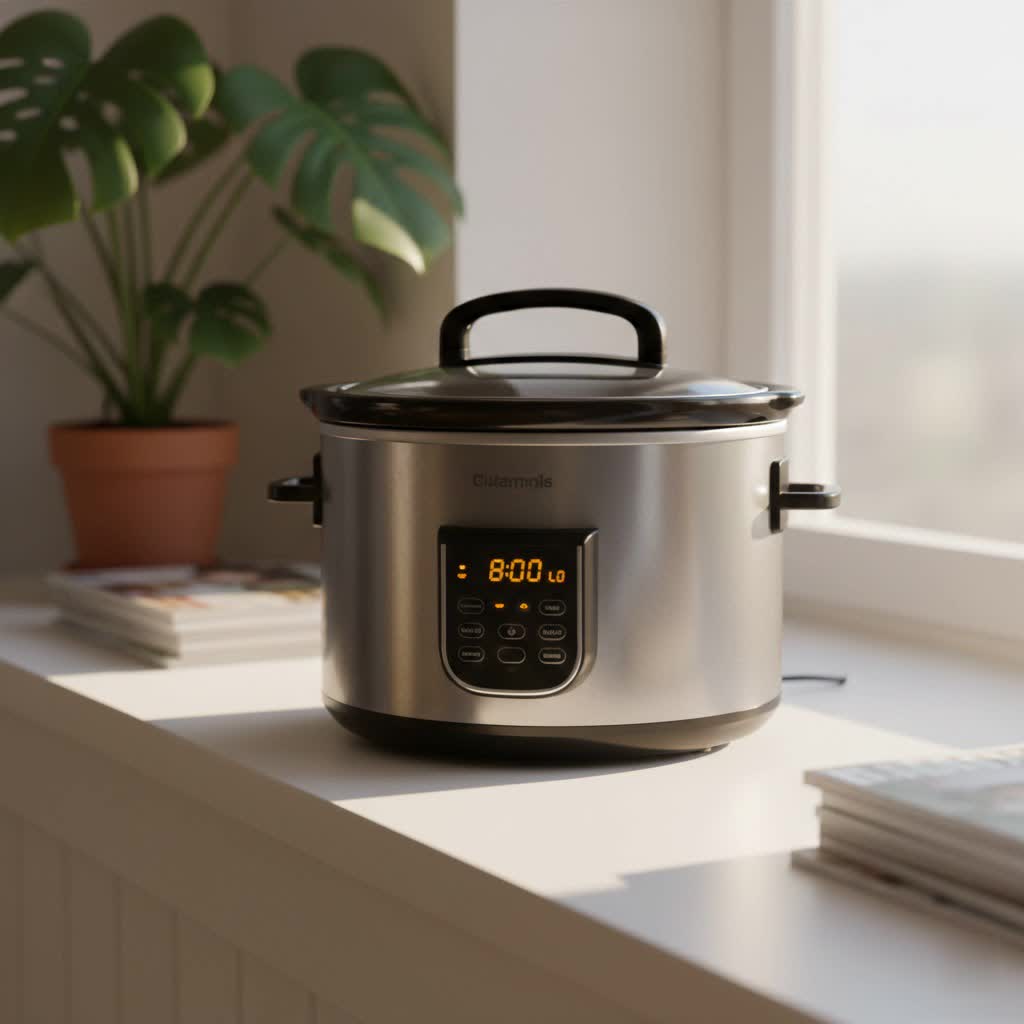
Are you tired of spending hours in the kitchen, only to wish for more flavorful, tender meals? The slow cooker, a countertop hero, has revolutionized home cooking, offering a simple yet powerful way to create delicious dishes with minimal effort. From comforting stews to succulent roasts, and even adapting traditional hot pot experiences, understanding this appliance can transform your culinary routine. As an Admin of Reviewerty.com with over a decade of deep expertise in slow cookers, I’m here to navigate you through everything you need to know, helping you select the perfect model for your family’s needs and budget. Let’s delve into the world of slow cooking and uncover its true potential.
What Exactly is a Slow Cooker?
A slow cooker, often referred to by the brand name Crock-Pot, is an electric cooking appliance that simmers food at a low temperature for several hours. This method of cooking allows for ingredients to meld flavors slowly, tenderize tougher cuts of meat, and develop rich, deep tastes that are hard to achieve with quicker cooking methods. Its origins trace back to the early 20th century, becoming widely popular in the 1970s as a convenient tool for busy households.
The primary components of a slow cooker typically include an outer housing with a heating element, a removable crock (usually made of ceramic or stoneware), and a lid (often glass). The heating element surrounds the crock, providing gentle, even heat from all sides. The heavy, tight-fitting lid traps moisture and heat, creating a consistent environment where food cooks slowly and thoroughly. This gentle, indirect heat is what makes the slow cooker so effective at breaking down tough fibers and infusing flavors.
The Good and The Bad: Pros and Cons of Slow Cookers
Like any kitchen appliance, slow cookers come with their own set of advantages and disadvantages. Understanding these can help you decide if it’s the right fit for your cooking style.
Advantages
|
Our Picks for the Best Slow Cooker in 2026
We may earn a commission when you use one of our links to make a purchase.
|
||
| Num | Product | Action |
|---|---|---|
| 1 | Crock-Pot 6 Quart Programmable Slow Cooker with Timer and Auto Food Warmer Setting, Stainless Steel |

|
| 2 | 3.2L Natural Unglazed Earthenware Casserole,Yixing Zisha Clay Pot for Cooking, Healthy Slow Cooker for Soup, Stew, Rice -Zhuni,Red |
|
| 3 | Crock-Pot 7 Quart Oval Manual Slow Cooker, Stainless Steel (SCV700-S-BR), Versatile Cookware for Large Families or Entertaining |
|
| 4 | 8-Quart Digital Programmable Slow Cooker with Timer - Small Kitchen Appliance for Family Dinners - Serves 10+ People - Heat Settings: Keep Warm, Low and High |
|
| 5 | Ninja MC1001 Foodi PossibleCooker PRO 8.5 Quart Multi-Cooker, with 8-in-1 Slow Cooker, Dutch Oven, Steamer, Glass Lid Integrated Spoon, Nonstick, Oven Safe Pot to 500°F, Sea Salt Gray |
|
| 6 | Ninja® 12-in-1 PossibleCooker™ PLUS - 8.5-qt - Sous Vide & Proof Multi-Cooker - Slow Cooker, Dutch Oven & More - Glass Lid & Integrated Spoon - Nonstick - Oven Safe Pot to 500°F - Black - MC1010 |
|
| 7 | Ninja MC1101 Foodi Everyday Possible Cooker Pro, 8-in-1 Versatility, One-Pot Faster Cooking Replaces 10 Tools, Family-Sized Capacity with Adjustable Temp Control, 6.5 quarts, Midnight Blue |
|
| 8 | Crock-Pot 6 Quart Cook & Carry Programmable Slow Cooker with Digital Timer Stainless Steel (CPSCVC60LL-S) pack of 1 |
|
| 9 | Crock-Pot Large 8-Quart Programmable Slow Cooker with Auto Warm Setting Black Stainless Steel |
|
| 10 | 3.2L Natural Unglazed Earthenware Casserole,Yixing Zisha Clay Pot for Cooking, Healthy Slow Cooker for Soup, Stew, Rice -Zini,Purple |
|
Slow cookers are champions of convenience. They significantly reduce hands-on cooking time, allowing you to prepare ingredients in the morning and return home to a hot, ready-to-eat meal. This “set it and forget it” approach is invaluable for busy individuals and families. The low and slow cooking process helps to tenderize inexpensive cuts of meat, making them incredibly succulent and flavorful, while also preserving more nutrients than high-heat cooking.
Their versatility is another major plus. From hearty soups and stews to chili, pulled pork, roasts, and even desserts, a slow cooker can tackle a vast array of recipes. They are also energy-efficient, often using less electricity than an oven for comparable cooking times, and are generally safe to operate unattended throughout the day.
Disadvantages
The most obvious drawback of a slow cooker is the extended cooking time. Meals can take anywhere from 4 to 10 hours, depending on the setting and ingredients, which requires advanced planning. While modern slow cookers offer “low,” “high,” and “warm” settings, they generally lack the precise temperature control found in conventional ovens or stovetops. This can sometimes lead to food being overcooked if not timed correctly, resulting in a mushy texture for certain ingredients.
Another consideration is their size. Slow cookers can be bulky, taking up significant counter or storage space, especially larger models designed for families. While convenient, the lack of searing capability means that some recipes might benefit from an initial browning step on the stovetop to develop richer flavors and better textures, adding a small extra step to the process.
Navigating the World of Slow Cookers: Types and Features
Slow cookers come in various designs and with different functionalities, each catering to specific cooking needs and preferences.
By Shape
The shape of a slow cooker often dictates the type of food it’s best suited for. Round slow cookers are excellent for soups, stews, chili, and smaller roasts, providing even heating throughout. Oval slow cookers are generally larger and ideal for cooking longer cuts of meat like briskets, whole chickens, or larger roasts, accommodating them without having to cut them down. Square models, while less common, offer a more compact footprint and can be good for casseroles or dishes that benefit from sharper corners for serving.
By Material
The material of the inner pot is crucial for heat retention and durability. Most slow cookers feature a ceramic or stoneware insert, known for its excellent heat distribution and ability to hold heat, keeping food warm for extended periods. These inserts are typically oven-safe and easy to clean. Some modern slow cookers might feature stainless steel or non-stick coated metal inserts, which are lighter and can often be used directly on the stovetop for browning ingredients before slow cooking, adding a layer of convenience.
By Features
Slow cookers have evolved from simple “on/off” devices to sophisticated multi-functional appliances. Manual slow cookers are the most basic, offering “low,” “high,” and “warm” settings, requiring you to manually switch them off. Programmable or digital slow cookers allow you to set a specific cooking time, after which they automatically switch to a “keep warm” setting. This feature is a game-changer for those who are out of the house for long periods. Multi-functional slow cookers combine slow cooking with other capabilities like pressure cooking, sautéing, or steaming, offering ultimate versatility in a single appliance.
Slow Cooker vs. Traditional Hot Pot: Understanding the Nuances
The term “hot pot” can sometimes cause confusion, as it refers to different culinary traditions. Understanding these distinctions is key when considering a slow cooker for your “hot pot” needs.
In a Western culinary context, a “hotpot” often describes a hearty, oven-baked or slow-cooked stew, typically featuring meat (like lamb or beef) and vegetables, topped with sliced potatoes. Recipes such as Lancashire Hotpot or Steak & Potato Hotpot are perfect examples of this style. For these dishes, a slow cooker is an ideal tool. It excels at tenderizing the meat, blending flavors over hours, and creating that deeply satisfying, comforting texture characteristic of a classic hotpot stew. The long, gentle cooking ensures that even tough cuts become fork-tender, and vegetables soften beautifully without disintegrating.
However, “hot pot” also refers to a popular East Asian communal dining experience where diners cook thinly sliced meats, seafood, vegetables, and noodles by dipping them into a simmering pot of broth placed at the center of the table. This traditional “hot pot” requires the broth to be maintained at a consistent, rolling simmer (typically 180-200°F or 82-93°C) to cook food quickly at the table. While a slow cooker can be used to prepare the broth in advance, its ability to sustain the intense simmering temperature required for active tabletop cooking is limited. A slow cooker on its “high” setting can eventually reach a simmering temperature, but it may take several hours. Moreover, lifting the lid frequently to add ingredients, as is common in traditional hot pot, causes significant heat loss, making it challenging for a slow cooker to maintain the necessary consistent simmer for effective and efficient cooking during the meal. Therefore, while a slow cooker can keep a broth warm, it’s generally not designed for the active, rapid cooking required for a true traditional hot pot experience, which is better suited for electric hot pot burners or induction cooktops.
Choosing Your Ideal Slow Cooker: A Comprehensive Buying Guide
Selecting the right slow cooker involves considering your personal cooking habits, family size, and desired features.
Assessing Your Culinary Needs
Before purchasing, think about how you intend to use your slow cooker. If you often host large gatherings or have a big family, a larger capacity model will be essential. If you primarily cook for one or two, a smaller unit might be more practical and energy-efficient. Consider the types of dishes you’ll most frequently prepare; if you love roasts, an oval shape is preferable, whereas round models are great for soups and chili. Your budget will also play a role, as basic models are very affordable, while programmable or multi-functional units will be a higher investment.
Sizing It Up: Capacity Matters
Slow cooker capacities are measured in liters (or quarts).
- Small (under 3 liters/3 quarts): Ideal for single servings, dips, appetizers, or side dishes.
- Medium (3-5 liters/3-5 quarts): Perfect for couples or small families (2-4 people), accommodating smaller roasts or generous stew portions.
- Large (over 5 liters/5 quarts): Best for larger families (5+ people), meal prepping, or entertaining, easily fitting whole chickens or sizable cuts of meat.
Material Considerations
As discussed, ceramic or stoneware inserts are excellent for even heating and heat retention. They are also generally scratch-resistant and easy to clean. If you value the convenience of browning ingredients directly in the cooking pot before slow cooking, look for models with stovetop-safe aluminum or stainless steel inserts. These typically have non-stick coatings, which require careful handling to maintain.
Essential Features to Look For
Beyond basic “low” and “high” settings, modern slow cookers offer features that enhance convenience and safety. A programmable timer is invaluable, allowing you to set specific cooking durations and automatically switch to a “keep warm” mode. A delay start function can further optimize your cooking schedule. A dedicated keep warm setting is crucial for serving flexibility. For households with young children, a child lock feature can add an extra layer of safety. Other considerations include a clear glass lid for monitoring food without heat loss and dishwasher-safe parts for easy cleanup.
Reputable Brands to Consider
Several brands have consistently delivered high-quality and reliable slow cookers. While I cannot endorse specific models due to market fluctuations, some of the most well-regarded manufacturers include Crock-Pot (the original), Hamilton Beach, Cuisinart, and Instant Pot (for their multi-cooker models with slow cook functions). Researching current reviews and product lines from these reputable brands will guide you to reliable choices.
Top 5 Slow Cookers for Versatility and Performance
Based on extensive experience and user feedback, these types of slow cookers consistently stand out for their reliability, ease of use, and performance, offering a range of options to suit various needs.
- The Classic Programmable Model: These workhorses feature intuitive digital controls, offering “low,” “high,” and “warm” settings along with a programmable timer. They automatically shift to “warm” after cooking, making them perfect for busy weekdays. Their ceramic crocks provide excellent heat distribution, ensuring evenly cooked, tender meals every time.
- The Large Capacity Oval Slow Cooker: Designed for bigger families or entertaining, these 7-quart (or larger) oval units easily accommodate whole chickens, large roasts, or substantial batches of chili. Many include a glass lid for easy viewing and a durable stoneware insert that’s dishwasher safe.
- The Multi-Cooker with Slow Cook Function: For those seeking ultimate versatility, models that combine slow cooking with pressure cooking, sautéing, and even air frying capabilities are excellent. While more complex, they save counter space and allow for quick meal preparation or the traditional slow and low method, all in one appliance.
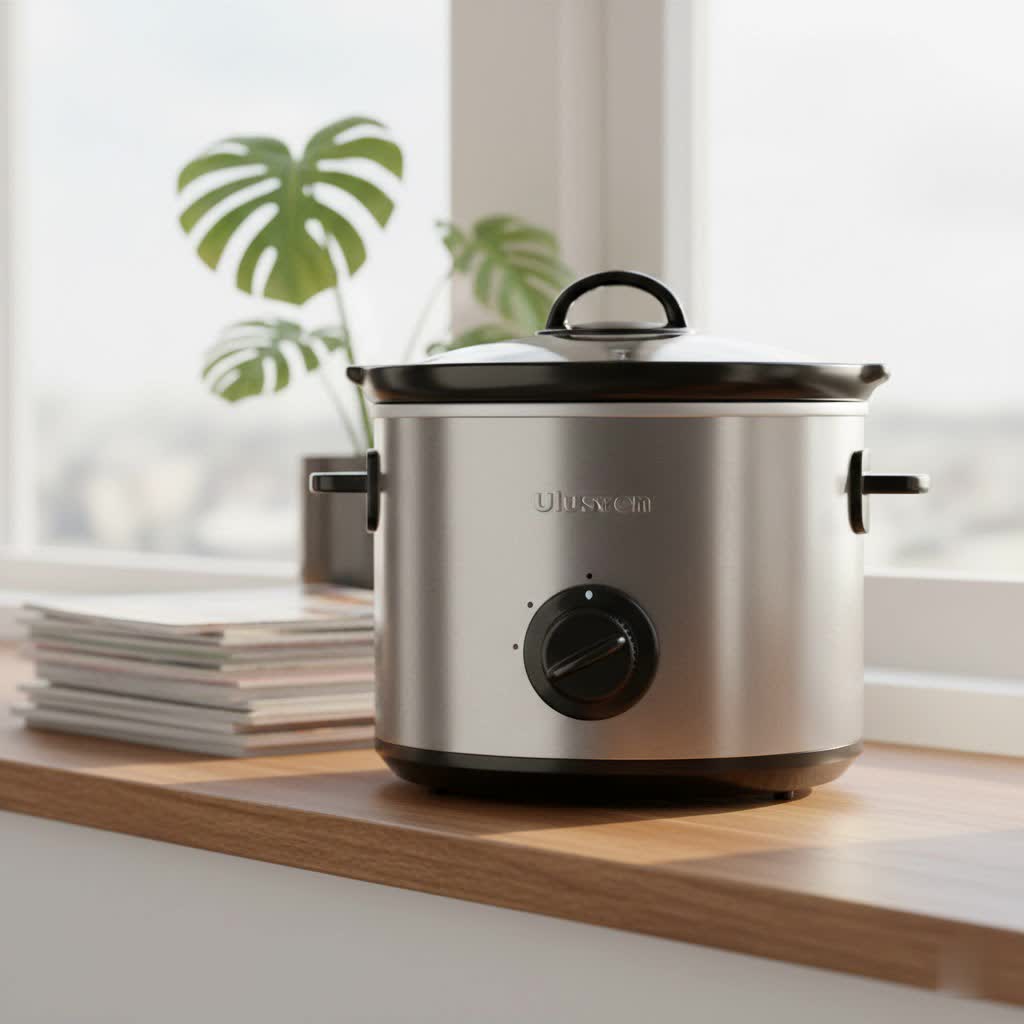
- The Manual “Set and Forget” Basic Model: Sometimes, simplicity is best. These no-frills slow cookers feature simple knob controls for “low,” “high,” and “warm.” They are incredibly reliable, budget-friendly, and perfect for those who prefer straightforward operation without extra digital features.
- The Portable and Lockable Slow Cooker: Ideal for potlucks or carrying meals on the go, these models feature secure locking lids that prevent spills during transport. They often come with durable handles and sometimes include a temperature gauge or a serving spoon rest, combining convenience with practicality.
Mastering Your Slow Cooker: Usage and Maintenance Tips
To get the most out of your slow cooker and ensure its longevity, proper usage and maintenance are key.
For safe and effective operation, always ensure your slow cooker is placed on a flat, heat-resistant surface away from walls. Fill the crock between half and two-thirds full to prevent over or under-cooking. While a preheating step isn’t strictly necessary, browning meat or sautéing aromatics on the stovetop before adding them to the slow cooker can significantly enhance flavor. Resist the urge to lift the lid frequently, as each peek can extend cooking time by 15-20 minutes due to heat loss. Always use appropriate cooking settings; “low” is generally for 6-8 hours, “high” for 3-4 hours, and “warm” for holding cooked food at a safe temperature.
Cleaning your slow cooker is straightforward. After each use, allow the crock to cool completely. Most ceramic or stoneware inserts and glass lids are dishwasher safe. For stubborn, stuck-on food, soak the crock in warm, soapy water for a few hours before scrubbing. Avoid abrasive cleaners or scouring pads, which can damage the surface. The exterior housing can be wiped down with a damp cloth. Store your slow cooker in a cool, dry place, ensuring the lid and crock are completely dry to prevent odors or mildew.
Common issues can often be easily resolved. If food seems undercooked, ensure the lid was properly sealed and the temperature setting was correct; external factors like cold ingredients can extend cooking times. If food is too watery, try reducing the amount of liquid in future recipes, as slow cookers retain moisture very well. If your slow cooker isn’t heating properly, check the power connection and ensure there’s no visible damage to the cord or heating element.
Frequently Asked Questions
Is a slow cooker the same as a hot pot?
No, a slow cooker and a traditional East Asian hot pot are not the same. A slow cooker is an appliance for extended, low-temperature cooking of stews and casseroles. A traditional hot pot is a communal dining method where raw ingredients are cooked quickly in simmering broth at the table. While a slow cooker can keep broth warm, it usually cannot maintain the vigorous simmer required for active, tabletop hot pot cooking.
Can you put frozen meat directly into a slow cooker?
For food safety reasons, it is generally not recommended to put large pieces of frozen meat directly into a slow cooker. The slow cooker takes too long to bring the meat up to a safe temperature, allowing bacteria to multiply in the “danger zone” (between 40°F and 140°F or 4°C and 60°C). Always thaw frozen meat completely in the refrigerator before slow cooking.
What’s the best temperature setting for slow cooking?
The “low” setting is generally preferred for most recipes as it allows for longer cooking times and more even, gentle heat, resulting in very tender and flavorful dishes. The “high” setting cooks food faster, approximately half the time of the “low” setting, but can sometimes lead to less tender results or scorched edges if not monitored. The “warm” setting is solely for holding cooked food at a safe serving temperature, not for cooking.
How do I prevent food from drying out in a slow cooker?
To prevent food from drying out, ensure there is sufficient liquid in your recipe, as slow cookers retain moisture very well. Avoid overfilling the crock, as this can create too much steam and dilute flavors or dry out ingredients. Most importantly, resist the temptation to lift the lid frequently during cooking, as this releases steam and heat, which can lead to drier results.