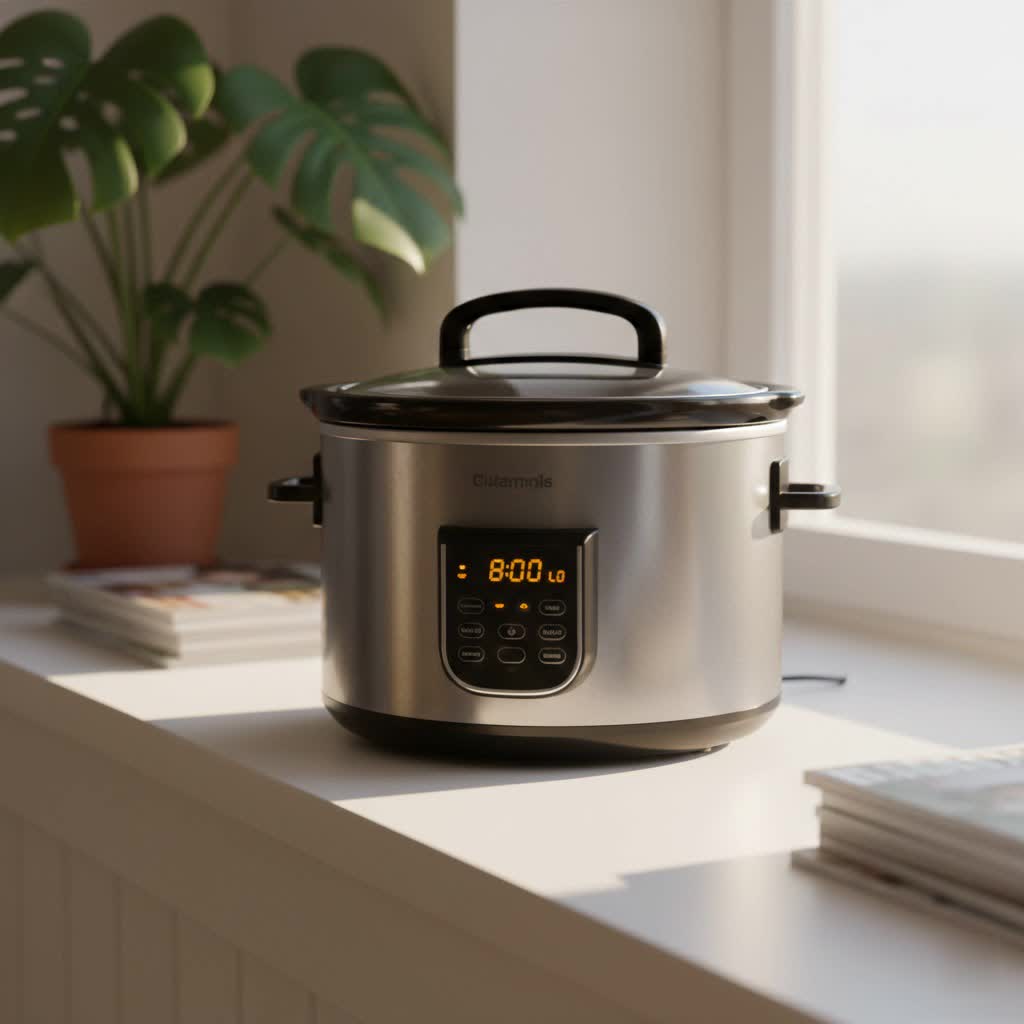
Are you tired of rushing dinner preparations after a long day? Imagine coming home to the comforting aroma of a perfectly cooked meal, ready to serve with minimal effort. Slow cookers have revolutionized home cooking, offering convenience and delicious results, and adding a vibrant red slow cooker to your kitchen can elevate both your culinary experience and your decor. This comprehensive guide will explore everything you need to know about these essential kitchen appliances, helping you select a red slow cooker that perfectly blends style, functionality, and your family’s needs.
What Exactly Is a Slow Cooker?
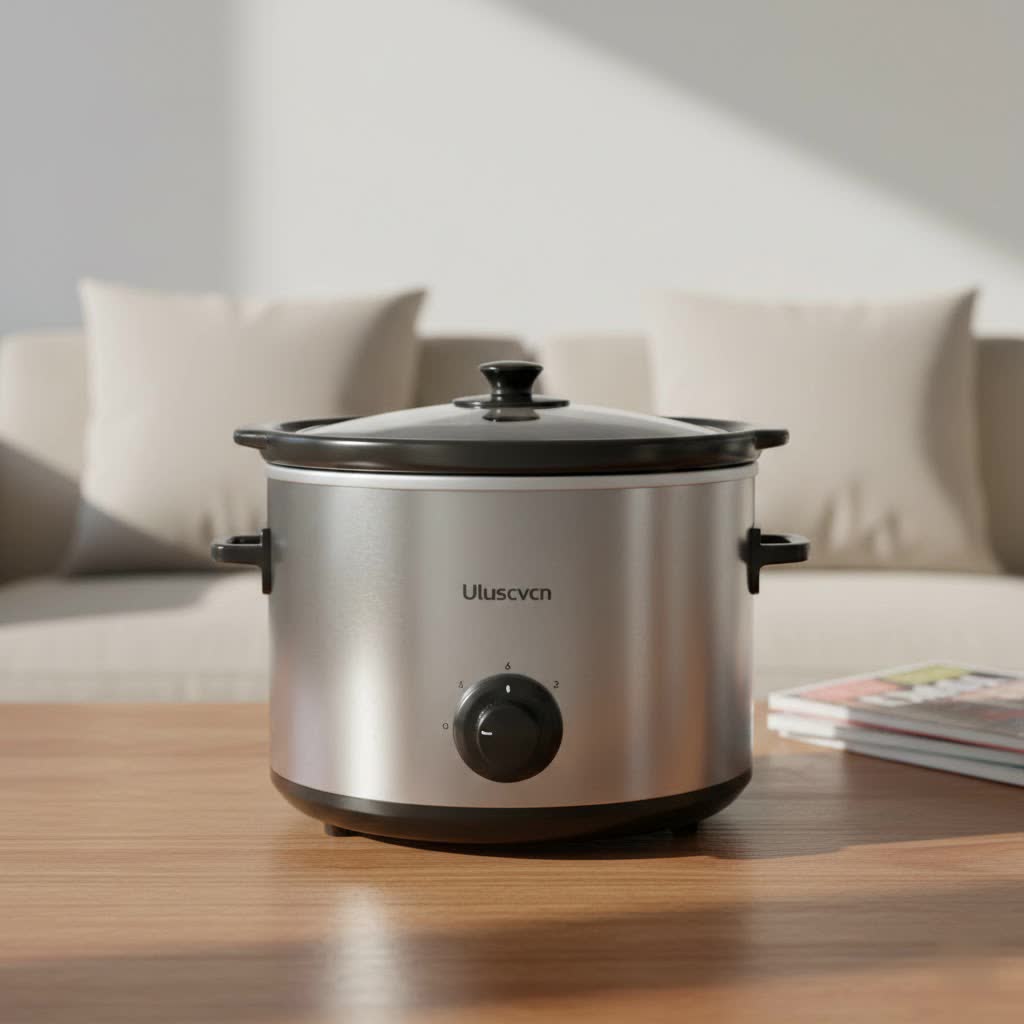
A slow cooker, often referred to by the brand name Crock-Pot, is an electric cooking appliance that simmers food at a low temperature over an extended period. Its magic lies in its ability to gently cook ingredients, tenderizing tougher cuts of meat and infusing dishes with deep, rich flavors. Designed to be left unattended for hours, it’s a staple for busy individuals and families seeking convenient, home-cooked meals.
The concept of slow cooking dates back to ancient methods of cooking in earthen pots over low fires. The modern electric slow cooker gained popularity in the 1970s, with the original Crock-Pot making its debut, simplifying hearty, slow-cooked meals for millions. Its core components typically include an outer housing with a heating element, a removable inner pot (often ceramic or stoneware), and a lid (usually glass). The heating element surrounds the inner pot, providing even, consistent heat that gradually brings food to temperature, preventing scorching and locking in moisture.
Advantages and Disadvantages of Slow Cookers
Bringing a slow cooker into your home, especially a striking red model, offers numerous benefits, but it also comes with a few considerations.
Advantages
- Time and Effort Savings: The most significant advantage is the “set-it-and-forget-it” convenience. You can prepare ingredients in the morning, place them in the red slow cooker, and return home to a hot, ready-to-eat meal. This dramatically reduces active cooking time.
- Enhanced Flavor and Nutrition: Slow cooking allows flavors to meld beautifully, creating richer, more complex dishes. The low, steady heat also helps tenderize less expensive cuts of meat and can preserve more nutrients compared to high-heat cooking methods. It also retains moisture, resulting in incredibly tender and succulent food.
- Versatility in Cooking: From hearty stews and chili to savory roasts, comforting soups, and even desserts, a slow cooker can handle a vast array of recipes. Many appreciate its ability to cook diverse meals, making it a versatile addition to any kitchen.
- Safety and Ease of Use: Modern slow cookers are designed with safety in mind, allowing for unattended operation. They are generally straightforward to use, often with simple controls for heat settings and timers.
- Energy Efficiency: Slow cookers consume less electricity than a conventional oven, making them a more energy-efficient option for long cooking times, especially on warm days as they emit less heat into your kitchen.
- Cost Savings: By tenderizing tougher, less expensive cuts of meat, slow cookers can help you save on grocery bills.
|
Our Picks for the Best Slow Cooker in 2026
We may earn a commission when you use one of our links to make a purchase.
|
||
| Num | Product | Action |
|---|---|---|
| 1 | Crock-Pot 6 Quart Programmable Slow Cooker with Timer and Auto Food Warmer Setting, Stainless Steel |

|
| 2 | Ninja MC1001 Foodi PossibleCooker PRO 8.5 Quart Multi-Cooker, with 8-in-1 Slow Cooker, Dutch Oven, Steamer, Glass Lid Integrated Spoon, Nonstick, Oven Safe Pot to 500°F, Sea Salt Gray |
|
| 3 | 3.2L Natural Unglazed Earthenware Casserole,Yixing Zisha Clay Pot for Cooking, Healthy Slow Cooker for Soup, Stew, Rice -Zhuni,Red |
|
| 4 | Crock-Pot 7 Quart Oval Manual Slow Cooker, Stainless Steel (SCV700-S-BR), Versatile Cookware for Large Families or Entertaining |
|
| 5 | 8-Quart Digital Programmable Slow Cooker with Timer - Small Kitchen Appliance for Family Dinners - Serves 10+ People - Heat Settings: Keep Warm, Low and High |
|
| 6 | Crock-Pot Large 8-Quart Programmable Slow Cooker with Auto Warm Setting Black Stainless Steel |
|
| 7 | Ninja MC1101 Foodi Everyday Possible Cooker Pro, 8-in-1 Versatility, One-Pot Faster Cooking Replaces 10 Tools, Family-Sized Capacity with Adjustable Temp Control, 6.5 quarts, Midnight Blue |
|
| 8 | Ninja® 12-in-1 PossibleCooker™ PLUS - 8.5-qt - Sous Vide & Proof Multi-Cooker - Slow Cooker, Dutch Oven & More - Glass Lid & Integrated Spoon - Nonstick - Oven Safe Pot to 500°F - Black - MC1010 |
|
| 9 | 3.2L Natural Unglazed Earthenware Casserole,Yixing Zisha Clay Pot for Cooking, Healthy Slow Cooker for Soup, Stew, Rice -Zini,Purple |
|
| 10 | Crock-Pot 6 Quart Cook & Carry Programmable Slow Cooker with Digital Timer Stainless Steel (CPSCVC60LL-S) pack of 1 |
|
Disadvantages
- Extended Cooking Times: As the name suggests, slow cookers require long cooking periods, typically 4-8 hours on high or 6-10 hours on low. This means planning meals well in advance.
- Limited Temperature Control: Most basic models offer only “low,” “high,” and “warm” settings, which can make precise temperature adjustments challenging for certain recipes.
- Potential for Overcooking: If left too long, some delicate foods or vegetables can become mushy or overcooked.
- Size and Storage: Slow cookers, particularly larger capacity models, can take up considerable counter space and require dedicated storage, which is a factor to consider for smaller kitchens.
- Browning Limitations: Slow cookers do not brown or crisp food, so some recipes may require initial browning of meat in a separate pan before adding it to the cooker for optimal flavor and texture.
Popular Types of Slow Cookers
Slow cookers come in various designs and with different features, allowing you to choose one that best fits your cooking style and kitchen aesthetic.
Classification by Shape
- Round Slow Cookers: These are classic and efficient for smaller roasts, soups, and dips. Their circular shape promotes even heating.
- Oval Slow Cookers: Ideal for larger cuts of meat like whole chickens or roasts, and elongated dishes. The oval design accommodates larger meals, often preferred for family cooking or entertaining.
- Square Slow Cookers: Less common, but some models offer a square design that can be space-efficient and provide a modern look.
Classification by Material
- Ceramic/Stoneware Inserts: The most common type, these inserts distribute and retain heat exceptionally well, ensuring even cooking. They are also non-reactive, easy to clean, and often dishwasher-safe. Many red slow cookers feature this durable and attractive material.
- Metal Inserts: Some newer slow cookers, especially multi-cookers, feature non-stick metal inserts. These can often be used on the stovetop for searing before slow cooking, adding to versatility.
- Glass Lids: Most slow cookers come with a clear glass lid, allowing you to monitor your food’s progress without lifting the lid and losing heat.
Classification by Features
- Manual Slow Cookers: These are the simplest models, typically offering just “low,” “high,” and “warm” settings with a manual dial. They are often the most affordable and reliable.
- Programmable/Digital Slow Cookers: Offering more control, these models allow you to set specific cooking times and temperatures. They often automatically switch to a “warm” setting once cooking is complete, preventing overcooking and keeping food ready to serve. A programmable red slow cooker combines convenience with style.
- Multi-Cookers: These versatile appliances combine slow cooking with other functions like pressure cooking, searing, steaming, and even rice cooking. While more expensive, they offer maximum flexibility.
- Portable/Travel Slow Cookers: Featuring locking lids and sturdy handles, these are designed for easy transport, perfect for potlucks or gatherings. The Crock-Pot 6-Quart Cook & Carry is a popular example, often available in a vibrant red finish.
Choosing Your Ideal Red Slow Cooker: A Buying Guide
Selecting the right slow cooker involves considering your specific needs, budget, and desired features. When specifically looking for a red slow cooker, aesthetics will also play a role in complementing your kitchen decor.
Determine Your Usage Needs
- Family Size: For individuals or couples, a smaller 1.5- to 3-quart slow cooker might suffice for daily meals. Families of 3-4 often find 4- to 6-quart models ideal, while larger families or those who entertain frequently may benefit from a 6-quart or larger red slow cooker.
- Typical Dishes: Consider what you’ll primarily cook. Soups and stews work well in any shape, but larger roasts might require an oval-shaped model.
- Budget: Prices vary significantly based on brand, size, and features. Determine a realistic budget to narrow down your options.
Choose the Right Capacity
- Small (Under 3 Liters/Quarts): Perfect for individual servings, dips, or small side dishes. A compact red slow cooker is great for limited counter space.
- Medium (3-5 Liters/Quarts): Suitable for 2-4 people, ideal for everyday family meals.
- Large (Over 5 Liters/Quarts): Best for large families, meal prepping, or entertaining guests. A large red slow cooker can be a centerpiece.
Select the Material of the Inner Pot
While many red slow cookers come with ceramic or stoneware inserts, some multi-cooker variants might feature metal. Ceramic is excellent for even heat and easy cleaning. Metal inserts offer stovetop browning capabilities but might require more careful handling to prevent scratching.
Essential Features to Consider
- Heat Settings: Basic “low,” “high,” and “warm” are standard. Programmable models offer more precise time control and automatic warming.
- Timer Function: A programmable timer is invaluable, allowing you to set a specific cooking duration and have the cooker automatically switch to “warm” or turn off.
- Keep Warm Function: This feature is crucial for maintaining food at a safe serving temperature after cooking is complete, without overcooking.
- Lid Type: A clear glass lid is preferred for monitoring. Locking lids are a bonus for portability.
- Ease of Cleaning: Dishwasher-safe ceramic inserts and lids simplify cleanup, a major convenience factor.
- Safety Features: Look for cool-touch handles and non-skid feet for stability and safety during operation and transport.
Reputable Brands
Many brands offer quality slow cookers, often including vibrant red options. Some well-regarded brands include:
- Crock-Pot: The original and a household name, known for reliable and diverse models.
- Instant Pot: Famous for multi-cookers that often include a slow cooker function.
- Cuisinart: Offers various kitchen appliances, including well-regarded slow cookers.
- Hamilton Beach: Provides a range of affordable and functional slow cookers.
- Brentwood: Known for its compact and efficient slow cookers, often featuring a red indicator light that stands out against a black exterior, or even entirely red models.
Top Red Slow Cookers for Your Kitchen (Detailed Reviews)
When choosing a red slow cooker, you’re looking for a blend of performance and visual appeal. Here are a few examples of popular models often available in a vibrant red hue, showcasing features that users appreciate:
- Crock-Pot 6-Quart Cook & Carry Programmable Slow Cooker (Lambrusco Red): This model is a favorite for its portability, featuring a locking lid and large carry handles. It offers programmable settings and an auto-warm feature. While some users note the exterior is largely plastic, its functionality and striking red color make it a top choice for transporting meals.
- Crock-Pot Oval Slow Cooker Red SCV401-TR: Customers often praise this model for its attractive shade of red, generous size for families, and easy-to-clean removable inner casserole. Its straightforward design focuses on reliable slow cooking.
- Brentwood 1.5-Quart Slow Cooker: For those needing a compact option, Brentwood offers efficient small slow cookers. While the full exterior may not always be red, models often feature a bright red indicator light. It’s noted for consistent temperature and sturdy construction, ideal for dips or smaller meals.
- Courant 1.6-Quart Slow Cooker: This model offers a stainless steel exterior, but some versions feature red accents or an entirely red body. It’s lauded for its simple three heat settings (High, Low, Warm), stable non-skid feet, and stay-cool handles for safe carrying.
How to Use and Care for Your Slow Cooker
Proper use and maintenance will ensure your red slow cooker serves you well for years, delivering delicious results every time.
Safe and Effective Use
- Prepare Ingredients: Chop vegetables, trim meat, and prepare all ingredients according to your recipe. Place denser vegetables at the bottom of the crock, then add meat, and finally liquids.
- Fill Appropriately: Never fill the slow cooker more than two-thirds full to prevent boil-overs, and ensure it’s at least half full for optimal cooking.
- Select Setting: Choose “low” for longer, gentler cooking, or “high” for faster results. Avoid constantly lifting the lid, as this can extend cooking time significantly. Each peek can add 15-20 minutes to the cooking process.
- Monitor Progress (if needed): While often “set-it-and-forget-it,” a quick check towards the end of the cooking cycle ensures perfection.
- Food Safety: Always thaw meat or poultry completely before placing it in the slow cooker. Keep perishable foods refrigerated until preparation. Consider turning the slow cooker to high for the first hour if possible, then adjust.
- Unplug After Use: Once cooking is done, turn off and unplug the appliance.
Cleaning and Maintenance Tips
- Cool Completely: Allow the inner pot and lid to cool down completely before cleaning to prevent thermal shock and potential cracking.
- Hand Wash or Dishwasher: Most ceramic or stoneware inserts and glass lids are dishwasher safe. For hand washing, use warm, soapy water and a non-abrasive sponge.
- Clean Exterior: Wipe the exterior of the heating unit with a damp cloth. Never immerse the base in water.
- Stubborn Stains: For stuck-on food, fill the crock with warm, soapy water and let it soak for a few hours or overnight before scrubbing. Baking soda can also help with stubborn stains.
- Storage: Ensure all parts are completely dry before storing your slow cooker. Store the lid inverted on the crock to allow air circulation and prevent odors.
Common Issues and Solutions
- Food Not Cooking Properly: Check that the slow cooker is plugged in and set to the correct temperature. Ensure the lid is seated properly to trap heat. If consistently undercooking, your unit may be faulty or running at a lower temperature than expected.
- Food Overcooked/Mushy: This often happens from cooking too long on a high setting or with too much liquid. Adjust cooking times or use the “low” setting for extended periods.
- Lid Doesn’t Seal: Inspect the lid for cracks or damage. Ensure the rim of the crock is clean and free of food debris that could prevent a tight seal.
- Exterior Gets Hot: It’s normal for the exterior of the slow cooker to get warm during operation. However, if it’s excessively hot to the touch, or you notice any burning smells, discontinue use and consult the manufacturer.
“A slow cooker isn’t just an appliance; it’s a lifestyle enhancer. It simplifies healthy eating and brings families back to the dinner table without the daily kitchen scramble.” – Chef Elena Rodriguez, Culinary Innovator and Author
Conclusion
The red slow cooker is more than just a kitchen appliance; it’s a testament to convenience, flavor, and a touch of vibrant style. From its humble origins to its modern, feature-rich iterations, the slow cooker offers a unique way to create delicious, nourishing meals with minimal effort. By understanding its advantages, exploring the various types available, and making an informed choice based on your specific needs, you can unlock a world of culinary possibilities. Whether you’re a busy professional, a parent juggling multiple tasks, or simply someone who appreciates a well-cooked meal, a slow cooker, especially one in a bold red, stands ready to transform your kitchen experience. Are you ready to embrace the warmth and simplicity that a red slow cooker can bring to your home?
Câu Hỏi Thường Gặp
What are the main benefits of using a red slow cooker?
A red slow cooker offers all the classic advantages of slow cooking—convenience, enhanced flavor, energy efficiency, and nutrient retention—with the added bonus of a vibrant aesthetic that can beautifully complement your kitchen decor. It simplifies meal preparation by allowing you to “set and forget” while adding a pop of color.
Can I really leave a slow cooker on all day while I’m at work?
Yes, modern slow cookers are designed for safe, unattended operation. Many models include programmable timers that automatically switch to a “keep warm” setting after the cooking cycle, ensuring your food stays at a safe temperature until you’re ready to eat, making them ideal for busy schedules.
How do I choose the right size red slow cooker for my family?
Consider your household size and typical meal portions. For 1-2 people, a 1.5 to 3-quart model is often sufficient. Families of 3-4 might prefer a 4 to 6-quart slow cooker, while larger families or those who frequently entertain will benefit from a 6-quart or larger capacity.
Is a ceramic or metal insert better for a red slow cooker?
Ceramic or stoneware inserts are traditional and excellent for even heat distribution and retention, making them easy to clean and often dishwasher-safe. Metal inserts, found in some multi-cookers, may offer stovetop searing capabilities for added versatility, though they can require more delicate cleaning to protect their non-stick coating.
Do red slow cookers use a lot of electricity?
No, slow cookers are generally very energy-efficient, using significantly less electricity than a conventional oven for the same cooking duration. They operate at low wattages, similar to a light bulb, making them an economical choice for long cooking sessions and helping to keep your kitchen cooler.