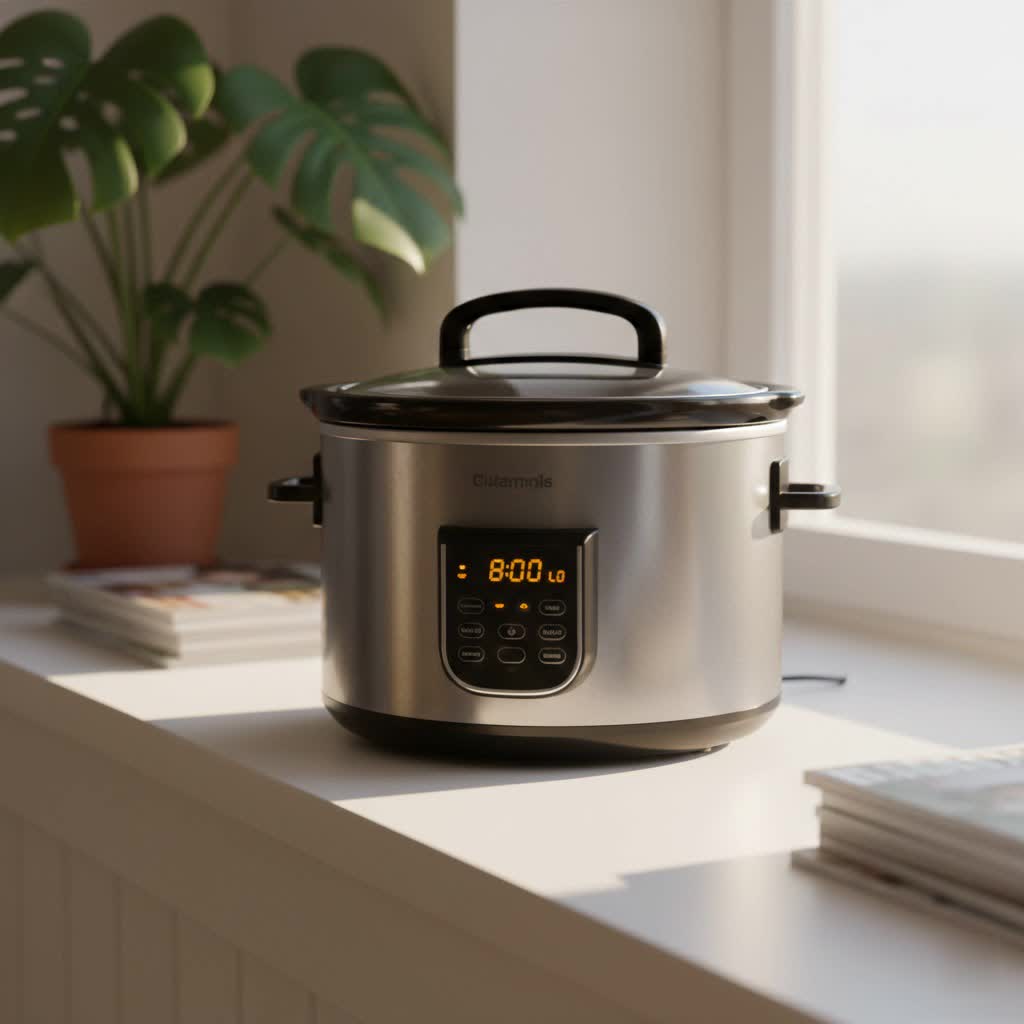
The slow cooker has been a kitchen staple for decades, simplifying meal preparation and delivering tender, flavorful dishes with minimal effort. Whether you’re a busy professional, a parent juggling multiple tasks, or simply someone who appreciates the convenience of “set it and forget it” cooking, a slow cooker can be an invaluable addition to your home. But with a wide array of models, features, and sizes on the market, choosing the right one can feel overwhelming. This comprehensive guide will walk you through everything you need to know to select the slow cooker that best fits your lifestyle and culinary ambitions.
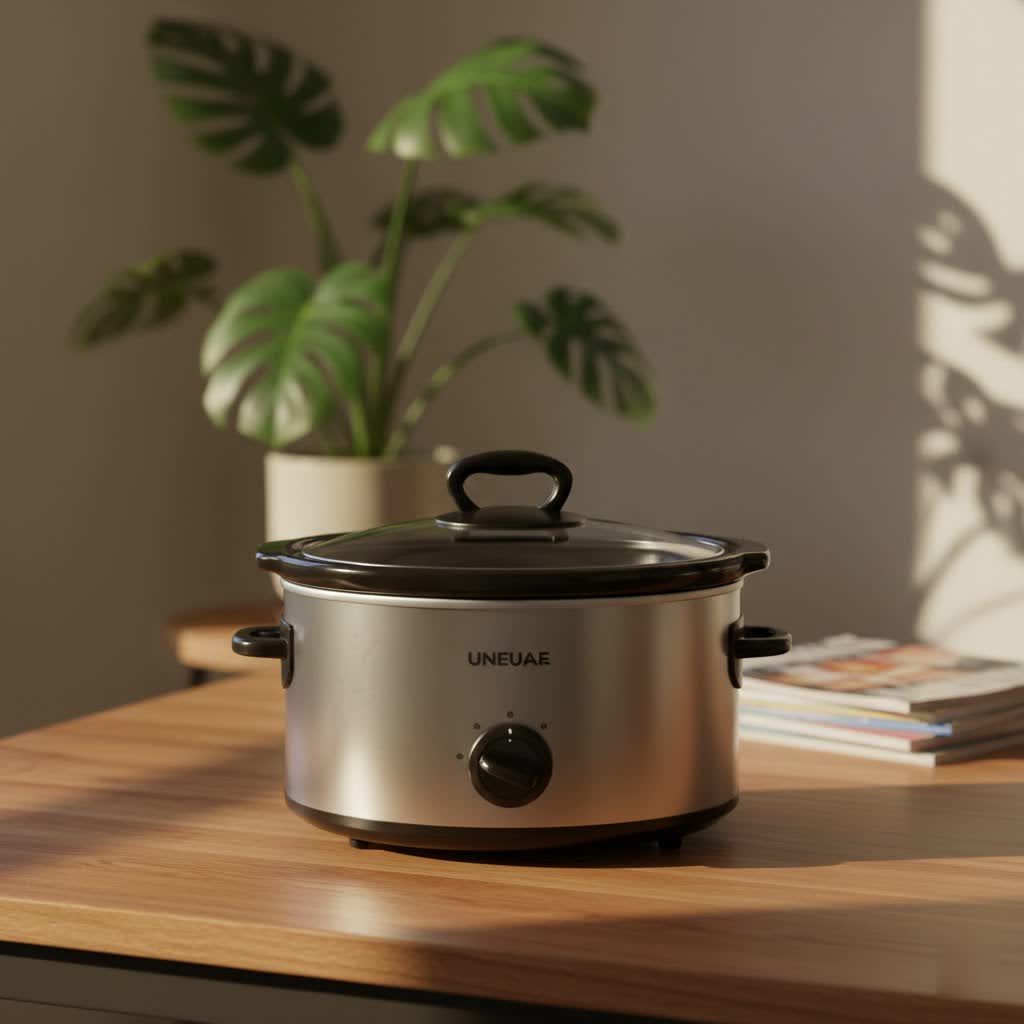
What is a Slow Cooker and How Does It Work?
A slow cooker is an electric countertop appliance designed to cook food at a low temperature over an extended period. Typically, it operates between 180°F to 210°F, transforming tough cuts of meat and various ingredients into succulent, deeply flavored meals. This gentle, consistent heat breaks down connective tissues in meat and allows flavors to meld beautifully.
The basic design of a slow cooker comprises three main components: a heating base, a cooking vessel (often called a crock or insert), and a lid. Small heaters within the base radiate heat upward and through the cooking vessel, ensuring even heating without hot spots. The tight-fitting lid traps heat and moisture, preventing food from drying out during long cooking cycles. The slow cooker first emerged in the 1950s and gained significant popularity in 1971 with the rebranding of the “Crock-Pot” model.
Advantages and Disadvantages of Slow Cookers
Understanding the pros and cons can help you decide if a slow cooker is the right appliance for you.
Advantages
- Time and Effort Savings: One of the most significant benefits is the ability to prepare meals with minimal hands-on time. Simply add ingredients in the morning, and dinner will be ready when you return home.
- Flavor and Nutrition Preservation: The low and slow cooking method helps tenderize meats and allows flavors to develop deeply. It also helps retain nutrients that might be lost with higher heat cooking methods.
- Versatility in Dishes: Slow cookers are perfect for a wide range of recipes, including soups, stews, chilis, pot roasts, pulled pork, beans, and even desserts like bread pudding. Some modern units can also handle tasks like steaming and sous vide.
- Safety and Ease of Use: Designed for unattended cooking, slow cookers are generally safe to leave on for hours. Most models feature simple controls, making them straightforward to operate.
- Cost-Effective: Slow cooking often makes tougher, less expensive cuts of meat incredibly tender, helping you save on grocery bills.
|
Our Picks for the Best Slow Cooker in 2026
We may earn a commission when you use one of our links to make a purchase.
|
||
| Num | Product | Action |
|---|---|---|
| 1 | Crock-Pot Large 8-Quart Programmable Slow Cooker with Auto Warm Setting Black Stainless Steel |

|
| 2 | 3.2L Natural Unglazed Earthenware Casserole,Yixing Zisha Clay Pot for Cooking, Healthy Slow Cooker for Soup, Stew, Rice -Zini,Purple |
|
| 3 | Ninja MC1001 Foodi PossibleCooker PRO 8.5 Quart Multi-Cooker, with 8-in-1 Slow Cooker, Dutch Oven, Steamer, Glass Lid Integrated Spoon, Nonstick, Oven Safe Pot to 500°F, Sea Salt Gray |
|
| 4 | Crock-Pot 6 Quart Programmable Slow Cooker with Timer and Auto Food Warmer Setting, Stainless Steel |
|
| 5 | 8-Quart Digital Programmable Slow Cooker with Timer - Small Kitchen Appliance for Family Dinners - Serves 10+ People - Heat Settings: Keep Warm, Low and High |
|
| 6 | Ninja MC1101 Foodi Everyday Possible Cooker Pro, 8-in-1 Versatility, One-Pot Faster Cooking Replaces 10 Tools, Family-Sized Capacity with Adjustable Temp Control, 6.5 quarts, Midnight Blue |
|
| 7 | Ninja® 12-in-1 PossibleCooker™ PLUS - 8.5-qt - Sous Vide & Proof Multi-Cooker - Slow Cooker, Dutch Oven & More - Glass Lid & Integrated Spoon - Nonstick - Oven Safe Pot to 500°F - Black - MC1010 |
|
| 8 | Crock-Pot 6 Quart Cook & Carry Programmable Slow Cooker with Digital Timer Stainless Steel (CPSCVC60LL-S) pack of 1 |
|
| 9 | Crock-Pot 7 Quart Oval Manual Slow Cooker, Stainless Steel (SCV700-S-BR), Versatile Cookware for Large Families or Entertaining |
|
| 10 | 3.2L Natural Unglazed Earthenware Casserole,Yixing Zisha Clay Pot for Cooking, Healthy Slow Cooker for Soup, Stew, Rice -Zhuni,Red |
|
Disadvantages
- Long Cooking Times: As the name suggests, slow cookers take a long time to cook. While this is a benefit for hands-off cooking, it requires planning and isn’t suitable for last-minute meals.
- Limited Temperature Control (for some models): Basic models may only offer “low,” “high,” and “warm” settings, which can make precise temperature adjustments difficult. Some older or simpler models might run too hot or too cool.
- Risk of Overcooking: If not monitored or if recipes aren’t properly adjusted, some foods can become overly soft or mushy. Dairy products, in particular, can curdle or separate if cooked too long.
- Size and Storage: Many slow cookers, especially larger capacity models, can be bulky and take up significant counter or cabinet space.
- Lack of Searing/Browning: Traditional ceramic slow cooker inserts typically cannot be used for searing or browning meat directly, requiring an extra pan for this important step to build flavor. However, some newer multi-functional slow cookers offer a dedicated “sear” function.
Types of Slow Cookers
Slow cookers come in various designs, materials, and with different features.
Classification by Shape
- Round: Generally more compact, round slow cookers are great for soups, stews, and smaller cuts of meat. They often have a smaller footprint, making them easier to store.
- Oval: Oval slow cookers are very popular, as their elongated shape can better accommodate larger items like whole chickens, roasts, or racks of ribs.
- Multi-Pot/Triple Cookers: These units feature multiple smaller pots (e.g., three 1.5-quart or 2.5-quart inserts) in a single base, each with independent temperature controls. They are ideal for serving multiple dips, side dishes, or keeping food warm at parties.
Classification by Material
The interior cooking pot (insert) is a critical component, typically made from one of three materials:
- Ceramic (Stoneware): This is the most common material. Ceramic inserts are dense and heavy, taking longer to heat up but excelling at retaining and distributing heat evenly. They are often dishwasher-safe but usually not stovetop-safe and can crack if subjected to sudden temperature changes or drops.
- Metal (Aluminum or Steel): Lighter than ceramic, metal inserts heat up more quickly. They are often stovetop-safe, allowing you to sear ingredients directly in the pot before slow cooking, which reduces cleanup. Many metal pots feature nonstick coatings, but these can scratch with metal utensils.
Classification by Features
- Manual Slow Cookers: These are the simplest models, typically offering “off,” “low,” “high,” and “warm” settings controlled by a dial. They are often the most affordable and robust, with fewer electronic components to fail.
- Programmable Slow Cookers: These models include a digital timer that allows you to set a specific cooking duration. Once the set time is complete, the cooker often automatically switches to a “keep warm” setting, preventing overcooking and ensuring your meal is ready when you are.
- Multi-Cookers (with Slow Cook Function): Appliances like Instant Pots often combine several functions, including pressure cooking, sautéing, steaming, and slow cooking. While versatile, their slow cook function may sometimes perform differently than a dedicated slow cooker, and lids designed for pressure cooking may prevent the evaporation needed for some slow-cooked dishes.
- Smart/Advanced Slow Cookers: Some high-end models offer features like integrated temperature probes for precise temperature control (useful for sous vide), sear/sauté functions within the unit itself, delay start, and even Wi-Fi connectivity.
Comparing Popular Slow Cooker Types
Here’s a comparison of common slow cooker types to help you weigh your options:
| Feature | Manual Slow Cooker | Programmable Slow Cooker | Multi-Cooker (with Slow Cook) |
|---|---|---|---|
| Price Range | Low to Mid | Mid to High | Mid to High |
| Ease of Use | Very straightforward | Easy once programmed | Can be more complex due to multiple functions |
| Key Features | Basic Low/High/Warm dial | Digital timer, auto warm | Pressure cook, sauté, steam, slow cook, etc. |
| Flexibility | Simple, reliable | “Set and forget” convenience | Highly versatile, space-saving |
| Browning | Usually requires separate pan | Usually requires separate pan | Often has built-in sauté/sear function |
| Cleanup | Removable pot, often dishwasher-safe | Removable pot, often dishwasher-safe | Removable pot, often dishwasher-safe |
| Control | Manual control over settings | Automated timing, switches to warm | Precise digital control for various functions |
| Typical Use | Traditional slow cooking, dips | Everyday meals, unattended cooking | Fast cooking, diverse meal preparation |
Buying Guide: Experience-Driven Tips for Choosing Your Slow Cooker
With over a decade of experience, I’ve seen countless slow cookers in action. Here’s my expert advice to help you choose wisely:
1. Assess Your Usage Needs
Before diving into models, consider how you’ll primarily use your slow cooker.
- Family Size: How many people do you typically cook for? A solo individual or couple might prefer a 1.5 to 3-quart model, while a family of 4-6 will benefit from a 5-6 quart size. For large gatherings or meal prepping, an 8-quart or larger is ideal. Remember, slow cookers perform best when at least half-full.
- Meal Types: Do you mostly make soups and stews, or do you frequently cook whole roasts or chickens? This will influence your preferred shape (round for soups, oval for larger cuts).
- Budget: Slow cookers range widely in price. Basic manual models are very affordable, while programmable and multifunctional units come at a higher cost. Decide what features are essential versus “nice-to-have.”
2. Choose the Right Capacity
Matching capacity to your needs is crucial for optimal cooking results and convenience.
- Small (1.5-3 Quarts): Perfect for individuals, couples, small side dishes, or keeping dips warm for parties.
- Medium (4-6 Quarts): The most common size, suitable for families of 3-5 people, accommodating most standard recipes.
- Large (7+ Quarts): Ideal for big families, entertaining, batch cooking, or preparing very large cuts of meat.
> “Don’t stress if your slow cooker isn’t the perfect size. While many recipes are developed for 5-6.5L units, you can easily scale down ingredients for smaller models. The cooking times generally remain consistent.” – Alyce Alexandra, Author of ‘Modern Slow Cooker’
3. Consider the Pot Material
- Ceramic (Stoneware): Excellent for even heat distribution and retention. Great for dishes requiring long, gentle cooking. Often heavier and not stovetop-safe.
- Metal (Aluminum/Stainless Steel): Lighter, heats up faster, and often stovetop-safe for convenient searing. May come with nonstick coatings that require careful handling (e.g., silicone utensils).
4. Essential Features to Look For
- Heat Settings (Low, High, Warm): Ensure the model has these basic, manually controllable settings. Some automatic models can be frustrating if they dictate temperatures.
- Programmable Timer: This is a game-changer for unattended cooking. It allows you to set a precise cooking duration, after which the unit typically switches to a “keep warm” mode. Look for models with at least 30-minute increments for flexibility.
- “Keep Warm” Function: Essential for maintaining food temperature without overcooking, especially if your meal finishes before you’re ready to eat.
- Lid Features: A tight-fitting lid prevents moisture loss. Locking lids are excellent for portability, ensuring spill-free transport to potlucks or gatherings. Glass lids allow you to monitor food without releasing heat.
- Searing/Sauté Function: If you want to brown meats or sauté aromatics directly in your slow cooker insert, look for models with a stovetop-safe pot or a built-in sear function. This saves extra dishes.
- Temperature Probe: Some advanced models include a probe to monitor the internal temperature of meats, automatically switching to “keep warm” when a desired temperature is reached.
5. Reputable Brands
Many trusted brands offer quality slow cookers. Some consistently highly-rated brands include:
- Crock-Pot: The original and often synonymous with slow cooking, offering a wide range from basic to programmable models.
- Hamilton Beach: Known for reliable and feature-rich slow cookers, often offering great value. The “Set & Forget” model is a popular choice for its temperature probe and programmability.
- Cuisinart: Offers versatile multi-cookers with slow cook functions, often praised for browning and steaming capabilities.
- GreenPan: Praised for ceramic nonstick coatings and excellent searing performance in their Elite models.
- Ninja: Popular for multi-cookers that include efficient slow cook functions, often with good build quality.
Top Slow Cooker Recommendations
Based on comprehensive testing and user reviews, here are some top slow cooker models currently available:
- Best Overall: Hamilton Beach Set & Forget 6-Quart Programmable Slow Cooker. This model offers exceptional value with its temperature probe, programmability, and portability.
- Best Budget: GreenLife Cook Duo 6-Quart Nonstick Slow Cooker. A simple yet effective slow cooker with a unique stovetop and oven-safe nonstick pot.
- Best Multifunctional: GreenPan Elite 6-Quart Slow Cooker. Stands out for its built-in browning/sautéing capabilities and consistent temperature control.
- Best Large Capacity: Crock-Pot 8-Quart Programmable Slow Cooker. Ideal for big batches, offering simple controls and reliable heating.
- Best Small Capacity: IMUSA 1.5 Quart Slow Cooker. A compact, easy-to-use option perfect for single servings or keeping dips warm.
- Best for Entertaining: Elite Gourmet Maxi-Matic Triple Slow Cooker. Features three individual 2.5-quart pots with separate controls, excellent for buffets.
How to Use and Maintain Your Slow Cooker
To ensure your slow cooker serves you well for years to come and delivers delicious results every time, follow these usage and maintenance tips:
Usage Tips
- Thaw Meats Fully: Never put frozen meat directly into a slow cooker. This can keep food in the “danger zone” (temperatures where bacteria multiply rapidly) for too long, making it unsafe. Frozen vegetables are generally fine as they thaw quickly.
- Fill Appropriately: For best results, fill your slow cooker at least halfway, but no more than two-thirds full.
- Liquids are Key: Ensure there’s enough liquid in the pot, especially for long cooking times, to prevent scorching and ensure even cooking. The lid helps trap moisture.
- Resist Lifting the Lid: Every time you lift the lid, significant heat escapes, adding about 20-30 minutes to the cooking time.
- Searing for Flavor: If your slow cooker doesn’t have a sear function, consider browning meats in a separate pan before adding them to the slow cooker for enhanced flavor and color.
- “Keep Warm” is for Holding, Not Cooking: The “keep warm” setting is designed to maintain food temperature, not to cook it. Avoid leaving food on “keep warm” for extended periods (e.g., overnight) as it may not be hot enough to prevent bacterial growth.
Cleaning and Care
- Removable Pots: Most slow cooker inserts and lids are dishwasher-safe, making cleanup easy. For nonstick metal inserts, handwashing is often recommended to preserve the coating.
- Exterior: Wipe the exterior heating unit with a damp cloth; never submerge it in water.
- Avoid Abrasives: For ceramic inserts, avoid harsh scrubbers or abrasive cleaners that could damage the surface.
- Cool Down First: Allow the pot to cool completely before washing, especially ceramic inserts, to prevent thermal shock and potential cracking.
- Storage: Ensure the slow cooker and its components are completely dry before storing to prevent odors or mold.
Conclusion
A slow cooker is more than just an appliance; it’s a kitchen workhorse that brings convenience, flavor, and comfort to your everyday meals. By understanding your specific needs regarding capacity, features, and budget, you can confidently navigate the market and find a slow cooker that transforms your cooking experience. From weeknight dinners to special occasion feasts, the right slow cooker will empower you to create delicious, effortless dishes, giving you back precious time while still enjoying hearty, home-cooked goodness.
Which slow cooker feature do you find most indispensable in your kitchen?
Frequently Asked Questions
Can you put pasta or rice directly into a slow cooker?
While some multi-cookers have specific rice programs, generally, quick-cooking ingredients like pasta, rice, grains, fish, and thin cuts of meat are not recommended for traditional slow cookers, as they tend to overcook and become mushy or dry. For rice, it’s possible, but it may take 1.5 to 3 hours on high, and you should check for doneness to avoid crunchiness.
What are the best cuts of meat for a slow cooker?
Slow cookers excel at tenderizing tougher, less expensive cuts of meat with plenty of fat and connective tissue. Look for cuts like chuck roast, brisket, short ribs, oxtail, pork shoulder, or pork butt. These cuts become incredibly tender and flavorful through the long, moist cooking process.
Is a multi-cooker a good replacement for a dedicated slow cooker?
Multi-cookers, like Instant Pots, offer a slow cook function alongside pressure cooking and other modes. While they can perform slow cooking, some users report that they may not regulate temperature as consistently as dedicated slow cookers, or that their sealed lids can prevent necessary evaporation, leading to different results. If slow cooking is your primary use, a dedicated slow cooker might provide more consistent results.