Are you dreaming of delicious, home-cooked meals that practically make themselves? Imagine coming home after a long day to the enticing aroma of a perfectly cooked dinner, ready to be served with minimal effort. This isn’t just a fantasy; it’s the everyday reality for those who embrace the magic of a slow cooker. This versatile kitchen appliance has revolutionized meal preparation for busy families and culinary enthusiasts alike, offering a pathway to tender meats, rich stews, and savory dishes with unparalleled convenience.
Whether you’re new to the world of slow cooking or looking to upgrade your current model, understanding the ins and outs of these remarkable devices can transform your kitchen experience. From their humble beginnings to today’s smart, multi-functional units, slow cookers continue to be a beloved staple, promising to deliver wholesome, flavorful results with every use. Let’s delve into everything you need to know to choose the perfect slow cooker for your home and unlock a world of culinary possibilities.
What is a Slow Cooker?
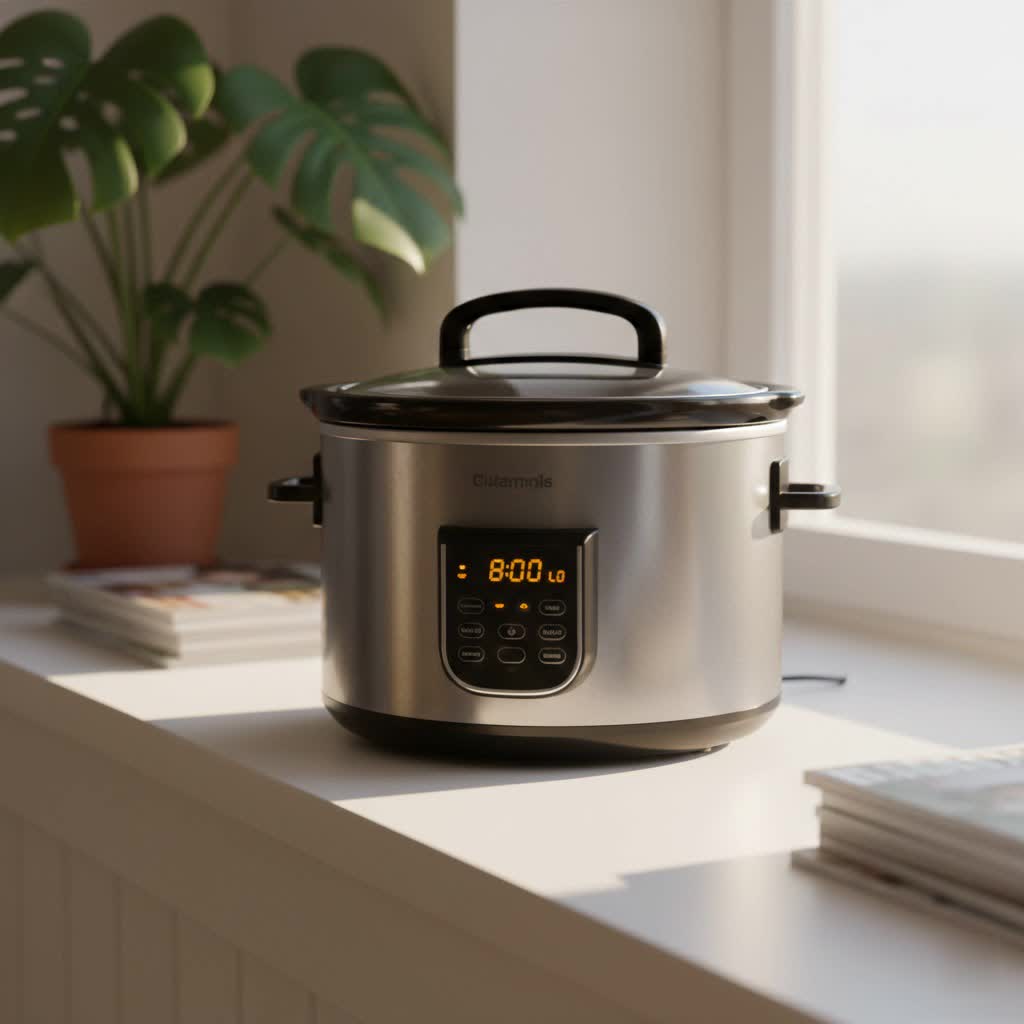
At its core, a slow cooker is a countertop electrical appliance designed to simmer food at a low temperature for an extended period. This method of cooking, often referred to as “low and slow,” allows ingredients to tenderize and flavors to meld beautifully, creating deeply satisfying dishes that are difficult to achieve with faster cooking methods. Typically, slow cookers operate within a temperature range of 174°F to 199°F (79-93°C), maintaining a steady heat that gently cooks your food for several hours.
The concept of slow cooking has ancient roots, but the modern electrical slow cooker gained popularity in the United States during the 1940s, primarily to accommodate the increasing number of women entering the workforce. They could prepare a meal in the morning and return home to a hot dinner. The Naxon Utilities Corporation, led by electrical engineer Irving Naxon, developed the “Naxon Beanery All-Purpose Cooker,” inspired by his mother’s stories of traditional Lithuanian stews that cooked for hours. The “Crock-Pot” brand later emerged in the 1970s, making the appliance a household name.
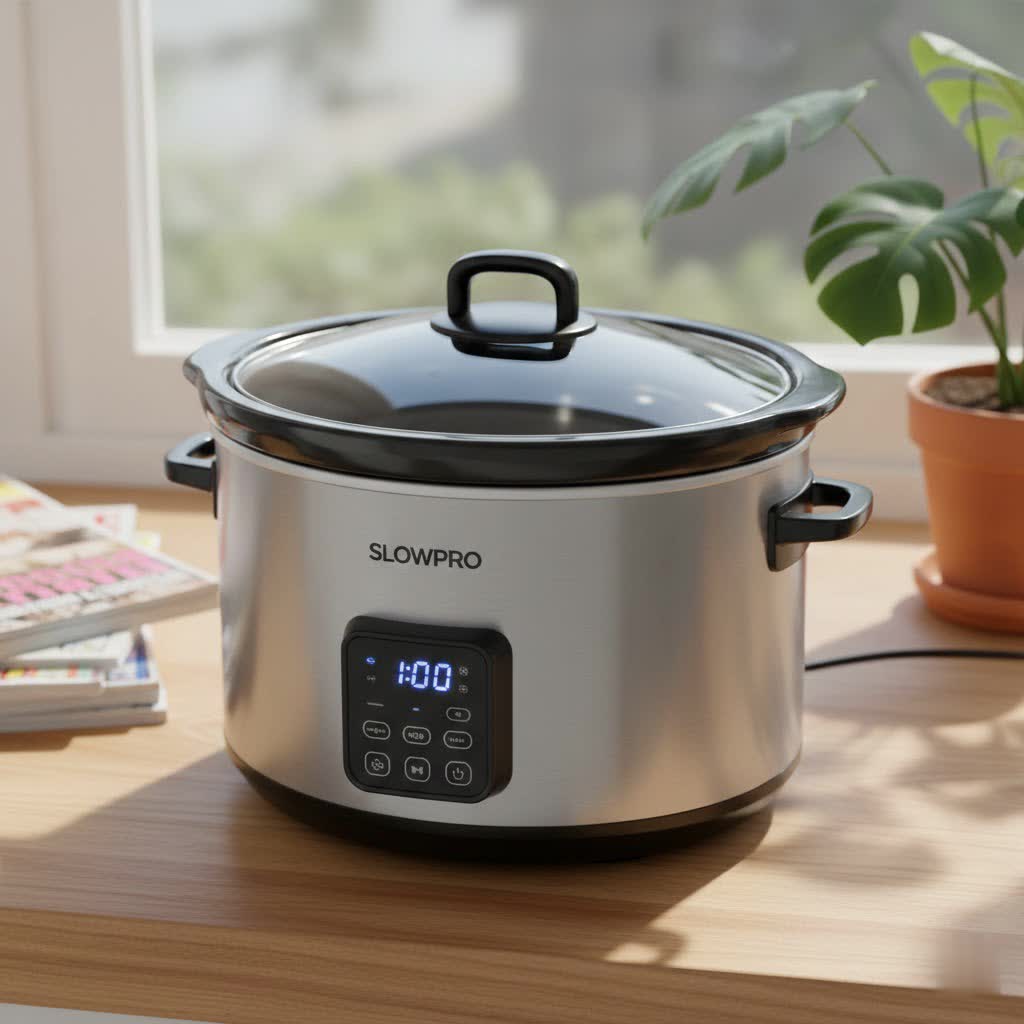
A slow cooker generally consists of three main components:
- The Base: This outer housing contains the heating element that surrounds the inner pot.
- The Cooking Vessel (Crock): Often made of ceramic or stoneware, this removable pot sits inside the base and holds the food.
- The Lid: A tight-fitting lid, usually made of glass, traps moisture and heat, creating a steamy environment that prevents food from drying out and promotes even cooking.
Advantages and Disadvantages of Slow Cookers
Like any kitchen appliance, slow cookers come with their own set of pros and cons. Understanding these can help you determine if a slow cooker is the right addition to your culinary arsenal.
Advantages
- Time and Effort Saving: The primary appeal of a slow cooker is its convenience. You can simply add ingredients in the morning, set it, and go about your day, returning to a fully cooked meal. This “set-it-and-forget-it” functionality is a game-changer for busy individuals and families.
- Preserves Flavor and Nutrition: The long, gentle cooking process, combined with the sealed environment, helps to lock in moisture, tenderize tougher cuts of meat, and allow flavors to develop intensely. It also retains many water-soluble vitamins that might otherwise be lost through evaporation in other cooking methods.
- Versatility in Dishes: Slow cookers are incredibly versatile, capable of preparing a wide array of dishes from savory stews, soups, and roasts to desserts, hot dips, and even beverages like mulled cider.
- Safety and Ease of Use: Modern slow cookers are designed with safety in mind. They maintain a consistent, safe temperature, and their simple controls make them easy for anyone to operate. Many models also include a “keep warm” function, ensuring your meal stays at a safe serving temperature for hours after cooking is complete.
|
Our Picks for the Best Slow Cooker in 2026
We may earn a commission when you use one of our links to make a purchase.
|
||
| Num | Product | Action |
|---|---|---|
| 1 | 8-Quart Digital Programmable Slow Cooker with Timer - Small Kitchen Appliance for Family Dinners - Serves 10+ People - Heat Settings: Keep Warm, Low and High |

|
| 2 | 3.2L Natural Unglazed Earthenware Casserole,Yixing Zisha Clay Pot for Cooking, Healthy Slow Cooker for Soup, Stew, Rice -Zini,Purple |
|
| 3 | Ninja MC1101 Foodi Everyday Possible Cooker Pro, 8-in-1 Versatility, One-Pot Faster Cooking Replaces 10 Tools, Family-Sized Capacity with Adjustable Temp Control, 6.5 quarts, Midnight Blue |
|
| 4 | Crock-Pot 6 Quart Cook & Carry Programmable Slow Cooker with Digital Timer Stainless Steel (CPSCVC60LL-S) pack of 1 |
|
| 5 | Crock-Pot 7 Quart Oval Manual Slow Cooker, Stainless Steel (SCV700-S-BR), Versatile Cookware for Large Families or Entertaining |
|
| 6 | Ninja® 12-in-1 PossibleCooker™ PLUS - 8.5-qt - Sous Vide & Proof Multi-Cooker - Slow Cooker, Dutch Oven & More - Glass Lid & Integrated Spoon - Nonstick - Oven Safe Pot to 500°F - Black - MC1010 |
|
| 7 | Crock-Pot 6 Quart Programmable Slow Cooker with Timer and Auto Food Warmer Setting, Stainless Steel |
|
| 8 | Crock-Pot Large 8-Quart Programmable Slow Cooker with Auto Warm Setting Black Stainless Steel |
|
| 9 | 3.2L Natural Unglazed Earthenware Casserole,Yixing Zisha Clay Pot for Cooking, Healthy Slow Cooker for Soup, Stew, Rice -Zhuni,Red |
|
| 10 | Ninja MC1001 Foodi PossibleCooker PRO 8.5 Quart Multi-Cooker, with 8-in-1 Slow Cooker, Dutch Oven, Steamer, Glass Lid Integrated Spoon, Nonstick, Oven Safe Pot to 500°F, Sea Salt Gray |
|
Disadvantages
- Extended Cooking Time: As the name suggests, slow cookers take a long time. While this is a benefit for unattended cooking, it requires planning ahead and isn’t suitable for last-minute meals.
- Limited Temperature Control: Most basic slow cookers offer only “low,” “high,” and “warm” settings, which can make precise temperature adjustments challenging. This can sometimes lead to overcooked or mushy textures for delicate ingredients.
- Potential for Mushy Food: Certain foods, such as lean meats, delicate vegetables (like bell peppers or peas), pasta, rice, and dairy products, can become overly soft or break down if cooked for too long. These often need to be added towards the end of the cooking cycle or prepared separately.
- Size and Storage: Slow cookers can be bulky and take up significant counter or storage space, which might be a consideration for smaller kitchens.
Popular Types of Slow Cookers
Slow cookers come in various designs and with different features to suit diverse cooking needs.
Classification by Shape
- Round: These are generally smaller in capacity and ideal for soups, stews, casseroles, and baking.
- Oval: Most popular for accommodating larger cuts of meat like whole chickens, roasts, or ribs, as these items are typically longer than they are wide.
- Rectangular: Less common, but some multi-cookers feature rectangular inserts, offering good heat distribution and surface area for browning.
Classification by Material
The material of the inner pot significantly impacts performance and durability.
- Ceramic (Stoneware): This is the most traditional material. Ceramic inserts retain heat exceptionally well, promoting even cooking and keeping food warm for longer. However, they are heavy and can be prone to chipping or cracking if mishandled. Older or damaged ceramic inserts may also pose a risk of heavy metal leaching into food over time, especially with acidic ingredients.
- Metal (Aluminum, Stainless Steel): Lighter and more durable than ceramic, metal inserts heat up quickly. Aluminum often comes with a non-stick coating, which can simplify cleaning but requires careful use of utensils to prevent scratching. Stainless steel is highly regarded for its hygiene, durability, and non-reactive surface, which won’t absorb odors or flavors.
Classification by Features
- Manual (Basic): These are straightforward models with simple “low,” “high,” and “warm” settings. They are user-friendly and perfect for those new to slow cooking or who prefer simplicity.
- Programmable (Digital): Offering more control, programmable slow cookers allow you to set specific cooking times, after which they automatically switch to a “keep warm” mode. This is ideal for busy individuals who need flexibility.
- Multi-Cookers: These advanced appliances combine slow cooking with other functions like searing, sautéing, steaming, pressure cooking, or even sous vide. They are highly versatile, can reduce the need for multiple kitchen gadgets, and often feature temperature probes for precise cooking.
Comparing Slow Cooker Types
| Feature | Ceramic/Stoneware Inserts | Metal (Aluminum/Stainless Steel) Inserts | Multi-Cookers (with Slow Cook Function) |
|---|---|---|---|
| Heat Retention | Excellent, maintains steady temperature. | Good, heats faster but may have hot spots (aluminum). | Varies by model, generally good, often with precise control. |
| Weight | Heavy, can be cumbersome to clean and store. | Lighter, easier to handle. | Moderate to heavy, depending on combined functions. |
| Durability | Prone to chipping/cracking, especially if older or dropped. | Highly durable, resistant to chipping/cracking. | Good, often built to withstand various cooking methods. |
| Stovetop Safe? | Generally no, can cause thermal shock. | Often yes (especially stainless steel and some aluminum), allows searing. | Frequently yes, many models feature direct searing/sautéing functions. |
| Cleaning | Can be difficult due to weight, may absorb odors if unglazed. | Easier to clean, less prone to staining/odor absorption. | Varies, many inserts are dishwasher-safe. |
| Price Point | Generally mid-range. | Can be budget-friendly to high-end (stainless steel). | Higher due to multiple functionalities. |
Buying Guide: Choosing the Right Slow Cooker
Selecting the perfect slow cooker depends on your individual cooking habits and household needs. Consider these factors before making a purchase.
Determine Your Usage Needs
- Family Size: How many people do you typically cook for? A smaller cooker might be suitable for one or two, while larger families will need more capacity.
- Common Dishes: Do you mostly make soups, stews, or large roasts? This will influence the ideal shape and capacity.
- Budget: Slow cookers range widely in price. Determine how much you’re willing to invest based on features and brand reputation.
Choose the Right Capacity
Slow cookers work best when filled between one-half and three-quarters full.
- Small (1.5-3 Quarts): Ideal for single servings, small side dishes, dips, or appetizers.
- Medium (4-6 Quarts): The most common size, perfect for families of 3-6 people, accommodating most roasts and larger meals. A 6-quart model can comfortably cook a whole chicken.
- Large (7+ Quarts): Best for entertaining, meal prepping in bulk, or cooking for very large families. Some models go up to 10 quarts.
Select Pot Material
- Ceramic: If you prioritize even, gentle cooking and heat retention, ceramic is a good choice. Always inspect for chips or cracks, especially if buying second-hand, as these can affect performance and potentially health.
- Metal (Stainless Steel/Aluminum): For durability, lighter weight, and the ability to sear ingredients directly in the pot (if stovetop-safe), metal inserts are excellent. Stainless steel is often recommended for its longevity and non-reactive properties.
Essential Features to Consider
- Cooking Modes: Basic “low,” “high,” and “warm” are standard. More advanced models may include specific settings for different foods or combined functions.
- Programmable Timer: This is a highly convenient feature, allowing you to set a precise cooking duration and automatically switch to “keep warm.”
- Automatic Keep Warm: Ensures food stays hot and safe for serving without overcooking, which is great if you’re not home exactly when cooking finishes.
- Temperature Probe: Found in some advanced models, a probe monitors the internal temperature of your food, stopping cooking once the desired temperature is reached for perfect results.
- Lid Lock/Sealed Lid: Essential for portability if you plan to transport your slow cooker for potlucks or gatherings. A tight seal also prevents heat and moisture loss during cooking.
- Searing Function: For multi-cookers, the ability to brown meats and vegetables directly in the pot before slow cooking can significantly enhance flavor and reduce cleanup.
- Easy-Clean Design: Look for removable, dishwasher-safe inserts and lids to simplify cleanup.
Reputable Brands
Many brands consistently receive high ratings for their slow cookers. Look for models from:
- Crock-Pot: The original and often synonymous with slow cooking, offering a wide range of models.
- Hamilton Beach: Known for reliable and feature-rich slow cookers, often with budget-friendly options.
- Cuisinart: Offers versatile multi-cookers with advanced features.
- GreenLife: Praised for nontoxic ceramic inserts.
- Instant Pot/Ninja: Popular for multi-functional pressure cookers that also include slow cook settings.
Top Slow Cookers Today
Based on expert reviews and user satisfaction, here are a few types of highly-rated slow cookers that stand out in the current market:
- Hamilton Beach Portable 6 Quart Set & Forget: Often lauded as a best overall choice, this model frequently features a built-in temperature probe for precise cooking and a locking lid for easy transport. Its reliability and intuitive controls make it a family favorite.
- GreenLife Cook Duo Slow Cooker: This option often appeals to those seeking nontoxic cookware, featuring ceramic inserts free from PFAS, PFOA, lead, and cadmium. It excels in even heat distribution and is often stovetop and oven safe for added versatility.
- Cuisinart 3-in-1 Cook Central Multi-Cooker: For maximum versatility, models like this combine slow cooking with browning/sautéing and steaming functions. Its design allows for excellent heat distribution and often includes a clear, intuitive digital interface.
- Crock-Pot Programmable Slow Cookers (8-Quart): A popular choice for larger families or entertaining, these programmable models offer ample capacity and the convenience of setting cooking times, then automatically switching to warm.
> “The biggest mistake people make with slow cookers is constantly lifting the lid. Each time you do, you lose a significant amount of heat and moisture, which can extend your cooking time by 20 to 30 minutes. Trust the process and let it do its magic.” – Sophia Nguyen, Lead Culinary Technician, Reviewerty.com
How to Use and Maintain Your Slow Cooker
To get the most out of your slow cooker and ensure its longevity, follow these best practices for use and care.
Guidance for Safe and Effective Use
- Read the Manual: Always start by consulting your appliance’s user manual for specific instructions and safety guidelines.
- Fill Correctly: Avoid overfilling or underfilling. For optimal cooking, your slow cooker should be between one-half and three-quarters full. This allows heat to circulate properly and prevents leaks.
- Prepare Ingredients: Chop vegetables into even sizes for consistent cooking. Place denser vegetables (like potatoes and carrots) at the bottom of the pot, as they cook slower and benefit from closer proximity to the heat source.
- Consider Searing Meat: While not essential, browning meat in a separate pan before adding it to the slow cooker can add depth of flavor and better color to your final dish.
- Adjust Liquid Amounts: Since liquid doesn’t evaporate readily in a slow cooker, you typically need less liquid than traditional recipes. As a general rule, reduce the liquid by about one-third to one-half compared to stovetop or oven recipes. The liquid should just cover your ingredients, not drown them.
- Resist Lifting the Lid: Every time you lift the lid, heat escapes, extending the cooking time. Only open it if the recipe explicitly instructs you to or if you’re adding ingredients near the end.
- Add Delicate Ingredients Later: Dairy products (milk, cream, cheese), fresh herbs, pasta, and rice should generally be added during the last 30 minutes to an hour of cooking to prevent them from curdling, becoming mushy, or over-potentiating flavors.
- Season Smartly: Spices and herbs can become more potent during slow cooking. Start with a conservative amount and adjust towards the end.
- Never Cook Frozen Meat Directly: For food safety, always thaw frozen meat completely before placing it in a slow cooker. The slow cooking process may not bring the meat to a safe temperature quickly enough, increasing the risk of bacterial growth.
Cleaning and Care Tips
Regular cleaning and proper maintenance will keep your slow cooker in excellent condition.
- Allow to Cool: Always let the inner pot cool down completely before washing to prevent thermal shock, which can cause ceramic pots to crack.
- Hand Wash or Dishwasher: Most removable inner pots and lids are dishwasher-safe, but always check your manual to be sure. For the exterior base, simply wipe it down with a damp cloth; never immerse it in water.
- Gentle Cleaning: Use a soft sponge or cloth and mild dish soap to clean the interior. Avoid abrasive scouring pads or harsh chemicals, especially on non-stick coatings, as these can damage the surface.
- Remove Stubborn Stains: For stuck-on food or stains, fill the pot with warm water, add a few drops of dish soap, and let it soak for an hour or two. For tougher stains, a paste of baking soda and a little water can be effective, gently scrubbing with a soft sponge.
- Regular Cleaning: Clean your slow cooker after every use to prevent food buildup and ensure hygiene.
Conclusion
The slow cooker remains a timeless kitchen workhorse, offering an unparalleled blend of convenience, economy, and delicious results. It empowers you to create deeply flavored, tender meals with minimal active cooking time, transforming weeknight dinners and weekend entertaining into stress-free experiences. By understanding its mechanics, recognizing its advantages and limitations, and making an informed choice based on your needs, you can truly harness the power of “low and slow” cooking.
Whether you opt for a basic model or a feature-packed multi-cooker, investing in a slow cooker is an investment in effortless culinary enjoyment. So, are you ready to simplify your cooking and savor the rich, comforting flavors only a slow cooker can deliver?
Frequently Asked Questions
Can I put raw meat and vegetables together in a slow cooker?
Yes, you can absolutely put raw meat and vegetables together in a slow cooker. Ensure all ingredients are properly prepared (e.g., meat trimmed, vegetables chopped) and that the pot is filled correctly. The low, consistent heat will cook everything thoroughly, but for food safety, always ensure any frozen meat is fully thawed before adding it to the cooker.
How do I prevent my slow cooker meals from becoming watery?
To prevent watery meals, reduce the amount of liquid compared to traditional recipes, usually by about one-third to one-half, as slow cookers retain moisture very efficiently. You can also thicken sauces by rolling meat in a little seasoned flour before cooking, or by stirring in a cornflour slurry (cornstarch mixed with cold water) during the last 30 minutes of cooking.