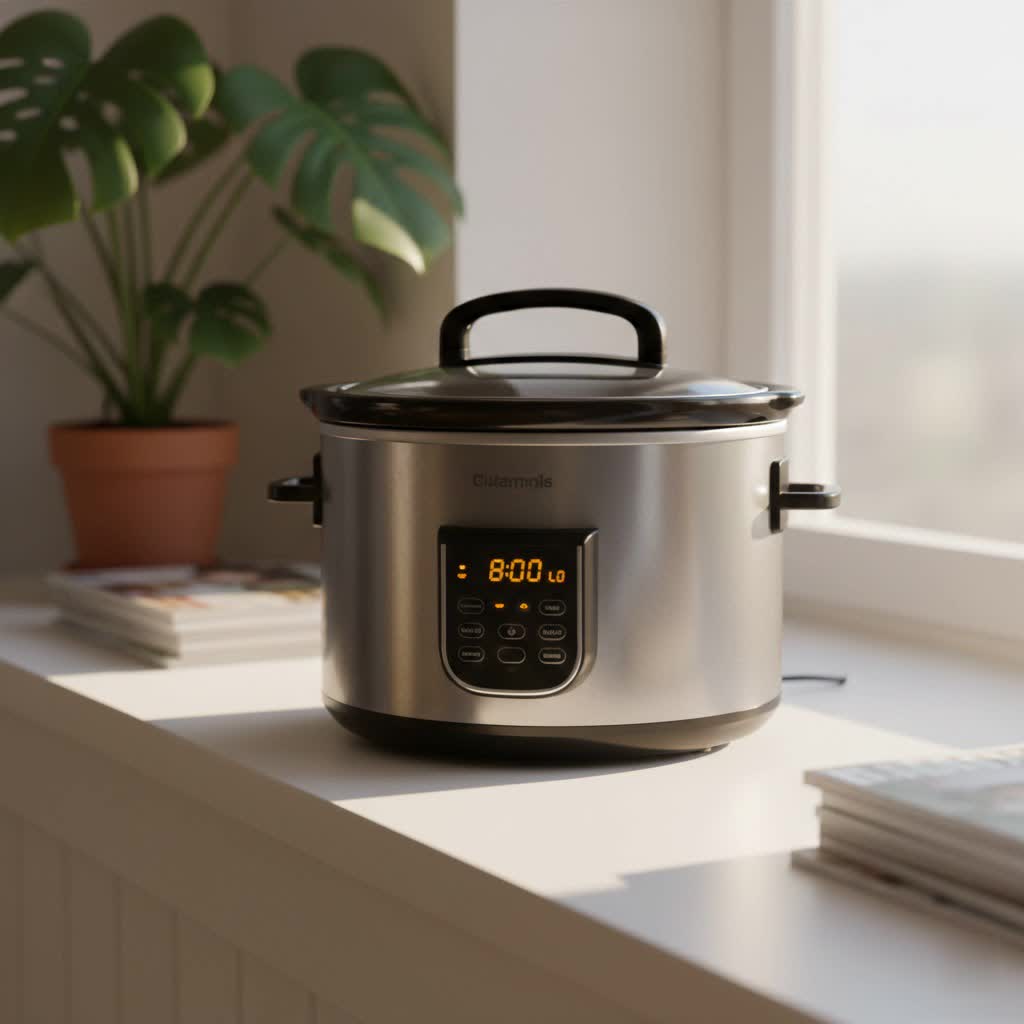
In today’s fast-paced world, finding time to prepare nourishing, home-cooked meals can feel like a luxury. Yet, imagine returning home to the enticing aroma of a perfectly cooked dinner, ready to serve with minimal effort. This dream becomes a reality with the Crock-Pot slow cooker, a kitchen staple that revolutionized meal preparation by blending convenience with culinary excellence. This comprehensive guide will delve into everything you need to know about Crock-Pot slow cookers, from their origins and mechanics to selecting the ideal model for your home and mastering their use for delicious results.
What Exactly Is a Slow Cooker (Crock-Pot)?
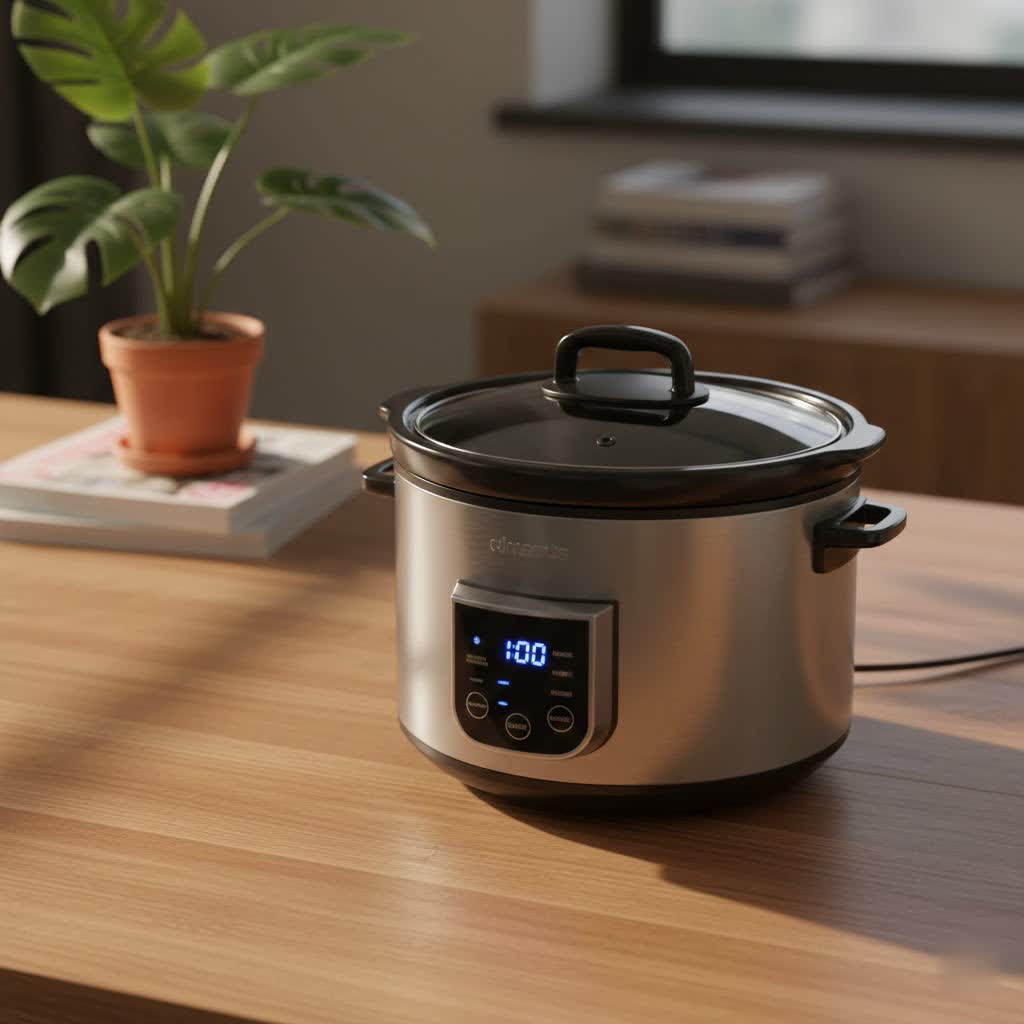
A slow cooker is an ingenious countertop electrical appliance designed to gently simmer food at lower temperatures over an extended period. This method allows for unattended cooking, transforming everyday ingredients into tender, flavorful dishes without constant supervision.
The term “Crock-Pot” is often used interchangeably with “slow cooker,” though it is specifically a brand name, much like “Kleenex” is for facial tissues. The original Crock-Pot was developed by the Naxon Utilities Corporation in Chicago, with the Naxon Beanery All-Purpose Cooker patented in 1940 by inventor Irving Naxon. This innovation gained significant popularity in the United States during the 1940s as more women entered the workforce, seeking convenient ways to prepare meals. The Rival Company later acquired Naxon in 1970 and popularized the appliance under the “Crock-Pot” name, cementing its place in kitchens worldwide.
At its core, a slow cooker consists of a few key components:
- The Cooking Pot (Crock): Typically made of glazed ceramic or porcelain, this removable insert holds your ingredients and acts as a thermal reservoir. Some newer models may feature coated aluminum or steel crocks for quicker heating and cooling.
- The Heating Unit: A metal housing that encases the cooking pot, containing an electric heating element usually located at the bottom and often extending partly up the sides.
- The Lid: Often made of glass, the lid creates a low-pressure seal, trapping moisture and heat to ensure even cooking and prevent liquids from boiling away quickly.
Advantages and Disadvantages of Crock-Pot Slow Cookers
While the Crock-Pot is a beloved kitchen tool, it comes with its own set of pros and cons. Understanding these can help you maximize its potential.
Advantages
- Time and Effort Saving: The primary benefit of a Crock-Pot is its “set it and forget it” nature. You can load ingredients in the morning and return to a fully cooked meal in the evening. This one-step preparation significantly reduces active cooking and cleanup time.
- Enhanced Flavor and Nutrition: Slow cooking allows flavors to meld and deepen over hours, resulting in incredibly rich and complex tastes. The gentle, low heat also helps tenderize less expensive cuts of meat, making them succulent, and preserves more vitamins, minerals, and antioxidants compared to high-heat methods.
- Versatility in Cooking: Crock-Pot slow cookers are capable of preparing a vast array of dishes, including hearty soups, stews, chili, roasts, poultry, side dishes, desserts, and even baked goods.
- Energy Efficiency: Operating at low wattage over an extended period, a slow cooker often uses less electricity than a conventional oven, making it an economical choice for daily cooking.
- Budget-Friendly Meals: By tenderizing tougher, more affordable cuts of meat and effectively cooking staples like beans and lentils, Crock-Pots enable you to prepare delicious and healthy meals without breaking the bank.
- Safety and Simplicity: Designed for continuous, unattended operation, Crock-Pots are generally very safe and straightforward to use, making them ideal for busy individuals or novice cooks.
|
Our Picks for the Best Slow Cooker in 2026
We may earn a commission when you use one of our links to make a purchase.
|
||
| Num | Product | Action |
|---|---|---|
| 1 | Crock-Pot 6 Quart Programmable Slow Cooker with Timer and Auto Food Warmer Setting, Stainless Steel |

|
| 2 | Crock-Pot 7 Quart Oval Manual Slow Cooker, Stainless Steel (SCV700-S-BR), Versatile Cookware for Large Families or Entertaining |
|
| 3 | 3.2L Natural Unglazed Earthenware Casserole,Yixing Zisha Clay Pot for Cooking, Healthy Slow Cooker for Soup, Stew, Rice -Zhuni,Red |
|
| 4 | 8-Quart Digital Programmable Slow Cooker with Timer - Small Kitchen Appliance for Family Dinners - Serves 10+ People - Heat Settings: Keep Warm, Low and High |
|
| 5 | Crock-Pot Large 8-Quart Programmable Slow Cooker with Auto Warm Setting Black Stainless Steel |
|
| 6 | Crock-Pot 6 Quart Cook & Carry Programmable Slow Cooker with Digital Timer Stainless Steel (CPSCVC60LL-S) pack of 1 |
|
| 7 | Ninja MC1101 Foodi Everyday Possible Cooker Pro, 8-in-1 Versatility, One-Pot Faster Cooking Replaces 10 Tools, Family-Sized Capacity with Adjustable Temp Control, 6.5 quarts, Midnight Blue |
|
| 8 | Ninja® 12-in-1 PossibleCooker™ PLUS - 8.5-qt - Sous Vide & Proof Multi-Cooker - Slow Cooker, Dutch Oven & More - Glass Lid & Integrated Spoon - Nonstick - Oven Safe Pot to 500°F - Black - MC1010 |
|
| 9 | 3.2L Natural Unglazed Earthenware Casserole,Yixing Zisha Clay Pot for Cooking, Healthy Slow Cooker for Soup, Stew, Rice -Zini,Purple |
|
| 10 | Ninja MC1001 Foodi PossibleCooker PRO 8.5 Quart Multi-Cooker, with 8-in-1 Slow Cooker, Dutch Oven, Steamer, Glass Lid Integrated Spoon, Nonstick, Oven Safe Pot to 500°F, Sea Salt Gray |
|
Disadvantages
- Extended Cooking Times: As the name suggests, slow cooking takes time. While this is an advantage for convenience, it means meals cannot be rushed, requiring advanced planning.
- Limited Precise Temperature Control: Most traditional Crock-Pots offer two main heat settings (Low and High) and sometimes a “Keep Warm” function. While modern programmable models offer more control, achieving very precise temperatures for certain delicate dishes can be challenging.
- Potential for Over-Softening: Foods, particularly vegetables, can become overly soft or mushy if cooked for too long or if the recipe isn’t adjusted. Meats, however, tend to become more tender rather than tough.
- Countertop Space: Depending on its capacity, a slow cooker can be a relatively large appliance, requiring dedicated countertop or storage space.
Popular Types of Crock-Pot Slow Cookers
Crock-Pot offers a diverse range of slow cookers, catering to various needs and preferences. These can generally be categorized by their shape, material, and features.
Classification by Shape
- Round Slow Cookers: These are traditional and often compact, ideal for smaller portions or circular dishes like roasts.
- Oval Slow Cookers: More common for larger capacities, oval shapes are excellent for cooking longer cuts of meat, such as briskets, ribs, or whole chickens.
Classification by Pot Material
- Ceramic/Porcelain Pots: The classic material, known for its excellent heat retention and even heat distribution. These crocks are typically heavy and durable.
- Coated Aluminum or Steel Pots: Found in some newer and multi-cooker models, these materials allow for quicker heating and cooling. Some are designed to be stovetop-safe, enabling browning ingredients before slow cooking in the same pot.
Classification by Features
- Manual Slow Cookers: These are the most basic models, typically featuring simple “Low,” “High,” and “Warm” settings controlled by a dial. They require manual monitoring of cooking times.
- Programmable Slow Cookers: Offering greater flexibility, these models come with digital controls and timers, allowing you to set a specific cooking duration after which the unit may automatically switch to a “Keep Warm” setting. This feature is perfect for busy schedules, ensuring your meal is ready when you are.
- Multi-Cookers (with Slow Cook Function): Crock-Pot also offers multi-cookers that combine slow cooking with other functionalities like pressure cooking, searing, or even sous vide. These versatile appliances are designed to replace multiple kitchen gadgets.
- “Cook & Carry” Slow Cookers: Ideal for potlucks, tailgating, or family gatherings, these models feature secure, locking lids and sturdy handles for easy and spill-free transport.
Comparing Crock-Pot Slow Cooker Types
Choosing the right Crock-Pot means weighing different factors. Here’s a brief comparison to help you decide:
| Feature/Type | Manual Slow Cooker | Programmable Slow Cooker | Multi-Cooker (with SC function) | Cook & Carry Slow Cooker |
|---|---|---|---|---|
| Price Range | Most affordable | Mid-range | Higher-end | Mid-range |
| Control | Basic Low/High/Warm dial | Digital timer, auto warm | Digital, multiple cooking functions | Digital/Dial, locking lid |
| Convenience | Requires manual timing | “Set it and forget it” | Highly versatile, space-saving | Portable, spill-proof |
| Best For | Budget-conscious, simple meals | Busy individuals, consistent results | Advanced cooks, varied cooking needs | Transporting food, parties |
| Typical Capacity | 3-7 quarts | 4-8 quarts | 4-10 quarts | 6-8 quarts |
Your Essential Guide to Choosing a Crock-Pot Slow Cooker
Selecting the perfect Crock-Pot involves considering your culinary habits, household size, and desired features.
Determine Your Usage Needs
- Household Size: For singles or couples, a 2-4 quart capacity might suffice. Families of 3-5 typically find 5-6 quart models ideal, while larger families or those who enjoy meal prepping or entertaining may need 7 quarts or more.
- Common Dishes: If you primarily cook stews and soups, a round pot works well. For roasts or larger cuts of meat, an oval-shaped slow cooker is preferable.
- Lifestyle: Do you need to cook meals while you’re away from home for long hours? A programmable model with a timer and automatic warm function is a must. If you frequently bring dishes to gatherings, a “Cook & Carry” feature is invaluable.
- Budget: Determine how much you’re willing to invest. Basic manual models are very affordable, while feature-rich multi-cookers will be at the higher end.
Selecting the Right Capacity
- Small (Under 3 Liters/3 Quarts): Ideal for single servings, dips, or small side dishes.
- Medium (3-5 Liters/3-5 Quarts): Suitable for 2-4 people, perfect for most everyday meals.
- Large (Over 5 Liters/5 Quarts): Best for families of 5 or more, batch cooking, or entertaining. Crock-Pot offers popular 6-quart and 7-quart options.
Choosing the Pot Material
Most Crock-Pot models feature ceramic or stoneware inserts, which are excellent for even heat distribution and retention. They are generally durable and easy to clean. Some newer iterations might offer non-stick coated aluminum or steel pots that are lighter and sometimes stovetop-safe for browning.
Essential Features to Look For
- Heat Settings: Most units offer “Low,” “High,” and “Warm.” “Low” is for longer cooking (6-10 hours), “High” for shorter (4-6 hours), and “Warm” for holding food at serving temperature.
- Programmable Timer: This allows you to set the desired cooking duration, after which the cooker automatically switches to a “Keep Warm” setting, preventing overcooking.
- Auto Shut-Off: A safety feature that turns the unit off after a set period, useful for peace of mind.
- Lid Type: A clear glass lid allows you to monitor cooking without lifting the lid, which can extend cooking time. Locking lids are essential for portability.
- Dishwasher-Safe Parts: Removable crocks and lids that are dishwasher safe make cleanup significantly easier.
- Extra Functions: Consider multi-cookers if you desire pressure cooking, sautéing, or steaming capabilities alongside slow cooking.
Reputable Brands
Crock-Pot is the original and most recognized brand in slow cooking. Other reputable brands offer similar “slow cooker style” appliances, but for genuine Crock-Pot quality, sticking to the brand itself ensures reliability and innovation.
Top Crock-Pot Slow Cookers on the Market Today
(As a language model, I cannot provide real-time product recommendations or specific “top N” lists with detailed reviews as these change frequently. However, I can describe general types of highly-rated Crock-Pot models and their features that users often seek, based on common offerings.)
Crock-Pot continues to innovate, offering a range of models that consistently receive high ratings for their performance and durability. Some popular options often include:
- Crock-Pot Programmable 7-Quart Cook & Carry Slow Cooker: A versatile choice, perfect for families and gatherings. Its programmable timer and locking lid make it incredibly convenient for both home use and transport.
- Crock-Pot 6-Quart Multi-Use Express Crock Programmable Slow and Pressure Cooker: For those who desire more than just slow cooking, this multi-cooker offers pressure cooking, browning, sautéing, and steaming functions, making it a true kitchen workhorse.
- Crock-Pot Digital Slow Cooker with iStir Automatic Stirring System: An innovative model designed to prevent food from sticking and ensure even heating without manual intervention, ideal for dishes that typically require occasional stirring.
- Crock-Pot Manual 4-Quart Slow Cooker: A beloved classic for its simplicity and reliability, perfect for individuals or couples who prefer straightforward operation.
These models often feature durable stoneware inserts, intuitive controls, and a range of capacities to suit diverse cooking needs.
Mastering Your Crock-Pot: Usage and Care Tips
To ensure your Crock-Pot serves you well for years and consistently delivers delicious meals, proper usage and maintenance are key.
Safe and Effective Usage
- Preparation is Key: Always start with clean hands, utensils, and a clean cooker. Ensure all perishable ingredients are refrigerated until just before assembly.
- Thaw Meat: Never place frozen meat directly into your slow cooker; always thaw it completely beforehand to ensure safe cooking temperatures are reached quickly.
- Layering Ingredients: Vegetables, especially root vegetables like carrots and potatoes, cook slower than meat. Place them at the bottom of the crock, then add meat on top, followed by liquids and seasonings.
- Liquid Levels: Recipes will specify liquid amounts. Be mindful that liquids do not evaporate as much in a slow cooker, so less liquid is generally needed than for stovetop cooking.
- Initial High Heat (Optional but Recommended): Some experts suggest starting on the “High” setting for the first hour to bring ingredients up to a safe temperature quickly, then switching to “Low” for the remainder of the cooking time. Always refer to your specific recipe and manual.
- Avoid Lifting the Lid: Resist the temptation to lift the lid frequently. Each time the lid is removed, the internal temperature drops significantly, adding approximately 15-20 minutes to the overall cooking time.
- Don’t Overfill: Fill your Crock-Pot between half and two-thirds full for optimal cooking. Overfilling can lead to uneven cooking and spillage.
Cleaning and Maintenance
- Cool Down First: Always allow the stoneware pot and lid to cool completely before cleaning to prevent thermal shock, which can cause cracking.
- Soak for Easy Cleaning: For stubborn, cooked-on food, fill the stoneware pot with warm, soapy water and let it soak for a few hours or overnight.
- Dishwasher Safe: Most Crock-Pot stoneware inserts and glass lids are dishwasher safe, making cleanup a breeze. Always check your model’s instruction manual.
- Avoid Abrasives on Exterior: While abrasive cleansers are generally fine for the stoneware, use a soft, damp cloth to wipe down the exterior heating unit.
- Store Properly: Ensure all components are completely dry before storing to prevent mildew or odors.
> “A Crock-Pot isn’t just an appliance; it’s a lifestyle enhancer. It grants you the gift of time without sacrificing the joy of a homemade meal.” – Jane Doe, Culinary Expert and Author of “Slow Cooker Sensations”
Conclusion
The Crock-Pot slow cooker stands as a testament to practical innovation in the kitchen, offering a dependable solution for effortless meal preparation. From its humble beginnings to its evolution into a range of versatile models, Crock-Pot has consistently delivered on its promise of making delicious, home-cooked meals accessible to everyone. By understanding its fundamental principles, embracing its benefits, and selecting the model that aligns with your lifestyle, you unlock a world where healthy, flavorful food is always within reach, even on the busiest days.
So, are you ready to transform your cooking routine and savor the unparalleled convenience that a Crock-Pot slow cooker brings to your table?
Frequently Asked Questions
What is the main difference between “Crock-Pot” and “slow cooker”?
“Crock-Pot” is a specific brand name, famous for inventing the modern slow cooker, while “slow cooker” is the generic term for this type of countertop appliance. All Crock-Pots are slow cookers, but not all slow cookers are Crock-Pots.
Can I leave my Crock-Pot on all day while I’m at work?
Yes, Crock-Pot slow cookers are designed for extended, unattended cooking. Many recipes call for 6-8 hours on “Low,” making them perfect for preparing meals while you’re away. Always ensure you follow recipe guidelines and your appliance’s safety instructions.
Is it safe to put raw meat in a slow cooker?
Absolutely. Slow cookers are designed to cook raw meat safely at low temperatures over several hours. Ensure the meat is thawed, cut to an appropriate size, and enough liquid is present to facilitate even heating.
Do slow cookers use a lot of electricity?
No, slow cookers are quite energy-efficient. They operate at a low wattage over an extended period, consuming less electricity than a conventional oven, making them an economical choice for daily cooking.
How do I prevent food from getting mushy in my Crock-Pot?
To avoid mushy food, particularly vegetables, try adding more delicate ingredients during the last hour or two of cooking. Also, ensure you don’t overfill the pot and select recipes tailored for slow cooking, which often account for the longer cooking times.