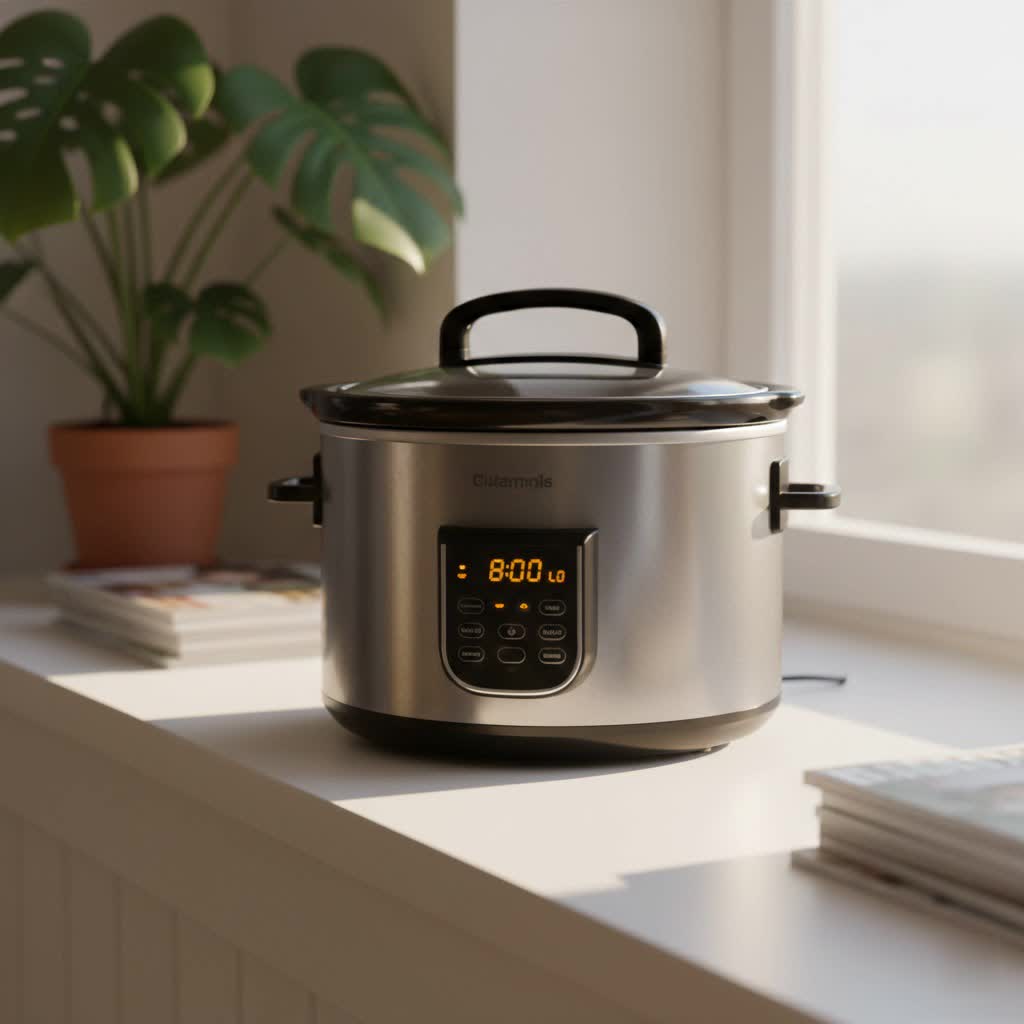
Are you tired of spending hours in the kitchen, striving to create delicious meals after a long day? Imagine stepping into your home greeted by the enticing aroma of a perfectly cooked dinner, ready to be served with minimal effort. This culinary dream is precisely what the humble yet revolutionary slow cooker delivers. As an expert with over a decade immersed in the world of slow cookers, from basic models to smart, modern appliances, I’m here to share invaluable insights to help you navigate this versatile kitchen essential. Let’s explore the multifaceted world of slow cooking, including how this remarkable appliance, often colloquially known as a “crock pot,” can even become your unexpected Bread Crock for delightful homemade loaves.
What is a Slow Cooker?
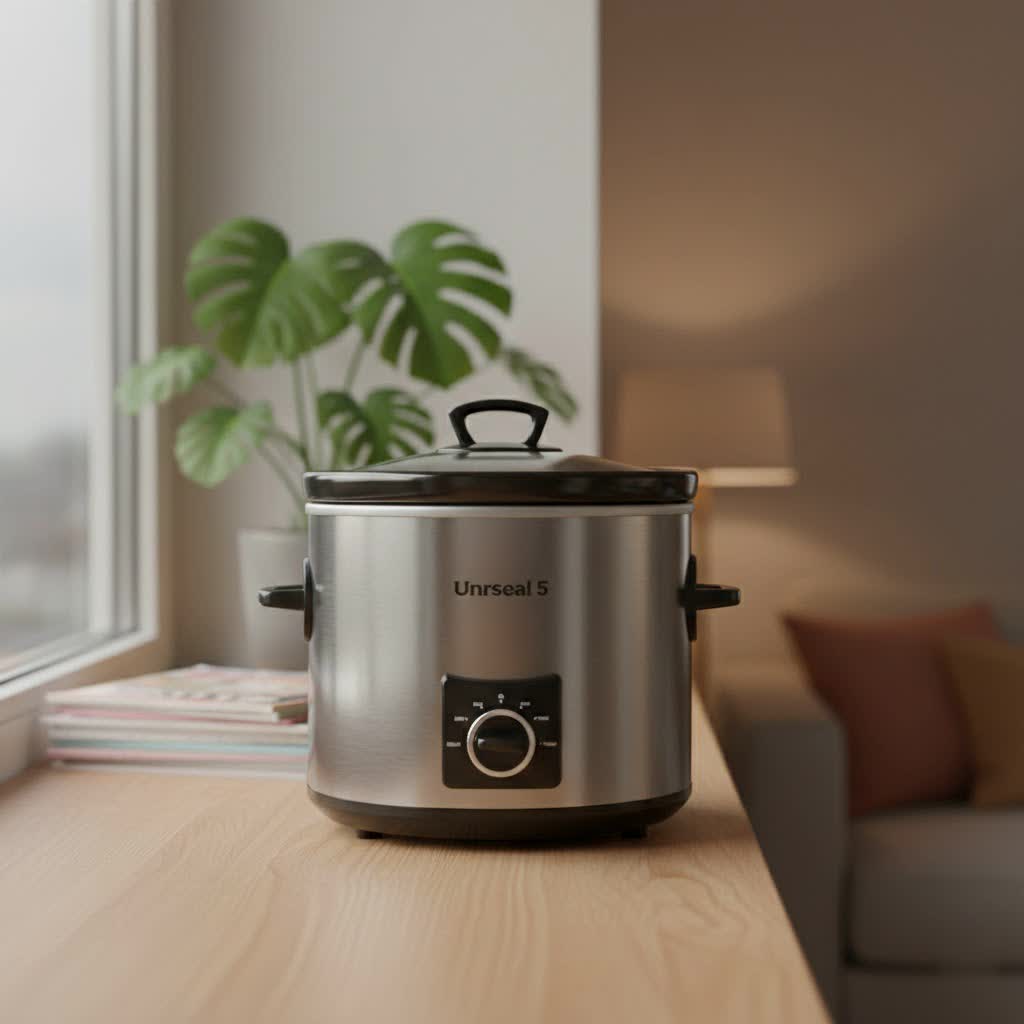
A slow cooker is a countertop electrical appliance designed to simmer food at lower temperatures for extended periods, facilitating unattended cooking. This method transforms tough cuts of meat into tender, fall-off-the-bone dishes and infuses ingredients with deep, rich flavors that develop over hours. The concept of “low and slow” cooking, which forms the core principle of a slow cooker, has roots dating back to the 18th century.
The modern slow cooker as we know it emerged from the ingenuity of Jewish inventor Irving Naxon in the 1930s. Inspired by his grandmother’s tales of preparing cholent, a traditional Jewish stew cooked slowly in a bakery oven during the Sabbath, Naxon developed a portable bean cooker. He patented his device, initially called the “Naxon Beanery,” in 1940. In 1970, Rival Manufacturing acquired Naxon’s patent and rebranded the appliance in 1972 as the “Crock-Pot,” which rapidly gained popularity as working women sought convenient meal solutions.
A typical slow cooker comprises three main components:
- The Outer Casing: Usually made of metal, this houses the low-wattage electric heating element that encircles the inner pot.
- The Inner Container (The Crock): Often a removable pot made of glazed ceramic or stoneware, this is where the food is placed. The heavy material ensures even heat distribution and retention, acting as a thermal reservoir. Some modern versions may feature nonstick coated aluminum or steel.
- The Lid: Typically made of tempered glass, it fits snugly over the crock, trapping steam and moisture. This creates a low-pressure environment where condensation drips back into the food, preventing it from drying out and enhancing flavor.
Advantages and Disadvantages of Slow Cookers
While revered for its convenience, the slow cooker, much like any kitchen appliance, comes with its own set of pros and cons. Understanding these can help you maximize its potential.
Advantages
- Time and Effort Saving: This is arguably the biggest draw. You can simply add ingredients in the morning, set it, and return hours later to a fully cooked meal. This “set-it-and-forget-it” functionality is invaluable for busy individuals and families.
- Flavor and Nutrition Retention: The low, slow cooking process helps to tenderize tougher cuts of meat and allows flavors to meld beautifully. The sealed environment also minimizes the loss of water-soluble nutrients that can occur with other cooking methods, reabsorbing them back into the meal.
- Versatility in Dishes: From savory stews, soups, roasts, and chilis to desserts like cobblers, cakes, and even certain breads, the slow cooker’s applications are surprisingly broad.
- Energy Efficiency: Compared to heating a large oven for several hours, a slow cooker typically uses less electricity over the same period, making it a more energy-efficient option for long cooking tasks.
- Safety and Ease of Use: With simple controls and stable operation, slow cookers are generally safe to leave unattended, providing peace of mind.
|
Our Picks for the Best Slow Cooker in 2026
We may earn a commission when you use one of our links to make a purchase.
|
||
| Num | Product | Action |
|---|---|---|
| 1 | Ninja MC1101 Foodi Everyday Possible Cooker Pro, 8-in-1 Versatility, One-Pot Faster Cooking Replaces 10 Tools, Family-Sized Capacity with Adjustable Temp Control, 6.5 quarts, Midnight Blue |

|
| 2 | Crock-Pot Large 8-Quart Programmable Slow Cooker with Auto Warm Setting Black Stainless Steel |
|
| 3 | Ninja MC1001 Foodi PossibleCooker PRO 8.5 Quart Multi-Cooker, with 8-in-1 Slow Cooker, Dutch Oven, Steamer, Glass Lid Integrated Spoon, Nonstick, Oven Safe Pot to 500°F, Sea Salt Gray |
|
| 4 | 3.2L Natural Unglazed Earthenware Casserole,Yixing Zisha Clay Pot for Cooking, Healthy Slow Cooker for Soup, Stew, Rice -Zini,Purple |
|
| 5 | 8-Quart Digital Programmable Slow Cooker with Timer - Small Kitchen Appliance for Family Dinners - Serves 10+ People - Heat Settings: Keep Warm, Low and High |
|
| 6 | Crock-Pot 6 Quart Cook & Carry Programmable Slow Cooker with Digital Timer Stainless Steel (CPSCVC60LL-S) pack of 1 |
|
| 7 | Ninja® 12-in-1 PossibleCooker™ PLUS - 8.5-qt - Sous Vide & Proof Multi-Cooker - Slow Cooker, Dutch Oven & More - Glass Lid & Integrated Spoon - Nonstick - Oven Safe Pot to 500°F - Black - MC1010 |
|
| 8 | 3.2L Natural Unglazed Earthenware Casserole,Yixing Zisha Clay Pot for Cooking, Healthy Slow Cooker for Soup, Stew, Rice -Zhuni,Red |
|
| 9 | Crock-Pot 7 Quart Oval Manual Slow Cooker, Stainless Steel (SCV700-S-BR), Versatile Cookware for Large Families or Entertaining |
|
| 10 | Crock-Pot 6 Quart Programmable Slow Cooker with Timer and Auto Food Warmer Setting, Stainless Steel |
|
Disadvantages
- Long Cooking Times: The very nature of “slow” cooking means meals aren’t ready quickly. This requires planning ahead.
- Limited Temperature Control: Most traditional slow cookers offer only “Low,” “High,” and “Warm” settings, lacking the precise temperature adjustments available in an oven or on a stovetop.
- Potential for Overcooking: Delicate ingredients like certain vegetables or lean meats can become mushy or dry if left too long. Careful recipe selection and timing are essential.
- Lack of Browning/Crisping: The moist, sealed environment means food won’t brown or crisp naturally. For dishes requiring a crust or sear, an extra step in an oven or on the stovetop might be necessary. This is a key consideration when using your slow cooker as a bread crock, as bread baked solely in it will have a soft crust unless finished under a broiler.
- Size and Countertop Space: Slow cookers can be bulky, occupying significant counter or storage space in smaller kitchens.
Types of Slow Cookers
Slow cookers have evolved considerably, offering various designs and features to suit diverse culinary needs.
Classification by Shape
- Round: These are often smaller in capacity and ideal for soups, stews, dips, and smaller roasts. They fit well in compact spaces.
- Oval: More common for larger capacities, oval slow cookers are excellent for accommodating bigger cuts of meat like whole chickens, briskets, or pot roasts.
- Rectangular: Less common, but some casserole-style slow cookers feature a rectangular shape, which can be useful for dishes that benefit from a wider, shallower cooking surface.
Classification by Material (of the Crock)
- Ceramic/Stoneware: The most traditional and widely used material for the inner crock. It heats slowly and evenly, retaining heat exceptionally well. However, it can be heavy and prone to breakage if dropped. Ceramic crocks are generally not stovetop safe.
- Metal (e.g., Aluminum, Stainless Steel): Found in some modern or multi-cooker models, these inserts are lighter and often have non-stick coatings. They heat up faster than ceramic and some are stovetop-safe, allowing for browning ingredients before slow cooking, which adds depth of flavor. However, they might be more prone to hot spots.
Classification by Features
- Manual: These are the most basic models, typically featuring simple “Off,” “Low,” “High,” and “Warm” settings. They are straightforward to use and generally more affordable.
- Programmable/Digital: Offering more control, these slow cookers allow you to set specific cooking times, after which they often automatically switch to a “Keep Warm” setting. This is perfect for busy schedules, as it prevents overcooking.
- Smart/Wi-Fi Enabled: Representing the cutting edge, these models can be controlled via smartphone apps, allowing you to adjust settings, monitor cooking progress, and even send recipes remotely. This offers ultimate flexibility for modern lifestyles.
- Multi-Cookers with Slow Cooker Function: Appliances like Instant Pots often include a slow cooker setting, alongside pressure cooking, sautéing, steaming, and more. While versatile, their slow cooker function might not always perform as consistently as a dedicated slow cooker due to different lid designs affecting moisture retention.
Comparing Different Slow Cookers
Choosing the right slow cooker can feel daunting with so many options available. Here’s a comparison based on key criteria:
| Criteria | Manual Slow Cooker | Programmable Slow Cooker | Smart Slow Cooker | Multi-Cooker (Slow Cook Function) |
|---|---|---|---|---|
| Price Range | Affordable ($20-$50) | Mid-range ($50-$100) | Higher-end ($100-$200+) | Varies widely ($80-$300+) |
| Ease of Use | Very simple, turn a dial | Simple setup, digital interface | App-controlled, remote management | Can be complex due to multiple functions |
| Features | Low, High, Warm | Timer, Auto Keep Warm, sometimes Delay | Wi-Fi, App Control, Notifications | Pressure Cook, Sauté, Steam, etc. |
| Control | Basic, manual monitoring | Timed cooking, less monitoring required | Remote control, precise timing | Versatile, but slow cook function can vary |
| Crock Material | Typically Ceramic/Stoneware | Typically Ceramic/Stoneware (some metal) | Ceramic/Stoneware or metal (e.g., non-stick) | Metal (often stainless steel with non-stick) |
| Best For | Beginners, basic recipes, budget-conscious | Busy schedules, consistent results | Tech-savvy users, ultimate convenience | Small kitchens, diverse cooking needs |
Buying Guide for Slow Cookers
Selecting the perfect slow cooker, including one that might serve as a bread crock for your baking adventures, involves considering several factors tailored to your lifestyle.
Determine Your Needs
- Family Size: How many people do you typically cook for? A solo individual will need a smaller capacity than a large family or someone who batch cooks.
- Frequent Dishes: Do you mostly make soups and stews, or do you envision larger roasts and even baking bread? This influences shape and capacity.
- Budget: Slow cookers range widely in price. Determine how much you’re willing to invest in features and technology.
Choose the Right Capacity
Slow cookers are measured in quarts or liters.
- Small (1-3 Liters / 1-3 Quarts): Ideal for 1-2 people, dips, appetizers, or side dishes.
- Medium (3-5 Liters / 3-5 Quarts): Suitable for 3-4 people or smaller family meals.
- Large (5+ Liters / 5+ Quarts): Perfect for families of 5 or more, entertaining, batch cooking, or cooking larger cuts of meat and whole chickens. If you plan to use your slow cooker as a bread crock for larger loaves, a 6-quart or larger oval model is recommended.
Select the Crock Material
- Ceramic/Stoneware: Favored for even heat distribution and superior heat retention, resulting in tender, succulent dishes. It’s often preferred for traditional slow cooking and produces a soft, moist bread when used as a bread crock.
- Metal (e.g., Aluminum with non-stick coating): Lighter and more durable, some metal inserts can be used on the stovetop to sear ingredients before slow cooking, adding depth of flavor.
Essential Features
- Cooking Modes: Ensure it has “Low” and “High” settings. A “Keep Warm” function is crucial for serving flexibility.
- Timer: Programmable timers allow you to set the cooking duration, after which the appliance can automatically switch to “Keep Warm.”
- Lid Lock: Useful for portability if you plan to transport your slow cooker for potlucks or parties.
- Child Lock: A safety feature found on some smart or digital models.
Reputable Brands
Established brands often offer reliability and customer support. Look for options from:
- Crock-Pot: The original and most recognized brand, offering a wide range of basic to advanced models.
- Hamilton Beach: Known for reliable and affordable slow cookers with practical features.
- Cuisinart: Offers higher-end models, often with multi-cooker capabilities and sleek designs.
- Instant Pot: While primarily a pressure cooker, many models include a slow cook function, offering versatility.
- Ninja: Produces multi-cookers that often incorporate robust slow cooking capabilities.
Top 5 Slow Cookers for Modern Kitchens
Today’s market boasts an impressive array of slow cookers, each with unique strengths. Here are some top considerations, reflecting different needs and preferences:
- Hamilton Beach Programmable Slow Cooker (e.g., Set & Forget Series): Praised for its reliability and value, often featuring a probe thermometer for precise temperature cooking, which is excellent for meats. Its programmable nature makes it a household favorite for busy families.
- Crock-Pot Programmable Slow Cooker (various models): The iconic brand continues to deliver. Many of their programmable models offer generous capacity and essential features, making them a solid choice for everyday use and larger gatherings.
- Cuisinart 3-in-1 Cook Central Multi-Cooker: For those seeking versatility, this appliance goes beyond just slow cooking, offering sauté/brown and steam functions in a single unit. This allows for one-pot meal preparation, including searing meats before slow cooking to enhance flavor.
- Instant Pot Multi-Use Pressure Cooker (with Slow Cook function): A powerhouse in the kitchen, its slow cook setting provides a convenient option for users who also value pressure cooking and other functions, ideal for space-saving.
- GreenLife Ceramic Slow Cooker: For health-conscious cooks, models like GreenLife’s offer non-toxic, PFAS-free ceramic inserts, ensuring a healthier cooking experience while delivering excellent heat distribution and retention.
How to Use and Care for Your Slow Cooker
Proper usage and maintenance are key to ensuring your slow cooker remains a dependable kitchen ally for years, whether you’re making a hearty stew or using it as a bread crock.
Safe and Effective Usage
- Fill Levels: Always fill your slow cooker between half and two-thirds full. Under-filling can lead to overcooking or uneven results, while overfilling can cause spills and prevent proper cooking.
- Preheating (Optional): While not always necessary, some recipes recommend preheating the slow cooker on high for 20 minutes before adding ingredients, especially for dishes with shorter cooking times or when using a larger capacity.
- Lid Management: Resist the urge to frequently lift the lid, as this releases heat and moisture, significantly extending cooking times. Each peek can add 20-30 minutes to your cooking process.
- Food Safety: Ensure all meat is thawed before adding it to the slow cooker. Cut food into uniform pieces for even cooking.
- Using as a Bread Crock: When baking bread in your slow cooker, line the bottom and sides of the ceramic insert with parchment paper. This prevents sticking and makes lifting the bread out easier. Placing a kitchen towel or a few paper towels under the lid can absorb excess condensation, preventing a soggy top on your bread.
Cleaning and Maintenance
- Cool Down First: Always turn off and unplug your slow cooker and allow it to cool completely before cleaning.
- Removable Parts: The ceramic or stoneware insert (the crock) and glass lid are typically dishwasher-safe. For handwashing, use hot, soapy water and a soft sponge.
- Stubborn Stains: For baked-on food or residue, fill the crock with warm water, add a few drops of dish soap, and set it to low for 1-2 hours. The heat will loosen the grime, making it easier to scrub clean. A paste of baking soda and water can also gently scour tough spots.
- Exterior Cleaning: Wipe down the outer heating base with a damp cloth. Never immerse the electrical heating base in water or any other liquid.
- Avoid Abrasives: Do not use abrasive cleaners or scouring pads on the crock or lid, as they can scratch the surfaces.
Common Issues and Troubleshooting
- Food Undercooked: Ensure the slow cooker is filled correctly (not too full), the lid is sealed tightly, and you haven’t lifted it too often. Verify the cook setting (Low vs. High) aligns with the recipe.
- Food Overcooked/Mushy: This often occurs with too much liquid or if delicate ingredients are cooked for too long. Adjust liquid quantities and add softer vegetables later in the cooking cycle.
- Stains on Crock: Mineral deposits or food stains can be removed with a mixture of white vinegar and water (e.g., a 1:1 ratio) left to soak, or by using the “cook-off” method described above with baking soda and dish soap.
Conclusion
The slow cooker is a testament to the idea that convenience doesn’t have to sacrifice quality. From comforting stews and succulent roasts to surprisingly delicious homemade bread baked right in its “crock,” this appliance offers a pathway to effortless, flavorful meals. By understanding its mechanics, choosing the right model for your needs, and maintaining it properly, you unlock a world of culinary possibilities that simplify your daily routine and delight your taste buds.
Why not let a slow cooker revolutionize your kitchen experience and bring the joy of home-cooked meals back into your busy life?
Frequently Asked Questions
Can you really bake bread in a slow cooker?
Yes, you can bake bread in a slow cooker! While it won’t produce a crispy crust like an oven, a slow cooker yields a soft, moist loaf, perfect for sandwiches or with soup. Line the crock with parchment paper and often use the “High” setting for about 2-2.5 hours.
Is a “bread crock” the same as a slow cooker?
While “Crock-Pot” is a brand name for a slow cooker, and some people refer to the ceramic insert as a “crock,” a traditional “bread crock” can also refer to a ceramic container specifically designed for storing bread to keep it fresh. In the context of baking, a slow cooker’s internal “crock” can indeed function as a baking vessel for bread.
How does a slow cooker keep food from burning?
Slow cookers operate at consistently low temperatures, typically between 170°F and 280°F, and maintain a moist environment by trapping steam with a tight-fitting lid. This gentle, even heat prevents food from rapidly drying out or burning, allowing for long cooking times without constant supervision.
What’s the ideal slow cooker size for a family of four?
For a family of four, a slow cooker with a capacity of 4 to 6 quarts (approximately 3.5 to 5.5 liters) is generally ideal. This size provides enough room for family-sized meals and often allows for some leftovers or batch cooking.
Are ceramic or metal slow cooker inserts better?
Ceramic or stoneware inserts are preferred for traditional slow cooking due to their excellent heat retention and even cooking, producing tender results. Metal inserts (often aluminum with non-stick coatings) heat faster and can sometimes be used on the stovetop for browning, offering more versatility, but may have less even heat distribution.