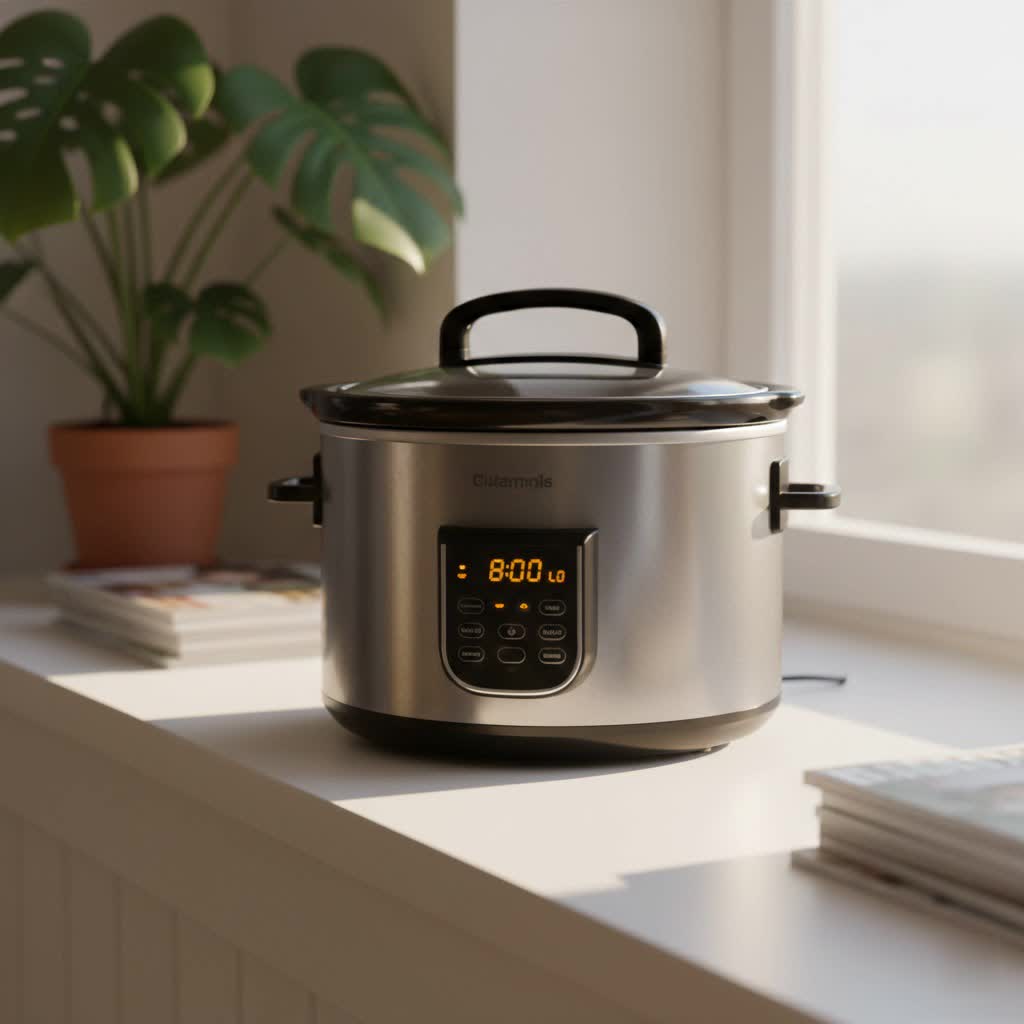
In the bustling world of professional kitchens, where efficiency meets culinary excellence, the Commercial Crock Pot stands as an unsung hero. Far beyond its humble domestic counterpart, a commercial slow cooker is a robust, high-capacity workhorse designed to manage the rigorous demands of restaurants, catering events, and buffets. If you’re looking to consistently deliver tender, flavor-rich dishes with minimal active oversight, understanding these specialized appliances is key. This comprehensive guide will navigate the intricacies of commercial slow pots, helping you select the perfect unit to elevate your kitchen’s output and streamline your operations.
What is a Commercial Slow Cooker?
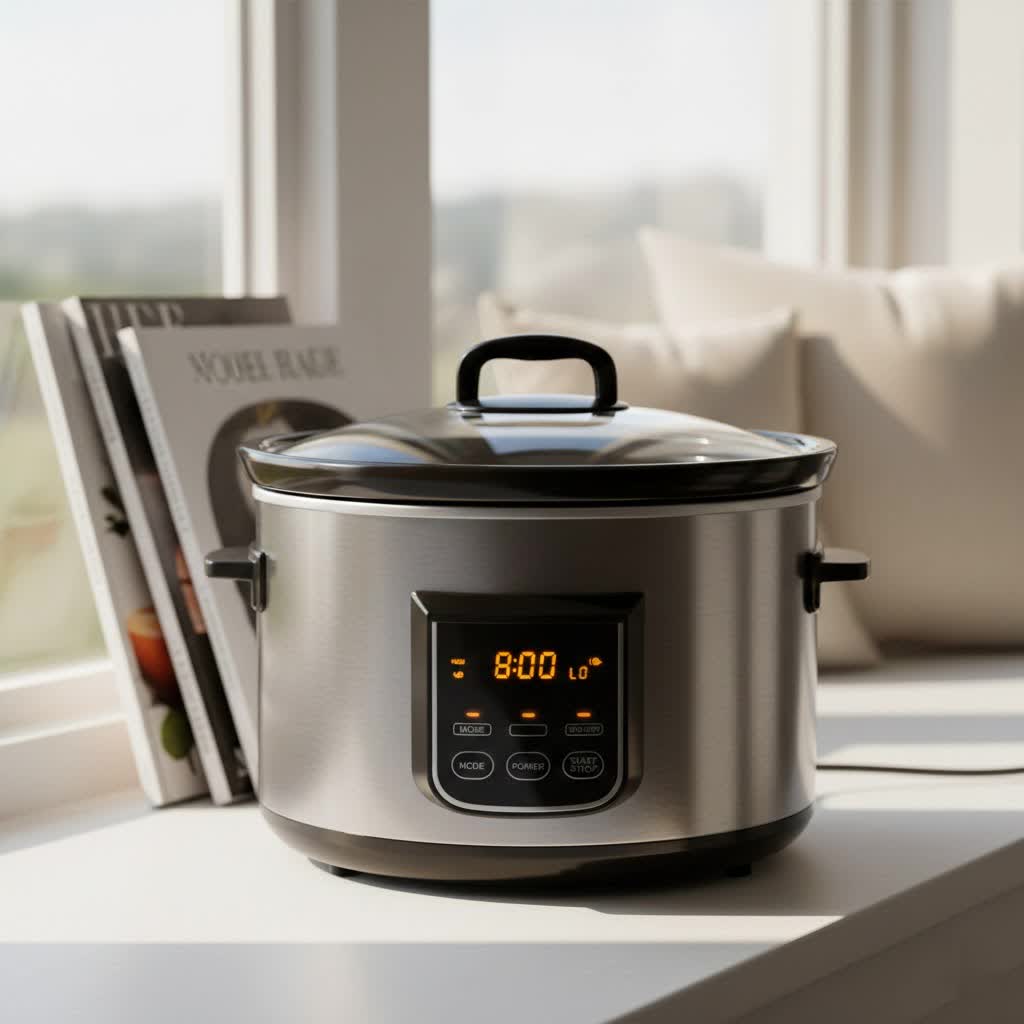
A commercial slow cooker, often referred to as an industrial or professional slow cooker, is a heavy-duty kitchen appliance specifically engineered for high-volume food preparation and holding in commercial settings. Unlike standard home models, these units prioritize durability, consistent performance, and larger capacities to meet the continuous demands of busy environments. Their core function is to cook food slowly at low, consistent temperatures over extended periods, a method that excels at tenderizing tough cuts of meat and blending flavors deeply, ensuring a delicious and uniform result every time.
The operating principle of a slow cooker revolves around gentle, prolonged heat. A heating element warms the space between an outer housing and a removable inner pot, allowing food to simmer below boiling point. This method prevents burning, locks in moisture, and develops complex flavors that fast cooking cannot achieve. The evolution of these appliances from simple household items to commercial necessities highlights their adaptability and the undeniable benefits of slow cooking on a larger scale.
Key components of a commercial slow cooker include:
- Outer Housing: Typically constructed from durable materials like stainless steel, designed to withstand the wear and tear of a commercial kitchen.
- Removable Inner Pot: Often made from ceramic, stoneware, or stainless steel, this is where the food is placed for cooking. Its material choice impacts heat distribution and ease of cleaning.
- Heating Element: Positioned at the base and sometimes around the sides, it provides the low, consistent heat required for slow cooking.
- Lid: Usually made of tempered glass for visibility or stainless steel for durability, often featuring secure-fitting or locking mechanisms to prevent heat and moisture loss, crucial for food safety and flavor in a commercial setting.
- Control Panel: Ranging from simple manual dials to advanced digital interfaces, these controls allow for temperature adjustment, programming, and timer settings.
Advantages and Disadvantages of Commercial Slow Cookers
Commercial slow cookers offer significant benefits for professional kitchens, but it’s also important to be aware of their limitations to integrate them effectively into your culinary workflow.
Advantages
These appliances can be a game-changer for businesses aiming for efficiency and consistent quality. They excel at transforming ingredients into delicious meals with minimal hands-on effort.
- Time and Labor Saving: Once ingredients are prepped and added, the slow cooker operates largely unsupervised, freeing up kitchen staff to focus on more complex tasks. This “set it and forget it” approach dramatically boosts kitchen efficiency, especially during peak hours.
- Flavor and Nutrition Retention: Slow, even heat gently breaks down connective tissues in meats, resulting in incredibly tender textures. This cooking method also allows flavors to meld beautifully and helps to preserve nutrients that might be lost with faster, high-heat cooking.
- Versatility in Menu: From hearty stews and chilis to succulent pulled pork, savory hot dips, and flavorful sauces, a commercial slow cooker can prepare a vast array of dishes. It’s an invaluable tool for expanding menu options without overcomplicating kitchen processes.
- Safety and Ease of Use: Designed with professional environments in mind, many commercial models include cool-touch handles, secure lids, and automatic shut-off functions. Their straightforward operation ensures that even less experienced staff can use them safely and effectively.
- Energy Efficiency: Compared to continuously running an oven for long cooking periods, slow cookers generally consume less energy. This can lead to cost savings over time, making them an economically sound choice for continuous cooking needs.
- Ideal for Holding Temperatures: A standout feature for catering and buffet services, commercial slow cookers excel at keeping food warm and ready to serve for extended periods without overcooking or compromising quality.
|
Our Picks for the Best Slow Cooker in 2026
We may earn a commission when you use one of our links to make a purchase.
|
||
| Num | Product | Action |
|---|---|---|
| 1 | 3.2L Natural Unglazed Earthenware Casserole,Yixing Zisha Clay Pot for Cooking, Healthy Slow Cooker for Soup, Stew, Rice -Zhuni,Red |

|
| 2 | Ninja MC1101 Foodi Everyday Possible Cooker Pro, 8-in-1 Versatility, One-Pot Faster Cooking Replaces 10 Tools, Family-Sized Capacity with Adjustable Temp Control, 6.5 quarts, Midnight Blue |
|
| 3 | Crock-Pot 7 Quart Oval Manual Slow Cooker, Stainless Steel (SCV700-S-BR), Versatile Cookware for Large Families or Entertaining |
|
| 4 | Crock-Pot 6 Quart Cook & Carry Programmable Slow Cooker with Digital Timer Stainless Steel (CPSCVC60LL-S) pack of 1 |
|
| 5 | Crock-Pot Large 8-Quart Programmable Slow Cooker with Auto Warm Setting Black Stainless Steel |
|
| 6 | Ninja® 12-in-1 PossibleCooker™ PLUS - 8.5-qt - Sous Vide & Proof Multi-Cooker - Slow Cooker, Dutch Oven & More - Glass Lid & Integrated Spoon - Nonstick - Oven Safe Pot to 500°F - Black - MC1010 |
|
| 7 | Crock-Pot 6 Quart Programmable Slow Cooker with Timer and Auto Food Warmer Setting, Stainless Steel |
|
| 8 | 8-Quart Digital Programmable Slow Cooker with Timer - Small Kitchen Appliance for Family Dinners - Serves 10+ People - Heat Settings: Keep Warm, Low and High |
|
| 9 | Ninja MC1001 Foodi PossibleCooker PRO 8.5 Quart Multi-Cooker, with 8-in-1 Slow Cooker, Dutch Oven, Steamer, Glass Lid Integrated Spoon, Nonstick, Oven Safe Pot to 500°F, Sea Salt Gray |
|
| 10 | 3.2L Natural Unglazed Earthenware Casserole,Yixing Zisha Clay Pot for Cooking, Healthy Slow Cooker for Soup, Stew, Rice -Zini,Purple |
|
Disadvantages
While highly beneficial, commercial slow cookers do come with certain operational considerations. Understanding these can help you mitigate potential issues and maximize their utility.
- Long Cooking Times: By definition, slow cooking requires significant time, often several hours. This necessitates advanced meal planning and is not suitable for spontaneous or rapid meal preparation.
- Limited Browning or Searing Capabilities: Traditional slow cookers do not achieve the high temperatures needed for browning meats or sautéing vegetables, which are crucial for developing deep flavors and textures. Many recipes will require these steps to be completed separately on a stovetop before transferring to the slow cooker, adding an extra step.
- Challenges with Precise Temperature Control: While commercial units offer better control than basic home models, some slow cookers may still lack the granular temperature adjustments needed for highly sensitive recipes. This can sometimes lead to variations in cooking results if not carefully managed.
- Potential for Overcooking: If not monitored or if a recipe is left too long, food can become overly soft or mushy, especially delicate ingredients like certain vegetables or pasta. Selecting the right cooking time and temperature is crucial to avoid this.
- Size and Storage Requirements: Commercial slow cookers are typically much larger than their home counterparts, demanding substantial counter and storage space. This can be a consideration for kitchens with limited square footage.
- Initial Investment: Commercial-grade slow cookers generally have a higher upfront cost compared to residential models due to their larger capacity, robust construction, and advanced features designed for rigorous use.
Types of Commercial Slow Cookers
Commercial slow cookers come in various forms, each suited for different kitchen needs and serving styles. Understanding these distinctions is crucial for selecting the model that best aligns with your operations.
Classification by Shape
The shape of a slow cooker often dictates the types of dishes it can accommodate most effectively.
- Round: These are traditional and versatile, excellent for preparing large batches of soups, stews, chili, or hot dips. Their even heat distribution works well for liquid-based dishes.
- Oval: Ideal for larger cuts of meat like whole chickens, briskets, pork shoulders, or roasts. The elongated shape allows for uniform cooking of irregularly shaped ingredients.
- Rectangular: Often found in buffet servers, rectangular slow cookers are perfect for casseroles, lasagna, or serving multiple dishes side-by-side. Their shape optimizes space efficiency on serving lines.
Classification by Material
The material of the inner pot is a significant factor, influencing heat retention, durability, and cleaning.
- Ceramic/Stoneware: Known for excellent heat retention and even heat distribution, ceramic or stoneware inserts cook food gently and consistently. They are also often aesthetically pleasing, making them suitable for direct tabletop serving. However, they are heavier and more susceptible to thermal shock or breakage.
- Stainless Steel: Lightweight and exceptionally durable, stainless steel inserts are common in commercial multi-cookers. They heat up faster and are less prone to breaking. Some stainless steel pots are designed for stovetop searing before slow cooking, adding versatility.
Classification by Features
Modern commercial slow cookers boast a range of features that enhance functionality and user convenience.
- Manual Slow Cookers: These are the most basic, typically offering “Low,” “High,” and “Warm” settings. They are reliable, cost-effective, and straightforward to operate, making them suitable for simple, long-duration cooking tasks.
- Programmable/Digital Slow Cookers: Offering advanced control, these models usually feature digital displays, precise temperature settings, delay start timers, and automatic switch-to-warm functions. They provide greater flexibility for managing cooking schedules and ensuring food is ready exactly when needed.
- Multi-Cookers (with Slow Cook Function): These highly versatile appliances combine slow cooking with other functions such as searing, sautéing, steaming, and even pressure cooking. While they offer comprehensive cooking solutions, their complexity might require more training for staff.
- Buffet Slow Cookers: Designed specifically for serving, these units often feature multiple smaller crocks within a single heating base. They are perfect for buffets, allowing different dishes or sauces to be kept warm simultaneously at various temperatures.
Comparing Commercial Slow Cooker Types
Selecting the right commercial slow cooker involves weighing various factors. Here’s a comparative overview of common types to guide your decision-making.
| Feature / Type | Ceramic/Stoneware Insert Slow Cooker | Stainless Steel Insert Slow Cooker | Multi-Cooker (with Slow Cook) | Buffet-Style Slow Cooker |
|---|---|---|---|---|
| Material | Heavy, porous ceramic/stoneware | Durable, non-porous stainless steel | Stainless steel or non-stick | Ceramic or stainless steel |
| Heat Retention | Excellent | Good | Variable | Good |
| Durability | Prone to chipping/cracking | Highly durable, shatter-resistant | Highly durable | Moderate to good |
| Ease of Cleaning | Hand wash recommended, can be heavy | Often dishwasher-safe | Dishwasher-safe components | Usually dishwasher-safe crocks |
| Temperature Control | Often manual or basic digital | Manual or advanced digital | Highly advanced digital | Manual per crock, or overall digital |
| Additional Features | Basic, sometimes programmable | Basic, sometimes programmable | Sauté, sear, pressure cook, etc. | Multiple independent crocks |
| Best Use Case | Long, slow braises; serving | Everyday heavy-duty cooking; browning | Versatile cooking; space saving | Keeping multiple dishes warm for serving |
| Typical Capacity | 6-10 quarts | 6-20+ quarts | 6-8 quarts | 1.5-2.5 quarts per crock |
| Price Range | Moderate | Moderate to High | High | Moderate |
Choosing the Right Commercial Slow Cooker (Buying Guide)
Making an informed decision about a commercial slow cooker is an investment in your kitchen’s efficiency and your culinary output. Consider these factors carefully.
Assessing Your Operational Needs
Before diving into specific models, evaluate your business’s unique requirements. What you need for a bustling restaurant buffet will differ from a small catering operation.
- Volume & Scale of Production: How many servings do you need to prepare at once? Consider the average number of customers or guests you serve daily or per event. Are you batch cooking for future use, or serving continuously?
- Types of Dishes: Will you primarily be making large quantities of soup and chili, or do you need to prepare substantial roasts and larger cuts of meat? The consistency and density of your most frequent dishes will influence your choice.
- Available Space: Commercial kitchens are often constrained by space. Measure your available countertop and storage areas to ensure the unit you choose will fit comfortably without hindering other operations.
- Budgetary Constraints: Determine your budget range. While commercial-grade equipment can be a significant investment, balancing cost with features and durability is essential for long-term value.
Selecting the Appropriate Capacity
Capacity is one of the most critical factors for commercial use. Choosing the right size ensures you can meet demand without running multiple, inefficient smaller units.
- Small (2-4 quarts): While less common for primary cooking in commercial settings, these sizes are excellent for keeping sauces, gravies, cheese dips, or small side dishes warm for service.
- Medium (5-8 quarts): Suitable for smaller catering events, a single entrée for a modest restaurant, or for preparing substantial sides. This range can handle a small roast or a good batch of soup.
- Large (8+ quarts, up to 20+ quarts): This is the typical range for true commercial slow cookers. Essential for large batch cooking, catering major events, preparing full-size briskets or pork shoulders, and serving soups or stews for numerous patrons. Many operations benefit from multiple large units.
Material Considerations
The construction materials directly impact a slow cooker’s performance, longevity, and maintenance.
- Durability: For heavy commercial use, stainless steel is often preferred for its resistance to dents, scratches, and rust. It can withstand the bumps and knocks of a busy kitchen environment.
- Heat Distribution and Retention: Ceramic or stoneware inserts are renowned for their superior heat retention and even heat distribution, which results in consistently cooked food. Stainless steel heats faster but may not hold heat as long.
- Cleaning Ease: Non-stick coatings can simplify cleanup, but their durability in commercial settings can be a concern. Stainless steel and some ceramic inserts are often dishwasher-safe, which is a major time-saver.
Essential Features for Commercial Use
Beyond basic cooking, certain features are paramount for commercial efficiency and food safety.
- Accurate Temperature Control: Critical for food safety, consistent cooking results, and preventing spoilage. Look for models with precise temperature settings rather than just “low” and “high.”
- Programmable Settings and Timers: Automation is key in a commercial kitchen. Timers, delay start options, and automatic switch-to-warm functions allow for unattended operation, optimizing staff time.
- “Keep Warm” Function: An absolute necessity for buffets, catering, and prolonged service periods to maintain food at safe and palatable serving temperatures without overcooking.
- Safety Features: Cool-touch handles protect staff from burns, and secure or locking lids prevent spills and maintain food temperature during transport or service. Automatic shut-off features are also valuable.
- Portability (if applicable): For catering businesses, features like sturdy handles, lid locks, and a lightweight design are crucial for safe and easy transport of prepared dishes.
- Ease of Cleaning: Removable, dishwasher-safe components greatly reduce cleaning time, which is precious in a commercial kitchen.
Reputable Commercial Slow Cooker Brands
When choosing a commercial slow cooker, reliability is paramount. Look for brands with a track record of producing durable, high-performance equipment. While specific brand recommendations can vary based on region and availability, generally seek out manufacturers known for commercial kitchen appliances. These brands often offer better warranties, readily available replacement parts, and potentially NSF certification, which is a key indicator that the equipment meets strict public health standards for design and sanitation. Prioritize robust construction, consistent heating elements, and user-friendly controls.
Top Commercial Slow Cooker Considerations
Investing in a commercial slow cooker means thinking about long-term value and operational integration. Here are some overarching considerations to ensure you make the best choice.
- Capacity is King: Always err on the side of slightly larger capacity than you initially estimate, especially if you anticipate growth or want the flexibility for batch cooking.
- Durability for the Demands: Commercial kitchens are tough environments. Choose materials and construction that can withstand daily heavy use, frequent cleaning, and potential knocks. Stainless steel exteriors and robust inserts are generally preferred.
- Precision and Consistency: For food safety and quality, consistent and accurate temperature control is non-negotiable. Look for advanced heating elements and reliable thermostats.
- Ease of Maintenance: How easy is it to clean? Dishwasher-safe parts are a huge advantage. Also, consider the availability of spare parts and service.
- Multi-Functionality vs. Simplicity: Decide if you need a dedicated slow cooker or a multi-cooker that offers additional functions like searing or pressure cooking. While multi-functional units save space, dedicated slow cookers can be more straightforward for staff.
- Safety Certifications: For true commercial applications, look for certifications like NSF, which assure that the equipment meets high standards for public health protection.
How to Use and Maintain Your Commercial Slow Cooker
Proper use and diligent maintenance are key to maximizing the lifespan and performance of your commercial slow cooker, ensuring food safety and consistent culinary results.
Safe and Effective Operation
Mastering the use of your commercial slow cooker involves more than just plugging it in. These tips ensure optimal performance and food safety.
- Pre-heating: For some recipes, particularly those with raw meat, pre-heating the slow cooker insert can help it reach cooking temperature faster and more consistently, improving food safety.
- Fill Level Guidelines: For optimal cooking, fill your slow cooker at least half full, but never more than two-thirds to three-quarters full. Overfilling can lead to uneven cooking or spills, while underfilling can cause food to overcook or burn.
- Lid Management: The lid is crucial for maintaining heat and moisture. Avoid lifting it frequently, as each peek can drop the internal temperature significantly, extending cooking times by up to 30 minutes.
- Food Safety Practices: Always ensure ingredients are handled hygienically. For meats, use a food thermometer to confirm they reach safe internal temperatures. Do not use the “Warm” setting for initial cooking or reheating, only for holding already cooked food at safe temperatures (above 140°F / 60°C).
- Recipe Adaptation: Slow cookers retain a lot of moisture, so you often need less liquid than conventional recipes. Adjust your liquids, especially for soups and stews, to prevent watery results.
Cleaning and Care
Regular and correct cleaning prevents bacterial growth and extends the life of your appliance.
- Immediate Cleaning: Clean the inner pot and lid immediately after each use. Food residue can become difficult to remove if left to dry.
- Dishwasher-Safe Components: If the inner pot and lid are dishwasher-safe, utilize this for maximum efficiency in a commercial kitchen.
- Hand Washing Best Practices: For oversized or delicate inserts, hand washing with warm, soapy water is best. Use a non-abrasive sponge or cloth to protect interior surfaces.
- Avoiding Thermal Shock: If your slow cooker has a ceramic or stoneware insert, always allow it to cool completely before washing it with cold water. Sudden temperature changes can cause cracking.
- Exterior Care: Wipe down the heating base and exterior housing with a damp cloth to remove any splatters or dust. Ensure no water enters the electrical components.
- Proper Storage: Store your clean and dry slow cooker in a stable, secure location to prevent accidental damage.
Common Issues and Troubleshooting
Even robust commercial appliances can encounter minor issues. Knowing how to troubleshoot can save time and prevent disruptions.
- Food Not Cooking Properly: Check that the slow cooker is plugged in and receiving power. Ensure the temperature setting is correct for your recipe and that the lid is securely in place. Verify the fill level is within recommended limits.
- Food Burning or Sticking: This often indicates too little liquid, a setting that is too high for the duration, or a faulty heating element. Add more liquid, use the “Low” setting for longer cooks, and ensure the pot is not overfilled.
- Lid Condensation: Some condensation under the lid is normal and helps keep food moist. However, excessive condensation might mean too much liquid in your recipe. If food seems diluted, you can reduce liquids slightly next time or thicken with cornstarch or flour at the end of cooking.
- Appliance Not Heating: If the unit fails to heat up, check the power cord, electrical outlet, and ensure the controls are set correctly. If the issue persists, it might indicate a problem with the heating element or thermostat, requiring professional service.
Conclusion
The commercial crock pot is an indispensable tool for any professional kitchen aiming for efficiency, consistency, and exceptional flavor. From its robust construction and generous capacity to its ability to streamline operations and ensure food safety, a commercial slow cooker provides unparalleled value. By carefully considering your operational needs, selecting the appropriate size and material, and prioritizing essential features like accurate temperature control and ease of cleaning, you can make an investment that pays dividends in both culinary quality and kitchen productivity. Embracing the power of slow cooking in a professional context allows you to deliver tender, flavorful dishes consistently, freeing up valuable staff time and enhancing your establishment’s reputation for delicious, reliably prepared meals. How will a commercial slow cooker transform your kitchen operations?
Frequently Asked Questions
What differentiates a commercial slow cooker from a home model?
Commercial slow cookers typically feature larger capacities, more robust construction, enhanced durability, and often more precise temperature controls to meet the demands of high-volume, continuous use in professional environments. They prioritize longevity and consistent performance over aesthetic design, sometimes incorporating features like NSF certification.
Can I sear meat directly in a commercial slow cooker?
While most traditional slow cookers are not designed for searing, some modern multi-cookers that include a slow cook function offer a “sauté” or “sear” setting, allowing you to brown ingredients directly in the pot before slow cooking. For traditional models, searing meat separately on a stovetop is recommended to build flavor.
How do I prevent food from overcooking in a commercial slow cooker?
To prevent overcooking, choose the correct temperature setting (Low is generally preferred for longer cooks), ensure proper fill levels (half to two-thirds full), and monitor cooking times, especially when adapting recipes. Some programmable models offer a “