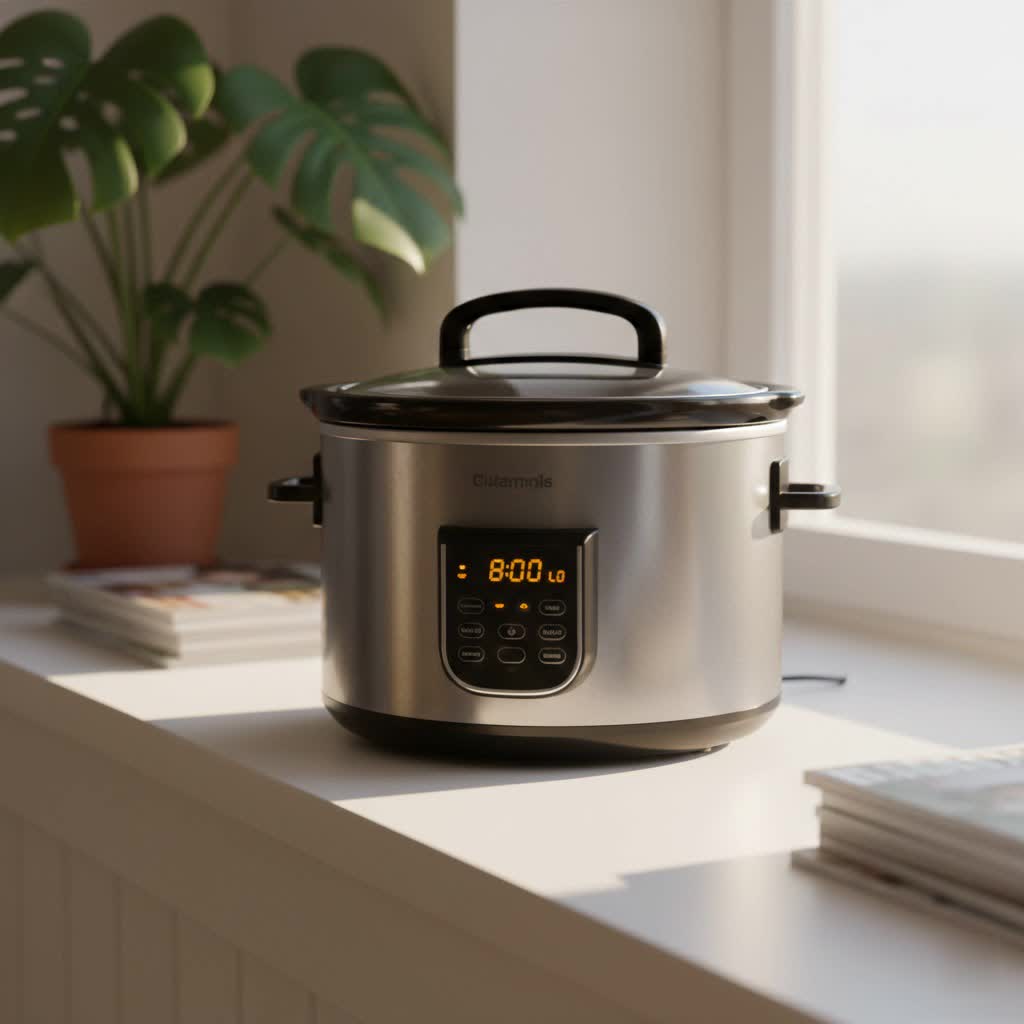
In today’s fast-paced world, finding time to prepare nutritious, home-cooked meals can feel like an impossible task. We often juggle careers, family commitments, and personal lives, leaving little energy for elaborate kitchen endeavors. This is where the magic of slow cooking, championed by communities like the Crock-Pot Ladies, truly shines. It offers a liberating solution, transforming complex recipes into simple, hands-off processes, allowing you to reclaim your evenings without sacrificing flavor or quality. If you’re seeking to bring comforting, delicious meals to your table with minimal fuss, understanding the world of slow cooking and resources dedicated to it is your first step.
What is a Slow Cooker (Crock-Pot)?
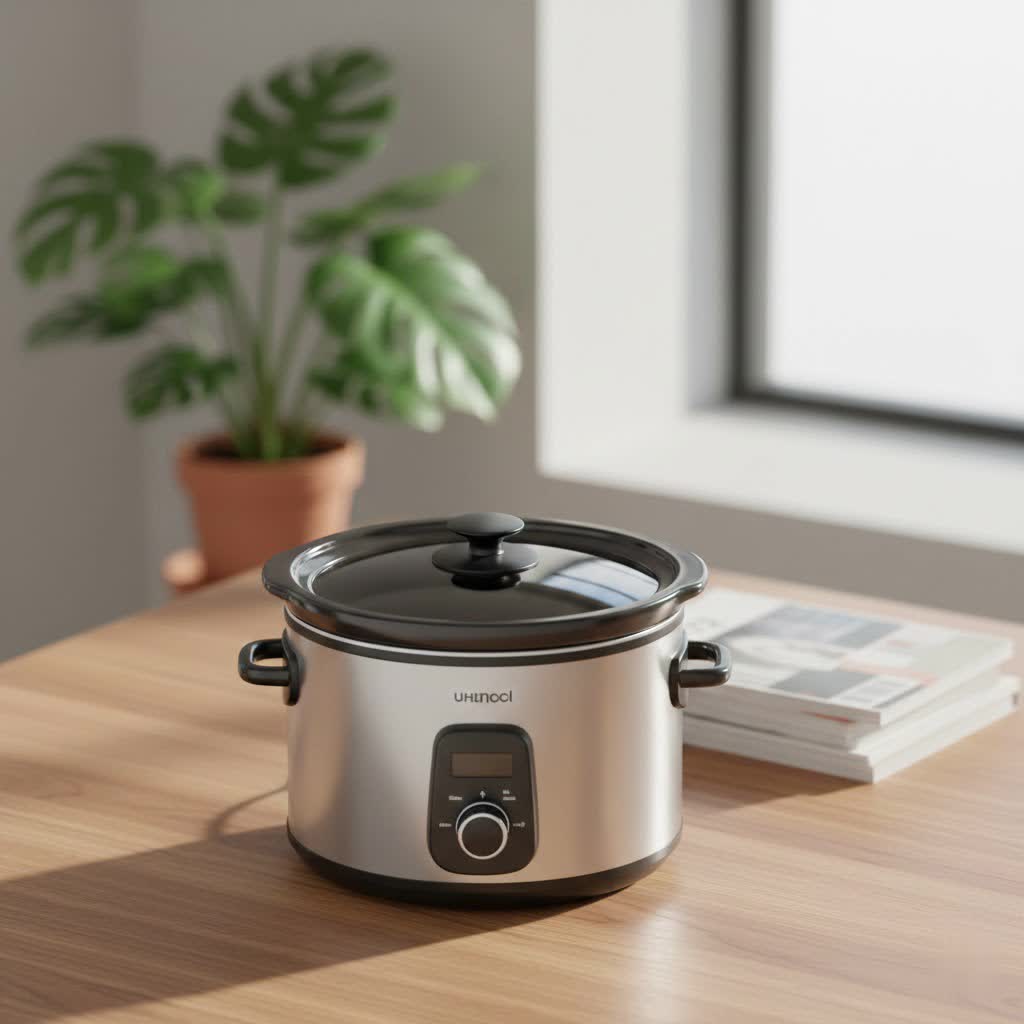
A slow cooker, often generically referred to as a Crock-Pot (a leading brand and a pioneer in the slow cooking movement), is an electric countertop appliance designed to cook food at a low temperature over an extended period. Its core principle involves gentle, consistent heat distribution, typically through an outer heating element that surrounds an inner pot, usually made of ceramic or stoneware. This method allows ingredients to simmer for hours, tenderizing tough cuts of meat, melding flavors, and requiring minimal supervision.
The origins of slow cooking can be traced back to the early 20th century, with the first electric slow cooker, the Naxon Beanery, appearing in the 1940s. It gained widespread popularity as the “Crock-Pot” in the 1970s, coinciding with more women entering the workforce and the demand for convenient, healthy home cooking solutions. Key components include a base housing the heating element, a heavy inner pot (crock), and a tight-fitting lid that traps moisture and heat, ensuring even cooking.
Advantages and Disadvantages of Slow Cooking
Slow cooking has revolutionized meal preparation for countless households, offering a blend of convenience and culinary delight. However, like any kitchen appliance, it comes with its own set of pros and cons.
Advantages
- Time and Effort Saving: The primary draw of a slow cooker is its “set it and forget it” nature. You can load ingredients in the morning and return to a fully cooked meal in the evening, eliminating the need for constant monitoring.
- Retains Flavor and Nutrition: The low, slow cooking process helps to break down tough fibers in food, resulting in incredibly tender meats and vegetables. The enclosed environment also traps moisture and nutrients, concentrating flavors and making meals more wholesome.
- Versatility in Meals: From hearty stews and succulent roasts to delectable desserts and even breakfast dishes, the range of recipes you can prepare in a slow cooker is vast. Resources like Crock-Pot Ladies provide an extensive library covering appetizers, entrees, side dishes, and more, categorized by courses, crock-pot size, and even dietary needs.
- Safe and Easy to Use: Slow cookers are straightforward to operate, typically featuring simple dial controls or digital settings. Their design minimizes the risk of burning food and allows for safe operation while you’re away from home.
|
Our Picks for the Best Slow Cooker in 2026
We may earn a commission when you use one of our links to make a purchase.
|
||
| Num | Product | Action |
|---|---|---|
| 1 | Ninja® 12-in-1 PossibleCooker™ PLUS - 8.5-qt - Sous Vide & Proof Multi-Cooker - Slow Cooker, Dutch Oven & More - Glass Lid & Integrated Spoon - Nonstick - Oven Safe Pot to 500°F - Black - MC1010 |

|
| 2 | Crock-Pot 7 Quart Oval Manual Slow Cooker, Stainless Steel (SCV700-S-BR), Versatile Cookware for Large Families or Entertaining |
|
| 3 | 8-Quart Digital Programmable Slow Cooker with Timer - Small Kitchen Appliance for Family Dinners - Serves 10+ People - Heat Settings: Keep Warm, Low and High |
|
| 4 | Crock-Pot Large 8-Quart Programmable Slow Cooker with Auto Warm Setting Black Stainless Steel |
|
| 5 | 3.2L Natural Unglazed Earthenware Casserole,Yixing Zisha Clay Pot for Cooking, Healthy Slow Cooker for Soup, Stew, Rice -Zini,Purple |
|
| 6 | Ninja MC1101 Foodi Everyday Possible Cooker Pro, 8-in-1 Versatility, One-Pot Faster Cooking Replaces 10 Tools, Family-Sized Capacity with Adjustable Temp Control, 6.5 quarts, Midnight Blue |
|
| 7 | Crock-Pot 6 Quart Cook & Carry Programmable Slow Cooker with Digital Timer Stainless Steel (CPSCVC60LL-S) pack of 1 |
|
| 8 | 3.2L Natural Unglazed Earthenware Casserole,Yixing Zisha Clay Pot for Cooking, Healthy Slow Cooker for Soup, Stew, Rice -Zhuni,Red |
|
| 9 | Crock-Pot 6 Quart Programmable Slow Cooker with Timer and Auto Food Warmer Setting, Stainless Steel |
|
| 10 | Ninja MC1001 Foodi PossibleCooker PRO 8.5 Quart Multi-Cooker, with 8-in-1 Slow Cooker, Dutch Oven, Steamer, Glass Lid Integrated Spoon, Nonstick, Oven Safe Pot to 500°F, Sea Salt Gray |
|
Disadvantages
- Long Cooking Times: By definition, slow cooking requires patience. Meals typically take 4-8 hours on high or 6-12 hours on low, making it unsuitable for last-minute meal preparation.
- Less Precise Temperature Control: Unlike conventional ovens or stovetops, most slow cookers offer limited temperature settings (e.g., Low, High, Warm). This can make it challenging to achieve specific cooking temperatures required for delicate dishes.
- Risk of Overcooking: While ideal for tenderizing, some ingredients, particularly vegetables, can become overly soft or mushy if cooked for too long. Delicate seafood is also generally not recommended for extended slow cooking.
- Size and Space: Slow cookers, especially larger models, can take up significant counter and storage space, which might be a consideration for smaller kitchens.
Types of Slow Cookers
Slow cookers come in various designs and functionalities, catering to different cooking needs and preferences. Understanding these types can help you choose the best model for your kitchen.
By Shape
- Round: These are the most common and traditional slow cooker shapes, ideal for soups, stews, and pot roasts that benefit from even liquid distribution.
- Oval: Oval slow cookers are excellent for cooking larger cuts of meat, such as whole chickens, briskets, or ribs, that wouldn’t fit in a round pot.
- Square/Rectangular (Casserole-style): Less common, these shapes are designed to accommodate dishes like lasagna, casseroles, or baked goods, often allowing for easier serving.
By Material
- Ceramic/Stoneware: The most prevalent inner pot material, known for its excellent heat retention and even cooking. It’s often dishwasher-safe and non-stick, making cleanup easier.
- Metal (Non-stick or Stainless Steel): Some slow cookers feature metal inserts, often lighter than ceramic. Certain models allow these inserts to be used on the stovetop for browning ingredients before slow cooking, a convenient feature.
By Features
- Manual (Basic): These models typically have simple “Off,” “Low,” and “High” settings. They are budget-friendly and reliable but require you to manually turn them off or switch to “Warm.”
- Programmable (Digital): Offering more control, programmable slow cookers allow you to set specific cooking times and then automatically switch to a “Keep Warm” setting once cooking is complete. This is ideal for busy schedules.
- Multi-functional (e.g., Crock-Pot Express): These advanced appliances combine slow cooking with other functions like pressure cooking, searing, sautéing, steaming, and even yogurt making. They offer immense versatility for modern kitchens.
Comparing Slow Cooker Types
Choosing the right slow cooker often involves weighing different aspects. Here’s a comparison to help illustrate the differences:
| Feature | Manual Slow Cooker | Programmable Slow Cooker | Multi-Functional Cooker (e.g., Crock-Pot Express) |
|---|---|---|---|
| Material | Ceramic/Stoneware (common) | Ceramic/Stoneware (common) | Metal (often stainless steel) |
| Capacity | Various (1.5 to 8+ quarts) | Various (3 to 8+ quarts) | Typically 6-8 quarts |
| Features | On/Off, Low/High settings | Timer, Auto Keep Warm, Digital display | Pressure cook, Slow cook, Sauté, Steam, etc. |
| Price | Low to Mid-range | Mid-range to High-range | High-range |
| Brands | Crock-Pot, Hamilton Beach | Crock-Pot, Cuisinart, Hamilton Beach | Instant Pot, Ninja Foodi, Crock-Pot Express |
| Best For | Basic slow cooking, budget-conscious | Busy schedules, precise timing | Versatile cooking, saving counter space |
Buying Guide: Choosing Your Ideal Slow Cooker
Selecting the perfect slow cooker involves more than just picking a brand. Consider these factors to ensure your choice aligns with your lifestyle and cooking habits.
Assess Your Needs
Before diving into models, think about how you’ll use it.
- Family Size: How many people are you typically cooking for? This will directly influence the capacity you need.
- Common Dishes: Do you mostly make soups, roasts, or smaller side dishes?
- Budget: Slow cookers range widely in price, so setting a budget beforehand is helpful.
Choose the Right Capacity
- Small (under 3 liters/3 quarts): Ideal for single servings, small side dishes, or appetizers. Great for small households (1-2 people).
- Medium (3-5 liters/3-5 quarts): Suitable for 2-4 people. This is a versatile size for everyday meals and small gatherings.
- Large (over 5 liters/5 quarts): Best for families of 5 or more, batch cooking, meal prepping, or entertaining.
Select Quality Material
While ceramic or stoneware inserts are standard for their heat distribution, some models offer metal inserts that are lighter and can be used for browning on the stovetop before slow cooking. This “sear-and-stew” functionality is a great convenience. Ensure the lid fits snugly to prevent moisture loss.
Essential Features to Look For
- Multiple Cook Settings: “Low” and “High” are standard. A “Warm” setting is crucial for keeping food at a safe temperature after cooking without overcooking it.
- Programmable Timer: For those with busy schedules, a programmable timer that automatically switches to “Warm” is invaluable.
- Lid Lock/Sealing Lid: Useful for transporting food to potlucks or keeping contents secure.
- Dishwasher-Safe Parts: Removable crock and lid that are dishwasher-safe significantly simplify cleanup.
- Child Lock: A safety feature to prevent accidental changes to settings.
Reputable Brands
Many brands offer quality slow cookers. Some highly regarded names include Crock-Pot (the original and often a benchmark), Hamilton Beach, Cuisinart, and KitchenAid. For multi-functional appliances, Instant Pot and Ninja Foodi are popular choices, including slow cooker functions.
Top Slow Cooker Recipes from Crock-Pot Ladies and Beyond
The beauty of a slow cooker lies in its ability to produce a diverse array of dishes, from comforting classics to surprising delights. Websites like Crock-Pot Ladies specialize in making slow cooking accessible and exciting, offering hundreds of recipes tailored for various occasions, tastes, and appliance sizes.
For instance, their collection boasts:
- Hearty Entrees: Dive into family favorites like Crock-Pot Creamy Chicken Spaghetti, Crock-Pot Bourbon Bacon BBQ Pulled Pork, or Crock-Pot Easy Corned Beef and Cabbage. These dishes are perfect for feeding a crowd or providing delicious leftovers.
- Delectable Side Dishes: Don’t limit your slow cooker to mains. Try Crock-Pot Basic Beans, Crock-Pot Baked Potatoes, or Crock-Pot Roasted Garlic for effortless accompaniments.
- Soups, Stews & Chilis: The slow cooker excels at melding flavors in liquid-based dishes. Explore options such as Crock-Pot Mexican Street Corn Soup or Crock-Pot Creamy Tomato Basil Soup.
- Sweet Treats: Surprising to some, slow cookers can create amazing desserts. Popular choices include Crock-Pot Easy Peach Cobbler, Crock-Pot Apple Crisp, and Crock-Pot Pumpkin Crunch Custard.
- Breakfasts & Appetizers: Begin your day with Crock-Pot Basic Granola or impress guests with Crock-Pot Swedish Meatballs or Crock-Pot Sweet Honey BBQ Chicken Wings.
The “Crock-Pot Ladies” also feature special categories like “3 Ingredients Or Less” recipes, perfect for ultra-busy days, and “Crock-Pot Express Recipes” for those with multi-functional appliances. Their wide selection ensures that no matter your culinary skill level or dietary preference, you can find an inspiring recipe to simplify your cooking routine.
Hướng Dẫn Sử Dụng và Bảo Quản Nồi Nấu Chậm
Proper usage and maintenance are key to ensuring your slow cooker operates safely and efficiently for years to come.
Safe and Effective Use
- Read the Manual: Always start by consulting your specific model’s instruction manual.
- Fill Appropriately: Do not overfill the slow cooker (typically no more than two-thirds full) to prevent boil-overs. Conversely, avoid underfilling (at least half full) to ensure even cooking and prevent drying out.
- Thaw Frozen Food: Always thaw frozen meat or poultry completely before adding it to a slow cooker. Adding frozen food can keep the temperature in the “danger zone” (40°F to 140°F) for too long, promoting bacterial growth.
- Brown Meat First (Optional but Recommended): While not strictly necessary for safety, browning meat on the stovetop before adding it to the slow cooker can enhance flavor and color.
- Lift Lid Sparingly: Every time you lift the lid, the internal temperature drops significantly, extending the cooking time by 15-20 minutes. Resist the urge to peek frequently.
- Use Keep Warm Setting Wisely: The “Warm” setting is for holding already cooked food at a safe serving temperature, not for cooking or reheating. Do not keep food on “Warm” for more than 2-4 hours.
Cleaning and Maintenance
- Unplug and Cool: Always unplug your slow cooker and allow it to cool completely before cleaning.
- Hand Wash or Dishwasher: Most ceramic or stoneware inserts and lids are dishwasher-safe. For hand washing, use warm, soapy water and a non-abrasive sponge.
- Clean the Base: Wipe down the exterior of the heating base with a damp cloth. Never immerse the base in water.
- Remove Stubborn Stains: For stuck-on food, fill the crock with hot, soapy water and let it soak for a few hours or overnight before scrubbing. Baking soda paste can help with stubborn stains.
Common Issues and Troubleshooting
- Food Not Cooking Through: Ensure your slow cooker is functioning correctly (check power, heating element). Verify you’re not using too much liquid (which can lower internal temperature) or adding frozen ingredients.
- Food Burning on Sides/Bottom: This often happens if the heat setting is too high for the duration, or if there isn’t enough liquid in the recipe. Some older models tend to run hotter.
- Food is Mushy: Likely overcooked. Reduce cooking time or try cooking on the “Low” setting instead of “High.”
- Lid Not Sealing: Check for any food debris or damage to the lid or rim of the crock. A proper seal is crucial for efficient cooking.
Conclusion
The slow cooker stands as a testament to practical innovation in the kitchen, offering a seamless path to delicious, home-cooked meals even for the busiest among us. From its humble origins to the advanced multi-functional models available today, this appliance continues to be a cornerstone of convenient cooking. Resources like Crock-Pot Ladies brilliantly showcase the endless possibilities, transforming the daunting task of meal preparation into an enjoyable and accessible art form. By understanding its functions, exploring its vast recipe potential, and adhering to proper usage, you can unlock a world of flavorful dishes that truly nourish both body and soul. Are you ready to embrace the simplicity and satisfaction of slow cooking in your own kitchen?
Câu Hỏi Thường Gặp
What is the primary difference between a slow cooker and a Crock-Pot?
While often used interchangeably, “Crock-Pot” is a specific brand of slow cooker. All Crock-Pots are slow cookers, but not all slow cookers are Crock-Pots. The brand popularized the appliance, leading to its name becoming a common term for any slow cooker, regardless of manufacturer.
Can you put raw meat directly into a slow cooker?
Yes, you can put raw meat directly into a slow cooker. For safety, ensure that meat is completely thawed before cooking and that the slow cooker reaches a safe temperature quickly. Browning meat beforehand is optional but can enhance flavor and color.
How long can food safely stay in a slow cooker on the “Warm” setting?
It is generally recommended that food should not be kept on the “Warm” setting for more than 2-4 hours after it has finished cooking. The “Warm” setting is designed to maintain a safe serving temperature, not to cook or keep food indefinitely.
Are the recipes from Crock-Pot Ladies reliable and suitable for beginners?
Yes, Crock-Pot Ladies recipes are widely regarded as reliable and are particularly well-suited for beginners. The website focuses on “easy slow cooker recipes for the busy lady,” often featuring simple ingredients and clear instructions, making them accessible and foolproof for anyone starting their slow cooking journey.
Do slow cookers use a lot of electricity?
Compared to ovens, slow cookers are quite energy efficient because they operate at lower wattages over longer periods. A typical slow cooker uses between 75 and 250 watts on “Low” and 150 to 350 watts on “High,” making them a relatively economical choice for cooking meals.