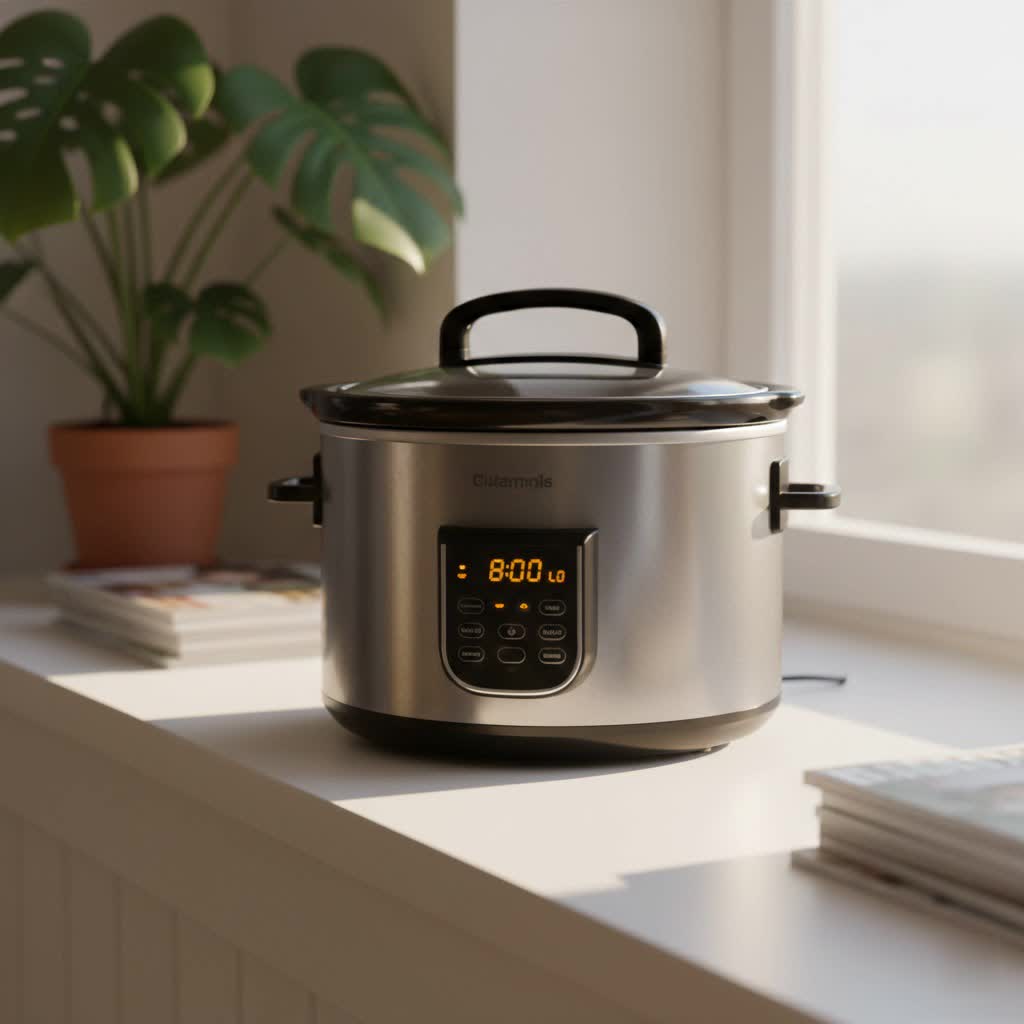
As an Admin at Reviewerty.com and a seasoned technician with over a decade immersed in the world of slow cookers, I’ve seen these remarkable kitchen appliances evolve from basic workhorses to sophisticated culinary companions. From the simplest crock-pots to advanced multi-cookers, I’ve personally tested and evaluated hundreds of models, gaining invaluable insights into what truly makes a slow cooker shine. My goal is to share this deep expertise, helping you navigate the options and find the perfect slow cooker to simplify your cooking and delight your family, all within your budget. Let’s explore the authentic and objective truth behind slow cooking.
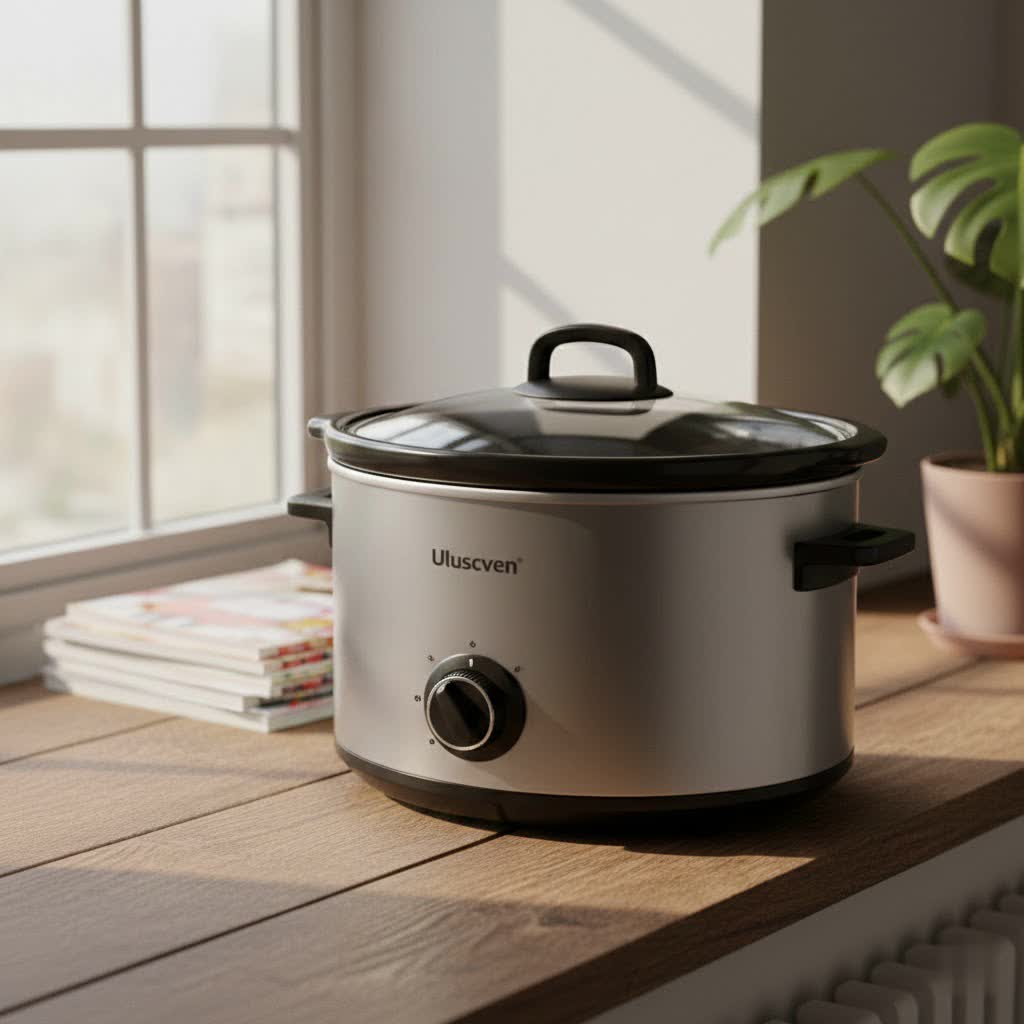
What is a Slow Cooker?
A slow cooker is an electric countertop appliance designed to simmer food at a low, consistent temperature over an extended period, typically several hours. This method, known as slow cooking, allows for unattended meal preparation, making it a favorite for busy individuals and families alike. The magic happens through its fundamental design: an outer casing containing a heating element, an inner cooking vessel (often called a “crock”), and a tight-fitting lid.
The concept of slow cooking dates back to the 1940s when the Naxon Beanery All-Purpose Cooker was developed to cook beans slowly, inspired by a traditional Jewish stew. It gained widespread popularity in the 1970s after being rebranded as the “Crock-Pot.” The electrical coils in the base indirectly heat the inner crock, maintaining temperatures generally between 180°F and 300°F (82°C to 149°C). The lid is crucial, as it traps steam and moisture, creating a vacuum seal that keeps food from drying out while ensuring even heat distribution throughout the cooking process.
Advantages and Disadvantages of Slow Cookers
While revered for their convenience, slow cookers, like any kitchen appliance, come with their own set of pros and cons. Understanding these can help you decide if a slow cooker is the right addition to your culinary arsenal.
Advantages
- Time and Effort Saving: The primary draw of a slow cooker is its “set it and forget it” nature. You can load ingredients in the morning and return home to a hot, ready-to-eat meal, significantly reducing active cooking time during busy weekdays.
- Enhanced Flavor and Nutrition: Slow cooking tenderizes tough and inexpensive cuts of meat, breaking down connective tissues to create succulent, fall-off-the-bone dishes. The gentle, prolonged heat also allows flavors to meld beautifully and helps to preserve nutrients that might be lost in faster, high-heat cooking methods.
- Versatile Meal Preparation: Beyond traditional stews and roasts, slow cookers are incredibly versatile. They can handle a wide array of recipes, from hearty soups and chili to pasta sauces, baked goods, desserts, and even warm dips for entertaining.
- Safety and Ease of Use: Slow cookers are generally very safe to leave unattended throughout the day. Their simple controls and consistent, low temperatures minimize the risk of burning food, making them incredibly user-friendly for cooks of all skill levels.
- Cost-Effective Cooking: By allowing you to utilize cheaper cuts of meat and bulk up meals with budget-friendly ingredients like legumes and root vegetables, a slow cooker can contribute to significant savings on your grocery bill. Furthermore, their running costs are often more economical than those of a conventional oven.
|
Our Picks for the Best Slow Cooker in 2026
We may earn a commission when you use one of our links to make a purchase.
|
||
| Num | Product | Action |
|---|---|---|
| 1 | Crock-Pot 6 Quart Cook & Carry Programmable Slow Cooker with Digital Timer Stainless Steel (CPSCVC60LL-S) pack of 1 |

|
| 2 | Crock-Pot 6 Quart Programmable Slow Cooker with Timer and Auto Food Warmer Setting, Stainless Steel |
|
| 3 | Ninja MC1101 Foodi Everyday Possible Cooker Pro, 8-in-1 Versatility, One-Pot Faster Cooking Replaces 10 Tools, Family-Sized Capacity with Adjustable Temp Control, 6.5 quarts, Midnight Blue |
|
| 4 | Crock-Pot Large 8-Quart Programmable Slow Cooker with Auto Warm Setting Black Stainless Steel |
|
| 5 | 3.2L Natural Unglazed Earthenware Casserole,Yixing Zisha Clay Pot for Cooking, Healthy Slow Cooker for Soup, Stew, Rice -Zini,Purple |
|
| 6 | 3.2L Natural Unglazed Earthenware Casserole,Yixing Zisha Clay Pot for Cooking, Healthy Slow Cooker for Soup, Stew, Rice -Zhuni,Red |
|
| 7 | Ninja MC1001 Foodi PossibleCooker PRO 8.5 Quart Multi-Cooker, with 8-in-1 Slow Cooker, Dutch Oven, Steamer, Glass Lid Integrated Spoon, Nonstick, Oven Safe Pot to 500°F, Sea Salt Gray |
|
| 8 | Crock-Pot 7 Quart Oval Manual Slow Cooker, Stainless Steel (SCV700-S-BR), Versatile Cookware for Large Families or Entertaining |
|
| 9 | Ninja® 12-in-1 PossibleCooker™ PLUS - 8.5-qt - Sous Vide & Proof Multi-Cooker - Slow Cooker, Dutch Oven & More - Glass Lid & Integrated Spoon - Nonstick - Oven Safe Pot to 500°F - Black - MC1010 |
|
| 10 | 8-Quart Digital Programmable Slow Cooker with Timer - Small Kitchen Appliance for Family Dinners - Serves 10+ People - Heat Settings: Keep Warm, Low and High |
|
Disadvantages
- Extended Cooking Time: As the name suggests, slow cookers require a long cooking duration. This means spontaneous meals are not an option; you need to plan ahead.
- Limited Browning and Reduction: The low, moist heat environment of a slow cooker does not promote the Maillard reaction, which is responsible for rich browning and complex flavors. For dishes requiring a deep sear or reduced sauces, you may need to pre-brown ingredients on the stovetop or finish them under a broiler.
- Potential for Mushy Textures: While excellent for tenderizing, overcooking can lead to certain vegetables becoming overly soft and mushy, and lean meats can sometimes dry out or become stringy if cooked too long without enough moisture.
- Challenges with Precise Temperature Control: Basic slow cooker models often only offer “Low,” “High,” and “Warm” settings, which can sometimes be too hot or too cold depending on the recipe. Some older or lower-quality models may run inconsistently, leading to less predictable results.
- Footprint on Countertop: Slow cookers, especially larger capacity models, can take up considerable counter and storage space in the kitchen.
- Food Safety Considerations: Certain foods, such as raw red kidney beans, contain toxins that require boiling at high temperatures to neutralize. A slow cooker’s low setting may not always reach these critical temperatures, necessitating pre-boiling or using canned beans.
Types of Slow Cookers
Slow cookers come in various configurations, each designed to cater to different cooking needs and kitchen setups. Understanding these types is key to selecting the ideal appliance.
Classification by Shape
The shape of your slow cooker primarily impacts what kinds of food you can cook most effectively.
- Round Slow Cookers: These typically have a smaller footprint and are ideal for soups, stews, chilis, and smaller portions. They are well-suited for dishes where ingredients are cut into smaller pieces and don’t require sprawling space.
- Oval Slow Cookers: More common and generally larger, oval slow cookers are perfect for accommodating bigger cuts of meat like whole chickens, roasts, or racks of ribs. Their elongated shape provides ample space for larger items to cook evenly.
- Square Slow Cookers: Less common, square or rectangular slow cookers sometimes appear in multi-functional models, offering a different configuration for specific dishes like lasagna or casseroles.
Classification by Material
The material of the inner cooking pot, or “crock,” significantly influences heat distribution and durability.
- Ceramic (Stoneware) Pots: These are the classic choice, known for their excellent heat retention and even cooking. Ceramic pots are heavy and take longer to heat up, but they maintain a consistent temperature beautifully. However, they are typically not stovetop-safe for searing and can be more fragile, prone to cracking or breaking if dropped.
- Metal Pots (Aluminum or Steel): Lighter than ceramic, metal inserts heat up quickly and some are designed to be stovetop-safe, allowing you to sear meats directly in the pot before slow cooking. This “one-pot” functionality reduces cleanup. However, they can be more prone to hot spots, and if they have a non-stick coating, care must be taken to avoid scratching the surface.
Classification by Features
Modern slow cookers offer a range of features, from basic controls to advanced programmability.
- Manual Slow Cookers: These are the most basic, featuring simple “Off,” “Low,” “High,” and sometimes “Warm” settings. They are straightforward and reliable, perfect for those who prefer simplicity and are home to manually switch off or adjust settings.
- Electronic (Programmable) Slow Cookers: These models include digital controls, timers, and automatic “keep warm” functions. You can program a specific cooking duration, and the cooker will automatically switch to warm mode when done, offering greater flexibility for busy schedules. Some even feature delayed start times.
- Multi-Cookers with Slow Cooker Function: Appliances like the Instant Pot or Ninja Foodi are multi-cookers that often include a slow cooker setting alongside pressure cooking, searing, steaming, and more. While versatile, their slow cooking function may not always be as precise or effective as a dedicated slow cooker.
- Smart Slow Cookers: Some advanced models integrate with Wi-Fi, allowing you to control and monitor cooking remotely via a smartphone app.
Comparing Different Slow Cooker Types
To help you visualize the differences, here’s a detailed comparison table of common slow cooker types based on various criteria:
| Feature | Manual Slow Cooker | Programmable Slow Cooker | Multi-Cooker (with Slow Cook) |
|---|---|---|---|
| Controls | Simple dial (Off, Low, High, Warm) | Digital display, buttons | Digital display, preset programs |
| Timer | No built-in timer (external needed) | Yes, programmable cook times | Yes, programmable, delayed start |
| Auto Keep Warm | Usually manual switch to Warm | Yes, automatic after cooking | Yes, automatic after cooking |
| Searing Function | No (requires separate pan) | Some models have direct sear | Often built-in sear/sauté function |
| Versatility | Dedicated slow cooking | Dedicated slow cooking with more control | Multi-functional (pressure cook, steam, etc.) |
| Complexity | Very simple to operate | Moderately simple | More complex, steeper learning curve |
| Footprint | Varies by capacity and shape | Varies by capacity and shape | Can be larger, but replaces multiple appliances |
| Price Range | $30 – $80 | $60 – $150 | $100 – $300+ |
| Ideal User | Budget-conscious, prefers simplicity, home to monitor | Busy individuals, desire convenience & flexibility | Space-saving, wants multiple functions, tech-savvy |
| Common Brands | Crock-Pot, Hamilton Beach | Crock-Pot, Hamilton Beach, Cuisinart | Instant Pot, Ninja Foodi, Cuisinart |
Essential Tips for Choosing the Right Slow Cooker (Buying Guide)
Selecting the perfect slow cooker involves more than just picking the first one you see. Consider these factors to make an informed decision that aligns with your lifestyle and cooking habits.
Determine Your Usage Needs
Before diving into features, think about how you’ll use your slow cooker.
- Family Size: How many people do you typically cook for? This directly impacts the ideal capacity.
- Frequent Dishes: What types of meals do you plan to make most often? Larger roasts require an oval shape, while soups are fine in round pots.
- Budget: Establish a realistic price range. Basic models are affordable, while advanced multi-cookers come with a higher price tag.
Choose the Appropriate Capacity
The capacity of a slow cooker is measured in quarts (or liters) and is crucial for optimal cooking. A slow cooker works best when it’s between half and three-quarters full.
- Small (1.5-3 quarts): Ideal for single servings, small side dishes, dips, or cooking for 1-2 people.
- Medium (3-5 quarts): A versatile choice for small families of 2-4, perfect for smaller roasts, stews, and casseroles.
- Large (6-8+ quarts): Best for larger families (5+ people), entertaining, batch cooking for meal prep, or preparing big roasts and whole chickens.
Select the Right Pot Material
The material of the inner pot influences cooking performance and cleaning.
- Ceramic/Stoneware: Renowned for even heating and superior heat retention, which is excellent for tenderizing. They are heavier and more fragile but deliver consistent results. They typically require hand-washing or careful dishwasher use.
- Metal (Aluminum/Steel): Lighter, quicker to heat, and often stovetop-safe for convenient pre-searing. Some come with non-stick coatings for easier cleanup, but require non-metal utensils to prevent damage.
Essential Features to Consider
Modern slow cookers offer a variety of features that enhance convenience and control.
- Cooking Modes: Look for at least “Low” and “High” settings. A “Warm” setting is essential for keeping food at serving temperature without overcooking.
- Programmable Timer: This is a game-changer. It allows you to set the desired cooking time, after which the cooker automatically switches to “Warm.” This is perfect for long workdays or overnight cooking.
- Delay Start: Some programmable models offer a delay start, allowing you to postpone cooking for a few hours, so your meal is ready exactly when you need it.
- Auto Shut-off: A safety feature that turns the appliance off after a certain period on “Warm.”
- Temperature Probe: Found in more advanced models, a probe allows you to monitor the internal temperature of your food, ensuring it reaches the desired doneness and then automatically switches to warm.
- Searing/Sauté Function: For models with stovetop-safe inserts or built-in searing capabilities, this eliminates the need for a separate pan, saving cleanup time and adding flavor directly in the slow cooker.
- Lid Features: A clear glass lid allows you to monitor food without releasing heat. Lockable lids are great for transporting food to potlucks or gatherings.
Reputable Brands
Investing in a reputable brand often guarantees better quality, reliability, and customer support. Some of the most highly-rated slow cooker brands include:
- Crock-Pot: The original and most recognized brand, offering a wide range of basic to programmable models.
- Hamilton Beach: Known for reliable, feature-rich slow cookers often at a competitive price point, including “Set & Forget” models with temperature probes.
- Cuisinart: Offers versatile multi-cookers that excel at slow cooking, often with premium designs and features like browning.
- GreenPan: Praised for ceramic non-toxic inserts and consistent low-temperature cooking.
- Instant Pot/Ninja Foodi: Popular multi-cookers that include slow cooking functions, offering immense versatility for those with limited space.
Top 5 Slow Cookers on the Market Today
Based on extensive testing and user feedback, here are some of the top slow cooker models currently available, representing a range of features and price points.
- Hamilton Beach Set & Forget 6-Quart Slow Cooker: This model consistently earns high marks for its reliability and innovative features. It includes a temperature probe that automatically shifts to “Keep Warm” when your food reaches the desired temperature, preventing overcooking. It’s a fantastic all-rounder for everyday family meals.
- Cuisinart Cook Central 6-Quart Multi-Cooker: For those seeking versatility, the Cuisinart Cook Central offers slow cooking, browning/sautéing, and steaming functions all in one appliance. Its rectangular shape can accommodate larger cuts of meat, and its quick-heating element and intuitive digital display make it a powerhouse in the kitchen.
- GreenLife Cook Duo 6-Quart Slow Cooker: A top choice for budget-conscious buyers and those preferring non-toxic cooking surfaces. This slow cooker features a ceramic insert free of PFAS, PFOA, lead, and cadmium. It offers impressive heat distribution and standard “High,” “Low,” and “Warm” settings, along with a delay timer.
- Crock-Pot Programmable 8-Quart Slow Cooker: For large families or batch cooking enthusiasts, this Crock-Pot model delivers ample capacity and reliable programmable features. It allows you to set cooking times, after which it automatically switches to a warm setting, making it perfect for feeding a crowd or preparing meals in advance.
- Ninja Foodi PossibleCooker PRO 6.5-Quart: This multi-functional cooker excels in more than just slow cooking, with capabilities like searing, sautéing, simmering, and braising. Its non-stick cooking pot is stovetop-safe, offering true one-pot cooking convenience. The large capacity and integrated spoon make it a versatile addition to any kitchen.
How to Use and Maintain Your Slow Cooker
To get the most out of your slow cooker and ensure its longevity, proper usage and maintenance are essential.
Safe and Effective Usage Tips
- Prep Ahead: Chop vegetables and trim meat the night before to save time in the morning.
- Fill Correctly: Always ensure your slow cooker is filled between half and three-quarters full. Underfilling can lead to overcooked or dry food, while overfilling can cause uneven cooking or spills.
- Resist Peeking: Opening the lid releases heat and steam, extending the cooking time by as much as 20-30 minutes each time. Only lift the lid when absolutely necessary.
- Add Liquids Wisely: Slow cookers retain moisture exceptionally well. You typically need less liquid than conventional recipes.
- Layer Ingredients: Place root vegetables (carrots, potatoes) at the bottom, as they cook slower. Meats go next, and softer vegetables or dairy products should be added later in the cooking cycle.
- Consider Pre-Searing: For richer flavor and color, quickly sear meats on the stovetop before adding them to the slow cooker, especially if your model doesn’t have a searing function.
- Food Safety: Always thaw frozen meat before slow cooking. Ensure foods reach safe internal temperatures. For certain beans like red kidney beans, boil them vigorously for at least 10 minutes on the stovetop before adding them to the slow cooker to eliminate harmful toxins.
- Placement: Always place your slow cooker on a flat, heat-resistant surface, away from walls or other appliances, to ensure proper ventilation and prevent heat damage.
Cleaning and Storage
Maintaining your slow cooker is straightforward but crucial for hygiene and durability.
- Cool Down: Always allow the cooking pot and lid to cool completely before cleaning to prevent thermal shock, which can damage ceramic inserts.
- Wash Promptly: Wash the inner pot and lid with warm, soapy water immediately after use. Most ceramic or non-stick inserts and glass lids are dishwasher-safe, but always check your manufacturer’s instructions.
- Clean the Exterior: Wipe down the heating unit’s exterior with a damp cloth. Never immerse the base in water.
- Stubborn Stains: For burnt-on food, fill the pot with warm, soapy water and let it soak for a few hours or overnight. Baking soda can also be used as a gentle abrasive.
- Storage: Store the slow cooker in a dry place. You can store the lid upside down on top of the crock to prevent odors from being trapped and to save space.
Common Troubleshooting and Solutions
- Food is Dry/Tough: You might have used too little liquid, lean meat, or lifted the lid too often. Increase liquid next time, consider fattier cuts, and resist opening the lid.
- Food is Mushy/Overcooked: Too much liquid, too long cooking time, or your slow cooker runs hot. Reduce liquid, adjust cooking time, or try a “low” setting if you were on “high.”
- Food Not Cooking Evenly: Ingredients might be too tightly packed, or not layered correctly. Ensure space for heat circulation and put denser items at the bottom.
- Slow Cooker Smells Burnt: Check for food spilled outside the inner pot onto the heating element. Ensure the lid is properly seated.
- Lid Doesn’t Seal: Inspect the lid and rim for damage or food debris. Clean thoroughly.
“A slow cooker isn’t just an appliance; it’s a lifestyle upgrade. It teaches patience in cooking and rewards you with incredible flavor and unparalleled convenience.” – Admin, Reviewerty.com, Slow Cooker Specialist
The slow cooker remains an indispensable tool for simplifying meal preparation and bringing comforting, flavorful dishes to the table with minimal fuss. Embrace the joy of effortless cooking and discover the true potential of your kitchen. What delicious creation will you slow cook next?
Frequently Asked Questions
Can I put frozen meat directly into a slow cooker?
It is generally not recommended to put frozen meat directly into a slow cooker. The appliance cooks slowly, and frozen meat may stay in the “danger zone” (between 40°F and 140°F or 4°C and 60°C) for too long, allowing harmful bacteria to grow before the meat reaches a safe cooking temperature. Always thaw meat thoroughly in the refrigerator before adding it to your slow cooker for safe cooking.
Do I need to brown meat before slow cooking?
While not strictly necessary for food safety, browning meat before slow cooking is highly recommended for enhancing flavor. Searing creates a rich, caramelized crust through the Maillard reaction, which adds depth and complexity to your finished dish that slow cooking alone cannot achieve. Many modern slow cookers and multi-cookers offer a sauté or sear function directly in the pot to simplify this step.
How much liquid should I use in a slow cooker recipe?
Slow cookers are very efficient at retaining moisture, so you typically need significantly less liquid than traditional stovetop or oven recipes. A good rule of thumb is to reduce the liquid by about one-third to one-half compared to conventional recipes, as the steam created during cooking cycles back into the food. Too much liquid can result in a watery dish.
Can I leave my slow cooker on all day while at work?
Yes, slow cookers are designed for unattended cooking over long periods, making them ideal for busy workdays. Most programmable models automatically switch to a “Keep Warm” setting once the cooking time is complete, ensuring your meal stays hot and ready until you return home. Always ensure your slow cooker is placed on a heat-resistant surface and is in good working order before leaving it unattended.
What is the difference between “Low” and “High” settings on a slow cooker?
The “High” setting cooks food in about half the time it takes on the “Low” setting. While the peak temperature reached on both settings is often similar (around 200-215°F for “Low” and 300°F for “High”), the “High” setting simply reaches that temperature more quickly and cooks more vigorously. For tougher cuts of meat and dishes requiring prolonged tenderness, the “Low” setting is often preferred.