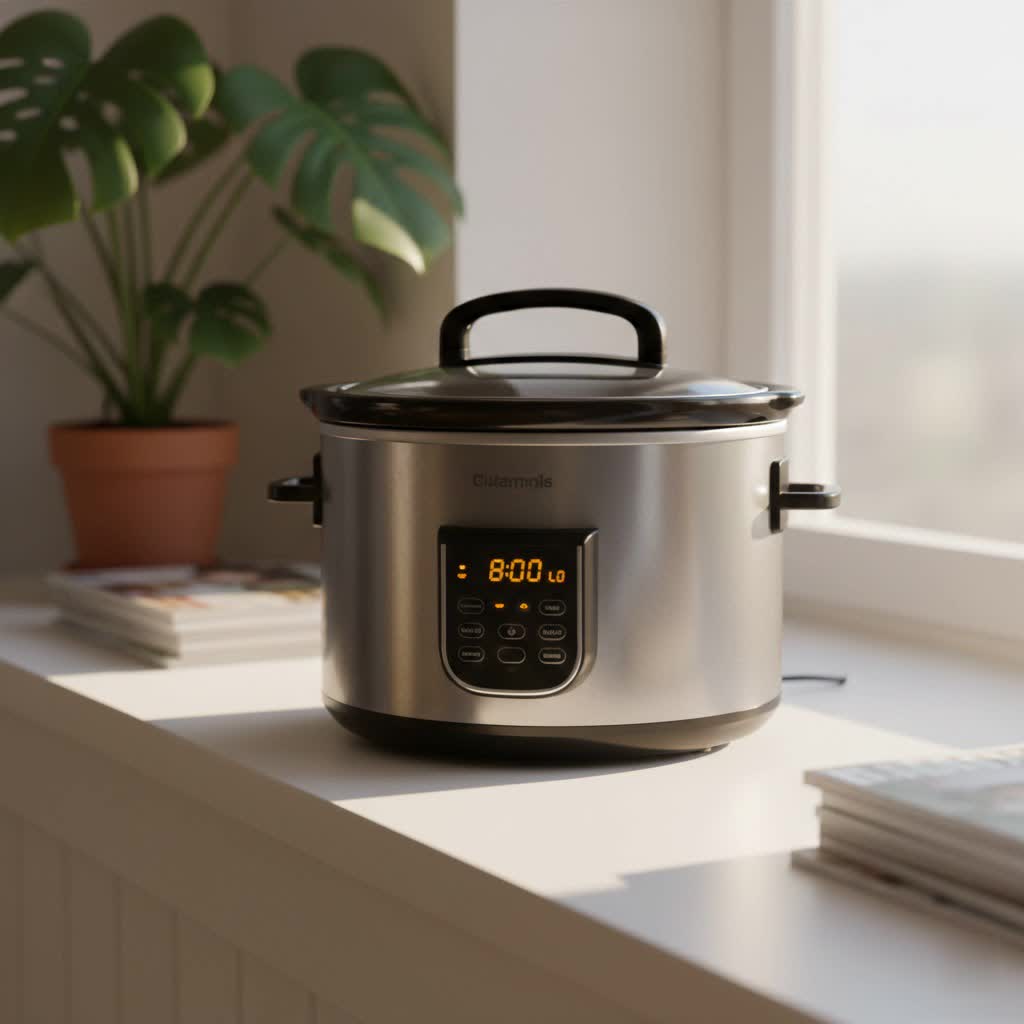
Do you dream of coming home to a delicious, home-cooked meal without spending hours in the kitchen? The slow cooker, a true kitchen hero, makes this a reality, and when paired with McCormick’s expertly blended seasonings, it transforms everyday ingredients into extraordinary, flavor-packed dishes. As an Admin from Reviewerty.com with over a decade of hands-on experience in slow cooking, I’ve seen how this simple appliance, combined with quality ingredients like McCormick spices, can revolutionize meal prep. This comprehensive guide will explore everything you need to know about slow cookers and how McCormick seasoning mixes can elevate your slow-cooked creations, helping you make the perfect choice for your culinary adventures.
What is a Slow Cooker?
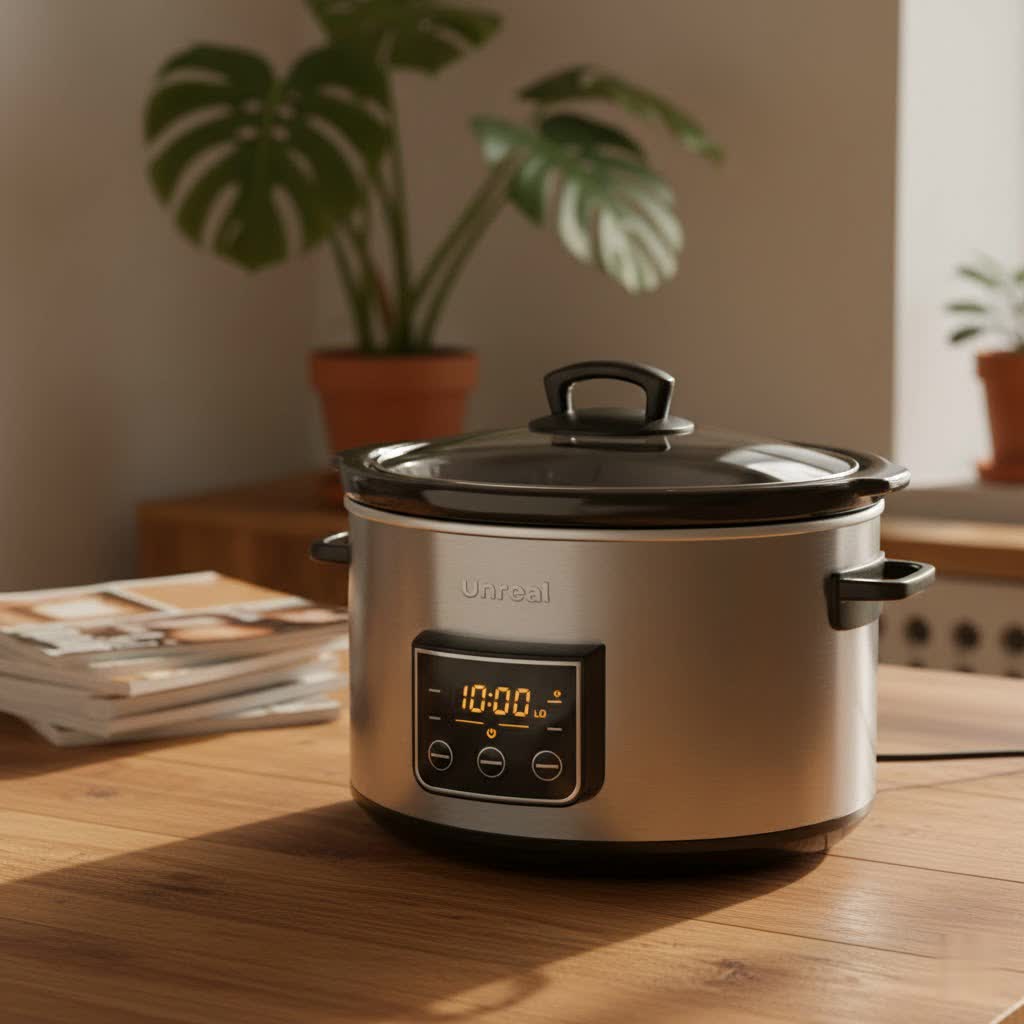
A slow cooker, often affectionately known by its brand name Crock-Pot, is a countertop electrical appliance designed for “set it and forget it” cooking. Its core principle lies in simmering food at low, consistent temperatures over an extended period, typically several hours. This gentle, moist heat cooking method is ideal for breaking down tough cuts of meat and infusing flavors deeply into your dishes, all while requiring minimal supervision.
The history of the slow cooker dates back to the 1940s, gaining popularity as more women entered the workforce and needed convenient ways to prepare dinner. The Naxon Beanery All-Purpose Cooker, inspired by a traditional Jewish stew called cholent that required hours of cooking, laid the groundwork. By the 1970s, under the Rival Company, it evolved into the widespread “Crock-Pot” we know today. Its resurgence in recent decades highlights a renewed desire for convenient, wholesome home cooking.
A typical slow cooker consists of three main components:
- The Base: This outer casing houses the heating element, which surrounds the cooking vessel.
- The Cooking Vessel (Crock): Usually made of ceramic or stoneware, this removable pot sits within the base. It conducts and retains heat, holding your ingredients.
- The Lid: Often made of glass, the lid creates a tight seal, trapping moisture and heat inside. This trapped vapor condenses and returns to the food, essentially self-basting and keeping dishes moist.
The heating element gently warms the contents to a steady temperature, typically ranging from 174–199°F (79–93°C). This low-temperature cooking prevents burning and allows flavors to meld beautifully.
Advantages and Disadvantages of Slow Cookers
Like any kitchen appliance, slow cookers come with their own set of pros and cons. Understanding these can help you maximize their benefits and mitigate potential drawbacks, especially when planning your McCormick-enhanced meals.
Advantages
- Time and Effort Saving: The primary benefit is hands-off cooking. You can assemble ingredients in the morning and return to a fully cooked meal in the evening, freeing up your day.
- Tenderizes Tough Cuts: The long, slow cooking process breaks down connective tissues in less expensive, tougher cuts of meat, rendering them incredibly tender and juicy.
- Flavor Development: Extended cooking times allow spices, herbs, and other ingredients to meld and deepen their flavors, creating rich, complex dishes. This is where McCormick seasoning mixes truly shine, as they are formulated to develop robust flavor over time.
- Energy Efficiency: Slow cookers generally use less electricity than a conventional oven, especially for long cooking periods, making them an economical choice.
- One-Pot Meals: Many slow cooker recipes are designed to be complete meals in a single pot, simplifying both cooking and cleanup.
- Keeps Food Warm: Most models have an automatic “keep warm” setting, perfect for flexible dinner times or entertaining.
|
Our Picks for the Best Slow Cooker in 2026
We may earn a commission when you use one of our links to make a purchase.
|
||
| Num | Product | Action |
|---|---|---|
| 1 | Crock-Pot 6 Quart Cook & Carry Programmable Slow Cooker with Digital Timer Stainless Steel (CPSCVC60LL-S) pack of 1 |

|
| 2 | Ninja® 12-in-1 PossibleCooker™ PLUS - 8.5-qt - Sous Vide & Proof Multi-Cooker - Slow Cooker, Dutch Oven & More - Glass Lid & Integrated Spoon - Nonstick - Oven Safe Pot to 500°F - Black - MC1010 |
|
| 3 | 8-Quart Digital Programmable Slow Cooker with Timer - Small Kitchen Appliance for Family Dinners - Serves 10+ People - Heat Settings: Keep Warm, Low and High |
|
| 4 | Crock-Pot Large 8-Quart Programmable Slow Cooker with Auto Warm Setting Black Stainless Steel |
|
| 5 | Crock-Pot 6 Quart Programmable Slow Cooker with Timer and Auto Food Warmer Setting, Stainless Steel |
|
| 6 | Crock-Pot 7 Quart Oval Manual Slow Cooker, Stainless Steel (SCV700-S-BR), Versatile Cookware for Large Families or Entertaining |
|
| 7 | Ninja MC1001 Foodi PossibleCooker PRO 8.5 Quart Multi-Cooker, with 8-in-1 Slow Cooker, Dutch Oven, Steamer, Glass Lid Integrated Spoon, Nonstick, Oven Safe Pot to 500°F, Sea Salt Gray |
|
| 8 | 3.2L Natural Unglazed Earthenware Casserole,Yixing Zisha Clay Pot for Cooking, Healthy Slow Cooker for Soup, Stew, Rice -Zini,Purple |
|
| 9 | 3.2L Natural Unglazed Earthenware Casserole,Yixing Zisha Clay Pot for Cooking, Healthy Slow Cooker for Soup, Stew, Rice -Zhuni,Red |
|
| 10 | Ninja MC1101 Foodi Everyday Possible Cooker Pro, 8-in-1 Versatility, One-Pot Faster Cooking Replaces 10 Tools, Family-Sized Capacity with Adjustable Temp Control, 6.5 quarts, Midnight Blue |
|
Disadvantages
- Long Cooking Times: While a pro for convenience, the extended cooking duration means slow cookers aren’t suitable for last-minute meals.
- Lack of Browning/Searing: Slow cookers do not reach high enough temperatures to brown meat or caramelize vegetables, which can limit flavor development for some dishes. Many recipes suggest browning meat on the stovetop first to add depth, a step that adds extra time and another pan to wash.
- Difficulty with Precision: Basic models often only have “High” and “Low” settings, making precise temperature control challenging. Overcooking can lead to mushy textures, especially for delicate ingredients.
- Potential for Blandness: If not properly seasoned or if too much liquid is used, food can sometimes taste watery or bland due to the trapped moisture. This is precisely why high-quality seasoning mixes, like those from McCormick, are so valuable.
- Large Footprint: Slow cookers can be bulky, requiring dedicated counter or storage space.
- Not for All Foods: Quick-cooking ingredients like certain fish, pasta, or delicate vegetables may become overcooked or mushy in a slow cooker.
Popular Types of Slow Cookers
Slow cookers come in various designs and functionalities, each catering to different culinary needs and preferences.
Classification by Shape
- Round Slow Cookers: These are typically smaller in capacity, ideal for compact kitchens or cooking for 1-3 people. They are best suited for soups, stews, dips, and smaller roasts.
- Oval Slow Cookers: More common in larger capacities, oval shapes are perfect for accommodating bigger cuts of meat like whole chickens, roasts, or racks of ribs. They are excellent for family-sized meals and entertaining.
Classification by Material
- Ceramic or Stoneware Inserts: The most traditional and popular choice. These heavy inserts provide even heat distribution and retention, ensuring consistent cooking. They are often removable and dishwasher-safe, making cleanup easy.
- Metal Inserts: Less common in dedicated slow cookers but found in some multi-cookers with slow cook functions. Metal inserts are lighter and often allow for stovetop searing before slow cooking, a convenient feature that minimizes extra pans.
Classification by Features
- Manual Slow Cookers: These are the simplest models, typically offering “High,” “Low,” and “Warm” settings controlled by a dial. They are straightforward to use but require manual monitoring and shut-off.
- Programmable Slow Cookers: Equipped with digital controls, these models allow you to set specific cooking times, after which they often automatically switch to a “Keep Warm” setting. Some even offer delayed start options, providing greater flexibility for busy schedules.
- Multi-Cookers with Slow Cook Function: Modern kitchen appliances like Instant Pots often combine multiple functions, including pressure cooking, sautéing, steaming, and slow cooking. These versatile units can save counter space but may offer slightly less specialized slow cooking performance compared to dedicated slow cookers.
Comparing Slow Cooker Types
Choosing the right slow cooker depends on your cooking habits, family size, and budget. Here’s a comparison to help you decide:
| Feature/Type | Manual Slow Cooker | Programmable Slow Cooker | Multi-Cooker (with Slow Cook) |
|---|---|---|---|
| Price Range | Entry-level to Mid-range | Mid-range to High-end | Mid-range to High-end |
| Ease of Use | Very simple, turn dial | Simple, digital interface | Moderate, more functions to learn |
| Key Features | High, Low, Warm settings | Digital timer, auto-warm, delayed start | Pressure cook, sauté, steam, slow cook, etc. |
| Control | Basic, manual intervention | Automated, set and forget | Versatile, precise (digital) |
| Best For | Basic recipes, budget-conscious | Busy individuals, consistent results | Versatile cooks, small kitchens |
| Browning Ability | No (requires separate pan) | No (requires separate pan) | Yes (often has sauté/sear function) |
| Cleanup | Usually easy (removable crock) | Easy (removable crock) | Can be more involved due to multiple functions |
Your Buying Guide for the Perfect Slow Cooker
Selecting the ideal slow cooker can significantly enhance your cooking experience. Consider these factors when making your choice:
Determine Your Usage Needs
- Family Size: How many people do you typically cook for? A smaller capacity is suitable for 1-2 people, while larger families or those who enjoy meal prepping will need a bigger model.
- Common Dishes: Do you primarily make stews, roasts, or soups? Oval shapes are better for larger cuts of meat, while round ones are versatile for many dishes.
- Budget: Slow cookers range widely in price. Manual models are more affordable, while programmable or multi-cookers come with a higher price tag.