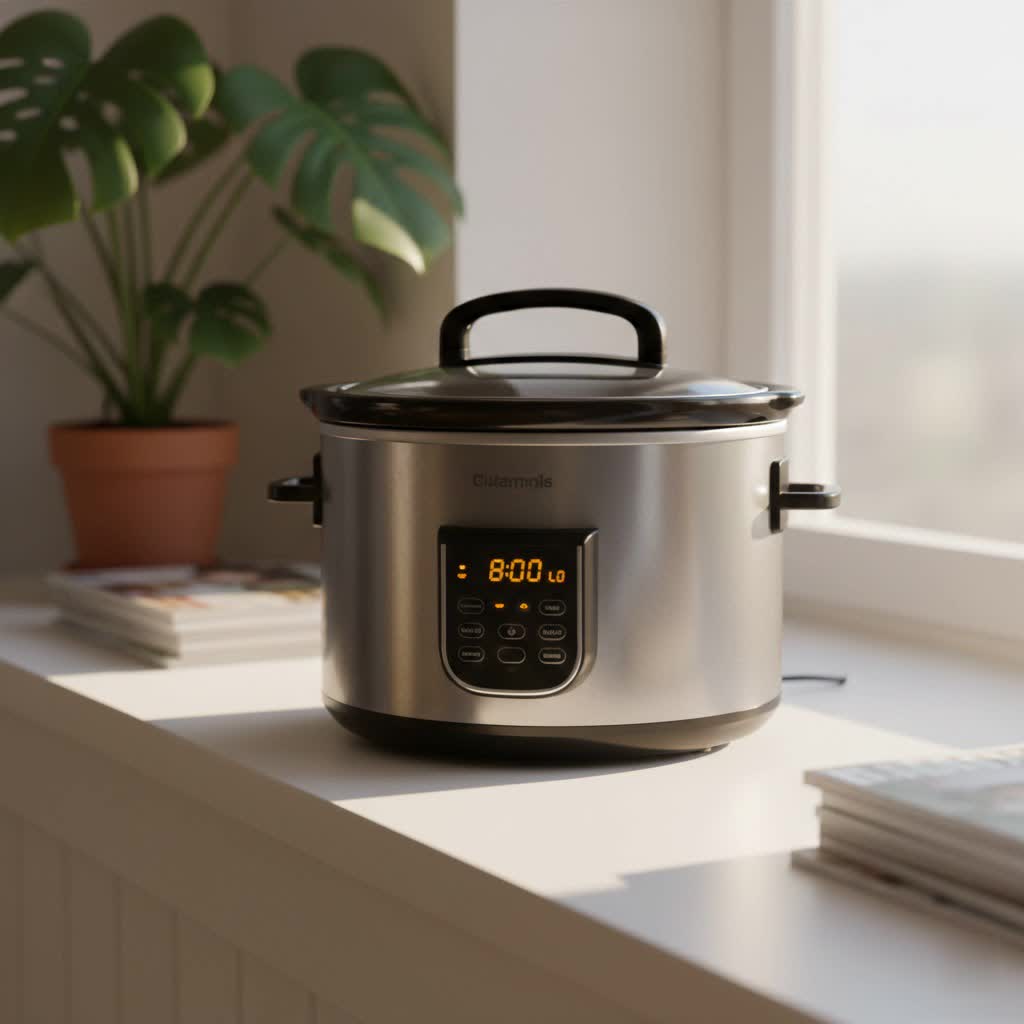
Waking up to a warm, perfectly cooked bowl of oatmeal can transform your morning. But let’s be honest, standing over a stove, stirring constantly, isn’t always feasible with a busy schedule. Enter the Oatmeal Cooker – a seemingly simple appliance that promises hands-free convenience and consistent results. If you’re tired of burnt bottoms or lumpy porridge, this guide is for you. We’ll explore everything from what an oatmeal cooker is to how to choose the best one, ensuring your breakfast routine is both delicious and stress-free.
What is an Oatmeal Cooker?
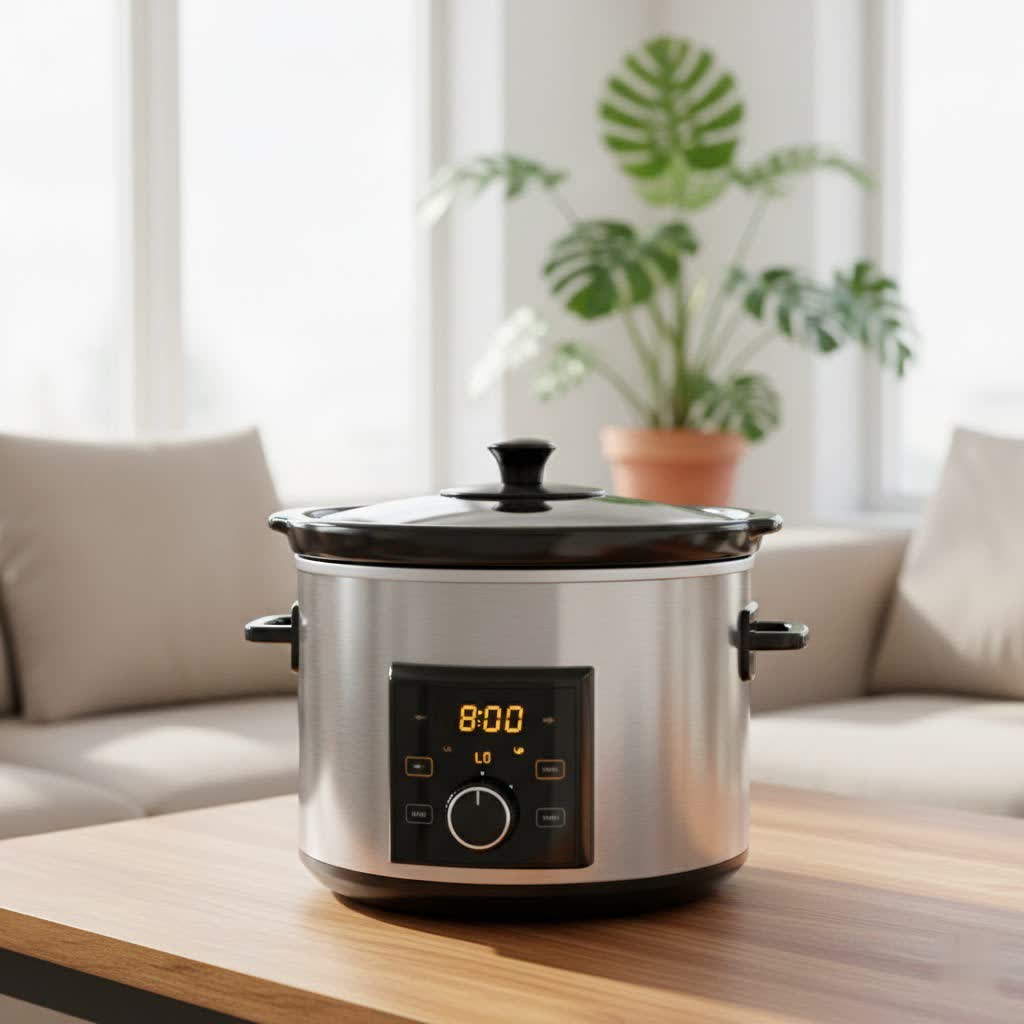
An oatmeal cooker is a kitchen appliance designed to automate the process of cooking oats. While some dedicated models exist, the term “oatmeal cooker” often refers to versatile electric appliances like rice cookers or mini multi-cookers that feature specific settings optimized for preparing various types of oats, including steel-cut, rolled, and quick oats. Its primary function is to heat water and oats gently and consistently, ensuring they absorb the liquid thoroughly without burning or boiling over.
The principle behind most electric oatmeal cookers is similar to that of a rice cooker. It involves an inner pot where oats and liquid are placed, surrounded by a heating element. A thermostat or micro-computer controls the temperature, bringing the mixture to a boil and then simmering it until the oats are tender and the liquid is absorbed. This automated process liberates you from constant stirring and monitoring, allowing you to prepare a nutritious breakfast with minimal effort.
Historically, preparing oatmeal was primarily a stovetop affair, requiring patience and attention. As kitchen technology advanced, the functionality of rice cookers naturally extended to other grains. Manufacturers began incorporating “porridge” or “oatmeal” settings into their rice cookers, recognizing the growing demand for convenient breakfast solutions. Today, dedicated personal oatmeal makers also exist, often compact and designed for single or double servings.
The main components of a typical oatmeal cooker include a removable inner pot, often with a non-stick coating for easy cleaning; a heating plate at the base; a control panel with various settings and a start button; a lid, which may be hinged or removable and sometimes features a locking mechanism; and a steam vent to regulate pressure and prevent overflow. Advanced models might also include digital displays, delay timers, and automatic keep-warm functions.
Advantages and Disadvantages of an Oatmeal Cooker
While an oatmeal cooker can be a game-changer for breakfast lovers, it’s important to weigh its pros and cons to determine if it’s the right fit for your kitchen and lifestyle.
Advantages
- Time and Effort Saving: The most significant benefit is the hands-free operation. You simply add your oats and liquid, select a setting, and walk away. Many models offer a delay start feature, allowing you to prep ingredients the night before and wake up to a fresh, hot breakfast.
- Consistent Cooking: Oatmeal cookers provide even heat distribution and controlled cooking cycles, which significantly reduces the risk of burning, sticking, or undercooking. This results in perfectly creamy and tender oatmeal every time, unlike the variability often experienced with stovetop methods.
- Nutrient Preservation: Gentle, consistent cooking, especially with steel-cut oats, can help retain more nutrients compared to harsh, high-heat methods. For some, using a cooker also encourages overnight soaking, which can further enhance nutrient absorption by breaking down phytic acid.
- Versatility Beyond Oats: Many electric oatmeal cookers are actually multi-functional rice cookers or mini hot pots, capable of preparing other grains like rice, quinoa, farro, and even small soups or stews. This makes them a more versatile appliance than their name might suggest.
- Safety and Convenience Features: Modern oatmeal cookers often include automatic shut-off, boil-dry protection, and keep-warm functions. The keep-warm setting is particularly useful for families who eat breakfast at different times, ensuring everyone gets a hot meal.
|
Our Picks for the Best Slow Cooker in 2026
We may earn a commission when you use one of our links to make a purchase.
|
||
| Num | Product | Action |
|---|---|---|
| 1 | Crock-Pot 6 Quart Programmable Slow Cooker with Timer and Auto Food Warmer Setting, Stainless Steel |

|
| 2 | Ninja MC1101 Foodi Everyday Possible Cooker Pro, 8-in-1 Versatility, One-Pot Faster Cooking Replaces 10 Tools, Family-Sized Capacity with Adjustable Temp Control, 6.5 quarts, Midnight Blue |
|
| 3 | 8-Quart Digital Programmable Slow Cooker with Timer - Small Kitchen Appliance for Family Dinners - Serves 10+ People - Heat Settings: Keep Warm, Low and High |
|
| 4 | Ninja® 12-in-1 PossibleCooker™ PLUS - 8.5-qt - Sous Vide & Proof Multi-Cooker - Slow Cooker, Dutch Oven & More - Glass Lid & Integrated Spoon - Nonstick - Oven Safe Pot to 500°F - Black - MC1010 |
|
| 5 | Crock-Pot Large 8-Quart Programmable Slow Cooker with Auto Warm Setting Black Stainless Steel |
|
| 6 | Crock-Pot 6 Quart Cook & Carry Programmable Slow Cooker with Digital Timer Stainless Steel (CPSCVC60LL-S) pack of 1 |
|
| 7 | 3.2L Natural Unglazed Earthenware Casserole,Yixing Zisha Clay Pot for Cooking, Healthy Slow Cooker for Soup, Stew, Rice -Zhuni,Red |
|
| 8 | 3.2L Natural Unglazed Earthenware Casserole,Yixing Zisha Clay Pot for Cooking, Healthy Slow Cooker for Soup, Stew, Rice -Zini,Purple |
|
| 9 | Ninja MC1001 Foodi PossibleCooker PRO 8.5 Quart Multi-Cooker, with 8-in-1 Slow Cooker, Dutch Oven, Steamer, Glass Lid Integrated Spoon, Nonstick, Oven Safe Pot to 500°F, Sea Salt Gray |
|
| 10 | Crock-Pot 7 Quart Oval Manual Slow Cooker, Stainless Steel (SCV700-S-BR), Versatile Cookware for Large Families or Entertaining |
|
Disadvantages
- Longer Cooking Time (for certain oats): While hands-free, cooking steel-cut oats in an oatmeal cooker or rice cooker can still take 40 minutes to over an hour, or several hours in a slow cooker. This might not be ideal if you need instant gratification, though the delay timer mitigates this.
- Limited Temperature Precision: More basic models may not offer fine-tuned temperature adjustments, which can be a drawback for those who prefer very specific textures or are experimenting with different oat types. This can sometimes lead to overly soft oats if not monitored.
- Potential for Overflow: Oats can foam significantly during cooking, and if the cooker’s design doesn’t adequately account for this or if the liquid ratio is incorrect, it can lead to messy boil-overs. Proper water-to-oat ratios and not overfilling the pot are crucial.
- Countertop Space: While some models are compact, adding another appliance to your kitchen can contribute to clutter, especially in smaller spaces.
- Initial Investment: While budget-friendly options exist, high-quality, multi-functional oatmeal cookers (especially advanced rice cookers) can represent a moderate investment compared to a simple pot on the stove.
Types of Oatmeal Cookers
The landscape of “oatmeal cookers” is diverse, ranging from simple microwave accessories to sophisticated multi-grain appliances. Understanding the different types can help you pinpoint the best option for your specific needs.
Classification by Design and Functionality
The most common “oatmeal cookers” fall into these categories:
- Dedicated Electric Oatmeal Makers: These are purpose-built appliances specifically designed for cooking oats and other hot cereals. They are typically compact, ideal for single or small servings, and feature straightforward controls. Brands like Hamilton Beach offer personal oatmeal makers with pre-programmed settings for different oat types. Their compact size makes them perfect for dorm rooms or small kitchens.
- Rice Cookers with Porridge/Oatmeal Settings: This is arguably the most popular and versatile type of “oatmeal cooker.” Many modern rice cookers, especially those with micro-computerized (Micom) or induction heating (IH) technology, include dedicated settings for “porridge” or “oatmeal.” These settings adjust cooking time and temperature specifically for oats, often accommodating both rolled and steel-cut varieties. Brands like Zojirushi, Cuckoo, and Aroma are well-known for their quality rice cookers that excel at cooking oatmeal. They are excellent for those who already own or plan to buy a rice cooker and want to maximize its utility.
- Electric Hot Pots / Mini Multi-Cookers: These are small, versatile electric pots that can boil water, cook noodles, steam vegetables, and also effectively prepare oatmeal. They typically have variable temperature controls and may or may not have specific “oatmeal” presets. Examples include the Dezin Hot Pot Electric Cooker. They are great for small apartments, offices, or travel due to their portability and multi-use design.
- Microwave Oatmeal Cookers: These are typically BPA-free plastic bowls or containers designed for cooking oatmeal quickly in the microwave. They are the simplest and most budget-friendly option, but they require microwave supervision to prevent boil-overs and don’t offer the same hands-free convenience or precise temperature control of electric models. Products like the “Rapid Oatmeal Cooker” often fall into this category.
- Slow Cookers: While not specifically an “oatmeal cooker,” a slow cooker is an excellent tool for preparing large batches of steel-cut oatmeal, especially overnight. The low, slow heat yields incredibly creamy results. However, they are generally larger than dedicated oatmeal or rice cookers, and some users report a slight crust forming on the bottom edges. They lack specific “oatmeal” settings and require manual calculation of cooking times and liquid ratios.
Comparing Oatmeal Cooking Methods
| Feature / Appliance | Dedicated Oatmeal Maker | Rice Cooker (with Oat setting) | Electric Hot Pot/Mini Cooker | Slow Cooker (for Oats) | Microwave Oatmeal Cooker |
|---|---|---|---|---|---|
| Primary Use | Oats, hot cereals | Rice, grains, oats | Multi-purpose, small meals | Slow cooking, batch oats | Quick microwave oats |
| Cooking Time (Steel-cut) | 40-75 minutes | 40-90 minutes | Varies, often 30-60 mins | 4-8 hours (low setting) | 2-5 minutes |
| Capacity | Small (1-2 servings) | Small to Large (1-10 cups) | Small (1-3 servings) | Medium to Large (2-7 qt) | Single serving |
| Hands-Free | High | High (with timer) | Moderate (requires monitoring) | High (overnight) | Low (requires monitoring) |
| Texture Consistency | Very good | Excellent | Good | Excellent (creamy) | Variable (can be lumpy) |
| Keep Warm Function | Common | Common | Often included | Standard | No |
| Programmable Timer | Common | Common | Less common | Common | No |
| Versatility | Limited | High | High | Moderate | Very limited |
| Price Range | Low to Mid | Mid to High | Low to Mid | Low to Mid | Very Low |
| Ideal For | Personal use, basic oats | Versatile cooking, all oat types | Dorms, travel, quick meals | Large batches, overnight | Instant oats, ultimate speed |
Choosing the Right Oatmeal Cooker: A Comprehensive Buying Guide
Selecting the perfect oatmeal cooker involves understanding your personal habits, kitchen space, and desired features. Here’s a detailed guide to help you make an informed decision.
1. Assess Your Usage Needs
Before diving into features, consider how you’ll use the appliance:
- Frequency: Do you eat oatmeal daily, or only occasionally? A daily user will benefit from advanced features and durability, while an occasional user might prefer a simpler, more affordable model.
- Type of Oats: If you primarily cook quick or rolled oats, almost any cooker will suffice. However, if steel-cut oats are your preference (known for their chewy texture and health benefits), look for models with specific “steel-cut” or “porridge” settings, as they require longer, more controlled cooking.
- Other Grains: If you also plan to cook rice, quinoa, or other grains, a multi-functional rice cooker with a dedicated oatmeal setting offers excellent value and saves counter space.
2. Determine the Right Capacity
Capacity is crucial for efficiency and convenience. Oatmeal cooker capacities are often measured in “cups” (referring to uncooked rice, which expands significantly).
- Small (under 3 cups uncooked, yields 1-2 servings): Ideal for singles, couples, or individuals preparing personal portions. These are compact and don’t take up much counter space.
- Medium (3-5 cups uncooked, yields 2-4 servings): A good all-around size for small families or individuals who like to meal prep a few servings at once.
- Large (over 5 cups uncooked, yields 4+ servings): Best for larger families, batch cooking for the week, or entertaining. Keep in mind that larger cookers may not perform as well with very small batches.
3. Consider Inner Pot Material and Design
The inner pot is where the magic happens, and its material affects cooking performance and ease of cleaning.
- Non-Stick Coatings (e.g., ceramic or PTFE-based): Most common, making cleanup a breeze and preventing oats from sticking. Ensure it’s durable and PFOA-free.
- Stainless Steel: A durable, non-reactive option preferred by some for health reasons. While less prone to scratching than non-stick, it may require a bit more effort to clean if oats stick.
- Removable and Dishwasher-Safe: A removable inner pot is essential for easy serving and cleaning. Dishwasher-safe components further simplify maintenance.
4. Essential Features to Look For
Modern oatmeal cookers come with a variety of features that enhance convenience and control:
- Pre-programmed Settings: Look for specific “oatmeal,” “porridge,” or “steel-cut oats” settings. These optimize cooking time and temperature for perfect results without guesswork.
- Delay Start Timer: This is a fantastic feature that allows you to add ingredients hours in advance (e.g., before bed) and program the cooker to start cooking at a specific time, so hot oatmeal is ready when you wake up.
- Automatic Keep-Warm Function: Once cooking is complete, this feature keeps the oatmeal warm without overcooking, ideal for staggered breakfast times.
- Auto Shut-off and Boil-Dry Protection: Essential safety features that prevent overheating and damage to the appliance if the liquid runs out.
- User-Friendly Controls: Clear, intuitive buttons or a digital display make operation simple.
- Lid Design: A well-fitting, often locking lid prevents spills and retains heat efficiently. A removable inner lid also aids in cleaning.
5. Reputable Brands
Investing in a reliable brand ensures quality and longevity. Some highly-rated brands known for excellent rice cookers (which double as oatmeal cookers) include:
- Zojirushi: Known for premium quality, advanced cooking technology (Micom, IH), and excellent steel-cut oat results.
- Cuckoo: Another top-tier brand, often featuring pressure cooking for faster and more efficient grain preparation, including oats.
- Aroma Housewares: Offers a range of rice cookers, including budget-friendly options that perform well for oatmeal.
- Hamilton Beach: Known for affordable and reliable kitchen appliances, including dedicated personal oatmeal makers and basic rice cookers.
- Dash: Popular for compact, mini appliances, including small rice cookers that are great for single servings of oatmeal.
Top 5 Oatmeal Cookers for Your Kitchen (Expert Picks)
As someone who has extensively tested kitchen appliances, I understand the value of reliable performance and thoughtful design. Here are my top recommendations for oatmeal cookers, considering versatility, ease of use, and overall value.
-
Zojirushi Induction Heating Rice Cooker & Warmer (NW-QAC10 Series):
- Overview: Often considered the gold standard for grain cooking, Zojirushi’s IH models excel with precise temperature control and dedicated settings for various rice types, including a “porridge” setting perfect for steel-cut oats. Its induction heating ensures even cooking, minimizing sticking.
- Pros: Exceptional consistency, advanced features, durable build, versatile for other grains, excellent keep-warm function.
- Cons: Higher price point, can be complex for first-time users.
- Best For: Serious home cooks, those seeking ultimate control and perfect texture, daily oatmeal and rice eaters.
-
Cuckoo 6-Cup Micom Rice Cooker (CRP-P1009SB):
- Overview: Cuckoo rice cookers are known for their strong performance, often incorporating pressure cooking for faster and fluffier results. Their Micom technology allows for precise adjustments, and many models feature a dedicated “porridge” setting.
- Pros: Fast cooking with pressure, excellent for steel-cut oats, versatile (rice, quinoa), self-cleaning function.
- Cons: Can be expensive, slightly larger footprint.
- Best For: Those who want speed and quality, large families, and enthusiasts of Korean kitchen tech.
-
Aroma Housewares ARC-994SB 20-Cup Digital Multicooker:
- Overview: This is a highly popular and budget-friendly option that punches above its weight. While primarily a rice cooker, it features “porridge” and “slow cook” settings that make it an effective oatmeal cooker. Its large capacity is a plus for families.
- Pros: Affordable, large capacity, decent performance for oatmeal, multi-functional (rice, steam).
- Cons: Less precise than premium brands, porridge setting might require monitoring for desired texture.
- Best For: Budget-conscious buyers, larger families, those new to electric grain cooking.
-
Dash Mini Rice Cooker (2-Cup):
- Overview: This ultra-compact appliance is perfect for single servings or small portions. Despite its size, it can handle both regular and steel-cut oats, though you might need to experiment with liquid ratios. Its simplicity makes it very user-friendly.
- Pros: Extremely compact, affordable, great for personal use, simple one-touch operation.
- Cons: Limited capacity, not as many advanced features, might overflow if overfilled with foamy oats.
- Best For: Singles, dorm rooms, small kitchens, travelers, or those who need a quick single serving.
-
Dezin Hot Pot Electric Cooker (1.5L):
- Overview: While primarily an electric hot pot, many users find this type of appliance to be a surprisingly effective and versatile oatmeal cooker. It offers adjustable temperature control and a non-stick coating.
- Pros: Highly versatile (sauté, boil, simmer), compact, easy to clean, can cook more than just oats.
- Cons: No dedicated “oatmeal” presets, requires manual temperature adjustment and monitoring, potential for boil-over if not watched.
- Best For: Students, small living spaces, minimalists seeking multi-purpose appliances, experimental cooks.
How to Use and Maintain Your Oatmeal Cooker
Proper use and maintenance will ensure your oatmeal cooker performs optimally and lasts for years. Following these simple guidelines will help you achieve perfect oatmeal every time and keep your appliance in top condition.
Using Your Oatmeal Cooker Safely and Effectively
- Read the Manual: Always start by consulting your appliance’s user manual. Each model has specific recommendations for water-to-oat ratios, cooking times, and settings.
- Measure Accurately: Use the measuring cup provided with your cooker for oats and follow the suggested liquid lines inside the pot, especially for rice cookers where measurements might differ from standard kitchen cups.
- General Ratios: For rolled oats, a common ratio is 1 part oats to 2 parts liquid. For steel-cut oats, you typically need more liquid, often 1 part oats to 3-4 parts liquid, depending on desired consistency.
- Prevent Overflow: Oatmeal, especially steel-cut, can foam significantly during cooking. Never fill the inner pot beyond the maximum fill line. Some recommend adding a tiny bit of butter or oil to the water to help reduce foaming.
- Select the Right Setting: If your cooker has a “porridge” or “oatmeal” setting, use it. These settings are designed to manage foaming and cooking time. If not, use the “white rice” or “slow cook” (on low) setting and monitor closely.
- Use the Delay Timer: For steel-cut oats, prep your ingredients the night before and use the delay start function to have fresh, hot oatmeal waiting for you in the morning.
- Avoid Opening Lid Frequently: Resist the urge to peek during cooking, as this releases steam and heat, which can affect the final texture and extend cooking time.
- Stir After Cooking: Once cooking is complete, give your oatmeal a good stir to achieve a consistent, creamy texture before serving.
Cleaning and Storage Best Practices
Maintaining your oatmeal cooker is straightforward, especially if it has non-stick, removable parts.
- Unplug Before Cleaning: Always ensure the appliance is unplugged and cooled down before you begin cleaning.
- Clean the Inner Pot: For non-stick pots, wash with warm, soapy water and a soft sponge. Avoid abrasive scrubbers or harsh detergents, which can damage the coating. If oats are stuck, soak the pot for a short while before washing. For stainless steel, you might need a bit more scrubbing, but soaking helps immensely.
- Wipe Down the Exterior: Use a damp cloth to wipe the exterior body of the cooker. Never immerse the main unit in water.
- Clean the Lid and Steam Vent: If your lid is removable or has a detachable inner lid, wash it thoroughly. Pay attention to cleaning the steam vent, as oat residue can accumulate there and affect performance.
- Dry Thoroughly: Ensure all parts are completely dry before reassembling and storing the cooker to prevent rust or mildew.
- Proper Storage: Store your oatmeal cooker in a cool, dry place. If it’s a compact model, it can often remain on the countertop for easy access.
Common Issues and Troubleshooting
- Oatmeal is too thick/dry: Add more liquid next time, or stir in a splash of milk or water after cooking until desired consistency is reached. You might also be overcooking it – reduce cooking time slightly.
- Oatmeal is too thin/watery: Reduce the liquid slightly next time, or cook for a bit longer if your cooker allows.
- Oatmeal overflowed: You likely overfilled the pot or used too much liquid. Ensure you stay below the max fill line and adjust your liquid-to-oat ratio. Adding a small amount of fat can also help prevent excessive foaming.
- Oatmeal stuck to the bottom: This often happens with older non-stick coatings or if the cooker is overcooking. Ensure proper liquid ratios, consider a cooking liner for slow cookers, or if the non-stick is failing, it might be time for a new pot or cooker.
> “The secret to perfectly cooked oats isn’t just about the recipe, it’s about understanding your cooker. Treat it well, and it will reward you with countless comforting breakfasts.” – [Your Name/Reviewerty.com Admin], Slow Cooker Expert
Conclusion
The humble oatmeal cooker, whether a dedicated appliance or a multi-functional rice cooker, offers a transformative approach to preparing one of the healthiest and most comforting breakfast staples. By taking the guesswork and constant stirring out of the equation, these devices ensure consistent, creamy results with minimal effort. From busy professionals to families seeking a nutritious start to their day, an oatmeal cooker provides the convenience and reliability needed to make healthy eating a breeze.
Choosing the right model involves considering your lifestyle, preferred oat type, and desired features like programmable timers and versatile cooking options. With the right oatmeal cooker on your countertop, you’re not just buying an appliance; you’re investing in smoother mornings, delicious meals, and a healthier routine. So, are you ready to simplify your breakfast and discover the joy of perfectly cooked oatmeal?
Frequently Asked Questions
Can I use a regular rice cooker as an oatmeal cooker?
Absolutely! Many modern rice cookers include a “porridge” or “oatmeal” setting that is specifically designed for cooking oats, especially steel-cut varieties. These settings adjust cooking temperature and time to ensure proper absorption and creamy texture, making a rice cooker a highly versatile oatmeal cooker.
How much water do I use for steel-cut oats in an oatmeal cooker?
For steel-cut oats, a common starting ratio is 1 part oats to 3-4 parts liquid (water or milk). However, this can vary based on your specific cooker model and desired consistency. It’s best to consult your cooker’s manual or experiment with ratios to find your perfect preference.
Can I put milk in my oatmeal cooker?
Yes, you can use milk in most oatmeal cookers and rice cookers. Keep in mind that milk can foam more than water and may have a higher tendency to scorch on the bottom if not properly monitored or if the cooker doesn’t have a specific milk porridge setting. Using a combination of milk and water is often recommended.
How do I prevent oatmeal from overflowing in the cooker?
To prevent overflow, never fill the inner pot above the maximum liquid line indicated by the manufacturer. Using the correct water-to-oat ratio is crucial. Additionally, adding a tiny amount of butter or oil to the cooking liquid can help reduce foaming during the cooking process.
Is an oatmeal cooker easy to clean?
Most electric oatmeal cookers are designed for easy cleanup, often featuring non-stick inner pots that are removable and, in many cases, dishwasher-safe. Always ensure the appliance is cool and unplugged before cleaning, and avoid abrasive scrubbers to protect non-stick surfaces.