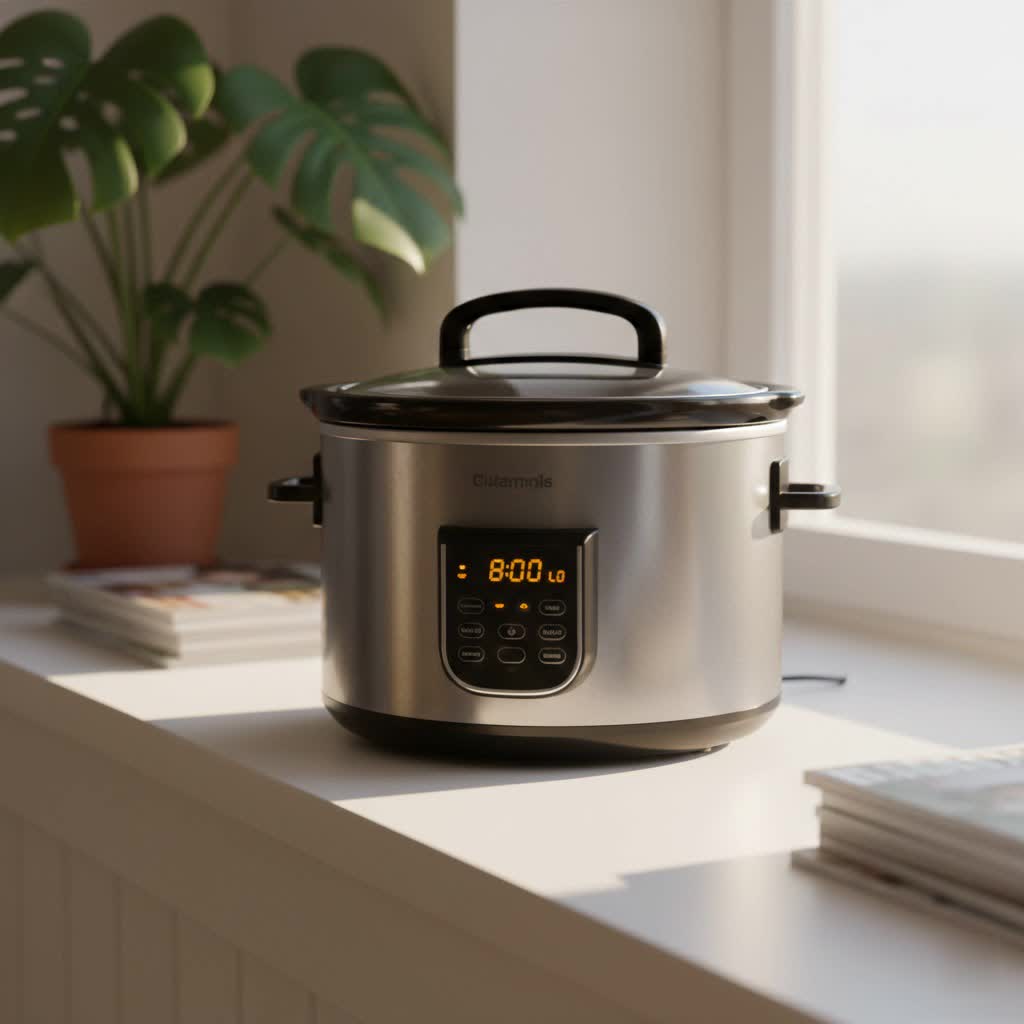
In the fast-paced rhythm of modern life, the quest for a kitchen appliance that simplifies meal preparation while adding a touch of elegance is ever-present. Enter the slow cooker – a timeless culinary companion that has graced kitchens for decades, now reimagined with sleek designs and advanced features. Among the myriad of choices, the white slow cooker stands out, not just for its functional prowess but also for its ability to seamlessly integrate into any kitchen aesthetic, from minimalist to classic. As an experienced technician with a decade of expertise in slow cookers, I’m here to guide you through the world of these essential appliances, focusing on how a white model can be the perfect blend of style and substance for your home.
What is a Slow Cooker?
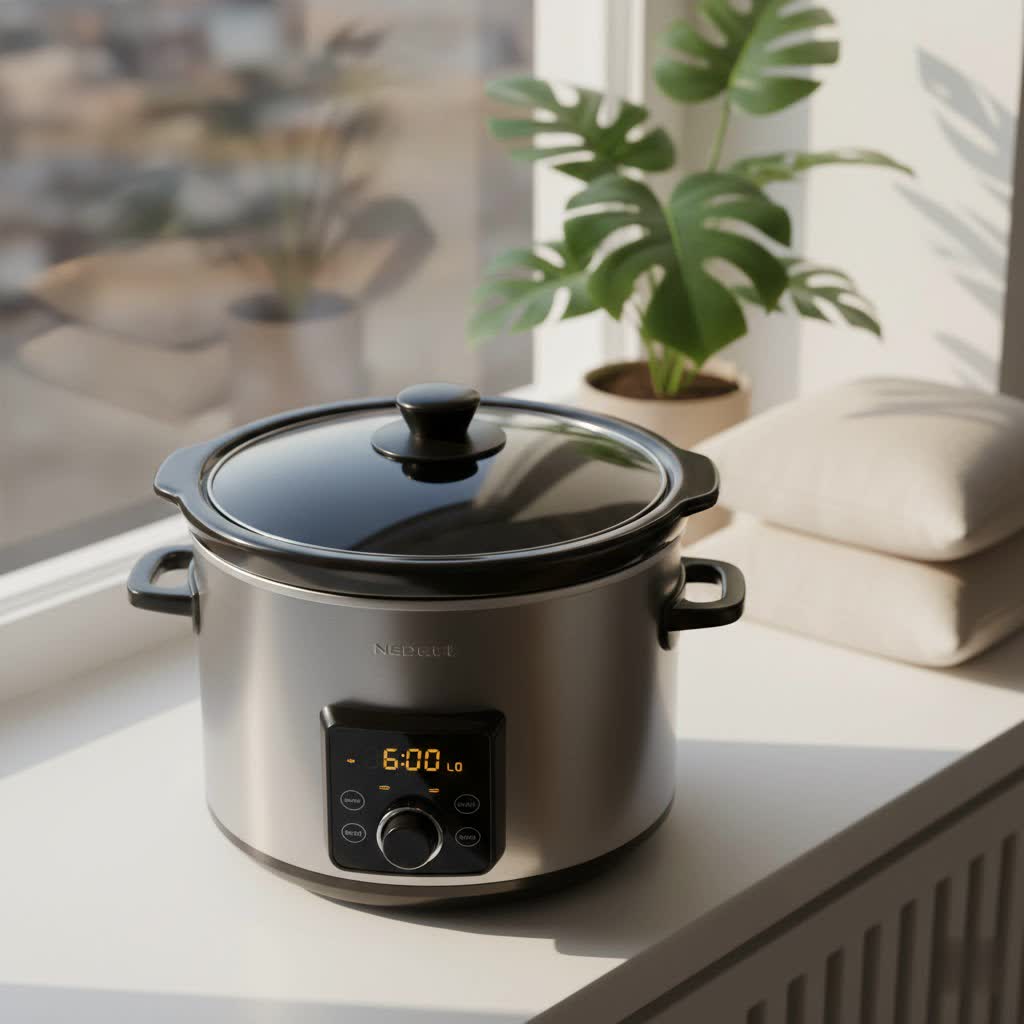
A slow cooker is an electric countertop appliance that simmers food at a low temperature for an extended period, typically between six to eight hours. This method of cooking allows for tender, flavorful results with minimal effort, making it a favorite for busy individuals and families alike. The appliance first gained widespread popularity in the 1970s, rebranded as the Crock-Pot, and has since evolved significantly from its early bean-cooking days.
At its core, a slow cooker consists of a few main components:
- Outer Casing: Usually made of metal, housing the heating element.
- Ceramic or Metal Insert (Crock): This removable pot holds the food and is where the cooking takes place. White ceramic inserts are particularly popular for their aesthetic appeal and heat retention.
- Lid: Typically made of glass, allowing you to monitor the cooking progress without lifting it and releasing heat.
- Heating Element: Located at the bottom and sides of the casing, it provides gentle, even heat to the insert.
- Control Panel: Ranging from simple manual dials to advanced digital displays with programmable settings.
The principle behind a slow cooker’s operation is straightforward: the heating element warms the insert, which then slowly cooks the food inside. The tight-fitting lid traps moisture and heat, creating a self-basting environment that breaks down tough cuts of meat and infuses ingredients with deep flavors.
Advantages and Disadvantages of Slow Cookers
Slow cookers offer a unique blend of convenience and culinary benefits, but they also come with a few considerations.
Advantages
The benefits of incorporating a slow cooker into your kitchen routine are numerous, making it a true workhorse appliance.
- Time and Effort Saving: One of the most significant advantages is the “set-it-and-forget-it” nature of slow cooking. You can prepare ingredients in the morning, load the cooker, and return home to a hot, ready-to-eat meal. This hands-off approach frees up your time for other activities.
- Flavor and Nutrient Retention: The low and slow cooking process allows flavors to meld beautifully, creating rich, deep tastes that are hard to achieve with faster cooking methods. Furthermore, this gentle heat helps to preserve more nutrients compared to high-heat cooking.
- Versatility in Dishes: From savory stews, soups, and roasts to delectable desserts and even breakfast items like oatmeal, a slow cooker can handle a surprising variety of recipes. Some modern slow cookers even offer multi-functional capabilities like sautéing, steaming, and searing.
- Safety and Ease of Use: Slow cookers are incredibly user-friendly. Most models have intuitive controls, and their enclosed design means less risk of splatters or burns compared to stovetop cooking. The exterior often stays cool to the touch, enhancing safety.
- Energy Efficiency: Slow cookers typically use less electricity than traditional ovens or stovetop cooking, even with their longer cooking times. This can contribute to lower utility bills and more eco-friendly cooking practices.
- Aesthetic Appeal (Especially White Models): A white slow cooker offers a clean, classic, and timeless look that can brighten any kitchen. White appliances can make a kitchen feel larger and brighter by reflecting light, and they blend seamlessly with various color schemes and design styles. They also tend to show fingerprints and smudges less than darker or stainless steel finishes, simplifying maintenance.
|
Our Picks for the Best Slow Cooker in 2026
We may earn a commission when you use one of our links to make a purchase.
|
||
| Num | Product | Action |
|---|---|---|
| 1 | Ninja MC1101 Foodi Everyday Possible Cooker Pro, 8-in-1 Versatility, One-Pot Faster Cooking Replaces 10 Tools, Family-Sized Capacity with Adjustable Temp Control, 6.5 quarts, Midnight Blue |

|
| 2 | 3.2L Natural Unglazed Earthenware Casserole,Yixing Zisha Clay Pot for Cooking, Healthy Slow Cooker for Soup, Stew, Rice -Zhuni,Red |
|
| 3 | Ninja MC1001 Foodi PossibleCooker PRO 8.5 Quart Multi-Cooker, with 8-in-1 Slow Cooker, Dutch Oven, Steamer, Glass Lid Integrated Spoon, Nonstick, Oven Safe Pot to 500°F, Sea Salt Gray |
|
| 4 | Ninja® 12-in-1 PossibleCooker™ PLUS - 8.5-qt - Sous Vide & Proof Multi-Cooker - Slow Cooker, Dutch Oven & More - Glass Lid & Integrated Spoon - Nonstick - Oven Safe Pot to 500°F - Black - MC1010 |
|
| 5 | 3.2L Natural Unglazed Earthenware Casserole,Yixing Zisha Clay Pot for Cooking, Healthy Slow Cooker for Soup, Stew, Rice -Zini,Purple |
|
| 6 | Crock-Pot 6 Quart Cook & Carry Programmable Slow Cooker with Digital Timer Stainless Steel (CPSCVC60LL-S) pack of 1 |
|
| 7 | Crock-Pot 6 Quart Programmable Slow Cooker with Timer and Auto Food Warmer Setting, Stainless Steel |
|
| 8 | Crock-Pot 7 Quart Oval Manual Slow Cooker, Stainless Steel (SCV700-S-BR), Versatile Cookware for Large Families or Entertaining |
|
| 9 | Crock-Pot Large 8-Quart Programmable Slow Cooker with Auto Warm Setting Black Stainless Steel |
|
| 10 | 8-Quart Digital Programmable Slow Cooker with Timer - Small Kitchen Appliance for Family Dinners - Serves 10+ People - Heat Settings: Keep Warm, Low and High |
|
Disadvantages
While the advantages are compelling, it’s also important to acknowledge the drawbacks.
- Long Cooking Times: As the name suggests, slow cookers take a significant amount of time to cook food, which may not be suitable for spontaneous meals or quick preparations.
- Difficulty in Precise Temperature Adjustment: Most slow cookers offer limited temperature settings (e.g., Low, High, Warm), making precise temperature control challenging for certain recipes.
- Risk of Overcooking: If left for too long or if the recipe isn’t adjusted correctly, some delicate foods can become mushy or overcooked due to the prolonged heat.
- Size and Countertop Space: Slow cookers, especially larger capacity models, can take up considerable counter or storage space, which might be a concern for smaller kitchens.
Popular Types of Slow Cookers
Slow cookers come in various forms, each offering unique features and aesthetics. Understanding these classifications can help you pinpoint the best model for your needs.
Classification by Shape
The shape of a slow cooker’s insert often dictates the types of dishes it’s best suited for.
- Round: These are traditional and common, ideal for soups, stews, and casseroles.
- Oval: Excellent for larger cuts of meat like roasts, whole chickens, or ribs, as they accommodate longer food items better.
- Square/Rectangular: Often found in multi-cooker or casserole-style slow cookers, providing a broader surface area for browning or fitting specific casserole dishes.
Classification by Material
The material of the cooking insert significantly impacts performance and durability.
- Ceramic: Ceramic inserts are known for their superior heat retention and even heat distribution, ensuring consistent cooking results. They are also naturally non-reactive, making them suitable for acidic foods, and often come with a sleek, glossy finish, frequently available in white. White ceramic inserts can add a bright, clean look to your kitchen.
- Metal (Aluminum/Stainless Steel with Non-stick Coating): Lighter than ceramic, metal inserts (often aluminum with a non-stick coating or stainless steel) heat up faster and are typically more budget-friendly. Some metal inserts are hob-safe, allowing you to sear ingredients directly on the stovetop before slow cooking, which reduces washing up. However, the non-stick coatings might have a shorter lifespan compared to ceramic.
Classification by Features
Modern slow cookers go beyond basic slow cooking, offering a range of functionalities.
- Manual Slow Cookers: These are the simplest, typically offering “Low,” “High,” and “Warm” settings controlled by a dial. They are affordable and reliable for basic slow cooking.
- Programmable Slow Cookers: These models allow you to set specific cooking times, after which they often automatically switch to a “Warm” setting. This feature provides greater flexibility and peace of mind.
- Multi-functional Slow Cookers: These versatile appliances combine slow cooking with other cooking methods such as pressure cooking, sautéing, steaming, and even yogurt making. They are ideal for saving space and expanding your culinary repertoire. Some multi-cookers, like the Ninja PossibleCooker, even offer specific presets for rice.
Comparing Slow Cooker Types
To help you decide, here’s a comparison of common slow cooker types, including considerations for white models:
| Feature | Ceramic Insert Slow Cooker | Metal Insert Slow Cooker (e.g., Aluminum with coating) | Multi-Cooker (with Slow Cook Function) |
|---|---|---|---|
| Material | Heavy ceramic or stoneware | Aluminum or stainless steel, often with non-stick coating | Various, including ceramic-coated aluminum or stainless steel |
| Heat Performance | Excellent heat retention, very even and consistent heat | Heats up faster, but might have less even heat distribution | Varies by model; generally good, especially with ceramic-coated pots |
| Weight | Heavier, sturdier | Lighter, easier to move | Moderate to heavy, depending on features |
| Durability | Very durable, scratch-resistant (crock) | Coating can degrade over time | Good, but depends on the quality of internal components |
| Cleaning | Typically easy to clean, often dishwasher safe | Easy to clean if non-stick, but non-stick can wear | Often dishwasher safe inserts; more components to clean |
| Aesthetics (White Options) | Often available with a glossy white finish, providing a classic and clean look | Less common in pure white exteriors; interior might be lighter | Some models offer white or light-colored finishes for modern kitchens |
| Versatility | Primarily slow cooking | Primarily slow cooking; some hob-safe inserts | Highly versatile (pressure cook, sauté, steam, etc.) |
| Price Range | Mid-range to high-end | Budget-friendly to mid-range | Mid-range to high-end |
| Common Brands | Crock-Pot, Hamilton Beach, Cuisinart, GreenPan, Brentwood | Crock-Pot, Hamilton Beach, Instant Pot (for some models) | Instant Pot, Cuisinart, Ninja, Our Place |
Buying Guide for Your Perfect Slow Cooker
Choosing the right slow cooker involves assessing your lifestyle and preferences. Here’s what to consider:
Determine Your Usage Needs
Before diving into models, think about how you’ll use the appliance.
- Family Size: How many people do you typically cook for? This will directly influence the capacity you need.
- Frequent Dishes: Are you mostly making soups and stews, or do you plan to cook larger roasts and poultry?
- Budget: Slow cookers range widely in price, so setting a budget will help narrow down options.
Choose the Right Capacity
Capacity is measured in quarts or liters.
- Small (1-3 liters/quarts): Ideal for single servings, dips, or cooking for one to two people. A 1.5-quart Brentwood model is a good example for small needs.
- Medium (3-5 liters/quarts): Suitable for two to four people. This is a popular size for everyday family meals.
- Large (5+ liters/quarts): Best for larger families (5+ people), entertaining, or batch cooking and meal prepping. Models like the Cuisinart Cook Central 6-Quart or the Instant Superior Cooker 7.5-Quart are excellent choices for larger needs.
Select the Right Material
The material of the cooking pot influences performance, durability, and appearance.
- Ceramic/Stoneware: Favored for even heating, excellent heat retention, and often a more traditional or elegant look. If you desire a white slow cooker, ceramic inserts are frequently available with a clean, glossy white finish that can be a centerpiece in your kitchen. They are also generally non-reactive with acidic foods and easy to clean.
- Metal (e.g., Aluminum with non-stick coating): Lighter and can be more versatile if hob-safe. While the exterior can be various colors, a white exterior would offer similar aesthetic benefits to a ceramic model. Consider “non-toxic” ceramic-coated aluminum options for health-conscious choices.
Essential Features
Consider which features will enhance your cooking experience.
- Cooking Modes: Basic (Low/High/Warm) vs. advanced (sauté, steam, bake, specific programs).
- Timer and Automatic Shut-off: Programmable timers allow you to set cooking duration, and automatic shut-off or switch to “Warm” mode is convenient and prevents overcooking.
- Keep Warm Function: Essential for maintaining food at a safe serving temperature after cooking is complete.
- Lid Type: A clear glass lid is useful for monitoring food. Locking lids are excellent for portability, making it easy to transport meals to gatherings.
- Temperature Probe: Some advanced models include a probe for precise meat temperature monitoring, automatically switching to warm when the desired internal temperature is reached.
- Wi-Fi Connectivity: High-tech models offer remote control via a smartphone app, allowing you to adjust settings and monitor progress from anywhere.
Reputable Brands
Many brands offer quality slow cookers, with several including white or aesthetically pleasing options. Brands like Crock-Pot (the original), Cuisinart, Hamilton Beach, GreenPan, and Instant Pot are consistently well-regarded in the market. When looking for white models, specifically check these brands, as many offer a range of colors to match various kitchen decors.
Top Slow Cookers (Including White Options)
While specific “White Cooker” models might vary in availability, many top-performing slow cookers offer white or light-colored ceramic options that perfectly fit this aesthetic. Here are some highly-rated slow cooker features and models known for reliability and performance, often available in aesthetically pleasing designs:
- GreenPan Elite 6-Quart Slow Cooker: This model is praised for its steady, low temperature and ceramic-coated cooking pot. Its exterior stayed cool to the touch during testing, making it safe and efficient. A white ceramic-coated pot can offer a clean look.
- Brentwood 1.5-Quart Slow Cooker: Ideal for smaller needs, this model impressed with consistent temperature and a lightweight ceramic cooking pot, making it easy to clean. It’s a great example of a compact, white-friendly ceramic option.
- Cuisinart 3-In-1 Cook Central 6-Quart Multi-Cooker: Highly versatile, allowing for slow cooking, browning, and steaming in one unit. While its typical finish might be stainless steel, many Cuisinart appliances come in a range of colors, and its functionality makes it a top choice if a white variant is available. Its unique rectangular shape can also be a design feature.
- Beautiful by Drew Barrymore 6-Quart Programmable Slow Cooker: Known for its sleek design and range of colors, this budget-friendly option often includes elegant white or light-colored finishes that align with modern kitchen aesthetics. It received high marks for its performance and value.
- All-Clad Slow Cookers with Ceramic Inserts: All-Clad offers premium slow cookers, with ceramic inserts known for superior heat retention. These inserts often come in classic black or white, providing both performance and a stylish look.
When selecting, always check the current product listings for the specific color options available.
How to Use and Maintain Your Slow Cooker
To ensure your slow cooker serves you well for years, proper usage and maintenance are key.
Safe and Effective Usage
- Read the Manual: Always start by consulting your specific model’s instruction manual.
- Fill Correctly: Typically, slow cookers should be filled between half to two-thirds full. Overfilling can lead to spillage, while underfilling might result in overcooked food.
- No Peeking: Resist the urge to lift the lid frequently, as this releases heat and moisture, significantly extending cooking times.
- Thaw Frozen Foods: Always thaw frozen meat or poultry before placing it in the slow cooker to ensure even cooking and food safety.
- Use Liners for Easy Cleanup: Slow cooker liners are heat-resistant bags that fit inside the pot, making cleanup effortless, especially for messy dishes.
Cleaning and Preservation
- Unplug First: Always unplug the slow cooker before cleaning.
- Wash Removable Parts: The ceramic or metal insert and lid are usually dishwasher-safe or can be washed by hand with warm, soapy water. For baked-on food, let it soak before scrubbing.
- Clean Exterior: Wipe down the exterior casing with a damp cloth. Never immerse the base in water.
- Avoid Abrasives: Do not use abrasive cleaners or scouring pads, especially on non-stick surfaces, as they can damage the finish.
- Store Properly: Ensure all parts are completely dry before reassembling and storing to prevent mildew or odors.
Common Issues and Troubleshooting
- Food Not Cooking Fast Enough: Ensure the lid is properly seated, and avoid lifting it. Check if you’re using the correct heat setting for the recipe.
- Food Overcooked/Mushy: You might be cooking for too long, or the heat setting is too high. Adjust cooking times or use the “Low” setting more frequently.
- Lid Doesn’t Fit Snugly: Check for any food debris around the rim of the pot or lid. If the lid is warped, it might need replacing.
“A white slow cooker isn’t just about cooking; it’s about seamlessly integrating convenience and style into your everyday kitchen. It reflects a desire for both functionality and a calm, clean aesthetic.” – Admin, Reviewerty.com
Conclusion
The slow cooker remains an indispensable appliance in the modern kitchen, a testament to its enduring ability to deliver delicious, home-cooked meals with remarkable ease. Whether you’re a busy parent, a culinary enthusiast, or simply seeking to simplify your meal prep, a slow cooker empowers you to create flavorful dishes effortlessly. Opting for a white slow cooker further enhances this experience, marrying practical performance with a sophisticated, versatile aesthetic that brightens and elevates any kitchen space. By understanding the different types, features, and maintenance tips, you can select the perfect model that not only meets your cooking needs but also complements your personal style.
Are you ready to embrace the effortless elegance and culinary convenience that a white slow cooker brings to your home?
Frequently Asked Questions
What are the main benefits of a white ceramic slow cooker insert?
White ceramic slow cooker inserts offer excellent heat retention and even cooking, ensuring your meals are perfectly cooked. Aesthetically, their clean, glossy white finish provides a classic and versatile look that can brighten your kitchen and complement any decor. They are also non-reactive and generally easy to clean.
Do white slow cookers get dirty easily?
While white appliances can sometimes be perceived as showing dirt more, white slow cookers, particularly those with glossy ceramic finishes, tend to hide smudges and fingerprints better than darker or stainless steel alternatives, making them surprisingly easy to maintain and keep looking pristine.
Are there any non-toxic white slow cooker options available?
Many ceramic slow cooker inserts are considered non-toxic, as ceramic is a stable and non-reactive material. For those concerned about specific coatings, looking for brands that emphasize lead-free ceramic or “non-toxic” ceramic-coated aluminum options (without harmful PFAS/PFOA) is recommended. VitaClay is an example of a brand focusing on unglazed clay, which some consider highly non-toxic.