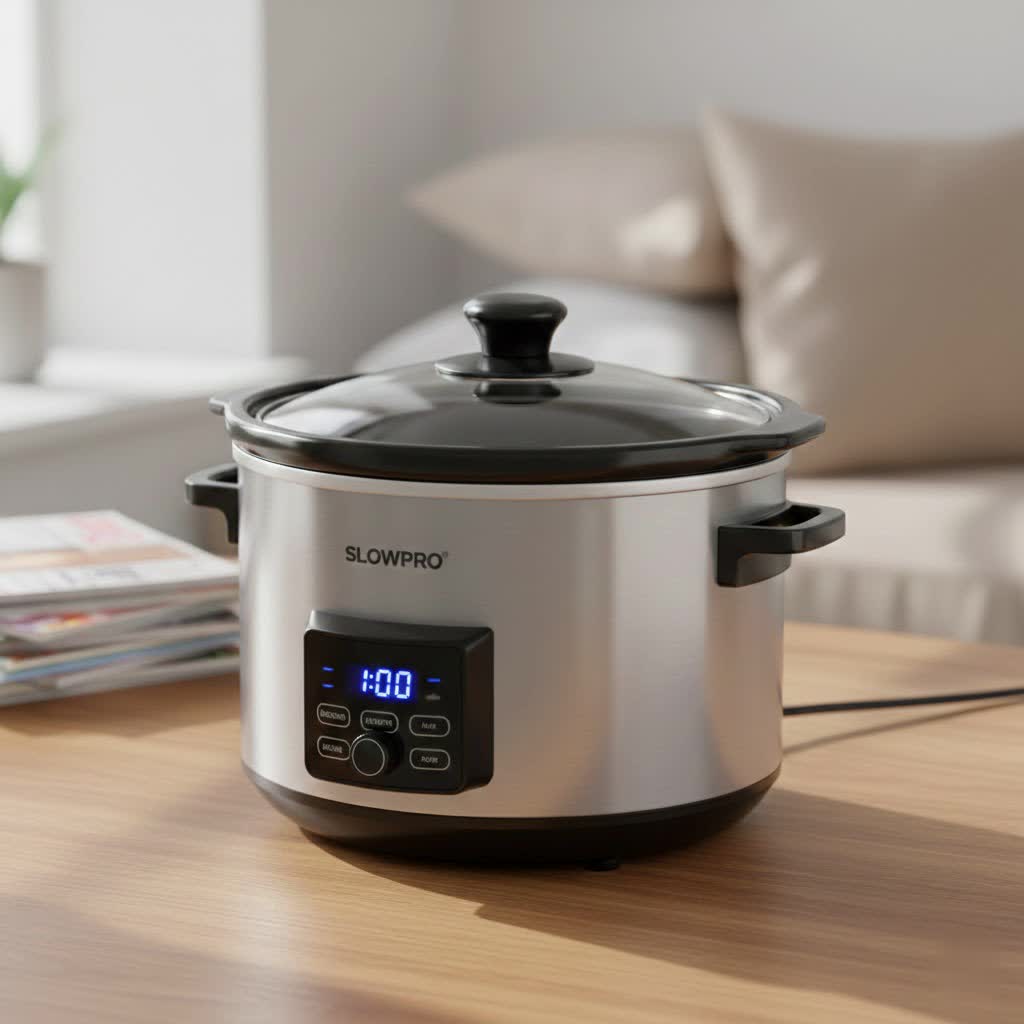
Are you tired of relying on unhealthy fast food or expensive restaurant meals when you’re on the road? The challenge of maintaining a healthy diet while traveling, trucking, or camping can be daunting, but what if there was a simple solution? Enter the 12V slow cooker – a revolutionary appliance designed to bring the comfort and nutrition of home-cooked meals directly to your vehicle. This guide will explore everything you need to know about these portable culinary companions, helping you make informed choices for your on-the-go lifestyle.
What is a 12V Slow Cooker?
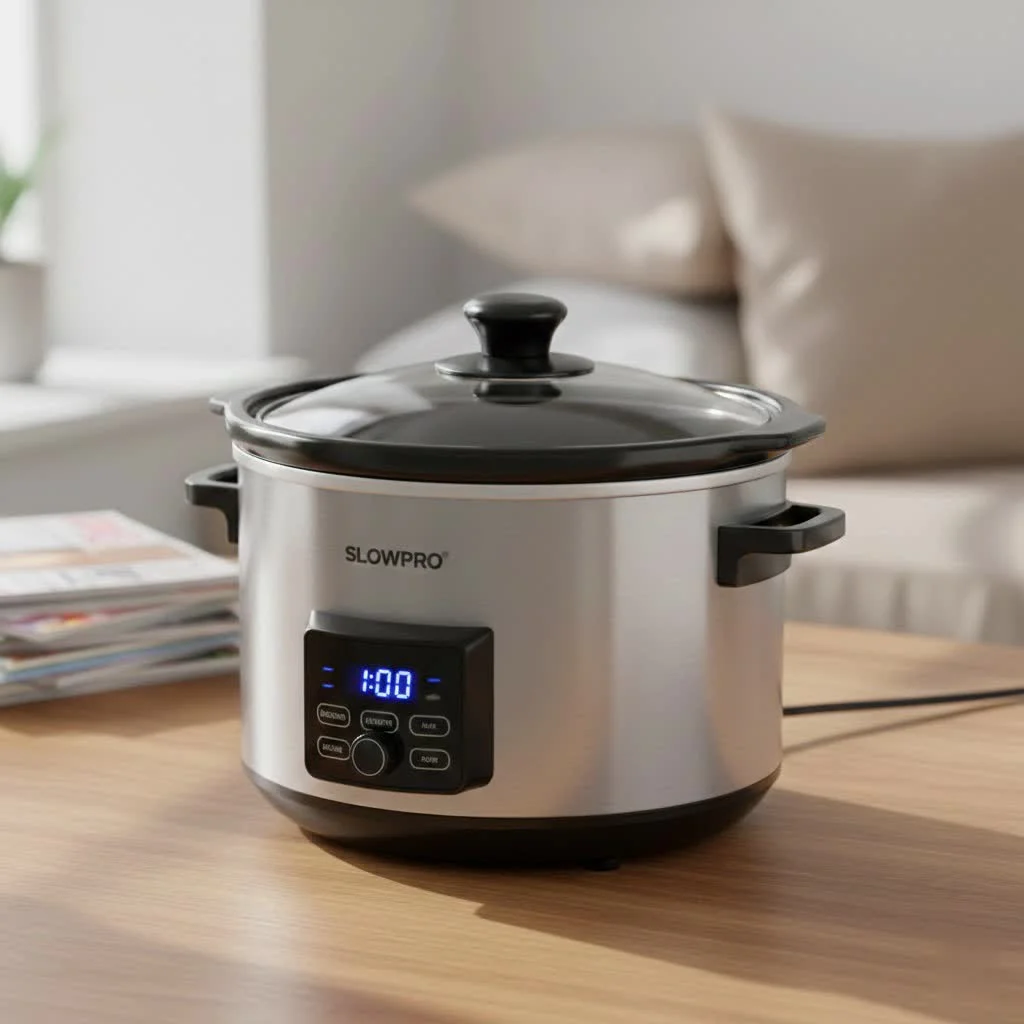
A 12V slow cooker is a specialized cooking appliance engineered to operate directly from a 12-volt DC power source, commonly found in vehicles such as cars, trucks, RVs, and boats. Unlike traditional home slow cookers that require a standard 120V AC outlet, these portable units plug into your vehicle’s cigarette lighter socket or a dedicated 12V power port. Their primary function is to cook food slowly over an extended period, ensuring even heating and tender results, making them perfect for “set it and forget it” meal preparation. For more slow cooker guides on this site.
The operating principle of a 12V slow cooker is similar to its larger counterparts: a heating element gently warms the contents of a cooking pot, allowing flavors to meld and ingredients to soften without burning. The typical wattage for these units ranges from 60 to 100 watts, consuming a manageable amount of power for mobile use. Key components usually include a robust heating base, a removable cooking pot (often made from stoneware or metal), a securely fitting lid, and a 12V power cord with a plug.
Advantages and Disadvantages of 12V Slow Cookers
While incredibly convenient, 12V slow cookers come with their own set of pros and cons that are important to consider.
Advantages
- On-the-Go Convenience: Imagine enjoying a warm, hearty meal after a long drive, a day of hiking, or a shift on the road. These appliances allow you to prepare wholesome meals wherever a 12V outlet is available, transforming your travel experience.
- Healthier Eating: With a 12V slow cooker, you gain full control over your ingredients, enabling you to avoid processed foods, excessive fats, and unhealthy additives often found in fast food. This is a major upgrade for those committed to a specific diet or simply wanting to eat better.
- Significant Cost Savings: By preparing your own meals, you can drastically cut down on expenses associated with roadside diners, fast-food stops, and pre-packaged convenience foods, ultimately saving money for other travel adventures.
- Simple and Hands-Off Operation: True to the slow cooker philosophy, these 12V versions offer a “set it and forget it” approach to cooking. Load your ingredients, plug it in, and let it work its magic while you focus on the journey.
- Enhanced Food Safety: Keeping food warm and safe during travel can be tricky. A 12V slow cooker maintains your meal at a consistent, safe temperature, reducing the risk of foodborne illness.
Disadvantages
|
Our Picks for the Best Slow Cooker in 2026
As an Amazon Associate I earn from qualifying purchases.
|
||
| Num | Product | Action |
|---|---|---|
| 1 | Crock-Pot 6 Quart Programmable Slow Cooker with Timer and Auto Food Warmer Setting, Stainless Steel |

|
| 2 | Ninja MC1001 Foodi PossibleCooker PRO 8.5 Quart Multi-Cooker, with 8-in-1 Slow Cooker, Dutch Oven, Steamer, Glass Lid Integrated Spoon, Nonstick, Oven Safe Pot to 500°F, Sea Salt Gray |
|
| 3 | Crock-Pot 6 Quart Cook & Carry Programmable Slow Cooker with Digital Timer Stainless Steel (CPSCVC60LL-S) pack of 1 |
|
| 4 | Crock-Pot 7 Quart Oval Manual Slow Cooker, Stainless Steel (SCV700-S-BR), Versatile Cookware for Large Families or Entertaining |
|
| 5 | 3.2L Natural Unglazed Earthenware Casserole,Yixing Zisha Clay Pot for Cooking, Healthy Slow Cooker for Soup, Stew, Rice -Zhuni,Red |
|
| 6 | 3.2L Natural Unglazed Earthenware Casserole,Yixing Zisha Clay Pot for Cooking, Healthy Slow Cooker for Soup, Stew, Rice -Zini,Purple |
|
| 7 | Ninja® 12-in-1 PossibleCooker™ PLUS - 8.5-qt - Sous Vide & Proof Multi-Cooker - Slow Cooker, Dutch Oven & More - Glass Lid & Integrated Spoon - Nonstick - Oven Safe Pot to 500°F - Black - MC1010 |
|
| 8 | 8-Quart Digital Programmable Slow Cooker with Timer - Small Kitchen Appliance for Family Dinners - Serves 10+ People - Heat Settings: Keep Warm, Low and High |
|
| 9 | Ninja MC1101 Foodi Everyday Possible Cooker Pro, 8-in-1 Versatility, One-Pot Faster Cooking Replaces 10 Tools, Family-Sized Capacity with Adjustable Temp Control, 6.5 quarts, Midnight Blue |
|
| 10 | Crock-Pot Large 8-Quart Programmable Slow Cooker with Auto Warm Setting Black Stainless Steel |
|
- Slower Cooking Times: Due to their lower wattage compared to 120V models, 12V slow cookers generally take significantly longer to cook food. For instance, cooking a pot of chili might take 8 hours or more, and some users note the temperature might not reach 200 degrees Fahrenheit for a prolonged period.
- Limited Temperature Control: Many basic 12V slow cookers offer simple on/off functionality with no adjustable heat settings. While some advanced models, like the Max Burton cooker, do provide selectable temperatures, this feature is not universal.
- Smaller Capacities: Most 12V slow cookers are designed for individual or small-portion meals, typically ranging from 1 to 2 quarts. This may not be sufficient for larger families or groups.
- Potential for Battery Drain: Operating a 12V appliance for extended periods without the vehicle’s engine running can potentially drain the starter battery. It’s often recommended to use the slow cooker while driving or connect it to a deep-cycle auxiliary battery.
- Risk of Spills: While many models come with secure lids and straps, movement during travel can still lead to spills if not properly secured or if overfilled. Placing the unit in a tub can help contain any potential mess.
Types of 12V Slow Cookers
12V slow cookers come in various forms, each suited to different needs and preferences. Understanding these classifications can help you pinpoint the best model for your mobile kitchen.
Classification by Design/Style
- Traditional Pot-Style: These are essentially miniature versions of your home slow cooker, featuring a heating base and a removable inner pot, often made of stoneware. The RoadPro RPSL-350 is a popular example, resembling a classic crock-pot and typically handling capacities around 1.5 quarts.
- Lunchbox/Food Warmer Style: More compact and often pouch-like, these units are primarily designed for heating or reheating individual portions of food. While some require an inverter (being 120V units), dedicated 12V versions exist and are highly praised for their efficiency in warming pre-cooked meals.
Classification by Material
The construction materials of a 12V slow cooker are crucial for both durability and cooking performance.
- Metal Exteriors (Stainless Steel/Aluminum): Many models feature a robust metal exterior, providing durability essential for travel. These are often paired with different interior cooking surfaces.
- Stoneware/Ceramic Inserts: Found in traditional pot-style 12V slow cookers, such as the RoadPro models, these removable inserts offer excellent heat retention and distribution. They are also typically dishwasher-safe, making cleanup easy. heavy ceramic is less common in very small, portable 12V units to keep weight down, though some models successfully integrate it.
Classification by Features
The features available can vary significantly between basic and more advanced 12V slow cookers.
- Basic On/Off Models: These are the simplest to operate; you plug them in, and they start heating. They typically lack adjustable settings, maintaining a consistent low temperature.
- With Thermostatic Control: Some models offer a thermostatic control that allows the unit to maintain food within a specific temperature range, such as 140-170°F, ensuring food stays warm without overcooking. The RoadPro RPSL-350 is noted to heat to 150°F in about an hour and then maintain 140-170°F.
- Programmable/Digital Units: While less common in dedicated 12V slow cookers (often found in more versatile 12V multi-cookers), these provide advanced options like timers and specific cooking modes, offering greater precision for certain recipes.
How to Choose the Best 12V Slow Cooker (Buying Guide)
Selecting the ideal 12V slow cooker involves assessing your personal needs and understanding the key features that contribute to performance and convenience.
Determine Your Usage Needs
Consider who will be using the slow cooker and for what purpose. Are you a solo truck driver reheating leftovers, a couple camping and cooking full meals, or a construction worker needing warm lunches? Your typical activities and the type of meals you plan to prepare will influence your choice.
Select the Right Capacity
12V slow cookers are generally smaller than their home counterparts.
- Individual Use (0.5 to 1.5 quarts): Perfect for one person’s meals or small sides. The 1.5-quart size is common and suitable for single servings or small batches of chili or stew.
- Small Group (1.5 to 3 quarts): If you’re traveling with a partner or small family, a unit towards the larger end of this range might be suitable, though options over 2 quarts are less common in 12V.
Consider Power and Efficiency
- Wattage and Amp Draw: Most 12V slow cookers draw between 60-100 watts, which translates to approximately 5-8 amps. Ensure your vehicle’s 12V power outlet can safely supply the required amperage.
- Battery Impact: To prevent draining your vehicle’s starting battery, it’s highly recommended to operate your 12V slow cooker when the engine is running. Alternatively, if you have an RV or camper, connecting it to a deep-cycle auxiliary battery is a safer option for stationary use.
Key Features to Look For
- Secure Lid: A robust, spill-proof lid with a secure locking mechanism or elastic strap is paramount for preventing messes during vehicle movement.
- Removable and Easy-to-Clean Pot: A removable cooking pot, especially one that is dishwasher-safe stoneware, significantly simplifies the cleaning process after your meal.
- Insulation: Some users find that adding extra insulation around the slow cooker can greatly improve its heating efficiency and reduce cooking times. While not always a built-in feature, it’s a worthwhile consideration for optimal performance.
- Durability: Choose a model built with sturdy materials that can withstand the bumps and vibrations of travel.
Reputable Brands
Look for brands known for producing quality automotive or portable appliances. RoadPro is a frequently mentioned brand in the 12V slow cooker space, alongside others like Max Burton for their versatile cooking options, and Hot Logic for personal food warming (ensure you select their 12V specific models).
Top 3 12V Slow Cookers for On-the-Go Meals
Based on user reviews and product specifications, here are some of the top contenders in the 12V slow cooker market:
- RoadPro RPSL-350 1.5-Quart 12-Volt Slow Cooker: This model is a popular choice among truckers and campers for its reliability. It features a removable, dishwasher-safe stoneware crock, a secure glass lid with a stretch cord, and operates at 96 watts (8 amp draw). It’s excellent for keeping food warm and simmering, reaching temperatures between 140-170°F. While some users find it cooks raw food effectively over long periods, others suggest it’s better for reheating or pre-cooked meals.
- Max Burton 12V Stove/Oven: Though often referred to as a “stove/oven,” the Max Burton unit is valued for its versatility, including the ability to slow cook. A key advantage is its selectable temperature settings, which allow for more precise cooking compared to basic on/off models. It’s praised for getting the job done, though its cooking compartment might be smaller than some expect.
- Hot Logic Mini Personal Portable Oven (12V version): While primarily a food warmer, the Hot Logic Mini is highly regarded for its ability to heat meals on the go. It uses a conductive heating element to bring food to a safe, warm temperature without overcooking. It’s incredibly convenient for individual servings and is often used with a pouch rather than a traditional pot. Users have successfully prepared various meals, from rice to chicken.
Using and Maintaining Your 12V Slow Cooker
To get the most out of your 12V slow cooker and ensure its longevity, proper usage and maintenance are key.
Best Practices for Cooking
- Pre-Prep Ingredients: For optimal results and efficiency, chop vegetables and meat into smaller, uniform pieces before adding them to the slow cooker.
- Don’t Overfill: Avoid filling the slow cooker to the brim. Overfilling can lead to longer cooking times and potential spills, especially while driving. Half-full or two-thirds full is often ideal.
- Connect to a Stable Power Source: Always ensure your slow cooker is plugged into a functional 12V outlet. When possible, operate it with the vehicle’s engine running to avoid unexpected battery drain.
- Secure During Travel: Place your slow cooker in a stable location, ideally within a larger tub or secured with straps to prevent movement and potential spills while the vehicle is in motion.
- Boost Efficiency with Insulation: Many users find that wrapping the exterior of the slow cooker with a towel or foil can significantly improve heat retention and speed up the cooking process.
Cleaning and Care
- Cool Down First: Always unplug the slow cooker and allow it to cool completely before attempting to clean it.
- Easy Cleanup: For models with removable crocks, hand wash them with warm, soapy water or place them in the dishwasher if indicated as safe.
- Wipe Down Exterior: Clean the exterior base with a damp cloth; never immerse the electrical components in water.
Common Issues and Solutions
- Food Not Cooking Through: This is often due to overfilling, very cold starting ingredients, or simply the nature of lower wattage. Try preheating the cooker with some hot water before adding food, or adjust your expectations for cooking times. Some models are better suited for warming pre-cooked meals rather than cooking raw ingredients from scratch.
- Battery Drainage: If your vehicle battery is draining, ensure you are using the slow cooker primarily when the engine is running, or consider investing in a separate deep-cycle auxiliary battery for extended use.
- Spills During Driving: Double-check that the lid is securely fastened. For added protection, place the slow cooker in a sturdy container or tub to catch any accidental drips.
Conclusion
The 12V slow cooker is an invaluable tool for anyone who spends significant time on the road, whether for work or leisure. It empowers you to enjoy healthy, delicious, and affordable home-cooked meals, transforming long journeys into culinary adventures. While they require a bit more time and attention to power management than their 120V counterparts, the benefits of fresh, warm food on demand far outweigh these considerations. By understanding their capabilities and choosing the right model for your needs, you can unlock a world of convenient and nourishing meals wherever your travels take you. So, what delicious meals will you prepare on your next adventure?
Frequently Asked Questions
Can I cook raw meat and vegetables in a 12V slow cooker?
Yes, you can cook raw ingredients, but expect significantly longer cooking times (often 6-8+ hours) compared to home slow cookers due to lower wattage. Ensure food reaches safe internal temperatures. Some 12V units are better suited for warming pre-cooked meals.
How much power does a 12V slow cooker draw?
Most 12V slow cookers typically draw between 60-100 watts of power, which translates to approximately 5-8 amps from your vehicle’s 12V power outlet. It’s crucial to check your specific model’s specifications.
Is it safe to leave a 12V slow cooker on while driving?
Yes, it is generally safe to use a 12V slow cooker while driving. Ensure the lid is securely fastened to prevent spills and the unit is stable. Using it with the engine running helps prevent your vehicle’s battery from draining, as the alternator recharges the battery.
What is the ideal capacity for a 12V slow cooker?
Most 12V slow cookers are designed for individual or small-portion meals, typically ranging from 0.5 to 1.5 quarts. A 1.5-quart model, like many RoadPro units, is common and suitable for one to two servings. Larger capacities are rare due to power limitations and portability requirements.
Cooking gear we tested in our own kitchens
Free PDF — preheat times measured on 10 popular air fryers.
