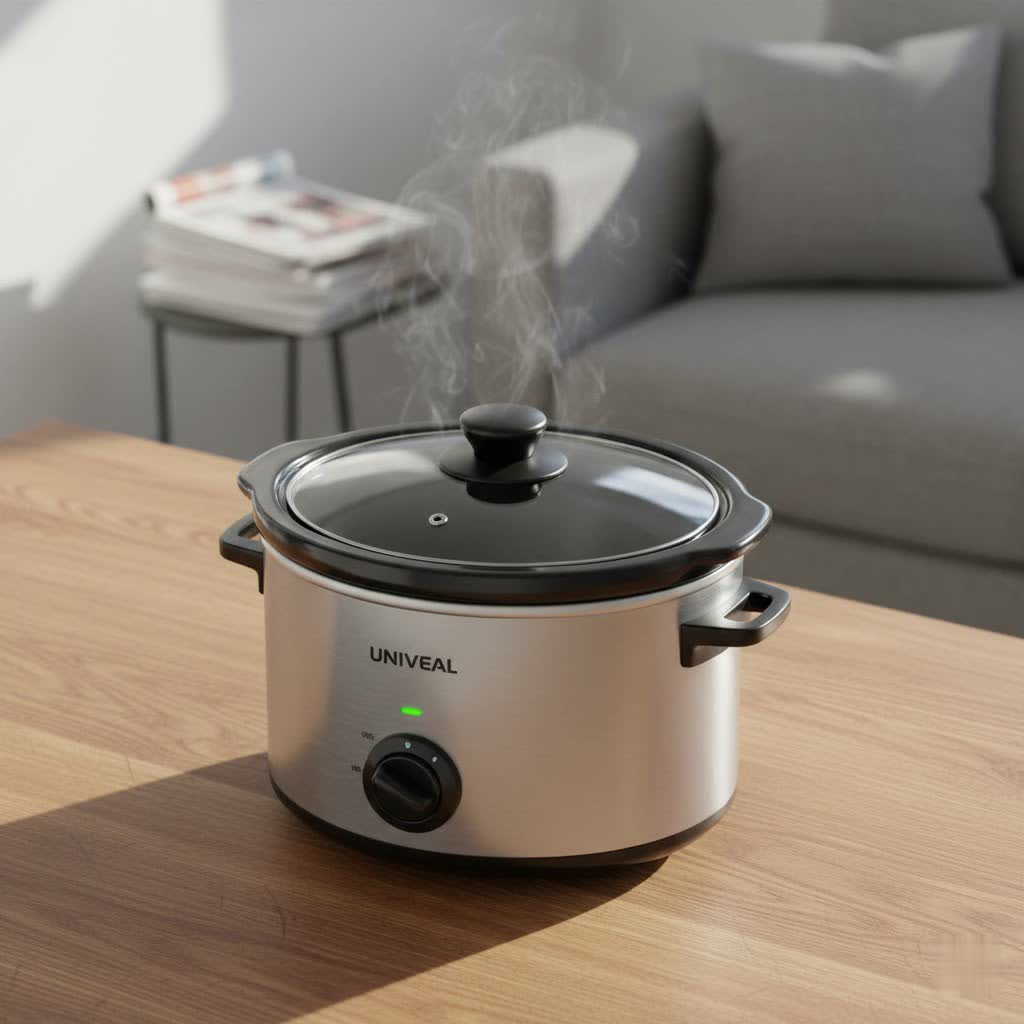
In today’s fast-paced world, preparing wholesome, homemade meals can often feel like a juggling act, especially when feeding a large family or entertaining guests. The thought of spending hours in the kitchen after a long day can be daunting. But what if there was a kitchen appliance designed to handle generous portions, simplify meal preparation, and greet you with the comforting aroma of a delicious meal as you walk through the door? Enter the big slow cooker – a culinary workhorse specifically engineered to bring ease and efficiency to your kitchen, transforming ingredients into tender, flavorful dishes with minimal effort.
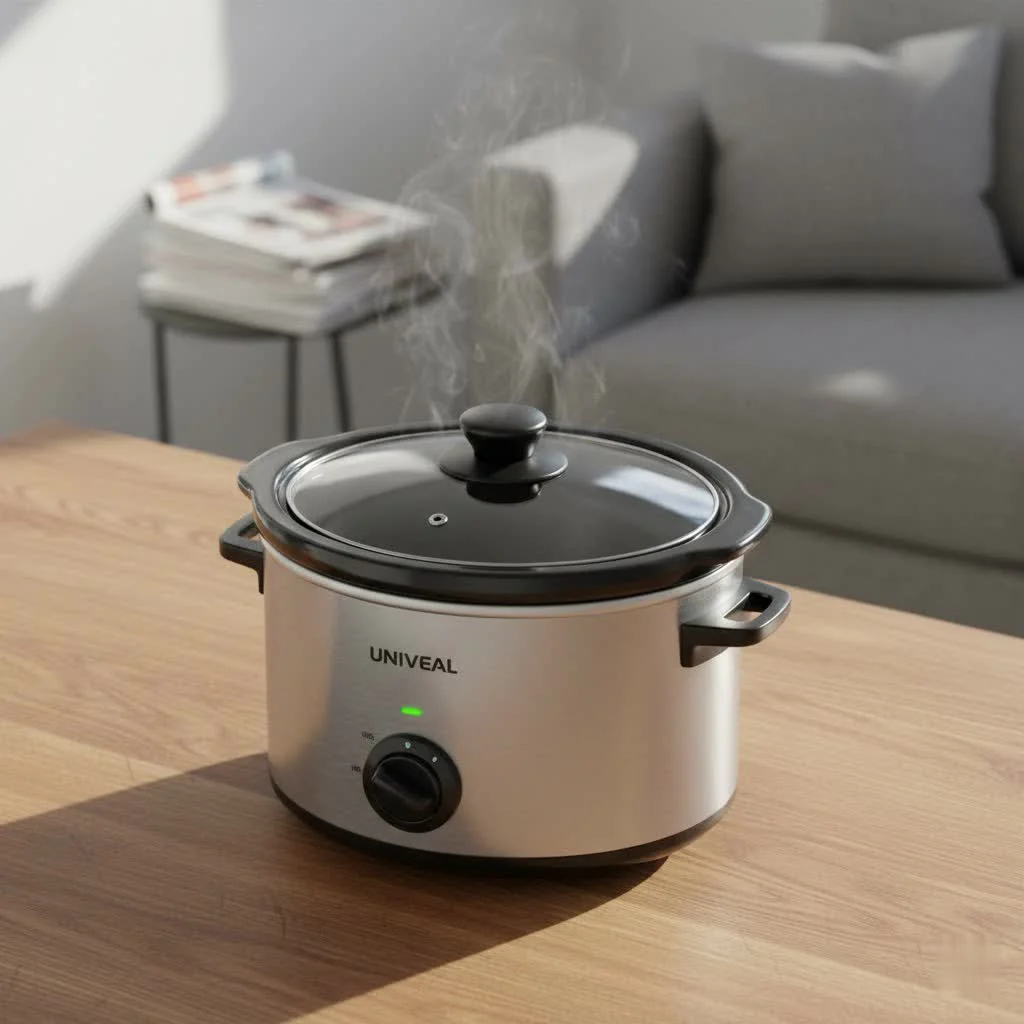
This comprehensive guide will delve into everything you need to know about large capacity slow cookers, from understanding their fundamental principles to selecting the perfect model for your home. We’ll explore their numerous advantages, acknowledge their limitations, compare popular types and features, and provide a detailed buying guide to help you make an informed decision. Get ready to unlock the magic of effortless, large-batch cooking.
What is a Slow Cooker?
A slow cooker, often generically referred to as a Crock-Pot (one of the original and most popular brands), is an electric countertop appliance that simmers food at a low temperature over several hours. Its primary function is to cook food slowly and evenly, allowing flavors to meld beautifully and tougher cuts of meat to become incredibly tender.
The magic happens through a simple yet effective design. A typical slow cooker consists of an outer casing, which houses an electric heating element, and a removable internal cooking pot, commonly known as a crock. This crock is usually made from ceramic or stoneware, materials known for their excellent heat retention and even distribution. A tightly fitting lid, often made of tempered glass for visibility, traps moisture and heat, creating a steamy environment that prevents food from drying out during its long cooking cycle. The history of the slow cooker dates back to the early 1970s, making it a time-tested appliance that continues to evolve with modern features.
Advantages and Disadvantages of Big Slow Cookers
Investing in a big slow cooker can be a game-changer for many households, but it’s important to weigh both its strengths and limitations to ensure it aligns with your cooking style and needs.
Advantages
Big slow cookers offer a plethora of benefits that can significantly enhance your cooking experience and dietary habits:
- Time and Effort Saving: The “set it and forget it” nature of slow cooking is its most compelling advantage. You can load ingredients in the morning, set the desired cooking time and temperature, and return home to a hot, ready-to-eat meal. This is particularly beneficial for busy individuals, working parents, or anyone who desires a home-cooked dinner without constant oversight. Large capacities also mean fewer cooking sessions for meal prepping or feeding crowds.
- Flavor and Nutrition Retention: The low and slow cooking process tenderizes even the most inexpensive cuts of meat, transforming them into succulent, fall-apart dishes. The sealed environment traps moisture and nutrients, allowing flavors to develop deeply and meld together, often resulting in more flavorful and nutritious meals compared to high-heat methods.
- Versatility: From hearty stews, chilis, and pot roasts to soups, casseroles, and even desserts, a big slow cooker can handle an impressive array of recipes. Modern multi-cookers often extend this versatility by incorporating functions like sautéing, searing, steaming, and even pressure cooking, offering an all-in-one solution.
- Cost-Effectiveness: By tenderizing cheaper cuts of meat, a slow cooker helps you stretch your food budget further. Additionally, for dishes requiring long cooking times, a slow cooker is generally more energy-efficient than continuously running a large oven or multiple stovetop burners.
- Ideal for Large Families & Entertaining: The generous capacity of big slow cookers makes them perfect for feeding large families, preparing meals for gatherings, potlucks, or holiday feasts. They free up valuable oven and stovetop space, allowing you to focus on other dishes or simply enjoy your guests.
- Easy Cleanup: Most slow cookers feature removable crocks and lids that are dishwasher-safe, simplifying the post-meal cleanup. The availability of slow cooker liners further reduces scrubbing, turning a potentially messy cook into an effortless clean.
- Portability: Many larger models are designed with features like locking lids and sturdy handles, making them easy to transport to parties, tailgates, or family events, ensuring your dish stays warm and secure on the go.
Disadvantages
|
Our Picks for the Best Slow Cooker in 2026
As an Amazon Associate I earn from qualifying purchases.
|
||
| Num | Product | Action |
|---|---|---|
| 1 | 8-Quart Digital Programmable Slow Cooker with Timer - Small Kitchen Appliance for Family Dinners - Serves 10+ People - Heat Settings: Keep Warm, Low and High |

|
| 2 | Ninja MC1001 Foodi PossibleCooker PRO 8.5 Quart Multi-Cooker, with 8-in-1 Slow Cooker, Dutch Oven, Steamer, Glass Lid Integrated Spoon, Nonstick, Oven Safe Pot to 500°F, Sea Salt Gray |
|
| 3 | Ninja MC1101 Foodi Everyday Possible Cooker Pro, 8-in-1 Versatility, One-Pot Faster Cooking Replaces 10 Tools, Family-Sized Capacity with Adjustable Temp Control, 6.5 quarts, Midnight Blue |
|
| 4 | Crock-Pot 6 Quart Programmable Slow Cooker with Timer and Auto Food Warmer Setting, Stainless Steel |
|
| 5 | Ninja® 12-in-1 PossibleCooker™ PLUS - 8.5-qt - Sous Vide & Proof Multi-Cooker - Slow Cooker, Dutch Oven & More - Glass Lid & Integrated Spoon - Nonstick - Oven Safe Pot to 500°F - Black - MC1010 |
|
| 6 | 3.2L Natural Unglazed Earthenware Casserole,Yixing Zisha Clay Pot for Cooking, Healthy Slow Cooker for Soup, Stew, Rice -Zini,Purple |
|
| 7 | 3.2L Natural Unglazed Earthenware Casserole,Yixing Zisha Clay Pot for Cooking, Healthy Slow Cooker for Soup, Stew, Rice -Zhuni,Red |
|
| 8 | Crock-Pot 7 Quart Oval Manual Slow Cooker, Stainless Steel (SCV700-S-BR), Versatile Cookware for Large Families or Entertaining |
|
| 9 | Crock-Pot Large 8-Quart Programmable Slow Cooker with Auto Warm Setting Black Stainless Steel |
|
| 10 | Crock-Pot 6 Quart Cook & Carry Programmable Slow Cooker with Digital Timer Stainless Steel (CPSCVC60LL-S) pack of 1 |
|
Despite their many benefits, big slow cookers do come with certain drawbacks:
- Long Cooking Times: The very essence of a slow cooker is its extended cooking duration, which means it’s not suitable for quick, spontaneous meals. You need to plan ahead, sometimes hours in advance, to have your meal ready when desired.
- Difficulty in Achieving Desired Texture: While excellent for tenderizing, the moist, low-heat environment can sometimes lead to an unvaryingly soft or mushy texture, especially for delicate vegetables like peppers or peas, if added too early. Leaner meats can also become dry and stringy if overcooked.
- Limited Browning/Searing: Traditional slow cookers do not reach high enough temperatures to brown or sear food, a crucial step for developing complex flavors and appealing textures in many recipes. This often requires pre-browning ingredients in a separate pan, which negates the one-pot convenience. (Some advanced multi-cooker models now offer this function).
- Size and Storage: As the name suggests, “big” slow cookers naturally occupy significant counter space during use and require ample storage space, which can be a consideration in smaller kitchens.
- Not Suitable for All Foods: Certain ingredients don’t fare well in a slow cooker. Dairy products, for instance, can curdle, and delicate seafood tends to disintegrate. Furthermore, some beans, like kidney beans, require a boiling temperature for a sustained period to destroy toxins, which a slow cooker on a low setting might not consistently achieve. Pasta and rice can also turn mushy if cooked for the full duration of a slow cooker recipe.
Popular Types of Slow Cookers
Slow cookers come in various forms, each offering different advantages depending on your cooking preferences and needs.
Classification By Shape
The shape of your slow cooker can impact what types of food you can cook most effectively:
- Round: More common in smaller capacities, round slow cookers are ideal for soups, stews, beans, and dips. However, they may not accommodate larger cuts of meat, like a whole chicken or a roast, as efficiently.
- Oval: This is the most prevalent shape for big slow cookers (7 quarts and above). The elongated design is perfectly suited for larger, oddly shaped ingredients such as whole chickens, briskets, pork shoulders, or racks of ribs, ensuring more even cooking.
- Rectangular: While less common, rectangular slow cookers can be efficient for certain dishes, like lasagna or casseroles, and may fit more snugly into some kitchen storage spaces.
Classification By Material
The material of the cooking pot (crock) is a key factor in performance and durability:
- Ceramic/Stoneware: The traditional choice, ceramic or stoneware crocks are heavy and excel at distributing heat slowly and evenly, which is ideal for tenderizing food. They retain heat well, keeping food warm for longer. However, they are prone to breaking if dropped and typically cannot be used on a stovetop for searing.
- Metal (Aluminum/Stainless Steel): Lighter and more durable than ceramic, metal inserts often heat up faster. A significant advantage of some metal inserts is their stovetop compatibility, allowing you to sear ingredients directly in the pot before slow cooking, thus creating a true one-pot meal and enhancing flavor. However, some metal pots may be more prone to hot spots, and their non-stick coatings can be susceptible to scratches from metal utensils.
Classification By Features
Slow cookers have evolved from basic appliances to sophisticated multi-functional units:
- Manual: These are the simplest and most affordable slow cookers, typically offering “Low,” “High,” and “Warm” settings. You manually select the setting and turn it off when cooking is complete. They are straightforward and reliable.
- Programmable/Digital: Featuring digital controls and timers, these models allow you to set a specific cooking duration. Once the cooking time elapses, the unit automatically switches to a “keep warm” setting, preventing overcooking and offering greater flexibility, especially for long days away from home.
- Multi-Cookers: These advanced appliances combine the functionality of a slow cooker with other cooking methods, such as pressure cooking, sautéing, searing, steaming, and even making yogurt. While offering incredible versatility and often solving the “no-sear” disadvantage, they can be more complex to operate and come with a higher price tag.
Comparing Big Slow Cookers
When considering a big slow cooker, understanding the differences between common types can help narrow your choice. Here’s a comparative overview:
| Feature | Large Capacity Ceramic Slow Cooker | Large Capacity Multi-Cooker (Metal Insert) |
|---|---|---|
| Capacity Range | 7-10 Quarts | 7-10+ Quarts |
| Pot Material | Ceramic/Stoneware | Non-stick Metal (Aluminum/Stainless Steel) |
| Shape | Primarily Oval | Primarily Oval |
| Key Features | Manual (Low, High, Warm) or Programmable (Timer, Auto Keep Warm) | Programmable, Sauté/Sear Function, Pressure Cook, Steam, Auto Keep Warm, Delay Start |
| Heat Distribution | Excellent, very even, retains heat well | Good, heats faster, stovetop safe for searing |
| Durability | Good, but crock can break if dropped | Very good, durable metal insert |
| Cleanup | Removable, often dishwasher-safe crock | Removable, often dishwasher-safe insert, sometimes hand-wash recommended for non-stick |
| Best For | Traditional slow-cooked recipes, large roasts, stews, potlucks | One-pot meals requiring searing, versatile cooking methods, batch cooking |
| Price Point | $$ (Mid-range) | $$$ (Higher-end) |
Buying Guide for Your Big Slow Cooker
Choosing the right big slow cooker involves considering several factors to ensure it perfectly matches your culinary lifestyle.
Determine Your Needs
Before diving into models, ask yourself a few key questions:
- Family Size and Cooking Habits: How many people do you typically cook for? Do you frequently entertain? Are you into meal prepping for the week? For individuals or couples, a 2-3 quart slow cooker suffices. For families of 3-4, a 4-6 quart is usually enough. However, if you have a family of 5 or more, or you love making big batches for leftovers, parties, or large cuts of meat, a 7-quart to 10-quart (or larger) slow cooker is ideal. When in doubt, a slightly larger capacity offers more flexibility.
- Types of Meals: Do you mostly make soups and stews, or do you envision cooking whole chickens, large roasts, or baking in your slow cooker? Oval shapes are better for whole cuts of meat.
- Budget: Slow cookers range widely in price. Manual models are very affordable, while programmable and multi-functional units will be a greater investment. Determine how much you’re willing to spend for desired features.
Choose the Right Capacity
For “big slow cooker” keyword, we are primarily looking at these capacities:
- 7-8 Quarts: Excellent for large family meals (5-7 people), a whole chicken (5-7 lbs), or a substantial roast. It’s a very popular large size.
- 8.5-10 Quarts: Perfect for very large families (8+ people), big gatherings, significant meal prep, or extra-large cuts of meat. This size offers maximum flexibility for serious batch cooking.
Select the Pot Material
- Ceramic/Stoneware: Opt for this if you prioritize even, gentle cooking and excellent heat retention for classic slow-cooked dishes. Be mindful of its weight and fragility.
- Metal (Aluminum/Stainless Steel): Choose a metal insert if durability, lighter weight, and especially the ability to sear ingredients on the stovetop before slow cooking are important to you. Check for quality non-stick coatings and use appropriate utensils.
Essential Features to Look For
Modern slow cookers offer a range of features that enhance convenience and performance:
- Programmable Timer: This is highly recommended. It allows you to set the exact cooking time, after which the unit automatically switches to a “keep warm” setting, preventing overcooking and giving you peace of mind.
- Multiple Heat Settings: Beyond the basic Low and High, some models offer more nuanced temperature control, which can be beneficial for specific recipes.
- Keep Warm Function: Essential for serving flexibility, this feature holds food at a safe, warm temperature without continuing to cook it.
- Lid Features: A tempered glass lid allows you to monitor cooking progress without lifting it (and releasing heat). Locking lids are invaluable for safe and spill-free transport. Some lids also feature integrated spoon rests for added convenience.
- Sear/Sauté Function: For multi-cookers or models with stovetop-safe metal inserts, this feature eliminates the need for an extra pan to brown meats or sauté aromatics, making true one-pot cooking a reality.
- Dishwasher-Safe Parts: For ultimate convenience, ensure the removable crock and lid can be safely cleaned in the dishwasher.
Reputable Brands
Many brands offer high-quality big slow cookers. Some of the most consistently praised brands include:
- Crock-Pot: The original and a household name, offering a wide range of sizes and features.
- Hamilton Beach: Known for reliable, affordable, and feature-rich slow cookers, often with innovative designs.
- Cuisinart: Offers more premium models, often with multi-cooker capabilities and sleek designs.
- Ninja & Instant Pot: While primarily known for multi-cookers, their larger models excel at slow cooking and often include versatile features like searing.
Top 3 Big Slow Cookers Best For Large Families & Gatherings
Based on popularity, features, and suitability for large capacities, here are examples of top choices you might consider when looking for a big slow cooker:
1. The Versatile 8-Quart Programmable Oval Slow Cooker
This category typically includes models from brands like Crock-Pot or Hamilton Beach. An 8-quart programmable oval slow cooker is often a perfect balance of capacity and features for most large families. The oval shape easily accommodates roasts, whole chickens, and generous portions of stews. Programmable settings, including a digital timer and automatic keep-warm function, allow for effortless meal planning. Many come with stoneware crocks for even heat and simple cleanup, making them a reliable workhorse for everyday big meals and special occasions.
2. The 10-Quart Searing Multi-Cooker
For those who need maximum capacity and superior versatility, a 10-quart multi-cooker with a searing function (often found in brands like Ninja or Instant Pot’s multi-cooker lines) is an excellent choice. This extra-large appliance not only excels at slow cooking huge batches but also allows you to sear meats and sauté vegetables directly in the pot. This eliminates the need for pre-browning on the stovetop, enhancing flavor and streamlining the cooking process. Its durable, often non-stick metal insert ensures easy handling and cleanup, while advanced digital controls provide precise cooking options for a wide array of recipes.
3. The Reliable 7-Quart Manual Slow Cooker
Sometimes, simplicity is key. A 7-quart manual slow cooker, typically from a brand like Crock-Pot or Hamilton Beach, offers a no-frills yet highly effective solution for large-batch cooking on a budget. These models feature classic “Low,” “High,” and “Warm” settings, relying on the user to manage cooking times. With a sturdy ceramic crock and tempered glass lid, they provide the essential capacity for family dinners, potlucks, and big game-day chilis without complicated features. Its straightforward operation makes it a favorite for those who appreciate traditional slow cooking without the extra bells and whistles.
How to Use and Care for Your Big Slow Cooker
Proper use and maintenance will ensure your big slow cooker serves you well for years, producing delicious results every time.
Safe and Effective Use
- Prepare Ingredients Properly: Cut vegetables and meats into uniform sizes to ensure even cooking. Avoid overfilling the crock; aim for 2/3 to 3/4 full to prevent spills and ensure proper cooking. Ensure there’s adequate liquid for moisture and flavor.
- Food Safety First: Always thaw frozen meat before adding it to a slow cooker to prevent it from spending too much time in the “danger zone” where bacteria can grow. Use a food thermometer to ensure meats reach safe internal temperatures.
- Keep the Lid On: Resist the urge to frequently lift the lid, as each peek can drop the internal temperature by 10-15 degrees, extending the cooking time by 20-30 minutes or more.
- Placement: Always place your slow cooker on a heat-proof, stable surface, away from walls or other appliances, to allow for proper ventilation.
Cleaning and Maintenance
- Unplug and Cool: Before cleaning, always unplug your slow cooker and allow the crock and lid to cool completely.
- Crock and Lid: Most removable crocks and lids are dishwasher-safe, making cleanup incredibly easy. If washing by hand, use warm, soapy water and a non-abrasive sponge to protect any non-stick surfaces or finishes. For stubborn residue, soaking the crock can help.
- Exterior: Wipe down the exterior housing with a damp cloth. Never immerse the base in water.
- Storage: Ensure all parts are completely dry before reassembling and storing your slow cooker to prevent mildew or damage.
Common Issues and Solutions
- Food is too dry: Ensure the lid is securely fitted, and consider adding slightly more liquid to your recipe, as the large surface area of big slow cookers can sometimes lead to more evaporation.
- Food is too mushy: Add more delicate ingredients like soft vegetables (peas, bell peppers) or pasta/rice during the last 30-60 minutes of cooking. Avoid overcooking; programmable timers are very helpful here.
- Food not cooking fast enough: Verify you’re using the correct heat setting (High vs. Low) and, again, avoid lifting the lid, which significantly impacts cooking time.
Conclusion
The big slow cooker stands as an indispensable ally in the modern kitchen, especially for those navigating the demands of large families, entertaining, or simply embracing the convenience of meal prepping. It simplifies the cooking process, transforming humble ingredients into deeply flavorful, tender dishes with minimal supervision. While it requires a bit of planning and isn’t suitable for every type of food, its advantages in saving time, energy, and effort far outweigh its limitations.
By understanding the different capacities, materials, and features available, you can confidently choose a large capacity slow cooker that perfectly fits your lifestyle and culinary aspirations. Embrace the art of low and slow cooking, and discover how effortless delicious, hearty meals can be.
What delicious, large-batch meal will you create first with your new big slow cooker?
Frequently Asked Questions
How big is a “big” slow cooker?
A “big” slow cooker typically refers to models with a capacity of 7 quarts (approximately 6.5 liters) and above, often ranging up to 10 quarts or more. These sizes are ideal for serving 5 or more people, cooking large cuts of meat, or preparing significant quantities for meal prepping and entertaining.
Can I put frozen meat directly into a slow cooker?
No, for food safety reasons, it is generally recommended to thaw frozen meat completely before placing it in a slow cooker. Putting frozen meat directly into the slow cooker can cause it to spend too much time in the “danger zone” (between 40°F and 140°F or 4°C and 60°C), where harmful bacteria can multiply.
Do big slow cookers use a lot of electricity?
While slow cookers operate for extended periods, they typically use less electricity than a conventional oven for the same duration of cooking. Their low wattage and insulated design make them quite energy-efficient for long-duration cooking, saving you money on utility bills compared to heating a large oven.
Can you overcook food in a slow cooker?
Yes, it is possible to overcook food in a slow cooker, which can result in a mushy texture for vegetables or cause lean meats to become dry and stringy. Using programmable models with timers and being mindful of recommended cooking times for your specific recipe can help prevent overcooking.
What’s the difference between a slow cooker and a multi-cooker?
A slow cooker is primarily designed for low-and-slow cooking. A multi-cooker, on the other hand, combines several cooking functions into one appliance, often including slow cooking, pressure cooking, sautéing, steaming, and more. While all multi-cookers can slow cook, not all slow cookers are multi-cookers.
Cooking gear we tested in our own kitchens
Free PDF — preheat times measured on 10 popular air fryers.
