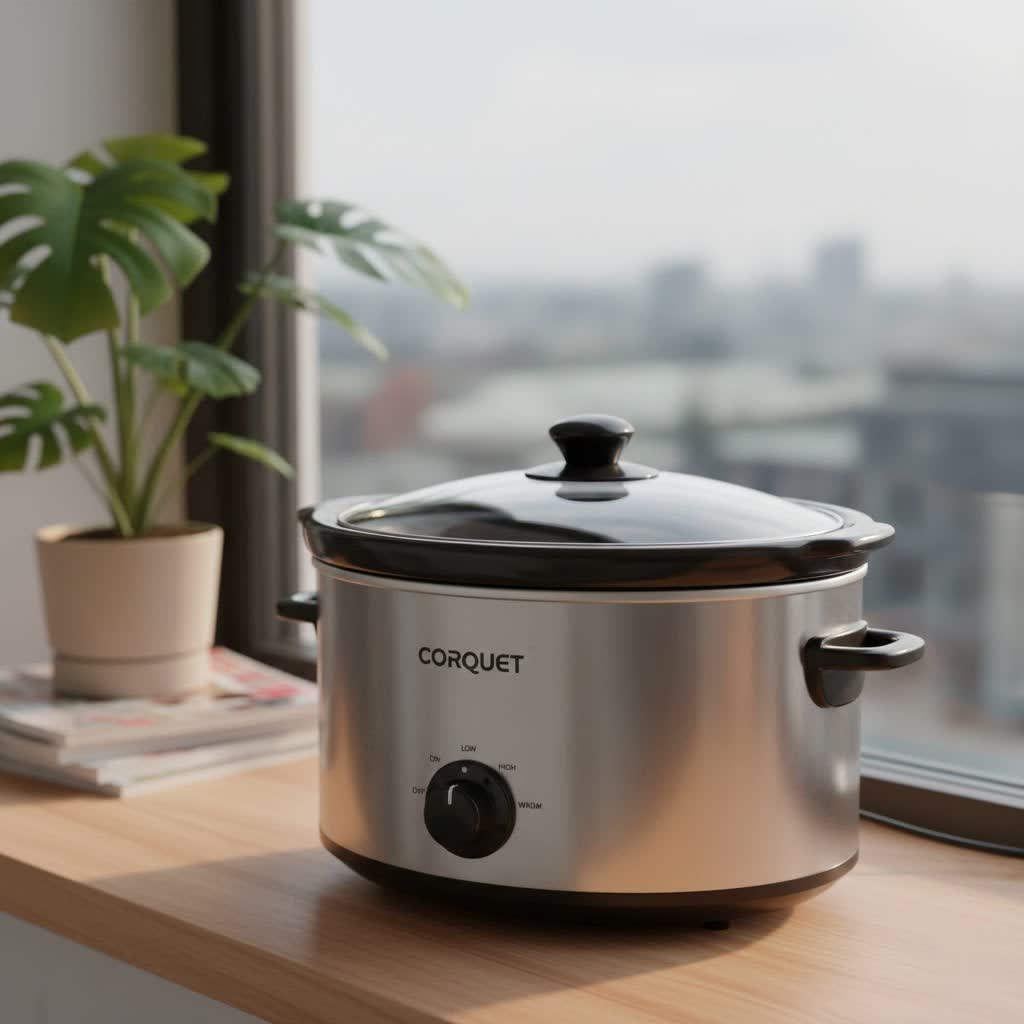
In the fast-paced world of professional kitchens, efficiency and consistent quality are paramount. Every chef and kitchen manager seeks reliable equipment that can streamline operations without compromising the integrity of their dishes. Enter the commercial slow cooker – a powerful and versatile appliance designed to meet the rigorous demands of high-volume food service. More than just a larger version of its home counterpart, an industrial slow cooker is engineered for durability, precision, and performance, offering a smart solution for tender meats, rich stews, and perfectly held dishes. If you’re looking to elevate your kitchen’s output, save on labor, and consistently deliver exceptional slow-cooked meals, understanding these robust machines is your first step towards culinary mastery.
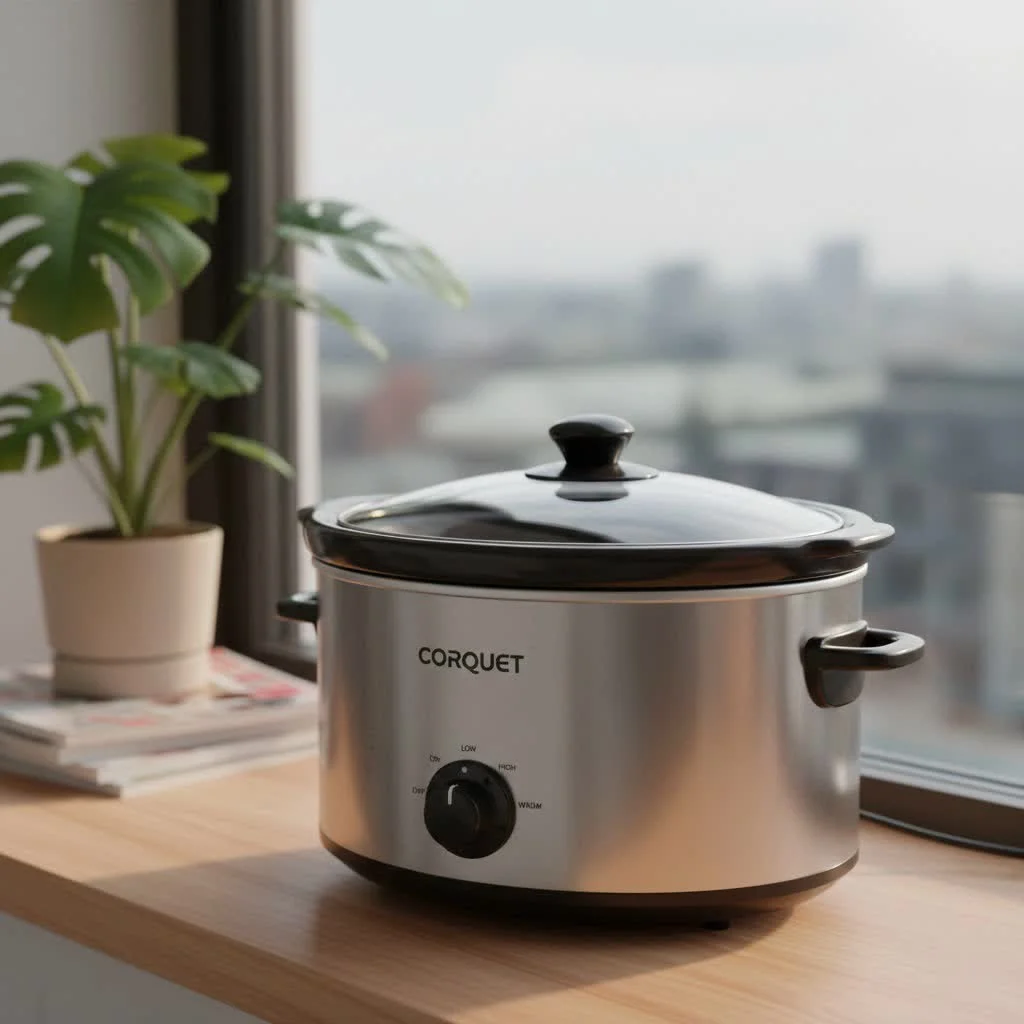
What is a Commercial Slow Cooker?
A commercial slow cooker, often referred to as an industrial slow cooker, is a heavy-duty kitchen appliance specifically designed for extended, low-temperature cooking in professional settings. Unlike typical domestic models, which cater to family-sized portions, commercial units are built to handle large volumes of food, making them indispensable for restaurants, catering services, buffets, and institutional kitchens. For shop curated slow cooker on this site.
The fundamental principle behind a slow cooker remains the same across both commercial and domestic versions: it cooks food at a consistent, low temperature over several hours. This method breaks down tough cuts of meat, tenderizes vegetables, and allows flavors to meld deeply, resulting in dishes that are rich, succulent, and full of character. Temperatures typically range from approximately 180°F to 210°F, ensuring food is cooked thoroughly without boiling or scorching.
The evolution of the slow cooker began over 70 years ago, initially gaining popularity for cooking beans before its rebranding as the “Crock-Pot” in the 1970s. Its industrial adaptation followed, addressing the need for large-scale, unattended cooking solutions in commercial kitchens. Modern commercial slow cookers feature robust heating elements, often encompassing the sides as well as the bottom for more even heat distribution. They typically consist of an outer housing, a removable inner pot (often stainless steel or ceramic), and a tightly fitting lid that traps moisture and heat. Advanced models may also include sophisticated control panels for precise temperature and timer settings.
Advantages and Disadvantages of Commercial Slow Cookers
Investing in a commercial slow cooker can significantly transform kitchen operations, but it’s important to weigh both its benefits and limitations for your specific needs.
Advantages
- Time and Labor Efficiency: One of the most significant benefits of a commercial slow cooker is its “set-it-and-forget-it” functionality. Chefs can load ingredients in the morning, program the cooking cycle, and attend to other tasks, freeing up valuable staff time and reducing the need for constant monitoring.
- Consistent Food Quality: The low-and-slow cooking method guarantees tender, moist results every time. This consistency is crucial in commercial environments where maintaining high standards across numerous servings is essential. Flavors have ample time to develop, creating rich and complex dishes.
- Versatility: Commercial slow cookers are incredibly versatile. They excel at preparing a wide array of dishes, including hearty stews, chili, pulled pork, tender roasts, savory sauces, and even delicate custards. Many units also double as excellent food warmers, perfect for buffets or holding dishes at safe serving temperatures.
- Energy Efficiency: Industrial slow cooking has been shown to be energy-efficient, with some reports indicating potential energy bill reductions of up to 30%. By operating at lower wattages over extended periods, these appliances can be more economical than conventional ovens or stovetops for certain preparations.
- Large Batch Cooking: Designed for volume, commercial slow cookers facilitate the preparation of large quantities of food, an undeniable advantage for catering events, banquets, and busy buffet lines. This capability helps streamline food production and reduce the need for multiple smaller batches.
- Enhanced Food Safety: With precise temperature controls and features like automatic shut-off and warm settings, commercial slow cookers help maintain food within safe temperature zones, reducing the risk of foodborne illnesses.
Disadvantages
|
Our Picks for the Best Slow Cooker in 2026
As an Amazon Associate I earn from qualifying purchases.
|
||
| Num | Product | Action |
|---|---|---|
| 1 | 3.2L Natural Unglazed Earthenware Casserole,Yixing Zisha Clay Pot for Cooking, Healthy Slow Cooker for Soup, Stew, Rice -Zini,Purple |

|
| 2 | Crock-Pot 6 Quart Cook & Carry Programmable Slow Cooker with Digital Timer Stainless Steel (CPSCVC60LL-S) pack of 1 |
|
| 3 | Crock-Pot 6 Quart Programmable Slow Cooker with Timer and Auto Food Warmer Setting, Stainless Steel |
|
| 4 | 8-Quart Digital Programmable Slow Cooker with Timer - Small Kitchen Appliance for Family Dinners - Serves 10+ People - Heat Settings: Keep Warm, Low and High |
|
| 5 | 3.2L Natural Unglazed Earthenware Casserole,Yixing Zisha Clay Pot for Cooking, Healthy Slow Cooker for Soup, Stew, Rice -Zhuni,Red |
|
| 6 | Ninja MC1001 Foodi PossibleCooker PRO 8.5 Quart Multi-Cooker, with 8-in-1 Slow Cooker, Dutch Oven, Steamer, Glass Lid Integrated Spoon, Nonstick, Oven Safe Pot to 500°F, Sea Salt Gray |
|
| 7 | Crock-Pot Large 8-Quart Programmable Slow Cooker with Auto Warm Setting Black Stainless Steel |
|
| 8 | Ninja MC1101 Foodi Everyday Possible Cooker Pro, 8-in-1 Versatility, One-Pot Faster Cooking Replaces 10 Tools, Family-Sized Capacity with Adjustable Temp Control, 6.5 quarts, Midnight Blue |
|
| 9 | Crock-Pot 7 Quart Oval Manual Slow Cooker, Stainless Steel (SCV700-S-BR), Versatile Cookware for Large Families or Entertaining |
|
| 10 | Ninja® 12-in-1 PossibleCooker™ PLUS - 8.5-qt - Sous Vide & Proof Multi-Cooker - Slow Cooker, Dutch Oven & More - Glass Lid & Integrated Spoon - Nonstick - Oven Safe Pot to 500°F - Black - MC1010 |
|
- Extended Cooking Times: The very nature of “slow cooking” means dishes require hours to prepare. This isn’t a suitable solution for recipes that demand quick preparation or last-minute additions to a menu.
- Limited Browning and Searing: Traditional slow cookers do not achieve the high temperatures necessary for browning or searing meats and vegetables, which are crucial for developing deep, caramelized flavors. Some multi-functional models offer this capability, but many require initial searing in a separate pan.
- Space Requirements: Commercial slow cookers, especially larger models or cook and hold ovens, can be substantial in size, requiring considerable countertop or floor space in already busy kitchens.
- Initial Investment: The cost of a commercial-grade slow cooker is significantly higher than a consumer model, representing a notable capital expenditure for businesses. However, this is often offset by their durability and efficiency gains.
Types of Commercial Slow Cookers
Commercial slow cookers come in various forms, each suited for different kitchen needs and culinary applications. Understanding these types helps in selecting the ideal unit for your operation.
By Function and Design
- Basic Cook-Only Models: These are straightforward slow cookers designed purely for extended, low-temperature cooking. They typically offer basic “Low,” “High,” and “Warm” settings, focusing on the core slow cooking function.
- Cook and Hold Ovens: More sophisticated and often larger, these units provide precise temperature and time control, allowing for slow cooking followed by an automatic switch to a holding temperature. Brands like Alto-Shaam and Cres Cor are well-known for their cook and hold ovens, which are robust and offer excellent control over the cooking and holding processes. They can often handle very large cuts of meat or multiple pans of food.
- Rethermalizers/Warmers: While not strictly “cookers,” these units are essential for commercial kitchens. They are designed to bring pre-cooked food to a safe serving temperature and then hold it there efficiently. Brands such as Vollrath, Nemco, and APW Wyott offer a range of rethermalizers and warmers that complement slow cooking by ensuring dishes remain hot and ready for service.
- Multi-functional Units: Some advanced commercial slow cookers integrate additional features like searing, sautéing, or steaming capabilities. These units offer greater versatility, allowing chefs to perform multiple cooking steps within a single appliance, thereby reducing the need for extra cookware and simplifying cleanup.
By Capacity
The capacity of a commercial slow cooker is a critical consideration, ranging significantly higher than residential models.
- Small to Medium-Sized Establishments (6 to 10 quarts): These capacities are suitable for smaller restaurants, cafes, or operations that prepare medium batches of dishes like soups, sauces, or smaller roasts.
- Large-Scale Production (12+ quarts): For catering services, large restaurants, hotels, or events, units exceeding 12 quarts are recommended. These larger capacities can accommodate whole briskets, multiple chickens, or vast quantities of chili, ensuring continuous service for a crowd.
By Shape
The shape of the slow cooker insert can influence its utility for specific dishes:
- Round: Ideal for stews, soups, chili, and dips where even stirring and heat distribution are key for liquid-based dishes.
- Oval: Best for larger cuts of meat such as roasts, whole chickens, or ribs, allowing them to fit snugly and cook evenly.
- Rectangular: Suited for dishes like lasagna, casseroles, or other foods typically prepared in rectangular pans, offering maximum surface area.
By Material
The construction materials of a commercial slow cooker are vital for durability, hygiene, and performance:
- Stainless Steel: Widely preferred in commercial kitchens due to its exceptional durability, resistance to corrosion, ease of cleaning, and professional appearance. Stainless steel inserts are robust and can withstand heavy use. A 2021 industry report from the National Restaurant Association indicated that 70% of professional chefs favor stainless steel for its ability to endure high temperatures and maintain consistent heat.
- Ceramic/Non-Stick Coatings: Often found in inner pots, ceramic and non-stick surfaces facilitate easier cleaning and can help prevent food from sticking. When opting for non-stick, ensure it is high-quality and meets safety standards to prevent degradation under high heat. While convenient, stainless steel offers superior longevity in a commercial setting.
Choosing the Right Commercial Slow Cooker (Buying Guide)
Selecting the perfect commercial slow cooker requires a thorough assessment of your kitchen’s unique demands. Consider these factors to make an informed decision:
Assess Your Kitchen’s Needs
- Volume of Production: How much food do you typically need to prepare or hold at one time? This will directly dictate the required capacity (e.g., 6-quart, 11-quart, or a large cook and hold oven).
- Menu Items: What kinds of dishes will you primarily be making? If you frequently cook large roasts, an oval or rectangular shape with ample capacity is ideal. For soups and stews, a round, deep pot might suffice.
- Available Space: Commercial kitchens are often compact. Measure your available countertop or floor space to ensure the unit fits comfortably and safely without impeding workflow.
- Budget: Commercial slow cookers vary significantly in price. Establish a realistic budget that balances initial investment with long-term operational benefits and features.
Key Features to Prioritize
- Capacity: Match the slow cooker’s capacity to your highest volume needs. It’s often better to have slightly more capacity than strictly necessary for flexibility.
- Temperature Control: Look for precise and consistent temperature management. Programmable settings, digital displays, and automatic “keep warm” functions are invaluable for consistent results and preventing overcooking.
- Safety Features: In a busy commercial environment, safety is paramount. Essential features include cool-touch handles, locking lids (especially for transport), and automatic shut-off functions to prevent accidents and ensure safe operation during long hours.
- Durability and Material: Opt for units constructed from high-grade stainless steel for the exterior and, if possible, the interior pot, or at least a durable ceramic/non-stick insert. Commercial equipment endures heavy use and needs to be built to last.
- Ease of Cleaning: Removable, dishwasher-safe inserts and non-stick surfaces significantly simplify cleanup, a critical factor in maintaining hygiene and operational efficiency. Simplified controls also contribute to ease of use for staff.
- Power Requirements: Ensure the unit’s voltage and wattage are compatible with your kitchen’s electrical infrastructure. Commercial units often have higher power demands than domestic ones.
- Advanced Functions: Consider if features like a sear function (for browning ingredients directly in the pot), delay start timers, or multi-cooker capabilities would add value to your operation and justify a higher price point.
Brand Reputation & Reviews
Researching brands known for commercial kitchen equipment is crucial. Established names typically offer better reliability, customer support, and warranty. Look for brands that specialize in foodservice equipment. Brands frequently seen in commercial settings and on restaurant supply websites for slow cooking and holding solutions include:
- Alto-Shaam
- Cres Cor
- Vollrath
- Nemco
- APW Wyott
- Cooking Performance Group
Review customer feedback and industry publications to gauge the quality and performance of specific models and brands.
Leading Commercial Slow Cooker Brands and Solutions
While detailed, comparative reviews for commercial slow cookers are less common than for consumer models, several reputable brands consistently deliver high-quality equipment for professional kitchens. These manufacturers are recognized for their durable construction, reliable performance, and features tailored for the foodservice industry. When seeking a commercial slow cooker, consider solutions from these industry leaders:
- Alto-Shaam: Renowned for their “Cook & Hold” ovens, Alto-Shaam provides precise, low-temperature cooking and holding capabilities. Their units are designed to tenderize meats, reduce shrinkage, and hold food for extended periods without compromising quality. These are often larger, cabinet-style units rather than countertop slow cookers.
- Cres Cor: Another prominent name in professional kitchen equipment, Cres Cor offers a range of cook and hold ovens that facilitate slow cooking and warm holding. Their products are built for heavy-duty commercial use, emphasizing durability and consistent performance.
- Vollrath: While Vollrath offers various food warming and holding solutions, including rethermalizers and soup kettles that function similarly to slow cookers for holding, they are known for robust and reliable countertop equipment that maintains food temperatures efficiently.
- Nemco: Nemco specializes in countertop food equipment, including cookers and warmers that can be utilized for slow cooking applications or for holding prepared dishes at optimal serving temperatures.
- APW Wyott: This brand provides a selection of food warmers and cookers, including round cooker/warmer units suitable for holding soups, sauces, and other slow-cooked items in commercial buffets or serving lines.
- Cooking Performance Group: Offering a range of restaurant equipment, Cooking Performance Group also features “SlowPro” cook and hold ovens, designed for commercial kitchen efficiency and quality.
When evaluating options from these brands, focus on their specific “cook and hold” or “rethermalizer” lines, as these are the commercial-grade solutions for slow cooking and temperature maintenance. Always verify product specifications, certifications, and warranties to ensure they meet your kitchen’s operational and safety standards.
How to Use and Maintain a Commercial Slow Cooker
Proper usage and regular maintenance are crucial for maximizing the lifespan and performance of your commercial slow cooker, ensuring food safety and operational efficiency.
Safe and Effective Usage
- Preparation is Key: Ensure all ingredients are properly prepped (chopped, seared if needed) before adding them to the slow cooker.
- Fill Appropriately: Do not overfill or underfill the slow cooker. Most recipes perform best when the pot is at least half full but no more than two-thirds full to allow for even cooking and prevent overflow.
- Lid Integrity: Always use a tightly fitting lid to trap heat and moisture. Avoid lifting the lid unnecessarily during cooking, as this can extend cooking times and release essential heat.
- Temperature Settings: Understand your unit’s “Low,” “High,” and “Warm” settings. “Low” is for longer cooking times (e.g., 6-8 hours), “High” for shorter (e.g., 3-4 hours), and “Warm” for holding food at a safe serving temperature after cooking.
- Food Safety: Always ensure food reaches and maintains safe internal temperatures throughout the cooking and holding process. Use a food thermometer to verify.
Cleaning and Maintenance Tips
To ensure longevity and optimal performance, follow these maintenance practices:
- Clean After Each Use: Promptly clean the slow cooker after every use. Remove any food residue to prevent buildup that can affect performance and hygiene.
- Gentle Cleaning for Inserts: For removable inner pots, use a soft cloth or sponge with mild detergent. If it has a non-stick coating, avoid abrasive scrubbers to prevent scratches. Most commercial inserts are dishwasher-safe, but always check the manufacturer’s instructions.
- Exterior Care: Wipe down the exterior of the slow cooker with a soft, damp cloth and mild soap. Ensure no liquids seep into the electrical components.
- Thorough Drying: Ensure all components, especially the inner pot and lid, are thoroughly dried before reassembling or storing to prevent rust, water spots, and mold.
- Inspect Electrical Components: Periodically check the electrical cord and plug for any signs of wear, fraying, or damage. Any compromise here can pose a safety hazard and should be addressed immediately by a qualified technician.
- Proper Storage: Store the slow cooker in a dry, stable environment. Avoid stacking heavy items on top of the unit, as this could distort its shape or damage the lid and controls.
- Consult Manuals: Always refer to the manufacturer’s specific user manual for detailed cleaning instructions, troubleshooting, and maintenance schedules unique to your model.
Following these guidelines will help your commercial slow cooker remain a reliable and efficient workhorse in your kitchen for years to come.
Conclusion
The commercial slow cooker is an indispensable asset for any professional kitchen striving for efficiency, consistency, and culinary excellence. From delivering perfectly tender meats and rich, flavorful stews to holding large batches of food at ideal serving temperatures, these robust appliances offer unparalleled benefits. By understanding the distinct features, types, and operational considerations—from precise temperature control to durable stainless steel construction—you can select a unit that perfectly aligns with your establishment’s needs and budget. Investing in a high-quality commercial slow cooker is not merely purchasing an appliance; it’s enhancing your kitchen’s capacity to produce exceptional food consistently, freeing up valuable staff time, and ultimately elevating your gastronomic offerings.
What delicious, high-volume dishes will a commercial slow cooker help you create next?
Frequently Asked Questions
What differentiates a commercial slow cooker from a residential one?
Commercial slow cookers are designed for larger capacities, often 6-12+ quarts, feature more durable construction (typically stainless steel), offer precise temperature controls, and are built to withstand the continuous demands and rigorous cleaning of professional kitchen environments.
Can commercial slow cookers be used for holding food warm?
Yes, many commercial slow cookers, especially cook and hold ovens and rethermalizers, are specifically designed to cook food and then automatically switch to a “hold” setting, maintaining safe serving temperatures for extended periods without overcooking.
What capacity commercial slow cooker should I choose for my restaurant?
The ideal capacity depends on your average daily volume and the size of your batches. Small to medium establishments might find 6 to 10-quart units sufficient, while large catering operations or buffets will likely require 12+ quart models or multi-pan cook and hold ovens.
Are commercial slow cookers energy efficient?
Yes, industrial slow cooking can be energy efficient. By utilizing lower wattage over longer durations compared to high-heat cooking methods, some reports indicate that slow cooking can reduce energy consumption and contribute to lower utility bills in commercial kitchens.
How important are safety features in a commercial slow cooker?
Safety features are critical in a busy commercial kitchen. Look for models with cool-touch handles, locking lids, and automatic shut-off functions to minimize accident risks and ensure safe operation during long cooking cycles.
Can I sear meat in a commercial slow cooker?
Traditional commercial slow cookers typically do not reach temperatures high enough for effective searing. However, some advanced multi-functional models offer a dedicated sear or sauté function, allowing you to brown ingredients in the same pot before slow cooking.
Cooking gear we tested in our own kitchens
Free PDF — preheat times measured on 10 popular air fryers.
