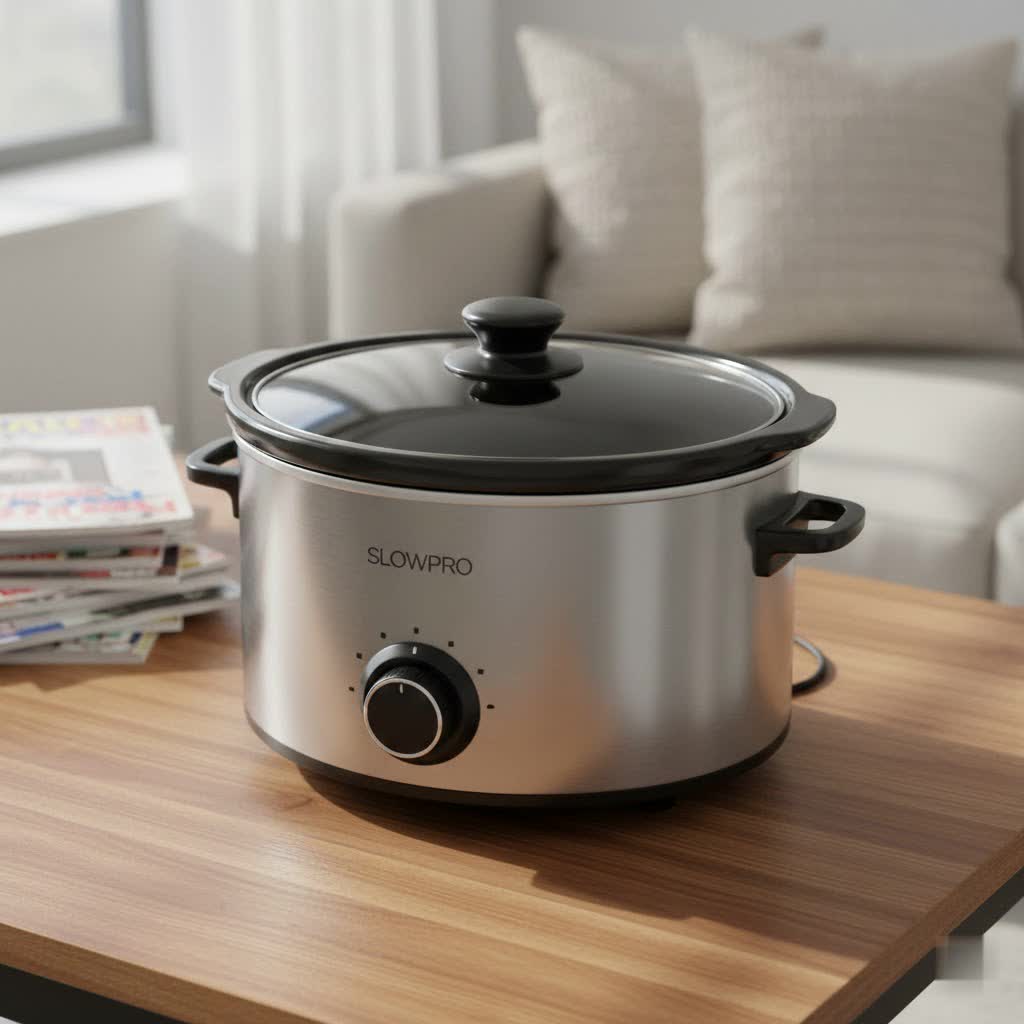
Finding time to prepare nutritious, home-cooked meals can feel like a constant juggle. Imagine coming home to the comforting aroma of a perfectly cooked dinner, ready to serve with minimal effort. This dream becomes a reality with a slow cooker, a countertop appliance designed to simplify your culinary life. Whether you’re a seasoned chef or a kitchen novice, a slow cooker can improve your daily meal routine, offering hands-off cooking that delivers incredible flavor and tender resultsLet’s examine the world of slow cookers and discover how to choose, use, and maintain the perfect model for your home.
What is a Slow Cooker and How Does it Work?
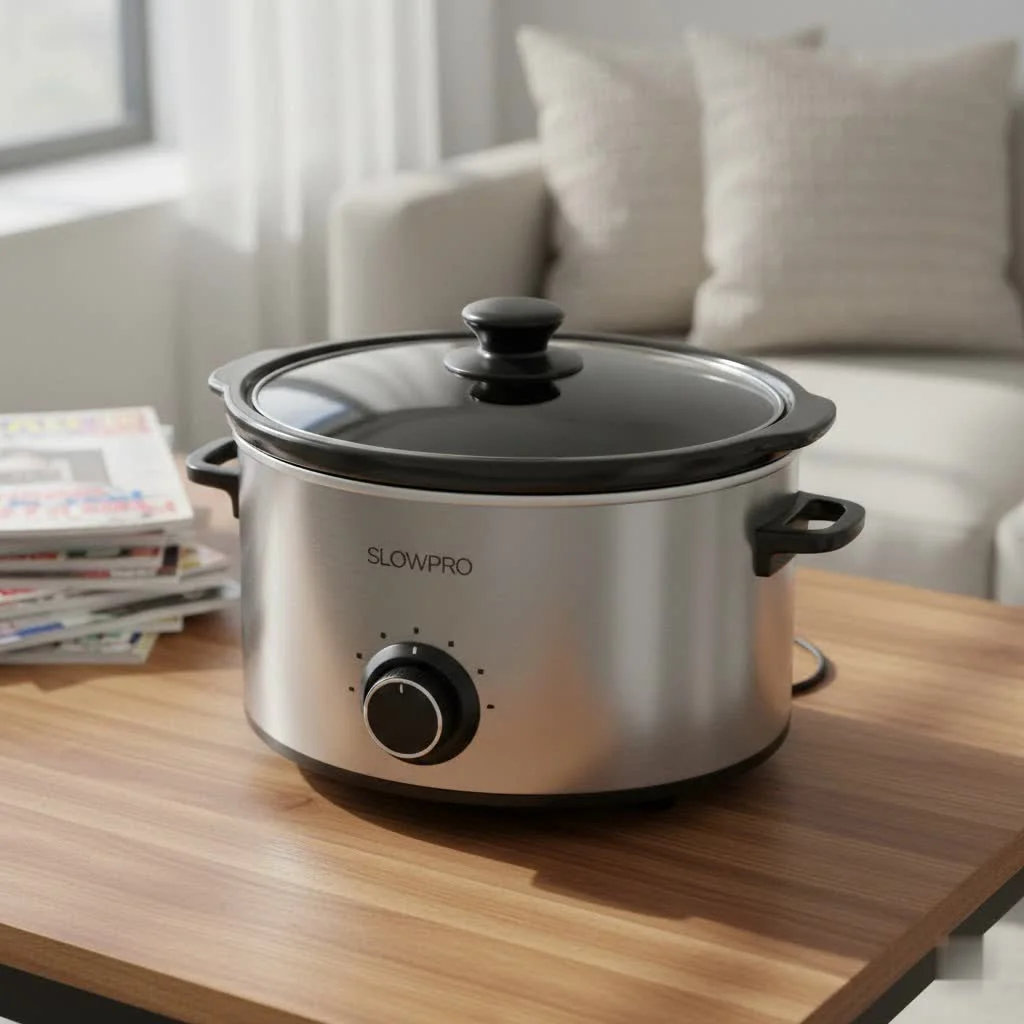
A slow cooker is an electric cooking appliance that simmers food at a low temperature over several hours. Its fundamental design allows for a gentle, consistent heat that breaks down tough fibers in meats and vegetables, resulting in remarkably tender textures and deeply infused flavors.
The primary components of a slow cooker include an outer housing that contains the heating element, a removable inner cooking pot (often called a crock), and a lid. The heating elements, typically located at the bottom and sides of the outer housing, distribute heat evenly around the inner pot. This low and slow cooking method generally operates at temperatures ranging from approximately 195°F to 205°F (90°C to 96°C) on a “low” setting, and slightly higher on a “high” setting. The sealed lid traps moisture and heat, creating a self-basting environment that keeps food from drying out and enhances the natural juices and aromas. Historically, the concept of slow cooking gained widespread popularity with the introduction of the Crock-Pot in the 1970s, making it a household staple for convenience and flavorful meals.
Advantages and Disadvantages of Slow Cookers
Like any kitchen appliance, slow cookers come with their own set of benefits and drawbacks. Understanding these can help you determine if a slow cooker is the right fit for your cooking style and household needs.
Advantages
Slow cookers offer a compelling array of benefits that cater to modern lifestyles.
- Time and Effort Saving: This is arguably the biggest appeal. You can load ingredients in the morning, turn the slow cooker on, and return hours later to a fully cooked meal. This “set it and forget it” functionality drastically reduces active cooking time.
- Flavor and Nutrient Preservation: The gentle, prolonged cooking process allows flavors to meld and intensify, creating rich, complex dishes. Cooking at lower temperatures in a sealed environment helps retain more nutrients and moisture compared to higher-heat methods. Slow cooking is also known to produce fewer Advanced Glycation End products (AGEs), which are cellular-damaging compounds often associated with high-heat cooking.
- Versatility in Cooking: Beyond traditional stews and roasts, slow cookers are incredibly versatile. You can prepare everything from soups, chili, and pulled meats to side dishes, desserts, hot appetizers, and even bread.
- Energy and Cost Efficiency: Slow cookers consume significantly less electricity than a conventional oven, making them an economical choice for long cooking durations. They also allow you to utilize cheaper, tougher cuts of meat, which become incredibly tender when slow-cooked, translating into savings on your grocery bill.
- Safety and Convenience: Designed for unattended operation, slow cookers are safe to leave on while you’re at work or running errands. Many models also feature “keep warm” settings, ensuring your meal stays at a safe serving temperature for hours without overcooking.
Disadvantages
|
Our Picks for the Best Slow Cooker in 2026
As an Amazon Associate I earn from qualifying purchases.
|
||
| Num | Product | Action |
|---|---|---|
| 1 | Ninja® 12-in-1 PossibleCooker™ PLUS - 8.5-qt - Sous Vide & Proof Multi-Cooker - Slow Cooker, Dutch Oven & More - Glass Lid & Integrated Spoon - Nonstick - Oven Safe Pot to 500°F - Black - MC1010 |

|
| 2 | 8-Quart Digital Programmable Slow Cooker with Timer - Small Kitchen Appliance for Family Dinners - Serves 10+ People - Heat Settings: Keep Warm, Low and High |
|
| 3 | Ninja MC1001 Foodi PossibleCooker PRO 8.5 Quart Multi-Cooker, with 8-in-1 Slow Cooker, Dutch Oven, Steamer, Glass Lid Integrated Spoon, Nonstick, Oven Safe Pot to 500°F, Sea Salt Gray |
|
| 4 | 3.2L Natural Unglazed Earthenware Casserole,Yixing Zisha Clay Pot for Cooking, Healthy Slow Cooker for Soup, Stew, Rice -Zhuni,Red |
|
| 5 | 3.2L Natural Unglazed Earthenware Casserole,Yixing Zisha Clay Pot for Cooking, Healthy Slow Cooker for Soup, Stew, Rice -Zini,Purple |
|
| 6 | Crock-Pot Large 8-Quart Programmable Slow Cooker with Auto Warm Setting Black Stainless Steel |
|
| 7 | Crock-Pot 6 Quart Programmable Slow Cooker with Timer and Auto Food Warmer Setting, Stainless Steel |
|
| 8 | Crock-Pot 6 Quart Cook & Carry Programmable Slow Cooker with Digital Timer Stainless Steel (CPSCVC60LL-S) pack of 1 |
|
| 9 | Ninja MC1101 Foodi Everyday Possible Cooker Pro, 8-in-1 Versatility, One-Pot Faster Cooking Replaces 10 Tools, Family-Sized Capacity with Adjustable Temp Control, 6.5 quarts, Midnight Blue |
|
| 10 | Crock-Pot 7 Quart Oval Manual Slow Cooker, Stainless Steel (SCV700-S-BR), Versatile Cookware for Large Families or Entertaining |
|
While highly beneficial, slow cookers do have some limitations to consider.
- Extended Cooking Times: As the name suggests, slow cookers require a long cooking duration, typically several hours. This means they are not suitable for last-minute meal preparation or quick weeknight dinners unless you’ve prepped ingredients in advance.
- Limited Browning Capabilities: Traditional slow cookers do not generate enough heat for searing or browning meat, which is essential for developing certain flavors and textures. For recipes requiring browned meat, you’ll need to sear it in a separate pan before adding it to the slow cooker, unless your model includes a specific searing function.
- Countertop and Storage Space: Slow cookers, especially larger models, can occupy a considerable amount of countertop real estate and may be bulky to store, which can be a concern for smaller kitchens.
- Potential for Overcooking: While designed for long cooking, some delicate ingredients can become overly mushy or dry if left in the slow cooker for too long, especially without precise temperature controls or a “keep warm” function.
Popular Types of Slow Cookers
Slow cookers come in various designs and with different features, each catering to specific cooking preferences and needs.
Classification by Shape
The shape of a slow cooker often dictates the types of dishes it’s best suited for.
- Round: These models typically have a smaller footprint and are ideal for soups, stews, chilis, and side dishes that don’t require a specific orientation. They are often found in smaller capacities.
- Oval: Oval slow cookers are highly popular due to their versatility. Their elongated shape comfortably accommodates larger cuts of meat, such as whole chickens, roasts, or racks of ribs, making them perfect for family meals or entertaining.
- Rectangular: Less common, rectangular slow cookers are sometimes designed for specific uses, such as casserole dishes or buffet-style serving with multiple compartments.
Classification by Material
The material of the inner cooking pot significantly impacts performance, weight, and durability.
- Ceramic/Stoneware: This is the most traditional material. Ceramic pots excel at even heat distribution and retention, ensuring food cooks uniformly. They are heavy and can be prone to cracking if subjected to sudden temperature changes or drops. Most ceramic inserts are not stovetop-safe for searing.
- Metal (Aluminum/Steel): Lighter and more durable than ceramic, metal inserts (often aluminum or stainless steel with a nonstick coating) heat up faster. A significant advantage is that many metal inserts are stovetop-safe, allowing you to sear ingredients directly in the pot before slow cooking, thus minimizing cleanup. Care must be taken to avoid scratching nonstick coatings with metal utensils.
Classification by Features
Modern slow cookers range from basic, no-frills models to advanced multi-functional appliances.
- Manual: These are the simplest models, typically offering “High,” “Low,” and “Warm” settings. They are straightforward to operate and generally the most budget-friendly.
- Programmable/Digital: These slow cookers feature digital displays and allow you to set precise cooking times. Once the programmed cooking cycle is complete, they often automatically switch to a “keep warm” setting, providing greater flexibility and peace of mind for busy schedules.
- Multi-Functional Cookers: Modern advancements have led to multi-cookers that integrate slow cooking with other functions. These can include pressure cooking, searing/sautéing, steaming, and even sous vide capabilities, centralizing multiple appliances into one unit.
Comparing Slow Cooker Types
To help you decide, here’s a comparison of common slow cooker types:
| Type (by Feature) | Ideal Use | Pros | Cons |
|---|---|---|---|
| Manual | Simple stews, soups, pot roasts | Easy to use, affordable, reliable for basic slow cooking | No timer, requires manual switching to keep warm |
| Programmable | Meals needing precise timing, overnight cooking | Automated “keep warm,” delay start, greater flexibility | Slightly higher cost than manual models |
| Multi-Cooker | Versatile cooking, small kitchens | Combines slow cooking with searing, pressure cooking, steaming | Higher price, larger footprint, can be complex to operate |
| Type (by Material) | Ideal Use | Pros | Cons |
|---|---|---|---|
| Ceramic/Stoneware | Evenly cooked dishes, traditional recipes | Excellent heat retention, consistent cooking | Heavy, prone to cracking, not stovetop safe |
| Metal (Nonstick) | Searing before slow cooking, lighter weight | Lighter, often stovetop-safe for browning, easier to handle | Nonstick coating can scratch, may have hot spots |
Your Ultimate Slow Cooker Buying Guide
Choosing the right slow cooker involves considering your personal cooking habits, family size, and desired features.
Assess Your Cooking Needs
Before you buy, take a moment to think about how you plan to use your slow cooker.
- Family Size and Batch Cooking: How many people do you typically cook for? Do you like to prepare large batches of food for meal prepping or freezing? This will directly influence the capacity you need.
- Type of Dishes: Are you mostly making soups and stews, or do you envision cooking whole chickens or large roasts? This will help you decide on the ideal shape.
- Budget: Slow cookers are available at various price points. Determine how much you’re willing to invest, balancing features with cost.
Choosing the Right Capacity
The capacity of your slow cooker, measured in quarts or liters, is crucial for optimal results. Food cooks best when the pot is between one-half and three-quarters full.
- Small (1.5-3 Quarts): Perfect for singles, couples, small side dishes, dips, or small batches of soup. A 1.5-quart model is ideal for warm dips for entertaining.
- Medium (3-5 Quarts): Suitable for 2-4 people. Good for smaller roasts, stews, and casseroles.
- Large (5+ Quarts): The most common size for families (4-6 people) and ideal for larger cuts of meat, whole chickens, big batches of chili or soup, and entertaining. A 6-quart model is often considered the standard versatile size, with 8-quart options available for larger gatherings. Alyce Alexandra, an expert in slow cooking, often recommends a 5-6.5L (approx. 5-7 quart) size for the flexibility of bulk cooking, even if not always filling it to capacity.
Select the Pot Material
Your choice of cooking pot material affects both cooking and convenience.
- Ceramic/Stoneware: Choose this if you prioritize even heat and traditional slow cooking. It’s excellent for retaining heat and serving directly from the pot but is heavier and not suitable for stovetop searing.
- Metal (Stovetop-Safe): If you value the convenience of searing meat or sautéing vegetables in the same pot before slow cooking, a model with a removable, stovetop-safe metal insert is a major upgrade. Ensure you use silicone or wooden utensils to protect any nonstick coating.
Essential Features to Look For
Modern slow cookers offer a range of features that enhance convenience and control.
- Programmable Timer and Keep Warm: An electronic timer is a highly recommended feature, as it allows you to set the cooking duration, and the unit will automatically switch to a “keep warm” setting when done. This is invaluable for busy days when you can’t be home precisely when cooking finishes.
- Manual Heat Settings: Ensure the slow cooker allows you to manually select “High,” “Low,” and “Warm” settings. Some models with “automatic” temperature control can be frustrating.
- Searing Function: A built-in searing function or a stovetop-safe insert allows you to brown ingredients before slow cooking, adding depth of flavor without dirtying an extra pan.
- Lid Type: A clear glass lid lets you monitor your food without releasing heat. Locking lids are excellent for safe and spill-free transport if you frequently take your slow cooker to potlucks or gatherings.
- Minimum Time Setting: Ideally, look for a model with a minimum timer setting of 30 minutes, as some recipes require shorter cooking times than the typical 4-hour minimum found on some basic units.
Reputable Brands
Many brands offer reliable and highly-rated slow cookers. Some consistently praised manufacturers include Crock-Pot (the original slow cooker brand), Cuisinart, Hamilton Beach, Instant Pot (known for multi-cookers), and GreenLife. Exploring models from these brands can provide a good starting point for your search.
Top Slow Cookers for Every Kitchen
While specific models can vary, certain features and designs consistently earn high praise, making them excellent choices for different needs.
- Best Overall Multi-Functional: Look for models that seamlessly integrate slow cooking with other modes like searing, steaming, and even pressure cooking. These often feature durable stainless steel exteriors and intuitive digital controls, offering exceptional versatility for a wide range of recipes and reducing kitchen clutter. They tend to have lightweight, nonstick aluminum inserts that are easy to clean and may be stovetop-safe for browning.
- Best for Large Families/Entertaining: High-capacity (6-8 quart) oval-shaped slow cookers are ideal. Many top performers in this category feature programmable timers, automatically switching to “keep warm,” and robust ceramic inserts that provide consistent, even heat for large roasts or batches of chili. Some also include locking lids for easy transport to gatherings.
- Best Budget-Friendly Option: Excellent basic manual slow cookers are available at very affordable prices. These models often have simple High/Low/Warm settings and reliable ceramic crocks, proving that you don’t need a lot of bells and whistles to enjoy delicious slow-cooked meals. They are straightforward to use and clean, making them a great entry point into slow cooking.
- Best Compact/Mini Slow Cooker: For individuals, couples, or making dips and small side dishes, compact 1.5- to 2.5-quart slow cookers are perfect. The best mini models offer sturdy construction and maintain consistent temperatures, performing just as well as their larger counterparts, and are easy to store.
Tips for Safe Use and Maintenance
To ensure your slow cooker performs effectively and safely for years to come, proper usage and care are essential.
Safe Usage Practices
Following these guidelines will help you cook delicious and safe meals:
- Start Clean: Always begin with a clean slow cooker, utensils, and work area to prevent foodborne illness.
- Thaw Meat Completely: Never put frozen meat or poultry directly into a slow cooker, as it can spend too much time in the “danger zone” where bacteria multiply. Always thaw meat completely beforehand.
- Layer Ingredients Strategically: Vegetables typically cook slower than meat. Place root vegetables and other slower-cooking ingredients at the bottom of the pot, directly against the heating element, then add meat and liquids on top.
- Fill Appropriately: For best results, fill your slow cooker between half and three-quarters full. Overfilling can lead to uneven cooking and spillage, while underfilling might cause food to dry out or overcook.
- Keep the Lid On: Resist the urge to frequently lift the lid, as each peek can drop the internal temperature by 10-15 degrees, extending the cooking time by as much as 30 minutes.
- Liquid Level: Slow cookers retain moisture very well, so recipes often require less liquid than traditional stovetop or oven cooking. Follow recipes carefully to avoid overly watery dishes.
Cleaning and Care
Maintaining your slow cooker is straightforward, especially with dishwasher-safe components.
- Cool Down First: Always allow the ceramic insert or metal pot to cool completely before washing it, whether by hand or in the dishwasher. Sudden temperature changes can cause ceramic to crack or warp.
- Dishwasher-Safe Parts: Most removable crocks (ceramic or metal) and lids are dishwasher-safe, making cleanup easy.
- Clean the Exterior: The outer heating unit contains electrical components and should never be submerged in water. Wipe it clean with a damp cloth and mild detergent, then dry thoroughly.
- Inspect Nonstick Coatings: If your slow cooker has a nonstick metal insert, regularly check for scratches, nicks, or chips. If the coating is damaged, consider replacing the pot to prevent any harmful particles from leaching into your food.
Conclusion
The slow cooker stands as a shows the power of simplicity in the kitchen, offering a dependable solution for flavorful, hands-off meals. From tenderizing tough cuts of meat to simmering aromatic stews, its ability to transform ingredients with minimal supervision makes it an invaluable ally for anyone navigating a busy schedule. By understanding the different types, key features, and proper usage, you can confidently select a slow cooker that perfectly aligns with your culinary aspirations and lifestyle, bringing warmth and convenience to your home. Ready to improve your dinner routine? What delicious slow-cooked meal will you prepare first?
Frequently Asked Questions
Can you cook rice in a slow cooker?
Yes, many slow cookers can cook rice, and some multi-cooker models even feature dedicated rice presets. The slow and steady heat is ideal for preparing fluffy rice. However, if you are adding rice to a soup or stew, it is often recommended to cook it separately and stir it in at the end to prevent it from becoming overcooked and mushy with the other ingredients.
What foods should you avoid cooking in a slow cooker?
While versatile, some foods aren’t best suited for slow cooking. Lean cuts of meat can dry out easily without sufficient fat or liquid. Delicate vegetables like fresh herbs or soft greens are best added towards the end of the cooking process to maintain their texture and flavor. Dairy products can curdle if cooked on high for too long, and raw pasta often becomes overly soft and mushy.
Are slow cookers and Crock-Pots the same thing?
“Crock-Pot” is a specific brand name of slow cooker, much like “Kleenex” is for facial tissues. While all Crock-Pots are slow cookers, not all slow cookers are Crock-Pots. The term “slow cooker” refers to the general category of appliance that cooks food at low temperatures over an extended period.
How does a slow cooker compare to an Instant Pot?
Slow cookers utilize low, consistent heat over a long period to tenderize food and meld flavors, operating on a “set it and forget it” principle. Instant Pots, which are multi-cookers, primarily function as pressure cookers, using high pressure to cook food rapidly. While Instant Pots often have a slow cooker function, their strength lies in speed, whereas traditional slow cookers excel in developing deep, rich flavors over time.
Are slow cooker inserts dishwasher-safe?
Most modern slow cooker inserts (the removable cooking pot, whether ceramic or metal) and lids are dishwasher-safe, making cleanup quite convenient. However, it’s crucial to always allow the insert to cool completely before washing to prevent thermal shock, which can cause ceramic pots to crack. The electrical base unit, containing heating elements, should never be submerged in water but wiped clean with a damp cloth.
Cooking gear we tested in our own kitchens
Free PDF — preheat times measured on 10 popular air fryers.
