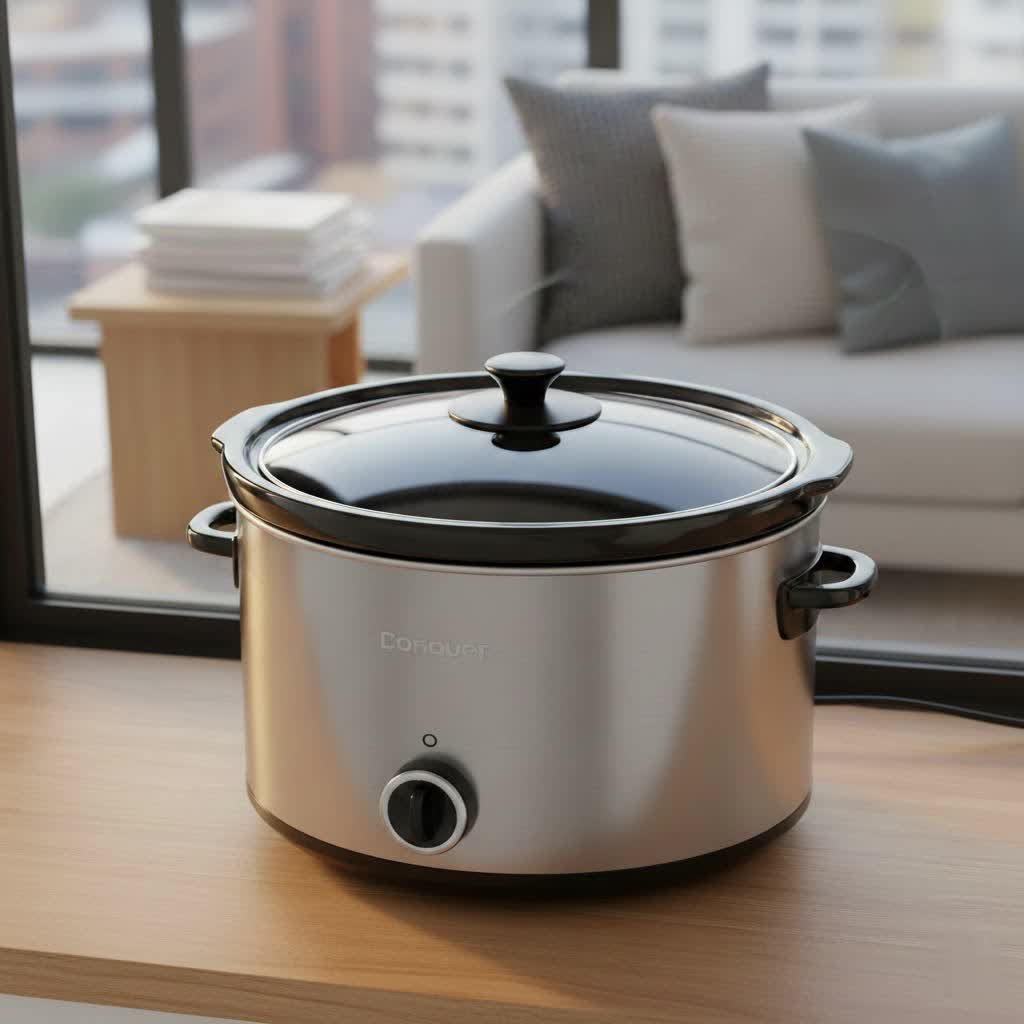
Imagine walking into your kitchen after a long day, greeted by the comforting aroma of a perfectly cooked meal, all thanks to an appliance that effortlessly handles the heavy lifting while you’re away. This is the magic of a slow cooker, and when it comes in a stylish cream finish, it adds a touch of timeless elegance to your culinary space. A cream slow cooker isn’t just a kitchen tool; it’s a statement piece that promises delicious, hassle-free meals and complements any kitchen aesthetic.
What is a Slow Cooker?
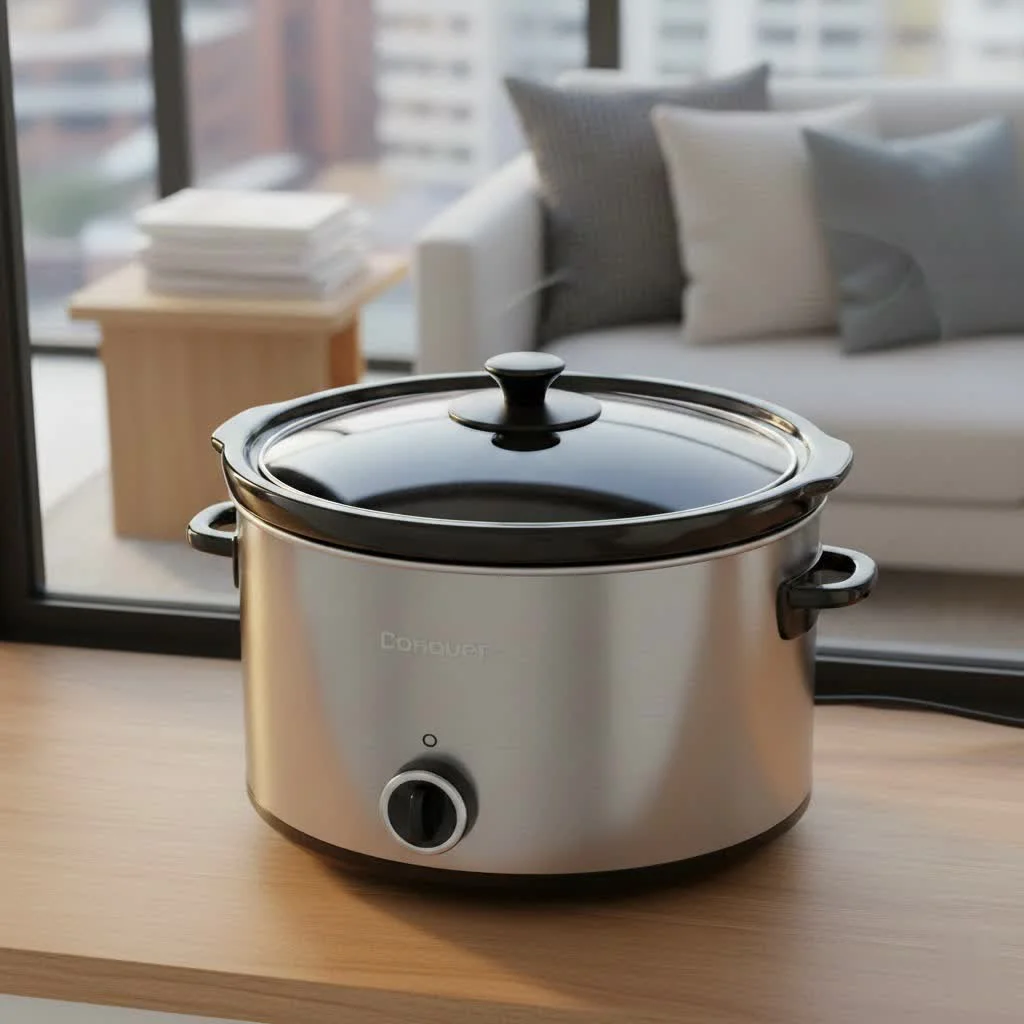
A slow cooker is a countertop electrical cooking appliance designed to simmer food at lower temperatures over an extended period, making it ideal for unattended cooking. Its core principle involves gentle, consistent heat that breaks down tougher cuts of meat, melds flavors, and preserves nutrients, transforming simple ingredients into rich, flavorful dishes. For expert slow cooker reviews on this site.
The slow cooker’s journey to culinary prominence began in the 1940s, a time when more women entered the workforce and needed convenient methods to prepare meals. The Naxon Beanery All-Purpose Cooker, inspired by traditional long-cooking stews, was a pioneer in this category. Later, the Rival Company acquired the patent and launched the iconic “Crock-Pot,” which became synonymous with slow cooking. [cite: 1_1]
At its heart, a slow cooker consists of a heating base, a removable inner pot (often made of ceramic or stoneware), and a lid (typically glass). The heating element in the base surrounds the inner pot, gradually raising the temperature of the contents to a steady range, usually between 174–199°F (79–93°C). Modern slow cookers often feature electronic controls for precise temperature management, delayed start timers, and automatic “keep warm” settings, offering unparalleled convenience and flexibility in meal preparation. [cite: 1_1]
Advantages and Disadvantages of Slow Cookers
Slow cookers have become a beloved staple in kitchens worldwide, but like any appliance, they come with their own set of pros and cons. Understanding these can help you make an informed decision and maximize your cooking experience.
Advantages
- Time and Effort Saving: The most significant advantage is the ability to “set it and forget it.” You can assemble ingredients in the morning, leave the slow cooker to work its magic throughout the day, and return home to a hot, ready-to-eat meal. This is particularly beneficial for busy individuals and families.
- Flavor and Nutrition Retention: The low and slow cooking process tenderizes cheaper cuts of meat by breaking down connective tissues, resulting in incredibly succulent dishes. The sealed environment also helps retain moisture, flavor, and water-soluble vitamins that might otherwise be lost in faster cooking methods. [cite: 1_1, 4_1]
- Versatility in Dishes: From savory pot roasts, stews, and soups to chili, pulled pork, and even desserts like cobblers and cheesecakes, the slow cooker can handle a surprising variety of recipes. Some multi-cookers even offer functions like searing or sautéing. [cite: 4_2]
- Safety and Ease of Use: Slow cookers are designed for safe, unattended operation. Their straightforward controls and gentle cooking temperatures minimize the risk of burning food. Cleanup is often simple, as many inner pots are dishwasher-safe. [cite: 5_1]
Disadvantages
|
Our Picks for the Best Slow Cooker in 2026
As an Amazon Associate I earn from qualifying purchases.
|
||
| Num | Product | Action |
|---|---|---|
| 1 | Ninja MC1101 Foodi Everyday Possible Cooker Pro, 8-in-1 Versatility, One-Pot Faster Cooking Replaces 10 Tools, Family-Sized Capacity with Adjustable Temp Control, 6.5 quarts, Midnight Blue |

|
| 2 | 3.2L Natural Unglazed Earthenware Casserole,Yixing Zisha Clay Pot for Cooking, Healthy Slow Cooker for Soup, Stew, Rice -Zhuni,Red |
|
| 3 | Ninja MC1001 Foodi PossibleCooker PRO 8.5 Quart Multi-Cooker, with 8-in-1 Slow Cooker, Dutch Oven, Steamer, Glass Lid Integrated Spoon, Nonstick, Oven Safe Pot to 500°F, Sea Salt Gray |
|
| 4 | Crock-Pot Large 8-Quart Programmable Slow Cooker with Auto Warm Setting Black Stainless Steel |
|
| 5 | 3.2L Natural Unglazed Earthenware Casserole,Yixing Zisha Clay Pot for Cooking, Healthy Slow Cooker for Soup, Stew, Rice -Zini,Purple |
|
| 6 | Crock-Pot 7 Quart Oval Manual Slow Cooker, Stainless Steel (SCV700-S-BR), Versatile Cookware for Large Families or Entertaining |
|
| 7 | Crock-Pot 6 Quart Cook & Carry Programmable Slow Cooker with Digital Timer Stainless Steel (CPSCVC60LL-S) pack of 1 |
|
| 8 | Crock-Pot 6 Quart Programmable Slow Cooker with Timer and Auto Food Warmer Setting, Stainless Steel |
|
| 9 | 8-Quart Digital Programmable Slow Cooker with Timer - Small Kitchen Appliance for Family Dinners - Serves 10+ People - Heat Settings: Keep Warm, Low and High |
|
| 10 | Ninja® 12-in-1 PossibleCooker™ PLUS - 8.5-qt - Sous Vide & Proof Multi-Cooker - Slow Cooker, Dutch Oven & More - Glass Lid & Integrated Spoon - Nonstick - Oven Safe Pot to 500°F - Black - MC1010 |
|
- Long Cooking Times: By nature, slow cooking requires significant time, often several hours. This means it’s not suitable for impromptu meals or quick culinary fixes.
- Temperature Control Limitations: While modern slow cookers offer more precision, basic models might only have “low,” “high,” and “warm” settings, making it challenging to fine-tune cooking temperatures for delicate dishes. Some older units may run too hot, leading to overcooked food. [cite: 1_2]
- Risk of Overcooking Certain Foods: Delicate ingredients like pasta, certain vegetables, or dairy products can become mushy or curdle if added too early or cooked for excessively long periods.
- Size and Counter Space: Slow cookers can be relatively bulky, especially larger capacity models, which might be a concern for kitchens with limited counter or storage space.
Types of Slow Cookers
Slow cookers come in various designs and with different functionalities. Understanding these distinctions can help you choose a model that perfectly fits your cooking style and aesthetic preferences, such as a beautiful cream finish.
By Shape
The shape of a slow cooker typically influences the types of food you can cook most effectively.
- Round: These are generally smaller in capacity and best suited for single-pot meals like stews, soups, or smaller roasts. They are compact and take up less counter space.
- Oval: More common in larger capacities, oval slow cookers are ideal for bigger cuts of meat like whole chickens, roasts, or ribs, as well as casseroles that require a longer shape. Many contemporary models are oval. [cite: 3_3]
By Material
The material of the inner pot is crucial for heat distribution, durability, and cleaning.
- Ceramic/Stoneware: This is the most traditional material for slow cooker inserts. Ceramic is dense and heavy, excelling at retaining and distributing heat evenly, which helps prevent scorching. However, ceramic pots take longer to heat up and can be prone to cracking or shattering if dropped or exposed to extreme temperature changes. [cite: 4_4]
- Metal (e.g., Aluminum, Steel): Some newer slow cookers feature metal inserts, often with a nonstick coating. These are generally lighter and heat up more quickly. A significant advantage is that some metal inserts are stovetop-safe, allowing you to sear or brown ingredients directly in the pot before slow cooking, thus reducing dirty dishes. [cite: 4_4]
By Features
Slow cookers range from basic manual models to advanced multi-functional appliances.
- Manual: These are the simplest slow cookers, typically offering just “low,” “high,” and sometimes a “warm” setting controlled by a dial. They are reliable and often more durable due to fewer electronic components.
- Programmable/Digital: These models come with digital displays and timers, allowing you to set precise cooking durations. Once the cooking time is complete, they often automatically switch to a “keep warm” setting, preventing overcooking and keeping food ready until you are. This feature is particularly convenient for busy schedules. [cite: 2_2]
- Multi-Cooker: Blurring the lines between appliances, multi-cookers offer slow cooking alongside other functions like pressure cooking, searing, sautéing, steaming, and even baking. While highly versatile, they can be more expensive and might have a steeper learning curve.
Comparing Slow Cookers
Choosing the best slow cooker involves weighing various factors. Below is a general comparison to help you understand the differences across types, which can also apply when considering a cream-colored model.
| Feature | Manual Slow Cooker | Programmable Slow Cooker | Multi-Cooker (with Slow Cook function) |
|---|---|---|---|
| Material | Ceramic/Stoneware (most common) | Ceramic/Stoneware or Metal | Metal (often nonstick-coated), Ceramic options |
| Capacity | Wide range (1.5 to 8+ quarts) | Wide range (3 to 8+ quarts) | Moderate to large (6 to 8+ quarts) |
| Features | Low/High/Warm settings, dial control | Digital timer, Auto Keep Warm, specific presets | Pressure cook, sear/sauté, steam, bake, yogurt |
| Price Range | $20 – $60 | $40 – $150 | $100 – $300+ |
| Aesthetics | Often basic, but many classic cream models available | Modern designs, various colors (including cream) | Sleek, often stainless steel, with digital interfaces |
| Complexity | Very simple to use | Easy to program | More complex, steeper learning curve |
| Benefit | Affordable, durable, straightforward | Convenient for busy schedules, precise timing | Highly versatile, replaces multiple appliances |
Buying Guide: Choosing Your Perfect Cream Slow Cooker
Selecting the right slow cooker, especially one that fits your aesthetic preference like a cream finish, involves considering a few key aspects beyond just color.
Determine Your Needs
Before diving into features, consider how you’ll use your slow cooker.
- Family Size: How many people will you typically be cooking for? This directly impacts the required capacity.
- Common Dishes: Do you primarily make soups and stews, or do you plan to cook larger roasts and casseroles? This helps determine the ideal shape and capacity.
- Budget: Slow cookers range widely in price. Determine how much you’re willing to spend, keeping in mind that more features often mean a higher cost.
Select the Right Capacity
Slow cookers are measured in quarts (or liters). Generally, they perform best when at least half full, but no more than two-thirds full. [cite: 4_4]
- Small (Under 3 Liters / 1-2.5 Quarts): Ideal for single servings, dips, appetizers, or meals for one to two people.
- Medium (3-5 Liters / 3-5 Quarts): Perfect for small families (2-4 people) or preparing modest portions.
- Large (Over 5 Liters / 6+ Quarts): Best for larger families (5+ people), entertaining, or batch cooking for meal prepping and freezing.
Choose the Material
As discussed earlier, the inner pot’s material affects performance and care.
- Ceramic/Stoneware: Known for even heat distribution and excellent heat retention. They are durable but can be heavy and susceptible to cracking if mishandled.
- Metal (e.g., Aluminum, Steel): Lighter, heats up faster, and some are stovetop-safe for browning ingredients. However, they may have hot spots and nonstick coatings can scratch.
Essential Features
Consider these features to enhance your slow cooking experience:
- Cooking Modes: Look for at least “low” and “high” settings. An “auto” or “warm” setting is highly desirable, especially if you won’t be home exactly when cooking finishes. [cite: 2_2]
- Timer: A programmable timer that automatically switches to “keep warm” is a major upgrade for set-it-and-forget-it cooking, preventing overcooking and keeping food at a safe serving temperature. [cite: 2_2]
- Keep Warm Function: Essential for maintaining food temperature without continuing to cook, ensuring your meal is perfectly ready when you are.
- Sear/Sauté Function: Available on some advanced models or multi-cookers, this allows you to brown meats and vegetables directly in the slow cooker insert, adding depth of flavor and reducing extra dishes. [cite: 4_2]
- Lid Type: A clear glass lid allows you to monitor cooking progress without lifting the lid, which can significantly extend cooking time.
- Stay-Cool Handles: Important for safe transport, especially if you plan to carry your slow cooker to potlucks or gatherings.
Reputable Brands & The Appeal of Cream
When choosing a slow cooker, look for brands known for quality and durability. Many reputable brands offer models in cream or similar off-white shades, allowing you to combine functionality with your desired kitchen aesthetic.
- Crock-Pot: The original and often considered the standard. While many are black or silver, various Crock-Pot models have been released in beige or cream over the years, including popular vintage designs. [cite: 1_5, 5_2]
- Hamilton Beach: A consistent performer, Hamilton Beach offers reliable slow cookers, some of which come in appealing neutral tones. [cite: 5_2]
- GreenPan: Brands like GreenPan offer modern slow cookers in “Cloud Cream” or similar elegant, neutral finishes, often featuring ceramic non-toxic inserts. [cite: 1_1, 1_4]
- Bella: Known for accessible pricing, Bella also produces slow cookers in “Oatmilk” or other light, attractive colors. [cite: 1_3]
> “A cream slow cooker is more than just an appliance; it’s an investment in both your culinary convenience and your kitchen’s aesthetic appeal.”
Top Cream Slow Cookers Available Today
While “cream slow cooker” primarily refers to the appliance’s color, several excellent models combine reliable performance with this desirable aesthetic. Here are a few examples that stand out:
- GreenPan Elite 14-in-1 6-Quart Slow Cooker (Cloud Cream): This model is highly rated for its versatility and non-toxic ceramic nonstick coating. Its “Cloud Cream” finish offers a sophisticated look, making it a stylish addition to any countertop. It’s often praised for even cooking and ease of cleaning, thanks to its quality ceramic insert. [cite: 1_1]
- Bella 6qt Programmable Slow Cooker (Oatmilk): For those seeking a more budget-friendly option without sacrificing style, Bella offers programmable slow cookers in an “Oatmilk” shade. These models provide essential programmable features, allowing for set-and-forget cooking with a pleasant, understated cream appearance. [cite: 1_3]
- Crock-Pot Beige/Almond Models: While newer Crock-Pot models often come in black or stainless steel, the brand has a rich history of producing slow cookers in classic beige or almond finishes. Many vintage and some current models can be found in these timeless cream hues, often lauded for their simple, durable construction. These are excellent choices for a classic or retro kitchen theme. [cite: 1_5]
- GreenLife Cook Duo Slow Cooker: GreenLife is known for its eco-friendly approach and offers its Cook Duo Slow Cooker with “whimsical color options” that often include light, cream-like shades. This model features a ceramic insert made from sand, offering impressive heat distribution and stovetop-safe capabilities for searing. [cite: 1_4]
These examples showcase how you can find a high-performing slow cooker that also meets your preference for a beautiful cream aesthetic, ensuring both culinary success and kitchen harmony.
How to Use and Maintain Your Slow Cooker
To get the most out of your cream slow cooker and ensure its longevity, proper usage and maintenance are key.
Safe and Effective Usage
- Prepare Ingredients: Chop vegetables and meat, brown meat if desired (especially with stovetop-safe inserts or multi-cookers for better flavor), and assemble all components.
- Fill the Pot Correctly: For optimal cooking, your slow cooker should be at least half full and no more than two-thirds full. Underfilling can lead to overcooking, while overfilling can result in uneven cooking or spillage. [cite: 4_4]
- Add Liquids: Ensure there’s enough liquid in your recipe, as slow cookers create their own moisture, so less liquid is generally needed than in traditional stovetop cooking.
- Set the Temperature and Time: Select the appropriate “low” or “high” setting based on your recipe. “Low” typically cooks food for 6-8 hours, while “high” cooks in 3-4 hours. Use the programmable timer if your model has one.
- Resist Lifting the Lid: Every time you lift the lid, significant heat escapes, potentially adding 15-30 minutes to the cooking time. Only peek if absolutely necessary.
- Add Delicate Ingredients Later: Dairy products like milk, cream, sour cream, or cheese should generally be added during the last 30-60 minutes of cooking to prevent curdling or separation.
- Avoid Cooking Frozen Meat: Do not cook large pieces of frozen meat from raw in a slow cooker, as it can keep the food in the “danger zone” temperature range for too long, promoting bacterial growth. Thaw meat completely first.
Cleaning and Care
- Always Unplug: Before cleaning, ensure your slow cooker is unplugged and cooled down.
- Wash the Inner Pot and Lid: Most ceramic or metal inserts and glass lids are dishwasher-safe. For handwashing, use warm, soapy water and a non-abrasive sponge to protect any nonstick coatings or finishes.
- Clean the Heating Base: Wipe the exterior of the heating base with a damp cloth. Never immerse the base in water.
- Remove Stains: For stubborn food stains on the ceramic insert, try a baking soda paste or a non-abrasive cleaner.
- Storage: Store your slow cooker in a dry place. Ensure the inner pot and lid are completely dry before storing to prevent mildew or odors.
Common Issues and Troubleshooting
- Food is Overcooked/Mushy: The heat setting might be too high, or the food was cooked for too long. Adjust the setting or cooking time next time. Ensure the pot isn’t underfilled.
- Food is Undercooked: The setting might be too low, or the cooking time insufficient. Also, frequent lid lifting can extend cooking time. Ensure your pot is at least half full.
- Lid Doesn’t Seal Properly: Check for any food debris around the rim or damage to the lid. A proper seal is crucial for effective slow cooking.
Conclusion
A cream slow cooker offers a delightful combination of practical culinary benefits and elegant kitchen aesthetics. It empowers you to create comforting, flavorful meals with minimal effort, transforming tough ingredients into tender delights while you go about your day. Beyond its functional prowess, a cream-colored appliance brings a touch of warmth and sophistication, seamlessly integrating into various kitchen designs, from rustic to modern.
From understanding its historical roots and operational principles to exploring the diverse types, features, and brands available, you now have the knowledge to select and utilize your ideal slow cooker. Embracing slow cooking means embracing convenience, deliciousness, and a stress-free approach to home-cooked meals. Are you ready to discover the ease and elegance a cream slow cooker can bring to your culinary routine?
Frequently Asked Questions
Is a cream slow cooker harder to clean or more prone to staining than other colors?
No, the exterior color of a slow cooker generally does not affect how difficult it is to clean the cooking surface. The inner pot, typically ceramic or metal, is where food residue will be, and its material dictates ease of cleaning. Any exterior stains on a cream slow cooker can usually be wiped away with a damp cloth, just like any other appliance color.
Do cream slow cookers perform differently than other colors?
The color of a slow cooker’s exterior is purely an aesthetic choice and has no impact on its cooking performance, heat distribution, or efficiency. Performance is determined by the appliance’s internal components, such as the heating element and the material of the inner pot.
Can I put dairy products in a slow cooker from the beginning?
It’s generally recommended to add dairy products such as milk, cream, sour cream, or cheese towards the end of the slow cooking process, typically in the last 30-60 minutes. Adding them too early can cause them to curdle or separate due to prolonged exposure to heat, affecting the texture and appearance of your dish.
What is the difference between a slow cooker and a Crock-Pot?
“Crock-Pot” is actually a brand name, specifically one of the most well-known manufacturers of slow cookers. While often used interchangeably, “slow cooker” is the generic term for the appliance itself, while “Crock-Pot” refers to a slow cooker made by the Crock-Pot brand. It’s similar to how “Kleenex” is used for facial tissues.
Cooking gear we tested in our own kitchens
Free PDF — preheat times measured on 10 popular air fryers.

I appreciate how the guide highlighted the benefit of breaking down tougher cuts of meat. I used to avoid brisket because it was such a hassle, but with my new slow cooker, it comes out perfect every time. The cream finish really does look great on my counter, too. It’s a solid appliance.
I’ve been eyeing a cream slow cooker for ages to match my kitchen, and finally pulled the trigger on the Cuisinart model mentioned. It’s not just beautiful, but it cooks like a dream! My pot roast has never been more tender, and the cleanup is surprisingly easy. Definitely a game-changer for busy weeknights.
The idea of coming home to a perfectly cooked meal is exactly why I love my slow cooker. I recently tried a new chicken curry recipe in my cream Crock-Pot, and the flavors melded together beautifully. It’s so convenient for meal prepping and ensures I always have a healthy option ready to go.
I got a budget-friendly cream slow cooker, and while it does the job for basic stews, I’ve noticed the heat distribution isn’t always perfectly even. Sometimes the edges cook a little faster than the middle. It’s fine for most recipes, but I might invest in a higher-end model next time for more consistent results.