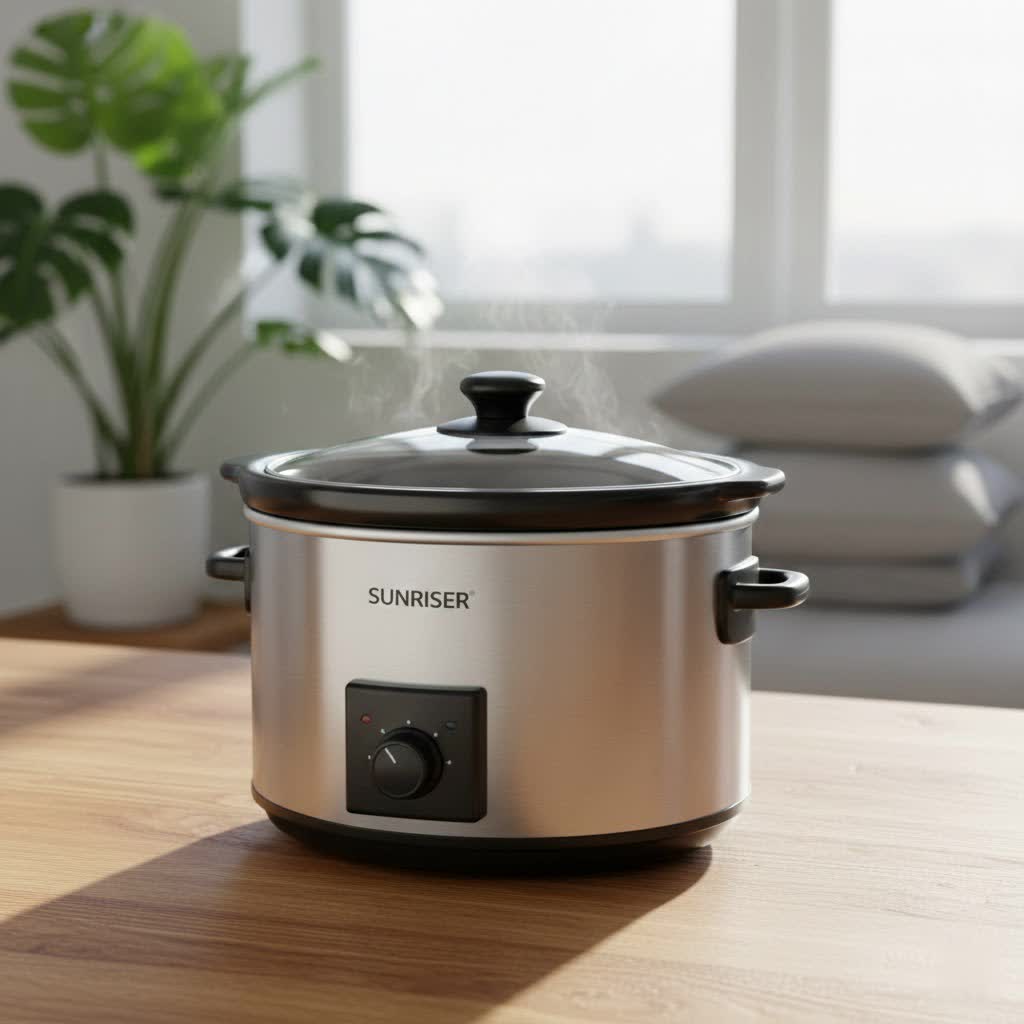
Stepping into an Indian kitchen, one appliance stands out as an undisputed workhorse: the pressure cooker. More than just a pot, it’s a cornerstone of culinary tradition, revered for its ability to transform tough ingredients into tender, flavorful dishes with remarkable speed. If you’ve ever wondered how to achieve perfectly cooked dals, succulent curries, or fluffy rice in a fraction of the time, understanding the Indian pressure cooker is your first step. This guide will delve deep into everything you need to know about this essential kitchen tool, helping you select and utilize one to unlock the rich flavors of Indian cuisine and beyond.
What is an Indian Cooker (Pressure Cooker)?
At its core, an Indian cooker is predominantly a pressure cooker, a specialized cooking pot that uses high-pressure steam to cook food faster than conventional methods. Its fundamental principle involves sealing food and liquid inside a pot, allowing steam to build up and significantly raise the internal boiling point and pressure. This accelerated cooking environment not only drastically cuts down cooking times but also helps retain nutrients and intensify flavors. For best slow cooker roundups on this site.
The history of pressure cooking dates back to the 17th century with Denis Papin’s “Digester,” but it found a particularly strong footing and widespread adoption in India due to its efficiency in cooking staple ingredients like lentils (dals), beans, and tough meats, which typically require long simmering times.
Key components of a pressure cooker include a heavy-duty pot, a secure lid with a rubber gasket that forms an airtight seal, a pressure regulator (or weight valve) to control steam release and maintain optimal pressure, and safety valves that act as a backup release mechanism to prevent excessive pressure buildup. Some modern designs also incorporate a vent tube for additional safety.
Advantages and Disadvantages of Pressure Cookers
Like any kitchen appliance, pressure cookers offer a unique set of benefits and a few considerations that users should be aware of.
Advantages
- Significant Time and Energy Savings: Pressure cooking drastically reduces cooking times for many dishes, making it ideal for busy lifestyles. This efficiency also translates to lower energy consumption compared to traditional stovetop methods.
- Enhanced Flavor and Nutrient Retention: By cooking in a sealed environment with minimal evaporation, pressure cookers lock in moisture, flavors, and vital nutrients. This is particularly beneficial for spices and aromatic ingredients common in Indian cuisine, as their essences are deeply infused into the food.
- Versatility in Dishes: From tenderizing pulses like chickpeas and black beans, to cooking rice, making rich curries, stews, and even steaming vegetables, a wide array of Indian and international dishes can be prepared with ease.
- Safety and Ease of Use: Modern pressure cookers are designed with multiple safety features, including pressure regulating weights, safety valves, and secure locking mechanisms, making them safe for everyday use. Once familiar with the basics, they are straightforward to operate.
Disadvantages
|
Our Picks for the Best Slow Cooker in 2026
As an Amazon Associate I earn from qualifying purchases.
|
||
| Num | Product | Action |
|---|---|---|
| 1 | Crock-Pot 6 Quart Cook & Carry Programmable Slow Cooker with Digital Timer Stainless Steel (CPSCVC60LL-S) pack of 1 |

|
| 2 | Ninja MC1001 Foodi PossibleCooker PRO 8.5 Quart Multi-Cooker, with 8-in-1 Slow Cooker, Dutch Oven, Steamer, Glass Lid Integrated Spoon, Nonstick, Oven Safe Pot to 500°F, Sea Salt Gray |
|
| 3 | Crock-Pot 7 Quart Oval Manual Slow Cooker, Stainless Steel (SCV700-S-BR), Versatile Cookware for Large Families or Entertaining |
|
| 4 | 8-Quart Digital Programmable Slow Cooker with Timer - Small Kitchen Appliance for Family Dinners - Serves 10+ People - Heat Settings: Keep Warm, Low and High |
|
| 5 | Crock-Pot 6 Quart Programmable Slow Cooker with Timer and Auto Food Warmer Setting, Stainless Steel |
|
| 6 | Ninja® 12-in-1 PossibleCooker™ PLUS - 8.5-qt - Sous Vide & Proof Multi-Cooker - Slow Cooker, Dutch Oven & More - Glass Lid & Integrated Spoon - Nonstick - Oven Safe Pot to 500°F - Black - MC1010 |
|
| 7 | 3.2L Natural Unglazed Earthenware Casserole,Yixing Zisha Clay Pot for Cooking, Healthy Slow Cooker for Soup, Stew, Rice -Zhuni,Red |
|
| 8 | Ninja MC1101 Foodi Everyday Possible Cooker Pro, 8-in-1 Versatility, One-Pot Faster Cooking Replaces 10 Tools, Family-Sized Capacity with Adjustable Temp Control, 6.5 quarts, Midnight Blue |
|
| 9 | 3.2L Natural Unglazed Earthenware Casserole,Yixing Zisha Clay Pot for Cooking, Healthy Slow Cooker for Soup, Stew, Rice -Zini,Purple |
|
| 10 | Crock-Pot Large 8-Quart Programmable Slow Cooker with Auto Warm Setting Black Stainless Steel |
|
- Initial Learning Curve: While generally safe, new users might need some time to get accustomed to operating a pressure cooker, understanding pressure release methods, and adjusting cooking times for different foods.
- Difficulty in Temperature Adjustment Mid-Cook: Once pressure is built, you cannot easily open the lid to check seasoning or add ingredients without releasing the pressure first, which can interrupt the cooking process.
- Potential for Overcooking: Due to the rapid and intense cooking environment, food can quickly become overcooked if not timed precisely, potentially leading to mushy textures.
- Size and Storage: Pressure cookers, especially larger capacities, can be bulky and require significant storage space in the kitchen.
Types of Indian Cookers (Pressure Cookers)
Indian pressure cookers come in various forms, differing in shape, material, and features to cater to diverse cooking needs and preferences.
Classified by Shape
- Straight (Cylindrical) Pressure Cooker: This classic, tall cylindrical shape is the most common. It’s highly versatile for a wide range of tasks, from boiling rice to preparing dals and vegetables.
- Handi Pressure Cooker: Featuring a wider, rounder base, the Handi shape is particularly well-suited for cooking thicker curries, gravies, and biryanis. Its design allows for better heat circulation and can sometimes facilitate slow cooking or sautéing before pressurizing.
- Pressure Pan: This combines the functions of a pressure cooker and a frying pan. It typically has a wider base and shorter sides, making it excellent for sautéing, shallow frying, and then pressure cooking in the same pot. It often comes with a regular lid for conventional use as well.
Classified by Material
- Aluminum Pressure Cookers: These are often the most affordable and lightweight option. Aluminum heats up quickly and evenly, making it efficient for cooking. However, it can react with acidic foods over time and may discolor.
- Hard Anodized Aluminum Pressure Cookers: Hard anodization creates a layer on aluminum that makes it non-porous, non-toxic, and resistant to corrosion and scratches. These cookers are more durable, less reactive than raw aluminum, and offer excellent heat distribution.
- Stainless Steel Pressure Cookers: Considered a premium choice, stainless steel is highly durable, non-reactive, and easy to clean. They maintain their appearance over time. However, stainless steel can be a slower conductor of heat, which is often mitigated by incorporating a tri-ply or multi-ply bottom for better heat distribution.
- Tri-Ply Stainless Steel Pressure Cookers: These feature a three-layer construction, typically with an aluminum core sandwiched between two layers of stainless steel. This design combines the durability and non-reactivity of stainless steel with the superior heat conductivity of aluminum, ensuring fast, even heating.
Classified by Features
- Outer Lid Pressure Cookers: In these models, the lid fits onto the outside of the cooker body, pressing down from the top. They are generally considered robust and are very popular in India.
- Inner Lid Pressure Cookers: Here, the lid fits inside the cooker body and locks from within. Many users find them slightly safer as the pressure pushes the lid against the rim, enhancing the seal.
- Induction Compatible Pressure Cookers: Designed with a magnetic base, these cookers can be used on both gas stoves and modern induction cooktops, offering greater flexibility.
- Electric Pressure Cookers (Multi-Cookers): While popular in Western markets (e.g., Instant Pot), traditional stove-top pressure cookers are generally preferred in India. Electric versions offer programmed settings and delay timers, but they are reliant on consistent electricity, which can be an issue in regions with frequent power cuts. Stove-top models are also often cited for more powerful sautéing capabilities crucial for Indian tempering.
Comparing Different Pressure Cooker Types
Understanding the nuances between different types can help you make an informed decision. Here’s a brief comparison:
| Feature | Aluminum | Hard Anodized Aluminum | Stainless Steel | Tri-Ply Stainless Steel |
|---|---|---|---|---|
| Durability | Good | Very Good | Excellent | Excellent |
| Heat Conduction | Excellent, fast | Excellent, fast | Good, but can be uneven | Excellent, very even |
| Reactivity | Can react with acidic foods | Non-reactive | Non-reactive | Non-reactive |
| Maintenance | Can stain, needs gentle care | Easy to clean, scratch-resistant | Easy to clean, rust-resistant | Easy to clean, rust-resistant |
| Weight | Lightweight | Medium weight | Heavy | Medium to Heavy |
| Price Range | Most affordable | Mid-range | Mid to high-range | High-range |
| Aesthetics | Can dull over time | Retains dark finish | Polished, long-lasting shine | Polished, long-lasting shine |
| Induction Comp. | Less common | Less common | Common | Most common |
Buying Guide: Experience in Choosing an Indian Cooker
Selecting the right pressure cooker involves considering your household’s size, cooking habits, and specific preferences.
Determine Your Usage Needs
- Family Size: The number of people you typically cook for is a primary factor.
- 1-2 people: A 2-3 liter cooker is usually sufficient for single servings or small meals.
- 3-4 people: A 3-5 liter cooker is a versatile size for average families.
- 5+ people or batch cooking: A 5-7.5 liter cooker, or even larger (up to 12-20 liters for special occasions), will accommodate larger quantities.
- Common Dishes: If you mostly cook dals and rice, a standard cylindrical cooker is fine. For curries and gravies, a Handi-shaped or pressure pan might be more suitable for initial sautéing.
- Budget: Prices vary significantly by brand, material, and features. Set a realistic budget before you start shopping.
Choosing the Right Capacity
As outlined above, capacity is directly linked to the number of servings. It’s often better to go slightly larger than too small, as overfilling a pressure cooker can be dangerous and inefficient. A 3-liter cooker is typically great for 2-3 people, while a 5-liter model is a common choice for 3-5 people.
Selecting the Material
- For budget-conscious cooks or occasional use: Aluminum is a viable option, but be mindful of its reactivity.
- For daily, versatile cooking and durability: Hard anodized aluminum or tri-ply stainless steel are excellent choices. Hard anodized offers great value and durability, while tri-ply stainless steel provides superior longevity, non-reactivity, and is often induction-friendly.
- For premium quality and health-conscious cooking: Stainless steel, especially tri-ply, is the best. It’s non-reactive and maintains its appearance.
Essential Features
- Cooking Modes/Settings: While stove-top pressure cookers don’t have “modes” in the electric sense, consider if you prefer the standard pressure regulating weight or a spring-valve system for pressure control.
- Timer Functionality (if electric): If opting for an electric model, timers can be convenient. However, for stove-top, a separate kitchen timer is all you need.
- Keep Warm Function (if electric): Another electric-only feature, useful for maintaining food temperature after cooking.
- Safety Features: Always look for ISI certification (Indian Standards Institute) for cookers sold in India. Essential safety features include a pressure regulating weight/valve, a secondary safety valve, and a secure lid locking mechanism.
- Induction Compatibility: If you have an induction cooktop or plan to get one, ensure the cooker is clearly marked “induction compatible.”
- Spill-Proof Lid: Some modern designs feature lids that minimize spills, which can be a great convenience, especially for frothy foods like dals.
Reputable Brands
In India, several brands have established a strong reputation for producing reliable and high-quality pressure cookers.
- Prestige: A household name, known for a wide range of models in various materials and capacities, often incorporating innovative safety features like spillage control.
- Hawkins: Another very popular and trusted brand, especially known for its durable and long-lasting aluminum and stainless steel pressure cookers. Many users attest to their decades-long performance.
- Butterfly: Offers a good range of cookers, including those with silicone gaskets which some users prefer for better sealing and less odor retention.
- The Indus Valley: Known for its focus on tri-ply stainless steel products, emphasizing food-grade materials and durability.
- Vinod, Pigeon, Bajaj, Bergner, Stahl: Other reputable brands offering various options and quality.
Top 3 Indian Cookers (Pressure Cookers) Recommended Today
Based on performance, durability, and user reviews, here are some top recommendations for Indian pressure cookers:
-
Prestige Deluxe Alpha Svachh Stainless Steel Pressure Cooker:
- Features: Often comes with a unique deep lid for spillage control, induction compatible, made from high-quality stainless steel for durability and hygiene. Available in various capacities.
- Pros: Excellent for preventing messy overflows, sturdy handles, aesthetically pleasing, long-lasting.
- Cons: Can be pricier than aluminum options.
-
Hawkins Classic Aluminum Pressure Cooker:
- Features: The iconic inner lid design, made from virgin aluminum, suitable for gas stoves. Available in a vast range of sizes.
- Pros: Extremely durable (many users report decades of use), efficient heat distribution, very affordable, reliable safety valve.
- Cons: Not induction compatible, aluminum material requires proper care to prevent discoloration.
-
The Indus Valley Tri-Ply Stainless Steel Pressure Cooker:
- Features: Premium tri-ply body for even heating, 100% food-safe, ISI certified, compatible with both gas and induction.
- Pros: Optimal heat distribution, non-reactive, very durable, excellent for health-conscious cooking, often comes with a good warranty.
- Cons: Higher price point, can be heavier than aluminum models.
How to Use and Maintain Your Pressure Cooker
Proper usage and maintenance are crucial for the longevity and safe operation of your pressure cooker.
Safe and Effective Usage Steps
- Read the Manual: Always start by reading the manufacturer’s instructions for your specific model.
- Fill Correctly: Never fill the cooker more than two-thirds full with food and liquid, and no more than halfway for foods that expand (like dals, rice, or frothy liquids).
- Secure the Lid: Ensure the lid is properly seated and locked according to the design (inner or outer lid). The gasket should be clean and correctly positioned.
- Heat Gradually: Place the cooker on medium-high heat. You’ll hear steam escaping from the vent tube, followed by the pressure regulator (weight) beginning to “whistle” or “jiggle.” This indicates full pressure.
- Adjust Heat and Time: Once full pressure is reached, reduce the heat to maintain a steady, gentle whistle/jiggle. Cook for the recommended time for your dish.
- Release Pressure Safely:
- Natural Release: Remove the cooker from heat and let the pressure drop on its own. This is ideal for frothy foods or larger cuts of meat.
- Quick Release: For some foods and recipes, you can carefully place the cooker under cold running water (avoiding the pressure regulator) or use the quick-release valve if your model has one. Never force the lid open if there’s still pressure inside.
- Open Carefully: Once all pressure has been released, and the safety indicator (if present) has dropped, you can safely open the lid.
Cleaning and Storage Tips
- Daily Cleaning: Wash the pot, lid, and gasket with warm, soapy water after each use. Pay special attention to cleaning the vent tube and pressure regulator to ensure they are free of food particles.
- Gasket Care: Remove the rubber gasket regularly for thorough cleaning. Store it loosely or in place on the lid, but avoid stretching it. Replace the gasket annually or if it shows signs of wear and tear, as it’s crucial for maintaining the pressure seal.
- Safety Valve Inspection: Periodically check the safety valve for any blockages or damage. Replace if necessary.
- Storage: Ensure all parts are completely dry before storing to prevent odors and corrosion. Store the lid inverted on the pot to allow air circulation.
Common Issues and Troubleshooting
- No Pressure Build-Up: Check if the lid is sealed correctly, the gasket is in good condition, and the pressure regulator is properly placed.
- Steam Leaking from Lid: Often indicates a worn-out or improperly seated gasket. Try repositioning or replacing the gasket.
- Food Sticking to Bottom: Use sufficient liquid, reduce heat once pressure is achieved, and consider using a cooker with a thicker, multi-ply bottom.
“A well-maintained pressure cooker is a lifelong companion in the Indian kitchen, not just a cooking tool. Its ability to extract maximum flavor and tenderness in minimal time is truly unmatched for traditional recipes.” – Chef Priya Sharma, Culinary Expert in Indian Cuisine
Conclusion
The Indian cooker, synonymous with the versatile and indispensable pressure cooker, is much more than just a kitchen appliance; it’s a cultural icon that simplifies and enriches the diverse culinary landscape of India. From reducing cooking times to enhancing the depth of flavors and preserving vital nutrients, its benefits are profound. Choosing the right pressure cooker involves understanding your family’s needs, preferred materials, and essential safety features, with reliable brands like Prestige, Hawkins, and The Indus Valley leading the way.
By embracing this powerhouse tool, you gain not just efficiency but also the confidence to create authentic, delicious Indian meals that might otherwise seem daunting. What delicious Indian dish will you master first with your new pressure cooker?
Frequently Asked Questions
Why are pressure cookers so popular in Indian households?
Pressure cookers are popular in India because they significantly reduce the cooking time for staple foods like dals (lentils), rice, and various meats, which traditionally require long simmering. They also retain nutrients and infuse spices deeply, making them ideal for diverse Indian cuisine and busy lifestyles.
What is the ideal pressure cooker size for a family of four in India?
For a family of four, a 3-liter to 5-liter capacity pressure cooker is generally recommended. A 3-liter is good for daily small meals, while a 5-liter offers more versatility for larger preparations like curries or when entertaining.
Is stainless steel or aluminum better for an Indian pressure cooker?
Tri-ply stainless steel is generally considered superior due to its durability, non-reactivity with food, and even heat distribution. While aluminum heats faster and is more affordable, it can react with acidic ingredients and may not be as long-lasting. Hard anodized aluminum offers a good middle ground.
Can an Indian pressure cooker be used on an induction cooktop?
Yes, many modern Indian pressure cookers, especially those made of stainless steel or tri-ply stainless steel, are designed with an induction-compatible base. Always check the product specifications for explicit mention of “induction compatible” before purchasing.
How often should I replace the gasket and safety valve on my pressure cooker?
It is generally recommended to replace the rubber gasket annually or whenever you notice signs of wear, tear, cracking, or if steam starts leaking from the lid. The safety valve should also be checked regularly for blockages and replaced if it appears damaged or faulty.
Cooking gear we tested in our own kitchens
Free PDF — preheat times measured on 10 popular air fryers.
