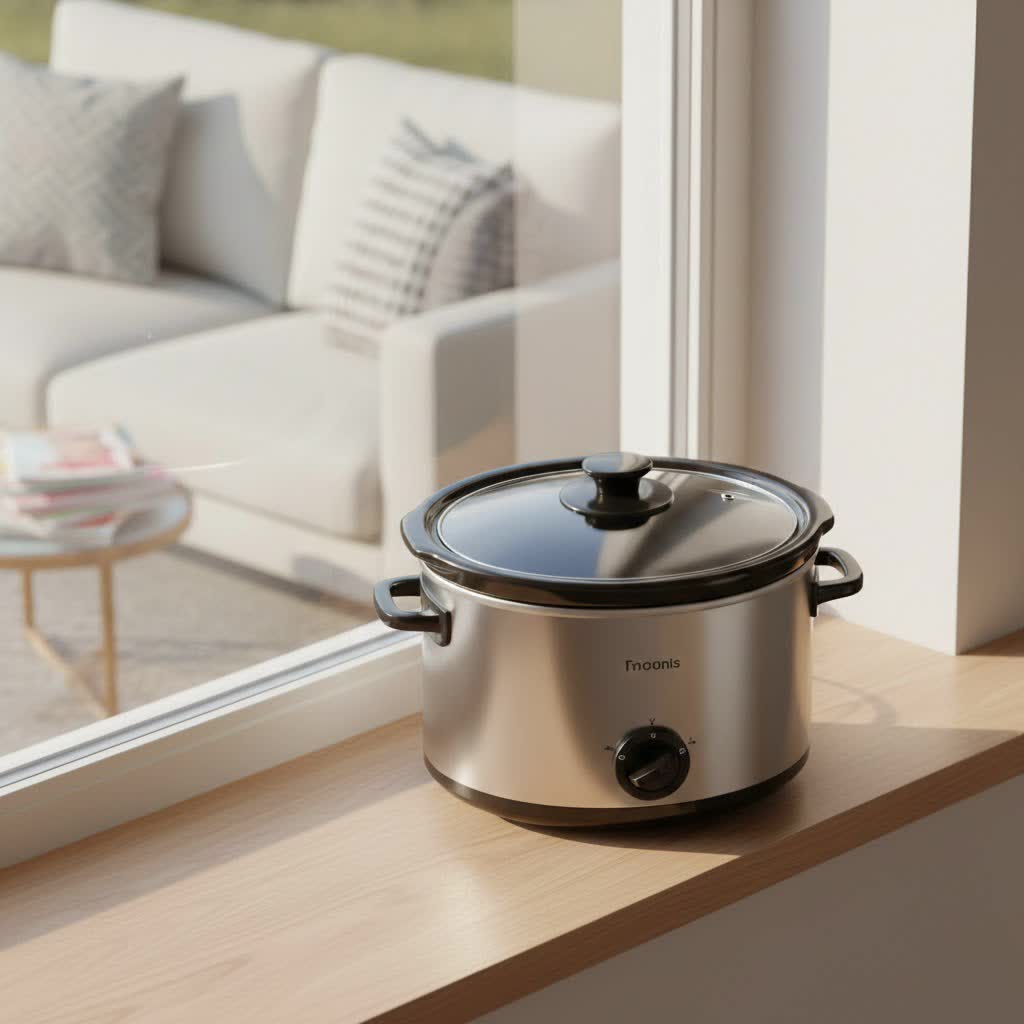
In today’s fast-paced world, finding time to prepare nutritious, flavorful meals can feel like a daunting task. That’s where a slow cooker steps in as a kitchen hero, transforming raw ingredients into delicious dishes with minimal effort. Among the many brands available, Proctor Silex stands out for its commitment to simplicity, affordability, and reliable performance. Whether you’re a seasoned home cook or just starting your culinary journey, a Proctor Silex slow cooker can revolutionize your meal preparation, making hearty, homemade food accessible every day.
What is a Slow Cooker?
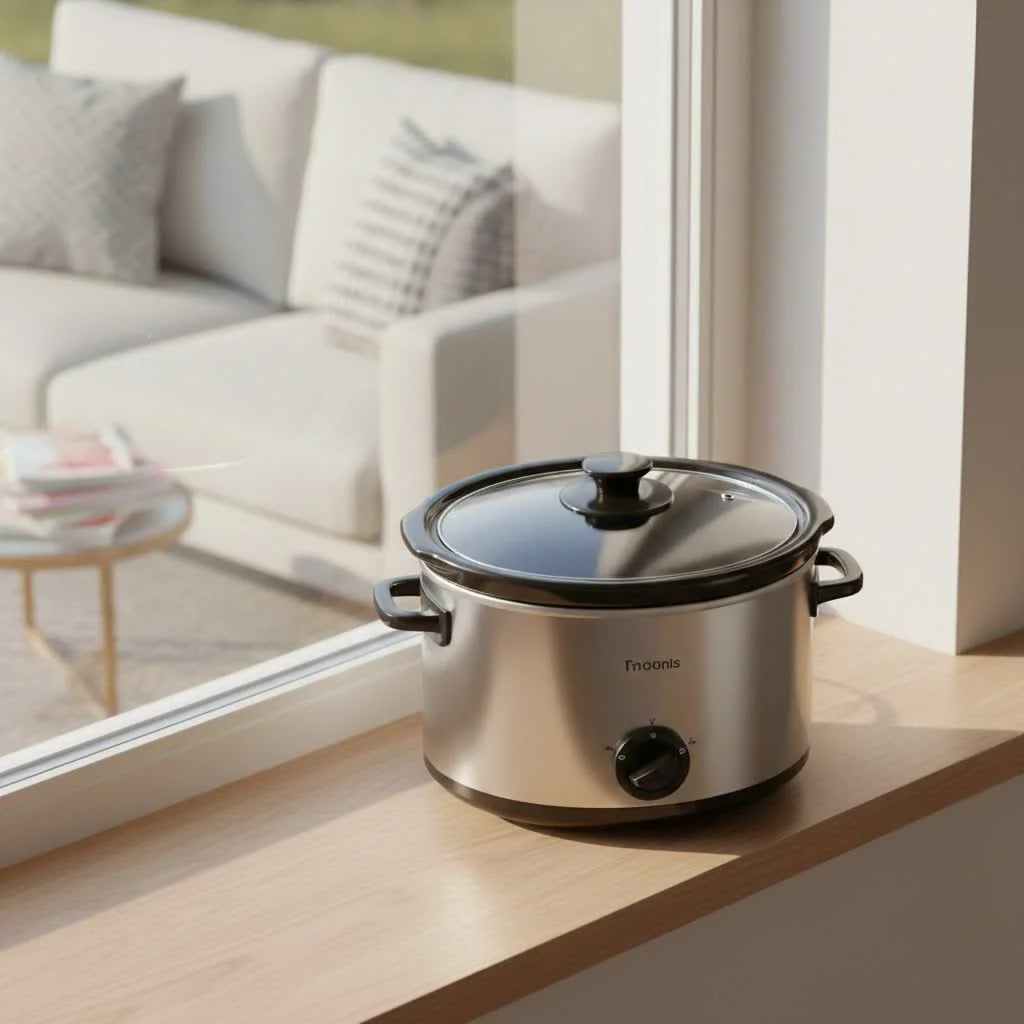
A slow cooker, often referred to as a Crock-Pot (though that’s a brand name), is an electric countertop appliance used to simmer food at a low temperature for several hours. Its fundamental principle is low and slow cooking, which tenderizes tough cuts of meat and melds flavors beautifully, resulting in deeply satisfying meals. The appliance typically consists of a heated housing unit, a removable inner pot (often ceramic or stoneware), and a lid.
The history of the slow cooker dates back to the early 20th century, but it gained widespread popularity in the 1970s when more women entered the workforce and needed convenient ways to prepare dinner. The appliance allows you to set ingredients in the morning and return home to a ready-to-eat meal. Over time, designs have evolved from basic manual controls to more advanced programmable and multi-functional models, but the core benefit of hands-off cooking remains.
The main components of a slow cooker include:
- Heating Base: The exterior housing that contains the heating element.
- Removable Pot (Crock): This is where the food is placed. It’s usually made of stoneware or ceramic, designed to conduct and retain heat evenly.
- Lid: Typically made of tempered glass, allowing you to monitor cooking progress without releasing heat.
- Control Panel: Simple dial or digital buttons for selecting heat settings (Low, High, Warm).
Advantages and Disadvantages of Slow Cookers
Slow cookers offer a compelling blend of convenience and culinary benefits, but like any appliance, they come with their own set of considerations.
Advantages
- Time and Effort Saving: This is arguably the biggest perk. You can load ingredients in the morning and let the slow cooker work its magic throughout the day, eliminating last-minute dinner rush.
- Flavor and Nutrition Retention: The long, slow cooking process helps to break down tough fibers in meats, making them incredibly tender, while also allowing flavors to deepen and meld. The sealed environment helps to retain moisture and nutrients that might otherwise escape with faster cooking methods.
- Versatility in Dishes: From stews, soups, and chili to roasts, pulled pork, and even desserts, a wide array of recipes can be perfectly prepared in a slow cooker.
- Safety and Ease of Use: Slow cookers are designed for unsupervised operation. Their simple controls typically involve just setting a temperature (Low, High) and sometimes a “Keep Warm” function, making them user-friendly even for novice cooks.
- Energy Efficiency: While they cook for longer periods, slow cookers generally use less electricity than an oven, especially for extended cooking times.
Disadvantages
|
Our Picks for the Best Slow Cooker in 2026
As an Amazon Associate I earn from qualifying purchases.
|
||
| Num | Product | Action |
|---|---|---|
| 1 | Ninja MC1001 Foodi PossibleCooker PRO 8.5 Quart Multi-Cooker, with 8-in-1 Slow Cooker, Dutch Oven, Steamer, Glass Lid Integrated Spoon, Nonstick, Oven Safe Pot to 500°F, Sea Salt Gray |

|
| 2 | Crock-Pot 7 Quart Oval Manual Slow Cooker, Stainless Steel (SCV700-S-BR), Versatile Cookware for Large Families or Entertaining |
|
| 3 | 3.2L Natural Unglazed Earthenware Casserole,Yixing Zisha Clay Pot for Cooking, Healthy Slow Cooker for Soup, Stew, Rice -Zhuni,Red |
|
| 4 | Crock-Pot Large 8-Quart Programmable Slow Cooker with Auto Warm Setting Black Stainless Steel |
|
| 5 | 8-Quart Digital Programmable Slow Cooker with Timer - Small Kitchen Appliance for Family Dinners - Serves 10+ People - Heat Settings: Keep Warm, Low and High |
|
| 6 | Crock-Pot 6 Quart Programmable Slow Cooker with Timer and Auto Food Warmer Setting, Stainless Steel |
|
| 7 | Crock-Pot 6 Quart Cook & Carry Programmable Slow Cooker with Digital Timer Stainless Steel (CPSCVC60LL-S) pack of 1 |
|
| 8 | Ninja MC1101 Foodi Everyday Possible Cooker Pro, 8-in-1 Versatility, One-Pot Faster Cooking Replaces 10 Tools, Family-Sized Capacity with Adjustable Temp Control, 6.5 quarts, Midnight Blue |
|
| 9 | Ninja® 12-in-1 PossibleCooker™ PLUS - 8.5-qt - Sous Vide & Proof Multi-Cooker - Slow Cooker, Dutch Oven & More - Glass Lid & Integrated Spoon - Nonstick - Oven Safe Pot to 500°F - Black - MC1010 |
|
| 10 | 3.2L Natural Unglazed Earthenware Casserole,Yixing Zisha Clay Pot for Cooking, Healthy Slow Cooker for Soup, Stew, Rice -Zini,Purple |
|
- Extended Cooking Time: The very nature of “slow cooking” means meals take several hours to prepare, which requires planning ahead. It’s not suitable for last-minute meals.
- Limited Temperature Control: Most basic models offer only Low, High, and Warm settings, which might not provide the precise temperature control desired for all recipes.
- Potential for Over-cooking: If ingredients are left too long, some dishes, particularly vegetables, can become overly soft or mushy.
- Size and Storage: Slow cookers, especially larger capacities, can take up considerable counter and storage space.
- Lack of Browning: Slow cookers typically do not brown or sear food, which can be a crucial step for developing certain flavors. This often means pre-browning meat in a separate pan before adding it to the slow cooker.
Popular Types of Slow Cookers
Slow cookers come in various forms, primarily differing in shape, material, and features. Proctor Silex offers a range that caters to different needs and preferences.
By Shape
- Round Slow Cookers: These are classic and efficient for smaller, more compact meals like dips, oatmeal, or stews for 1-2 people.
- Oval Slow Cookers: Ideal for larger cuts of meat like roasts, whole chickens, or ribs, as their shape accommodates longer items more effectively. Many Proctor Silex models, including the 4-quart and 6-quart sizes, feature an oval stoneware crock.
By Material
- Stoneware/Ceramic: This is the most common material for the inner pot. Stoneware heats evenly and retains heat well, contributing to the gentle, consistent cooking characteristic of slow cookers. Many Proctor Silex slow cookers feature removable stoneware crocks.
- Metal (Nonstick): Some modern slow cookers, particularly multi-cookers that also offer sauté functions, feature nonstick metal inserts. Proctor Silex’s Double Dish Slow Cooker, for instance, includes nonstick aluminum inserts for dual cooking.
By Features
- Manual Slow Cookers: These are the simplest models, typically offering “Low,” “High,” and “Keep Warm” settings controlled by a dial. They are straightforward and reliable. Proctor Silex is well-known for these basic, easy-to-use models.
- Electronic/Programmable Slow Cookers: These models include digital controls, timers, and sometimes automatic “warm” settings after cooking is complete. While Proctor Silex typically focuses on manual simplicity, some larger models may offer more advanced features.
- Multi-Cookers: These are versatile appliances that combine several cooking functions, such as slow cooking, pressure cooking, and sautéing, into one unit. While Proctor Silex primarily offers dedicated slow cookers, their broader “cooker” line includes pressure cookers and rice cookers.
Comparing Proctor Silex Slow Cookers
Proctor Silex provides a range of slow cookers designed for different family sizes and cooking needs. Here’s a comparison of common types you might find:
| Feature/Model | Proctor Silex 1.5-3 Quart (e.g., 33275Y) | Proctor Silex 4 Quart (e.g., 33042) | Proctor Silex 6 Quart Double Dish (e.g., 33563) |
|---|---|---|---|
| Capacity | 1.5 – 3 quarts | 4 quarts | 6 quarts (with two 2.5-quart inserts) |
| Ideal For | 1-2 people, dips, small side dishes | 3-4 people, small roasts, 4lb chicken | 7+ people, large meals, main + two sides, parties |
| Shape | Round or Oval | Round or Oval | Oval (main pot) |
| Inner Pot Material | Stoneware/Ceramic | Stoneware/Ceramic | Stoneware (main), Nonstick Metal (inserts) |
| Control Type | Manual (Low, High, Keep Warm) | Manual (Low, High, Keep Warm) | Manual (Low, High, Keep Warm) |
| Special Features | Compact, easy to store | Basic, reliable | Dual cooking (two dishes at once), dishwasher-safe inserts |
| Ease of Cleaning | Dishwasher-safe crock and lid | Dishwasher-safe crock and lid | Dishwasher-safe crock, inserts, and lid |
| Portability | Some have lid-locking mechanisms for transport, others do not. The 6-quart Double Dish lid does not lock. | Generally not designed for transport | Generally not designed for transport (lid does not lock) |
| Common Use Cases | Small meals, side dishes, appetizers | Weeknight dinners, small family meals | Entertaining, meal prepping, large family meals |
Buying Guide: Choosing Your Proctor Silex Slow Cooker
Selecting the right slow cooker involves considering your household’s unique cooking habits and needs.
1. Determine Your Usage Needs
- Family Size: For individuals or couples, a 1.5 to 3-quart slow cooker might suffice for daily meals. Families of 3-4 people often find a 4-quart model ideal for roasts or one-pot meals. Larger families or those who frequently entertain might opt for a 6-quart or larger slow cooker, like the Double Dish model which can handle a 6lb chicken or 4lb roast.
- Types of Dishes: If you mostly cook soups and stews, a round model is fine. For larger cuts of meat, an oval shape is generally better. The Double Dish model is excellent for simultaneously preparing a main dish and two sides, or for serving multiple dips at a party.
- Budget: Proctor Silex is known for its affordability, offering reliable slow cookers at competitive price points. Determine how much you’re willing to spend.
2. Choose the Right Capacity
- Small (Under 3 Liters / 3 Quarts): Perfect for 1-2 servings, dips, or small side dishes. A 1.5-quart model is great for reheating small meals or keeping food warm.
- Medium (3-5 Liters / 3-5 Quarts): Ideal for 3-4 people. A 4-quart slow cooker can comfortably handle a small roast or chicken.
- Large (Over 5 Liters / 5 Quarts): Best for larger families (5+ people), meal prepping, or entertaining. The 6-quart Double Dish model is a popular choice for its capacity and versatility.
3. Select Inner Pot Material
Proctor Silex typically uses durable stoneware or nonstick metal for its crocks. Stoneware is excellent for even heating and heat retention, while nonstick metal inserts (found in models like the Double Dish) offer easy cleaning and efficient heat transfer. Both are generally dishwasher-safe for convenient cleanup.
4. Essential Features to Look For
- Cooking Modes: Ensure it has at least “Low,” “High,” and “Keep Warm” settings. Proctor Silex slow cookers reliably include these manual settings.
- Removable Crock: This is crucial for easy serving and cleanup. All Proctor Silex slow cookers feature removable crocks that are dishwasher safe.
- Dishwasher-Safe Parts: This greatly simplifies post-meal cleanup. Proctor Silex is strong in this area, with most crocks and lids being dishwasher-safe.
- Durable Design: Look for sturdy handles and construction. Proctor Silex emphasizes durable designs with full-grip handles on its models.
- Dual Cooking (Optional): If you often need to cook multiple dishes simultaneously, the Proctor Silex Double Dish Slow Cooker with its two 2.5-quart inserts is an innovative solution.
5. Reputable Brands
Proctor Silex has a long-standing reputation for producing affordable and functional kitchen appliances. When considering a brand, look for a good warranty. Proctor Silex often backs its products with a 3-year limited warranty.
Top Proctor Silex Slow Cookers
While “best” is subjective, here are some highly regarded Proctor Silex slow cookers based on user feedback and features:
-
Proctor Silex 6 Quart Double Dish Slow Cooker (Model 33563)
- Highlights: This model stands out for its innovative dual-cooking capability, allowing you to prepare two separate dishes or a main and two sides simultaneously. It comes with a 6-quart stoneware crock and two 2.5-quart nonstick inserts. Users praise its convenience for parties and meal prep, and its easy cleanup with dishwasher-safe parts. It’s often recommended for those needing versatility and capacity.
- Considerations: The lid doesn’t lock, making it less ideal for transport, and some users note that water needs to be added to the main pot when using the inserts for heat transfer.
-
Proctor Silex 4 Quart Slow Cooker (Model 33042)
- Highlights: A solid, no-frills option perfect for everyday family meals (3-4 people). It accommodates a 4lb roast or chicken and features simple Low, High, and Keep Warm settings. Its removable stoneware crock and glass lid are dishwasher-safe, making it a reliable and easy-to-clean choice for stress-free cooking.
- Considerations: As a manual cooker, it won’t automatically switch to “warm” after a set time.
-
Proctor Silex 3 Quart Slow Cooker (Model 33275Y)
- Highlights: This compact, oval-shaped slow cooker is ideal for individuals, couples, or preparing side dishes and dips. It’s praised for its easy cleanup due to its smaller size and often features variable heat settings with a “keep warm” function that prevents overcooking. Its oval shape is beneficial for accommodating small cuts of meat.
- Considerations: Some users have reported that certain smaller models might not reach a vigorous boil, which can be a factor for dishes requiring higher heat, though this is rare with proper use.
> “Proctor Silex slow cookers offer an exceptional balance of affordability and functionality, making hands-off cooking accessible to everyone. Their focus on user-friendly design and easy cleanup truly simplifies mealtime.” – Reviewerty.com Admin, Slow Cooker Expert
How to Use and Maintain Your Proctor Silex Slow Cooker
To get the most out of your Proctor Silex slow cooker and ensure its longevity, follow these usage and maintenance tips.
Safe and Effective Use
- Read the Manual: Always start by reading the specific instructions for your model, especially regarding safety warnings and proper assembly.
- Prepare Ingredients: Chop vegetables, trim meat, and prepare all ingredients before placing them in the slow cooker. Some recipes benefit from browning meat beforehand to enhance flavor.
- Fill Correctly: For best results, fill the slow cooker at least halfway, but no more than two-thirds full. Overfilling can lead to uneven cooking or spills, while underfilling may cause food to overcook.
- Lid Placement: Ensure the lid is securely in place to trap heat and moisture. Avoid frequently lifting the lid, as this releases heat and can significantly extend cooking times.
- Setting and Monitoring: Select the desired heat setting (Low or High) according to your recipe. While slow cookers are designed for unsupervised cooking, it’s wise to be present during the first few uses to understand its performance.
- “Keep Warm” Function: Many Proctor Silex models feature a “Keep Warm” setting, perfect for holding food at a safe serving temperature after cooking is complete, without further cooking.
Cleaning and Care
- Unplug and Cool: Always unplug the slow cooker and allow the crock and lid to cool completely before cleaning.
- Dishwasher Safe: Most Proctor Silex stoneware crocks and glass lids are dishwasher safe, making cleanup a breeze.
- Hand Washing: For stubborn food residue or to preserve the nonstick coating on metal inserts (like those in the Double Dish model), hand washing with warm, soapy water is recommended. Avoid abrasive cleaners or scouring pads.
- Base Unit: Wipe the exterior of the heating base with a damp cloth. Never immerse the base in water.
- Avoid Extreme Temperature Changes: Do not place a hot crock or lid directly into cold water or onto a wet, cold surface, as this can cause cracking. Similarly, avoid adding refrigerated foods directly into a heated crock.
- Storage: Ensure all parts are completely dry before storing to prevent mildew or odors.
Common Issues and Troubleshooting
- Food Not Cooking Evenly: Ensure the slow cooker is not overfilled. Stirring (though generally not recommended often) can sometimes help with even heat distribution in very thick stews.
- Food Too Dry/Wet: Adjust liquid amounts. Less liquid is usually needed in a slow cooker compared to stovetop cooking due to minimal evaporation.
- Slow Cooker Not Heating: Check the power connection and ensure the dial is set to an active cooking mode (Low or High), not just “Off” or “Warm.”
Conclusion
Proctor Silex slow cookers offer a practical, budget-friendly, and reliable solution for simplifying meal preparation in any home. From compact models ideal for small households and dips to versatile dual-dish options perfect for entertaining, there’s a Proctor Silex slow cooker to meet diverse culinary needs. Embracing the “low and slow” method not only saves you time and effort but also delivers consistently tender, flavorful results that are sure to become family favorites. By understanding their features, choosing the right capacity, and following simple care guidelines, your Proctor Silex slow cooker can be a cherished appliance for years to come.
Ready to unlock a world of effortless, delicious meals? What will you slow cook first?
Frequently Asked Questions
Are Proctor Silex slow cookers good quality?
Proctor Silex slow cookers are generally considered good quality for their price point, known for being reliable, user-friendly, and effective for basic slow cooking needs. They consistently receive positive reviews for their simplicity and durability, offering excellent value for money.
Can you leave a Proctor Silex slow cooker on all day?
Yes, Proctor Silex slow cookers are designed to be left on for extended periods, typically 6-8 hours on “High” or 8-10 hours (or longer) on “Low” settings, making them ideal for cooking while you’re away from home. Always ensure the lid is properly seated and consult your specific model’s manual for recommended cooking times and safety guidelines.
What is the difference between a manual and programmable slow cooker?
A manual slow cooker has basic controls (e.g., Low, High, Warm) that you set and turn off manually. A programmable slow cooker includes a digital timer and can often automatically switch to a “Keep Warm” setting once the set cooking time is complete, offering more hands-off convenience. Proctor Silex primarily offers manual models.
Can I put frozen meat in a Proctor Silex slow cooker?
It is generally not recommended to put frozen meat directly into a slow cooker due to food safety concerns. The meat may spend too long in the “danger zone” (between 40°F and 140°F) where bacteria can multiply rapidly. Always thaw frozen meat completely before adding it to your slow cooker.
How do I prevent food from burning in my slow cooker?
To prevent food from burning, ensure there’s enough liquid in the slow cooker, avoid overcooking by following recipe times, and use the “Low” setting for longer cooking durations. If your slow cooker runs hot, adding a little extra liquid or checking it periodically can help.
Cooking gear we tested in our own kitchens
Free PDF — preheat times measured on 10 popular air fryers.
