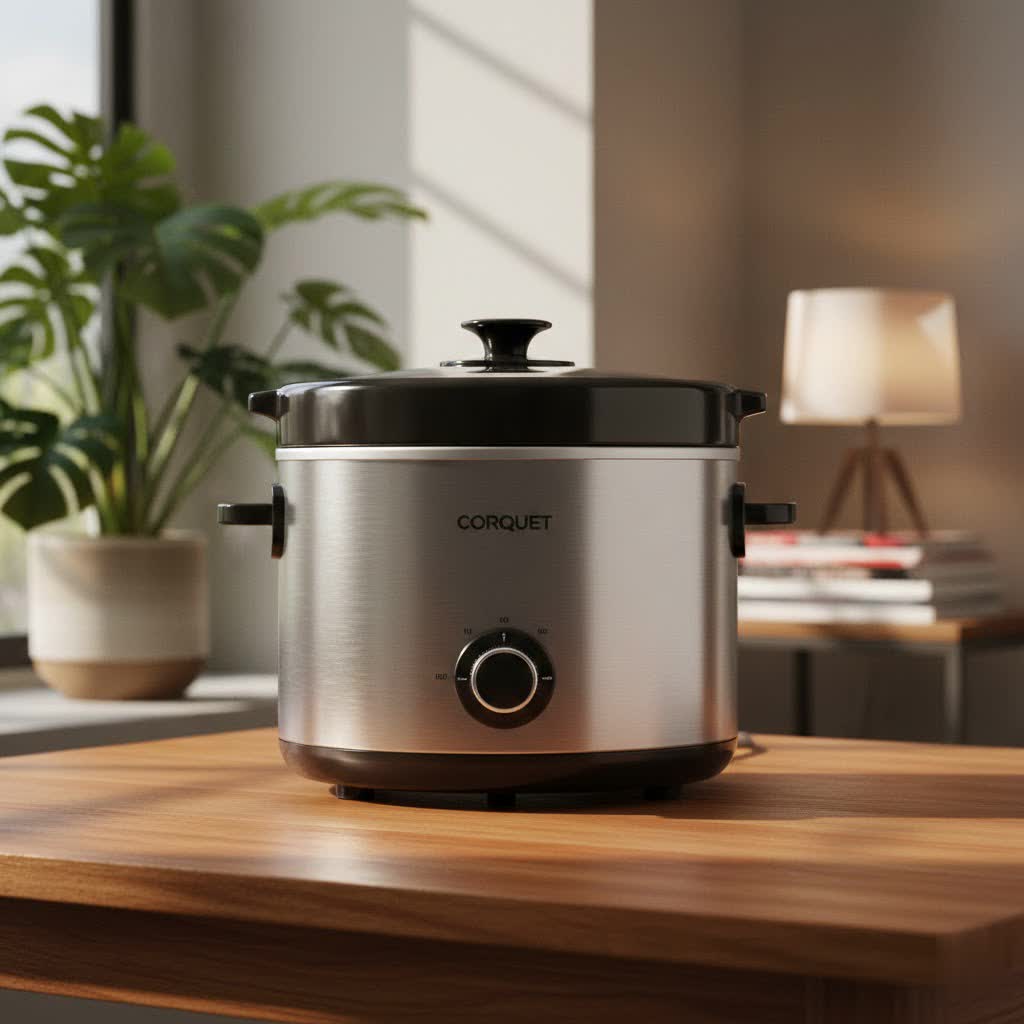
Finding time to prepare nutritious and flavorful meals can feel like an impossible task. Imagine coming home to a delicious, healthy dinner already cooked and waiting for you, with minimal effort. This dream becomes a reality with the magic of a slow cooker, especially when paired with the innovative and healthy recipes from Skinnytaste. Dive into the world of slow cooking the Skinnytaste way, where convenience meets wellness for truly satisfying family meals.
What is a Slow Cooker?
A slow cooker, often interchangeably called a Crock-Pot (which is actually a popular brand), is an electric countertop appliance designed to cook food at a low temperature over an extended period. Typically operating between 180°F and 210°F, it gently simmers ingredients for hours, transforming tough cuts of meat into tender delights and melding flavors seamlessly. Its origins trace back to the 1950s, initially developed for cooking beans, before gaining widespread popularity in the 1970s as a convenient tool for busy households. For shop curated slow cooker on this site.
At its core, a slow cooker consists of a heating element within an outer casing, a ceramic or stoneware pot that sits inside, and a tightly fitting lid. The heating element provides consistent, low heat that surrounds the cooking pot, allowing food to cook evenly and slowly. The tight lid helps trap moisture and heat, ensuring that food remains juicy and flavors develop deeply without drying out. This simple yet effective design makes it an indispensable tool for preparing wholesome, home-cooked meals with minimal oversight.
Advantages and Disadvantages of Slow Cookers
Slow cookers have earned their place in kitchens worldwide due to a host of compelling benefits, though they do come with a few drawbacks to consider.
Advantages
- Time and Effort Saving: One of the primary draws of a slow cooker is its ability to cook meals largely unattended. You can typically load ingredients in the morning, set it, and return hours later to a fully cooked dinner, making it ideal for busy weekdays and meal prep.
- Flavor and Nutrient Retention: The low, slow cooking process is excellent for developing deep, rich flavors. Ingredients simmer together, allowing spices and liquids to infuse thoroughly. This method also helps to preserve nutrients that might be lost with higher-heat cooking methods, especially in vegetables.
- Versatility in Meals: From hearty stews, soups, and pot roasts to pulled meats, casseroles, and even desserts, the slow cooker can handle an incredibly diverse range of recipes. Many Skinnytaste recipes, like Chicken Cacciatore or Korean-Style Beef Tacos, perfectly demonstrate this versatility, offering healthy twists on classic comfort foods.
- Energy Efficiency: Despite cooking for extended periods, slow cookers are generally more energy-efficient than using a conventional oven for the same duration. Their insulated design and lower wattage consume less power, potentially saving on electricity bills.
- Cost-Effective Cooking: Slow cooking excels at tenderizing less expensive, tougher cuts of meat, such as chuck roast or pork shoulder. This allows you to create incredibly tender and flavorful dishes without breaking the bank.
- Safety and Convenience: With modern features like automatic keep-warm settings and programmable timers, slow cookers offer a safe and reliable way to prepare food. The exterior often remains cool to the touch, and the “set it and forget it” nature reduces kitchen stress.
Disadvantages
|
Our Picks for the Best Slow Cooker in 2026
As an Amazon Associate I earn from qualifying purchases.
|
||
| Num | Product | Action |
|---|---|---|
| 1 | Crock-Pot 6 Quart Cook & Carry Programmable Slow Cooker with Digital Timer Stainless Steel (CPSCVC60LL-S) pack of 1 |

|
| 2 | Crock-Pot 6 Quart Programmable Slow Cooker with Timer and Auto Food Warmer Setting, Stainless Steel |
|
| 3 | Ninja MC1101 Foodi Everyday Possible Cooker Pro, 8-in-1 Versatility, One-Pot Faster Cooking Replaces 10 Tools, Family-Sized Capacity with Adjustable Temp Control, 6.5 quarts, Midnight Blue |
|
| 4 | Crock-Pot 7 Quart Oval Manual Slow Cooker, Stainless Steel (SCV700-S-BR), Versatile Cookware for Large Families or Entertaining |
|
| 5 | 8-Quart Digital Programmable Slow Cooker with Timer - Small Kitchen Appliance for Family Dinners - Serves 10+ People - Heat Settings: Keep Warm, Low and High |
|
| 6 | Ninja® 12-in-1 PossibleCooker™ PLUS - 8.5-qt - Sous Vide & Proof Multi-Cooker - Slow Cooker, Dutch Oven & More - Glass Lid & Integrated Spoon - Nonstick - Oven Safe Pot to 500°F - Black - MC1010 |
|
| 7 | 3.2L Natural Unglazed Earthenware Casserole,Yixing Zisha Clay Pot for Cooking, Healthy Slow Cooker for Soup, Stew, Rice -Zhuni,Red |
|
| 8 | 3.2L Natural Unglazed Earthenware Casserole,Yixing Zisha Clay Pot for Cooking, Healthy Slow Cooker for Soup, Stew, Rice -Zini,Purple |
|
| 9 | Ninja MC1001 Foodi PossibleCooker PRO 8.5 Quart Multi-Cooker, with 8-in-1 Slow Cooker, Dutch Oven, Steamer, Glass Lid Integrated Spoon, Nonstick, Oven Safe Pot to 500°F, Sea Salt Gray |
|
| 10 | Crock-Pot Large 8-Quart Programmable Slow Cooker with Auto Warm Setting Black Stainless Steel |
|
- Long Cooking Times: By design, slow cookers require significant cooking time, often between 4 to 8 hours on high or 6 to 10 hours on low. This necessitates planning ahead and is not suitable for last-minute meals.
- Limited Temperature Control: Most basic slow cookers offer simple “low,” “high,” and “warm” settings, which can sometimes make precise temperature adjustments challenging. While modern digital models offer more control, they still operate within a specific, low-temperature range.
- Potential for Overcooking: If not monitored or if a recipe is left too long, some delicate foods, particularly lean meats or certain vegetables, can become mushy or overly soft.
- Size and Space: Slow cookers can be bulky kitchen appliances, taking up valuable counter or cabinet space. Their size also means they are not ideal for very small portions, though mini-cookers exist for dips and small sides.
- Browning Limitations: Slow cookers do not brown food. If a recipe calls for seared meat or caramelized onions, these steps must be performed in a separate pan before adding to the slow cooker, adding a small extra step to the process.
Popular Types of Slow Cookers
Slow cookers come in various designs and functionalities, each offering different advantages to suit diverse cooking needs and preferences.
Classification by Shape
- Round Slow Cookers: These are the most traditional and common shape. Round slow cookers are great for soups, stews, chilis, and smaller roasts, providing even heat distribution around the edges.
- Oval Slow Cookers: Oval-shaped slow cookers are particularly well-suited for larger cuts of meat, such as whole chickens, briskets, or ribs, as they can accommodate longer foods more easily. They are often preferred for family-sized meals.
- Square/Rectangular Slow Cookers: Less common but available, these shapes can sometimes offer more surface area for cooking, making them good for dishes where ingredients benefit from being spread out, or for casserole-style meals.
Classification by Material
- Ceramic/Stoneware Pots: This is the classic material for slow cooker inserts. Ceramic and stoneware pots provide excellent, even heat distribution and retention. They are often oven-safe and aesthetically pleasing enough to go straight from the cooker to the table. Most are easy to clean, though some can be heavy.
- Metal Pots (Non-Stick Coated): Some modern slow cookers feature lightweight metal inserts, often with a non-stick coating. These are typically lighter and sometimes allow for browning on the stovetop before slow cooking in the same pot, offering added convenience. Non-toxic coatings, free from PFAS or PFOA, are increasingly popular for health-conscious users.
- Enameled Cast Iron: Found in some high-end multi-cookers, enameled cast iron combines the durability and heat retention of cast iron with an easy-to-clean enamel surface. These inserts are usually stovetop-safe for searing.
Classification by Features
- Manual Slow Cookers: These are the simplest models, typically offering just “low,” “high,” and “warm” settings with a rotary dial. They are reliable and budget-friendly but require manual switching off or temperature adjustment.
- Programmable Slow Cookers: Offering greater convenience, these models allow you to set a specific cooking time, after which the cooker automatically switches to a “keep warm” setting. This feature is invaluable for busy schedules, ensuring food doesn’t overcook.
- Digital Slow Cookers: Equipped with digital displays and buttons, these offer more precise control over cooking times and sometimes temperature settings. They often include countdown timers and other helpful indicators.
- Multi-Cookers (Slow Cooker Function): These versatile appliances combine several cooking functions into one unit, often including slow cooking, pressure cooking, sautéing, steaming, and more. While more expensive, they save counter space and offer ultimate flexibility. Models like the Cuisinart Cook Central or Instant Pot with a slow cooker function fall into this category.
- Smart/WiFi-Enabled Slow Cookers: The most technologically advanced, these slow cookers can be controlled remotely via a smartphone app. You can adjust settings, monitor cooking progress, and even start or stop cooking from anywhere, adding a layer of convenience for truly hands-off meal preparation.
Comparing Slow Cooker Types (Comparison Table)
Choosing the right slow cooker depends heavily on your individual cooking habits, family size, and budget. Here’s a comparative look at common slow cooker types to help you decide.
| Feature | Manual Slow Cooker | Programmable/Digital Slow Cooker | Multi-Cooker (with Slow Cook Function) |
|---|---|---|---|
| Control | Simple Low/High/Warm dial | Digital timer, auto warm, often precise | Digital, multiple presets, often smart |
| Convenience | Basic, requires manual intervention | Set-it-and-forget-it, automatic switch | Highly convenient, versatile functions |
| Versatility | Single function: slow cooking | Single function: slow cooking | Many functions: pressure, sauté, steam, etc. |
| Price Range | Low ($) | Mid ($$) | High ($$$) |
| Ideal User | Budget-conscious, simple needs, present | Busy individuals, meal preppers | Tech-savvy, small kitchens, diverse cooking |
| Browning Feature | No | No | Often has sauté/sear function |
| Space Required | Moderate | Moderate | Moderate (replaces several appliances) |
| Common Brands | Crock-Pot, Hamilton Beach, Brentwood | Crock-Pot, Hamilton Beach, Lakeland | Instant Pot, Cuisinart, Ninja Foodi |
Choosing the Best Slow Cooker for Skinnytaste Recipes (Buying Guide)
Selecting the ideal slow cooker for preparing Skinnytaste’s healthy and flavorful recipes involves considering several factors to ensure it aligns with your lifestyle and cooking goals.
Determine Your Usage Needs
Before diving into features, think about how you’ll primarily use your slow cooker.
- Family Size: How many people are you typically cooking for? This will directly influence the capacity you need.
- Meal Prep Frequency: Do you plan to use it for weekly meal prep, preparing large batches of healthy Skinnytaste staples?
- Recipe Types: Are you focusing on soups, stews, lean protein dishes, or a mix of everything, including healthier desserts?
- Budget: Slow cookers range widely in price, so setting a budget will help narrow down your options.
Select the Right Capacity
Matching the slow cooker size to your household is crucial for optimal results and healthy portion control.
- Small (1.5-3 Quarts): Ideal for 1-2 people, small side dishes, dips, or small Skinnytaste batches.
- Medium (4-6 Quarts): The most popular size, perfect for 3-5 people and most Skinnytaste family recipes. This size is versatile enough for small roasts or larger batches of chili.
- Large (7 Quarts and Up): Best for larger families (6+ people), entertaining, or serious batch cooking and freezing of Skinnytaste recipes.
Choose Your Pot Material
The material of the removable insert impacts both cooking and cleaning.
- Ceramic/Stoneware: Excellent for even, gentle cooking and often oven-safe. They retain heat well, making them ideal for dishes meant to be served directly from the pot. They can be heavier, but are generally non-reactive and durable.
- Metal with Non-Stick Coating: Lighter and sometimes feature a stovetop-safe base for browning ingredients before slow cooking, which adds a layer of flavor without extra dirty dishes. For healthy cooking, look for non-toxic coatings that are free of PFAS, PFOA, lead, and cadmium, like those found in GreenLife or GreenPan models.
Essential Features to Look For
Modern slow cookers offer various features that can enhance your cooking experience, especially for healthy meal preparation.
- Programmable Settings: A must-have for busy individuals. This allows you to set a specific cooking time (e.g., 6 hours on low) and have the cooker automatically switch to a “keep warm” setting once done. This prevents overcooking and ensures your Skinnytaste meal is ready when you are.
- Auto Keep-Warm Function: Even if not fully programmable, an automatic keep-warm feature is highly beneficial, maintaining food at a safe serving temperature without continuing to cook it.
- Digital Timer: Provides precise control and a clear countdown, making it easy to track cooking progress.
- Lid Features: A clear glass lid allows you to monitor food without releasing heat. Locking lids are excellent for transporting meals, such as healthy Skinnytaste dishes to a potluck.
- Sauté/Sear Function: Found in many multi-cookers, this feature lets you brown meats and sauté aromatics directly in the slow cooker pot before slow cooking. This is a major upgrade for building deep flavor without using an extra pan, aligning perfectly with Skinnytaste’s emphasis on flavor.
- Non-Toxic Materials: For health-conscious cooks, opting for a slow cooker with a ceramic or non-stick coating free from harmful chemicals like PFAS and PFOA provides peace of mind.
Reputable Brands
While “Skinnytaste” itself is a recipe brand, not a slow cooker manufacturer, many reliable brands produce excellent slow cookers that are perfect for healthy recipes. Look for brands known for durability and performance such as Crock-Pot, Hamilton Beach, Cuisinart, GreenLife, GreenPan, and Instant Pot. Checking reviews and ratings for specific models can help guide your decision.
By carefully considering these factors, you can select a slow cooker that not only meets your practical needs but also perfectly supports your journey to prepare healthy, delicious, and easy Skinnytaste meals.
Top Slow Cookers for Healthy, Flavorful Meals
For those dedicated to the Skinnytaste philosophy of healthy and delicious eating, choosing a slow cooker that supports this mission is key. Here are some top-rated slow cooker models that excel in performance, versatility, and health-conscious design, making them ideal for preparing your favorite Skinnytaste recipes.
1. Cuisinart Cook Central 6-Quart Multi-Cooker
This multi-cooker is a top performer for its versatility and thoughtful design, making it a fantastic choice for Skinnytaste enthusiasts. It offers three key functions in one: slow cook, brown/sauté, and steam. The ability to brown ingredients directly in the pot before slow cooking is a huge advantage for developing rich flavors without using extra dishes—a perfect match for building complex tastes in healthy recipes. Its unique rectangular shape allows for better heat distribution and more surface area, accommodating various ingredients for your favorite Skinnytaste roasts or chicken dishes. The quick-heating appliance also features an intuitive LCD screen and a dishwasher-safe insert for effortless cleanup.
2. GreenLife Cook Duo Slow Cooker
The GreenLife Cook Duo stands out for its health-conscious construction. Its ceramic insert is made from sand and is certified free of PFAS, PFOA, lead, and cadmium, ensuring a non-toxic cooking environment. This is a significant advantage for those prioritizing clean eating and natural materials. It offers impressive heat distribution, ensuring even cooking for all your Skinnytaste meals. The large interior is suitable for family-sized portions, and the insert is often stovetop and oven-safe, adding to its versatility, though it has fewer extra functions compared to a multi-cooker.
3. GreenPan Elite 6-Quart Slow Cooker
Similar to GreenLife, the GreenPan Elite is celebrated for its ceramic-coated cooking pot, promoting healthier non-stick cooking without harmful chemicals. This model heats up quickly and is particularly effective for sautéing and browning ingredients before the slow cooking phase. During testing, it maintained a steady, low temperature, which is crucial for the tender and even cooking required for many Skinnytaste recipes. Its exterior also remains cool to the touch, enhancing safety. This slow cooker is designed for consistent performance and ease of use, delivering delicious and healthy results.
4. Crock-Pot Programmable Cook & Carry Slow Cooker
While not offering multi-cooker functions, various programmable Crock-Pot models remain a favorite for their reliability and convenience. A programmable Crock-Pot allows you to set precise cooking times, after which it automatically shifts to a warm setting, preventing overcooking—a feature indispensable for busy home cooks following Skinnytaste’s meal prep advice. The “Cook & Carry” feature, with its secure locking lid, is perfect for transporting healthy dishes to gatherings or potlucks. These models are dependable workhorses for everyday Skinnytaste slow cooking.
5. Instant Pot (with Slow Cook Function)
While primarily known as a pressure cooker, many Instant Pot models include a slow cook function, offering incredible versatility in one appliance. If counter space is a concern, an Instant Pot can serve multiple purposes, including perfectly executing Skinnytaste slow cooker recipes. Although the slow cook function might differ slightly from a dedicated slow cooker (often cooking hotter), it’s a viable option for those who want a single, powerful device for various cooking methods, including healthy slow-cooked meals.
Choosing any of these slow cookers will set you up for success in preparing a wide array of healthy, convenient, and flavorful Skinnytaste recipes, making healthy eating easier than ever.
How to Use and Maintain Your Slow Cooker
Using a slow cooker for Skinnytaste recipes is generally straightforward, but a few tips can maximize flavor and ensure safety. Proper maintenance will also extend the life of your appliance.
Safe and Effective Usage
- Read Your Manual: Always start by reviewing your specific slow cooker’s instruction manual. Different models have unique features and recommendations.
- Prepare Ingredients: Most Skinnytaste slow cooker recipes benefit from some initial prep. Chop vegetables, trim fat from meats, and brown any meat or sauté aromatics (like onions and garlic) in a separate pan or using a multi-cooker’s sauté function before adding to the slow cooker. This step significantly enhances flavor.
- Layer Smartly: Place harder, slower-cooking vegetables (like carrots and potatoes) at the bottom and sides of the pot, as these areas tend to be hotter. Meats go next, followed by softer vegetables and liquids.
- Liquid Levels: Slow cookers retain moisture very well, so you’ll typically need less liquid than conventional stovetop or oven recipes. Skinnytaste recipes are usually well-tested for optimal liquid amounts. Don’t fill the cooker more than two-thirds full to prevent overflow.
- Set the Right Temperature and Time: “Low” (typically 6-10 hours) is ideal for most dishes as it allows flavors to meld beautifully and meat to become incredibly tender. “High” (typically 3-4 hours) cooks faster but can sometimes lead to less tender results or overcooked edges. Avoid lifting the lid frequently, as each peek can add 15-20 minutes to the cooking time.
- Add Dairy and Delicate Ingredients Last: Dairy products (milk, cheese, sour cream) can curdle if added too early. Likewise, fresh herbs should be stirred in towards the end of the cooking process to preserve their vibrant flavor and color, as many Skinnytaste recipes suggest for a fresh finish.
- Food Safety: Always ensure meat reaches a safe internal temperature. Do not use frozen meat in a slow cooker unless specifically instructed by the recipe, as it can keep the temperature in the “danger zone” for too long.
Cleaning and Storage
- Unplug and Cool: Always unplug your slow cooker and allow the ceramic or metal insert to cool completely before cleaning. Thermal shock can crack stoneware.
- Wash the Insert and Lid: Most slow cooker inserts and lids are dishwasher-safe. If washing by hand, use warm, soapy water and a non-abrasive sponge. For stubborn, stuck-on food, fill the pot with hot, soapy water and let it soak for an hour or two before scrubbing. For healthier non-stick surfaces, avoid harsh abrasive cleaners or metal scouring pads.
- Clean the Exterior: Wipe down the exterior heating unit with a damp cloth. Never immerse the base in water.
- Dry Thoroughly: Ensure all parts are completely dry before reassembling or storing to prevent mildew or electrical issues.
- Storage: Store your slow cooker in a cool, dry place. You can store the lid upside down on the insert inside the base to save space.
Common Issues and Troubleshooting
- Food is too dry: You might be using too little liquid, or the lid isn’t sealing properly. Check for cracks in the lid or ensure it’s securely placed.
- Food is too watery: Too much liquid was added, or the ingredients themselves released a lot of moisture. For future recipes, reduce liquid slightly or thicken with a cornstarch slurry at the end.
- Meat is tough: It likely hasn’t cooked long enough. Slow cooker recipes require patience; give tougher cuts the full recommended cooking time on low.
- Slow cooker runs too hot/cold: Temperatures can vary between models. Get to know your specific appliance. An inexpensive slow cooker thermometer can help you verify its actual operating temperature.
By following these guidelines, you’ll consistently create delightful and healthy Skinnytaste slow cooker meals while keeping your appliance in top condition.
Conclusion
Embracing the Skinnytaste slow cooker approach is more than just about cooking; it’s about simplifying your healthy lifestyle without compromising on flavor or nutrition. From bustling weekdays to relaxing weekends, these versatile appliances empower you to prepare wholesome, delicious meals with minimal fuss. By understanding the different types of slow cookers, choosing the right features, and following best practices for usage and maintenance, you unlock a world of convenient culinary possibilities. The Skinnytaste philosophy, with its focus on light, satisfying dishes, finds its perfect partner in the slow cooker, proving that healthy eating can indeed be both effortless and incredibly tasty. So, are you ready to improve your kitchen into a haven of healthy, hands-off cooking?
Frequently Asked Questions
What are the main benefits of using a slow cooker for Skinnytaste recipes?
The main benefits include significant time and effort savings, allowing you to prepare healthy, flavorful meals with minimal supervision. Slow cooking also helps preserve nutrients and tenderize lean meats, aligning perfectly with Skinnytaste’s goal of delicious, wholesome, and often calorie-conscious eating.
Can I really cook healthy, low-fat meals in a slow cooker?
Absolutely! Slow cookers are excellent for preparing healthy, low-fat meals. Skinnytaste recipes often utilize lean proteins, plenty of vegetables, and controlled portions, and the slow cooking method helps to break down ingredients gently, infusing them with flavor without needing excessive fats.
How do I prevent my slow cooker meals from becoming watery?
To prevent watery meals, ensure you’re not adding too much liquid, as slow cookers retain moisture very efficiently. You can also thicken sauces at the end of the cooking process with a cornstarch slurry, or by simmering with the lid ajar for a short period if your recipe allows.
Is a programmable slow cooker worth the extra cost for Skinnytaste meal prep?
Yes, a programmable slow cooker is highly recommended for Skinnytaste meal prep. Its ability to automatically switch to a “keep warm” setting after the cooking cycle is complete ensures your food isn’t overcooked and is ready when you are, providing unparalleled convenience for busy schedules.
What are some popular Skinnytaste recipes that work well in a slow cooker?
Many Skinnytaste recipes are perfectly suited for slow cooking, including favorites like Chicken Taco Chili, Salsa Verde Chicken, Korean-Style Beef Tacos, and various healthy soups and stews. These recipes typically feature lean proteins and fresh vegetables, making them ideal for long, slow cooking.
Cooking gear we tested in our own kitchens
Free PDF — preheat times measured on 10 popular air fryers.

This is exactly what I needed! I’m always struggling to find time for nutritious dinners. The concept of gently simmering ingredients for hours really does make a difference in flavor. I’m excited to try more of the Skinnytaste recipes, especially those that promise minimal effort for truly satisfying family meals.
I’ve been a Skinnytaste fan for years, and their slow cooker recipes are a game-changer for busy weeknights. I made the chicken tortilla soup last night and it was so easy and flavorful. Coming home to a hot meal ready to go is truly the best feeling, especially when it’s healthy too.
I appreciate the focus on healthy meals, and the convenience of a slow cooker is undeniable. I tried one of the vegetarian chili recipes, and while it was good, I found it a little bland compared to my usual stovetop version. I might need to experiment with adding more spices next time to really get those flavors to meld.
I just got a new Crock-Pot and was looking for some healthier options. The idea of transforming tough cuts of meat into tender dishes really appealed to me. I tried a beef stew recipe from Skinnytaste and it turned out great. My only minor complaint is that some of the prep work still takes a bit of time in the morning.