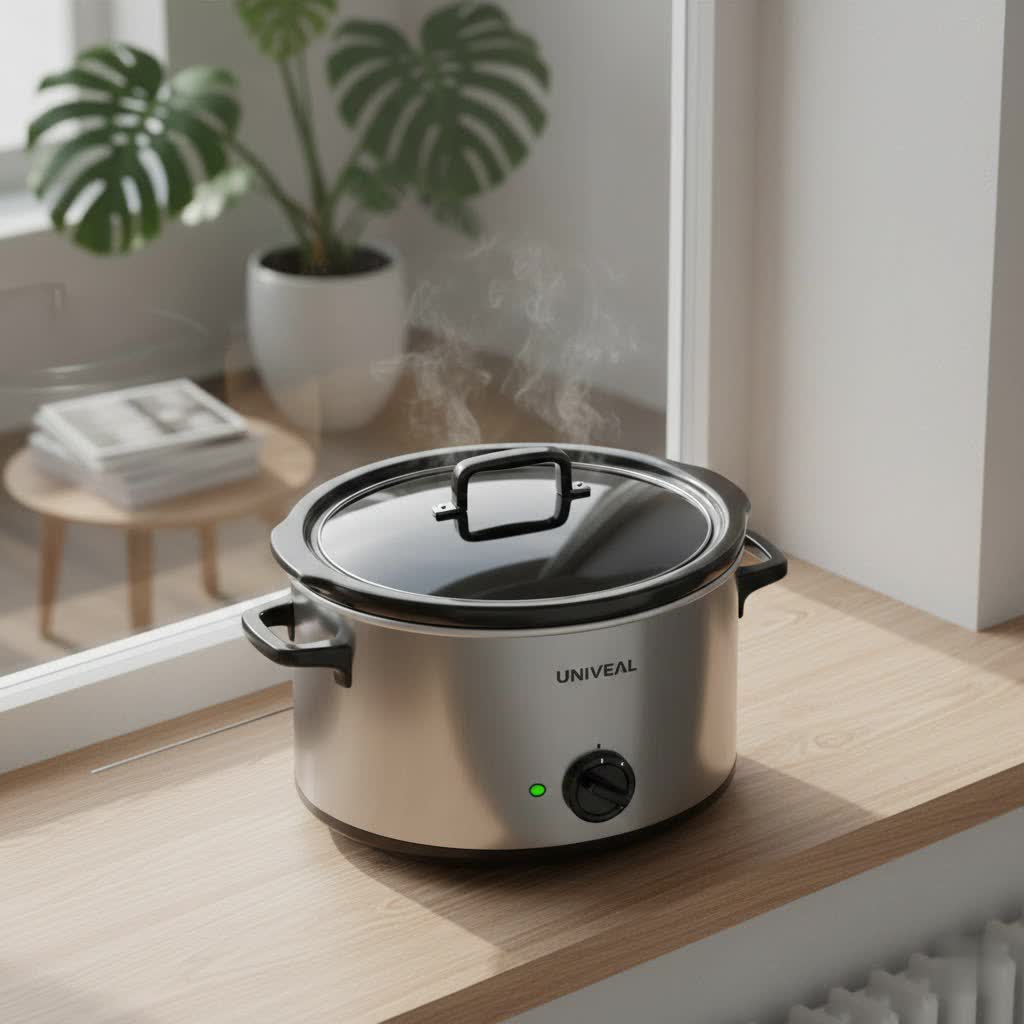
Are you tired of rushing dinner preparations after a long day? Do you dream of returning home to a delicious, home-cooked meal ready and waiting? For many, the answer lies in the countertop marvel known as the Crock Pot. This beloved appliance has revolutionized home cooking, offering a simple yet powerful way to create tender, flavorful dishes with minimal effort. Whether you’re a seasoned chef or new to the kitchen, understanding the nuances of slow cooking and choosing the right Crock Pot can transform your culinary routine, making healthy, hearty meals more accessible than ever before.
What is a Slow Cooker, and How Does the Crock Pot Work?
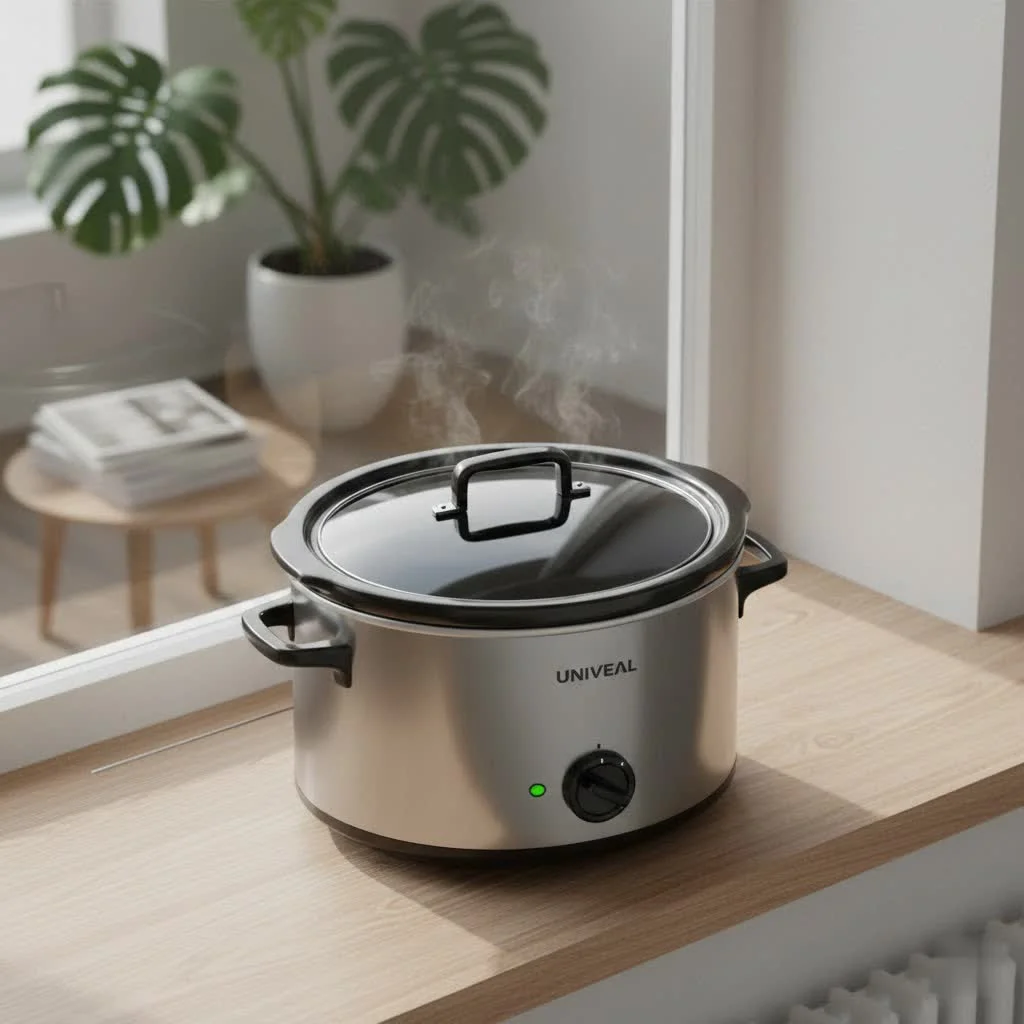
At its core, a slow cooker is a countertop electrical appliance designed to simmer food at a low temperature for an extended period, typically several hours. The term “Crock Pot” is actually a brand name that has become synonymous with slow cookers, much like “Kleenex” is for facial tissues. While all Crock Pots are slow cookers, not all slow cookers are made by the Crock-Pot brand.
The magic of slow cooking lies in its “low and slow” approach. The appliance consists of a heating unit (the base), a removable ceramic or stoneware insert (often called the “crock”), and a tight-fitting lid, usually made of glass. The heating elements, typically located at the bottom and sometimes along the sides of the base, gently and evenly heat the food within the crock. This moist heat environment tenderizes tougher cuts of meat and allows flavors to meld beautifully, creating dishes that are rich and deeply satisfying.
The concept behind the slow cooker dates back to the 19th century. Its inspiration is often attributed to Irving Naxon, who patented his “Naxon Beanery All-Purpose Cooker” in 1940. Naxon’s mother shared stories of her grandmother in Lithuania, who would prepare a traditional Jewish stew called cholent. This stew cooked slowly overnight in the cooling ovens of local bakeries, ready for the Sabbath. In 1970, Rival Manufacturing acquired Naxon’s patent and, in 1971, rebranded the device as the “Crock-Pot.” It quickly gained popularity as a convenient, time-saving tool for busy households, especially as more women entered the workforce.
The Advantages and Disadvantages of Using a Crock Pot
The Crock Pot offers a unique set of benefits and a few considerations to keep in mind, making it a valuable addition for many kitchens but not a one-size-fits-all solution.
Advantages
The “set it and forget it” nature of a Crock Pot is arguably its greatest appeal, significantly reducing the hands-on time required for meal preparation. You can load ingredients in the morning and return to a fully cooked dinner, freeing up your evenings. This method is particularly effective at tenderizing cheaper, tougher cuts of meat, transforming them into melt-in-your-mouth dishes like pulled pork or pot roasts. The slow, moist cooking environment also helps to lock in nutrients and develop deeper flavors, making meals both healthy and delicious.
Crock Pots are incredibly versatile, capable of preparing a wide array of dishes beyond just stews and soups, including casseroles, chilis, pot roasts, desserts, and even appetizers like dips. Compared to a conventional oven, a slow cooker uses less electricity, contributing to energy savings. Furthermore, slow cooking often requires minimal or no added oil, naturally reducing fat and calories in your meals. For families or those who enjoy meal prepping, Crock Pots can cook large quantities of food, providing leftovers for future meals. Many models also feature an automatic “keep warm” setting, ensuring your food stays at a safe serving temperature until you’re ready to eat.
Disadvantages
|
Our Picks for the Best Slow Cooker in 2026
As an Amazon Associate I earn from qualifying purchases.
|
||
| Num | Product | Action |
|---|---|---|
| 1 | 3.2L Natural Unglazed Earthenware Casserole,Yixing Zisha Clay Pot for Cooking, Healthy Slow Cooker for Soup, Stew, Rice -Zhuni,Red |

|
| 2 | Crock-Pot 7 Quart Oval Manual Slow Cooker, Stainless Steel (SCV700-S-BR), Versatile Cookware for Large Families or Entertaining |
|
| 3 | Ninja® 12-in-1 PossibleCooker™ PLUS - 8.5-qt - Sous Vide & Proof Multi-Cooker - Slow Cooker, Dutch Oven & More - Glass Lid & Integrated Spoon - Nonstick - Oven Safe Pot to 500°F - Black - MC1010 |
|
| 4 | Ninja MC1101 Foodi Everyday Possible Cooker Pro, 8-in-1 Versatility, One-Pot Faster Cooking Replaces 10 Tools, Family-Sized Capacity with Adjustable Temp Control, 6.5 quarts, Midnight Blue |
|
| 5 | Crock-Pot 6 Quart Programmable Slow Cooker with Timer and Auto Food Warmer Setting, Stainless Steel |
|
| 6 | 3.2L Natural Unglazed Earthenware Casserole,Yixing Zisha Clay Pot for Cooking, Healthy Slow Cooker for Soup, Stew, Rice -Zini,Purple |
|
| 7 | Ninja MC1001 Foodi PossibleCooker PRO 8.5 Quart Multi-Cooker, with 8-in-1 Slow Cooker, Dutch Oven, Steamer, Glass Lid Integrated Spoon, Nonstick, Oven Safe Pot to 500°F, Sea Salt Gray |
|
| 8 | Crock-Pot Large 8-Quart Programmable Slow Cooker with Auto Warm Setting Black Stainless Steel |
|
| 9 | 8-Quart Digital Programmable Slow Cooker with Timer - Small Kitchen Appliance for Family Dinners - Serves 10+ People - Heat Settings: Keep Warm, Low and High |
|
| 10 | Crock-Pot 6 Quart Cook & Carry Programmable Slow Cooker with Digital Timer Stainless Steel (CPSCVC60LL-S) pack of 1 |
|
Despite its many benefits, the Crock Pot does have some limitations. The primary drawback is the extended cooking time; it’s not suitable for meals that need to be prepared quickly. While excellent for many ingredients, delicate items like lean meats, seafood, and some vegetables can become overcooked and mushy if left for too long. Achieving a browned crust on meats, which adds significant flavor, is not possible in a slow cooker, often requiring a separate searing step on the stovetop before adding ingredients to the pot.
Crock Pots can also be quite bulky, occupying valuable counter and storage space in smaller kitchens. Basic models offer limited temperature control, typically just “High,” “Low,” and “Warm” settings, which might not be precise enough for every recipe. It’s also important to note that certain beans, like kidney beans, must be boiled on the stovetop first to destroy toxins before being added to a slow cooker, as the lower temperatures of slow cooking may not reach the necessary heat.
Exploring Popular Crock Pot and Slow Cooker Types
Slow cookers come in various designs, materials, and with a range of features, each catering to different cooking needs and preferences.
By Shape
The shape of a slow cooker often dictates the types of dishes it’s best suited for.
- Oval slow cookers are the most popular and versatile, ideal for larger cuts of meat like whole chickens, roasts, or racks of ribs, as they accommodate longer items.
- Round slow cookers are typically smaller in capacity and excellent for soups, stews, chili, oatmeal, or baking small desserts.
- Rectangular slow cookers, while less common, are sometimes designed for specific uses like casseroles or lasagna, offering a wider, shallower cooking surface.
By Material
The material of the inner pot (the “crock”) significantly impacts cooking performance and durability.
- Ceramic or Stoneware inserts are very common. They are known for their excellent heat retention and even cooking, which is crucial for the “low and slow” method. However, they are heavy, take longer to heat up, and are generally not safe for stovetop searing or direct oven use. They are also more prone to breakage if dropped.
- Metal inserts, typically made of aluminum or steel, are lighter and can often be used directly on the stovetop to sear ingredients before slow cooking, which adds a valuable layer of flavor. They heat up more quickly but can sometimes be prone to hot spots. Many metal inserts feature nonstick coatings for easier cleanup.
By Features
Modern slow cookers boast an array of features that enhance convenience and functionality.
- Manual slow cookers are the simplest, offering basic “High,” “Low,” and “Warm” settings controlled by a dial. They are often the most affordable option.
- Programmable slow cookers allow you to set specific cooking times, after which they automatically switch to a “keep warm” setting. This is incredibly useful for busy individuals who want their meal ready at a precise time.
- Digital slow cookers feature intuitive digital displays and controls, sometimes offering more precise temperature adjustments or specialized cooking modes.
- Multi-cookers are versatile appliances that combine several functions, including slow cooking, pressure cooking, searing, steaming, and more, all in one unit. Brands like Instant Pot and Ninja Foodi have popularized these multi-functional devices, offering a single solution for various cooking needs.
Comparing Different Slow Cooker Models
Choosing the right slow cooker involves weighing various factors. Here’s a general comparison to help you understand the differences:
| Feature | Manual Slow Cooker | Programmable Slow Cooker | Multi-Cooker (with Slow Cook) |
|---|---|---|---|
| Price Range | Low to Mid | Mid to High | High |
| Ease of Use | Very straightforward | User-friendly, more control | Can be complex due to many functions |
| Control | Basic High/Low/Warm | Timer, auto Warm, sometimes temp probe | Digital, diverse programs, precise temp |
| Versatility | Limited to slow cooking | Good for scheduled slow cooking | Highly versatile (sear, steam, pressure cook) |
| Ideal User | Budget-conscious, simple cooking | Busy individuals, consistent results | Space-savers, adventurous cooks |
| Footprint | Small to medium | Medium to large | Medium to large (replaces multiple appliances) |
| Inner Pot | Ceramic/Stoneware (most common) | Ceramic/Stoneware, sometimes metal | Often metal (stainless steel/nonstick) |
Your Comprehensive Buying Guide to the Perfect Crock Pot
Selecting the best Crock Pot for your kitchen requires careful consideration of your lifestyle, cooking habits, and desired features.
Assessing Your Culinary Needs
Start by evaluating how you plan to use your slow cooker.
- Family Size: How many people do you typically cook for? This will determine the ideal capacity.
- Cooking Style: Do you make large batches for meal prep, or mostly single meals? Do you need advanced features, or just basic slow cooking?
- Budget: Prices vary significantly depending on size, brand, and features. Determine a realistic budget before you start shopping.
Choosing the Right Capacity
The capacity of a slow cooker is measured in quarts or liters.
- Small (1-3 quarts): Perfect for single servings, small side dishes, dips, or reheating food. Ideal for individuals or couples.
- Medium (4-6 quarts): The most popular size, suitable for families of 3-5 people, accommodating most everyday recipes, including roasts and stews.
- Large (7-10+ quarts): Best for large families, entertaining, potlucks, or extensive meal preparation, allowing you to cook large cuts of meat or big batches of chili.
Selecting the Inner Pot Material
As discussed, the inner pot material plays a role in cooking and convenience.
- Ceramic/Stoneware offers excellent heat distribution and retention, ideal for long, slow cooks. However, they are heavier and not stovetop safe.
- Metal (Aluminum/Steel) inserts are lighter and often stovetop-safe, allowing for browning ingredients before slow cooking, which enhances flavor. Consider if a nonstick coating is important for easy cleaning.
Essential Features to Consider
Modern slow cookers come with various features that can simplify your cooking process.
- Programmability and Timer: A programmable timer allows you to set the cooking duration, after which the appliance automatically switches to a “keep warm” setting. This is invaluable for busy schedules.
- Automatic Keep Warm: This feature ensures your food remains at a safe temperature until you’re ready to serve, preventing overcooking while keeping it hot.
- Sear/Sauté Function: Found primarily in multi-cookers, this feature lets you brown meats directly in the pot before slow cooking, saving you from dirtying an extra pan and building deeper flavors.
- Lid Type: A clear glass lid allows you to monitor your food without releasing heat. Look for lids with a tight seal to retain moisture.
- Portability: If you plan to transport your slow cooker for potlucks or gatherings, look for models with secure locking lids and sturdy handles.
- Cleaning: Dishwasher-safe crocks and lids make cleanup a breeze.
Reputable Brands in the Slow Cooker Market
When it comes to durability and performance, certain brands stand out.
- Crock-Pot: The original and most recognized brand, offering a wide range of manual, programmable, and digital models.
- Hamilton Beach: Known for producing reliable and feature-rich slow cookers at competitive prices.
- Cuisinart: Offers more premium and often multi-functional slow cookers with advanced features and sleek designs.
- Instant Pot: While primarily known for pressure cooking, many Instant Pot models include a slow cooker function, offering versatility.
- Ninja Foodi: Similar to Instant Pot, Ninja Foodi multi-cookers provide a slow cooking option alongside air frying, pressure cooking, and more.
Top 5 Best Crock Pots for Every Kitchen
Finding the “best” Crock Pot depends heavily on individual needs, but here are five categories that cater to common preferences:
- The Best Overall Programmable Slow Cooker: For those seeking maximum convenience, a programmable model with a reliable timer and automatic keep-warm function is paramount. These models offer consistent results and the freedom to leave your kitchen without worry. Look for easy-to-use digital controls and a durable stoneware insert.
- The Best Budget-Friendly Manual Model: If simplicity and affordability are your priorities, a basic manual slow cooker with “High,” “Low,” and “Warm” settings can still deliver fantastic results. These are often compact, easy to operate, and an excellent entry point into slow cooking.
- The Most Versatile Multi-Cooker: For kitchens with limited space or cooks who desire varied functionalities, a multi-cooker that includes a slow cook setting alongside pressure cooking, searing, and steaming capabilities is an unbeatable choice. These appliances maximize utility and minimize countertop clutter.
- The Best Large-Capacity Crock Pot: Catering to big families, entertaining, or serious meal preppers, a spacious 8-quart or larger slow cooker ensures you can prepare generous portions. Look for models with an oval shape to accommodate roasts and large cuts of meat effortlessly.
- The Best Portable Slow Cooker: For tailgates, potlucks, or family gatherings, a portable slow cooker with a secure, locking lid and robust handles is essential. These designs prevent spills during transport and often include a “warm” setting to keep food ready to serve at your destination.
Mastering Your Crock Pot: Usage and Care Tips
To get the most out of your Crock Pot and ensure its longevity, proper usage and maintenance are key.
Safe Usage and Effective Cooking
Always place your Crock Pot on a flat, heat-resistant surface away from walls and curtains. Ensure the inner pot is filled between half and two-thirds full for optimal cooking; underfilling can lead to overcooking, while overfilling can cause spills and uneven cooking. Resist the urge to frequently lift the lid, as each peek can extend cooking time by 15-20 minutes by releasing heat and moisture. When adapting recipes, remember that liquids don’t evaporate much in a slow cooker, so you might need to reduce the amount compared to stovetop or oven recipes. Always check that meats reach safe internal temperatures before serving.
Cleaning and Maintenance
Cleaning your Crock Pot is usually straightforward. Most ceramic or stoneware inserts and glass lids are dishwasher safe, making cleanup effortless. For handwashing, use warm, soapy water and a non-abrasive sponge to protect any nonstick coatings or the glazed finish of ceramic pots. Avoid harsh chemical cleaners or abrasive scrubbing pads, which can damage the surface. The exterior base unit should be wiped clean with a damp cloth, never submerged in water. Regularly inspect the power cord for any signs of wear or damage. Proper care ensures your Crock Pot remains a reliable kitchen companion for years.
Troubleshooting Common Issues
- Food is overcooked/mushy: You might be cooking on too high a setting, or for too long. Try reducing the cooking time or using the “Low” setting. Adding delicate ingredients later in the cooking process can also help.
- Food is undercooked: Ensure your slow cooker is filled correctly (not overfilled), and the lid is securely in place. Avoid lifting the lid frequently. Check that your appliance is plugged into a functioning outlet.
- Lid condensation: This is normal and helps create the moist cooking environment. If excessive, check the lid’s seal to ensure it’s tight.
- Uneven cooking: Stirring occasionally (if the recipe allows) can help, especially with ingredients like rice or pasta. Ensure ingredients are cut into similar sizes for more consistent results.
Conclusion
The Crock Pot, often used interchangeably with the generic “slow cooker,” is more than just a kitchen appliance; it’s a gateway to convenient, flavorful, and effortless home cooking. From its humble beginnings inspired by traditional stews to the technologically advanced models of today, it continues to adapt to modern lifestyles, offering tender results and a welcoming aroma that greets you at the end of a busy day. By understanding its functions, exploring the various types, and knowing how to choose and care for one, you can harness the full potential of your Crock Pot and rediscover the joy of slow-cooked meals.
What delicious, hands-off meal will you create with your Crock Pot next?
Frequently Asked Questions
What is the main difference between a Crock-Pot and a slow cooker?
“Crock-Pot” is a specific brand name for a type of slow cooker. All Crock-Pots are slow cookers, but not all slow cookers are made by the Crock-Pot brand. The terms are often used interchangeably in everyday language.
Can you put frozen meat in a Crock-Pot?
It’s generally not recommended to put frozen meat directly into a slow cooker. The appliance’s low temperature can keep the meat in the “danger zone” (40-140°F / 4-60°C) for too long, allowing bacteria to multiply. Always thaw meat completely before adding it to a slow cooker.
Is it safe to leave a Crock-Pot on all day?
Yes, most slow cookers are designed to be left on for extended periods (typically 6-8 hours on high or 8-10 hours on low, sometimes longer) without supervision. They are built with safety features and low wattage. However, always ensure it’s on a heat-resistant surface and away from flammable materials.
How much liquid should I add to a slow cooker?
Slow cookers retain moisture very well, so you usually need less liquid than traditional stovetop or oven recipes. A good rule of thumb is to fill the pot between half and two-thirds full, and only add enough liquid to cover the ingredients, allowing for natural juices released during cooking.
Can I brown meat in my slow cooker?
Traditional slow cookers do not brown meat, as they operate at lower temperatures. Browning meat typically requires higher heat to create a flavorful crust. Some modern multi-cookers, which include a slow cook function, do offer a “sear” or “sauté” setting that allows you to brown meat in the same pot before slow cooking.
Cooking gear we tested in our own kitchens
Free PDF — preheat times measured on 10 popular air fryers.
