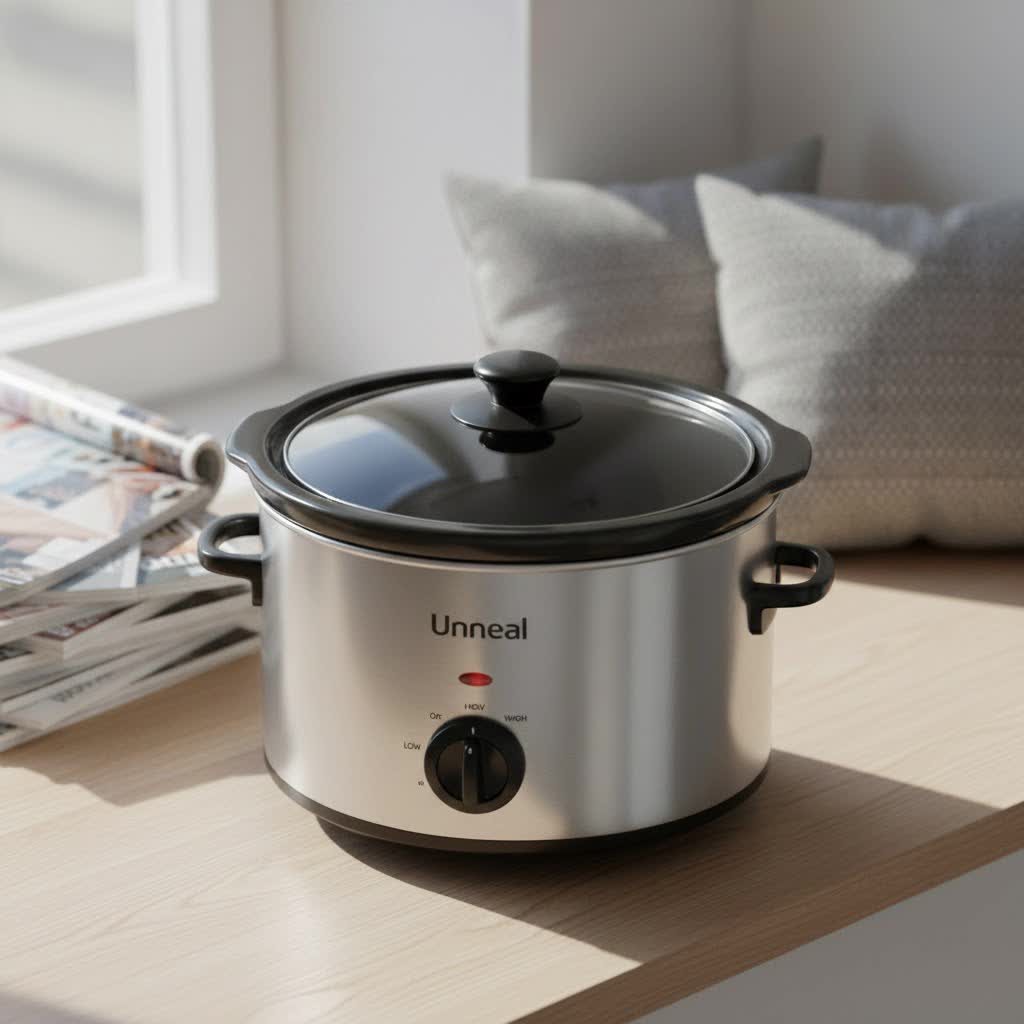
Cooking can often feel like a juggling act, especially when you’re balancing a busy schedule with the desire for wholesome, home-cooked meals. You crave that rich, slow-simmered flavor, but who has hours to stand over a stove? This is where the magic of a slow cooker comes into play, transforming complex recipes into effortless delights. If you’re wondering which model truly stands out in a crowded market, you’ve come to the right place. We’ll delve into the world of slow cookers, helping you navigate the options and choose the perfect appliance to bring tender, flavorful dishes to your table with minimal fuss.
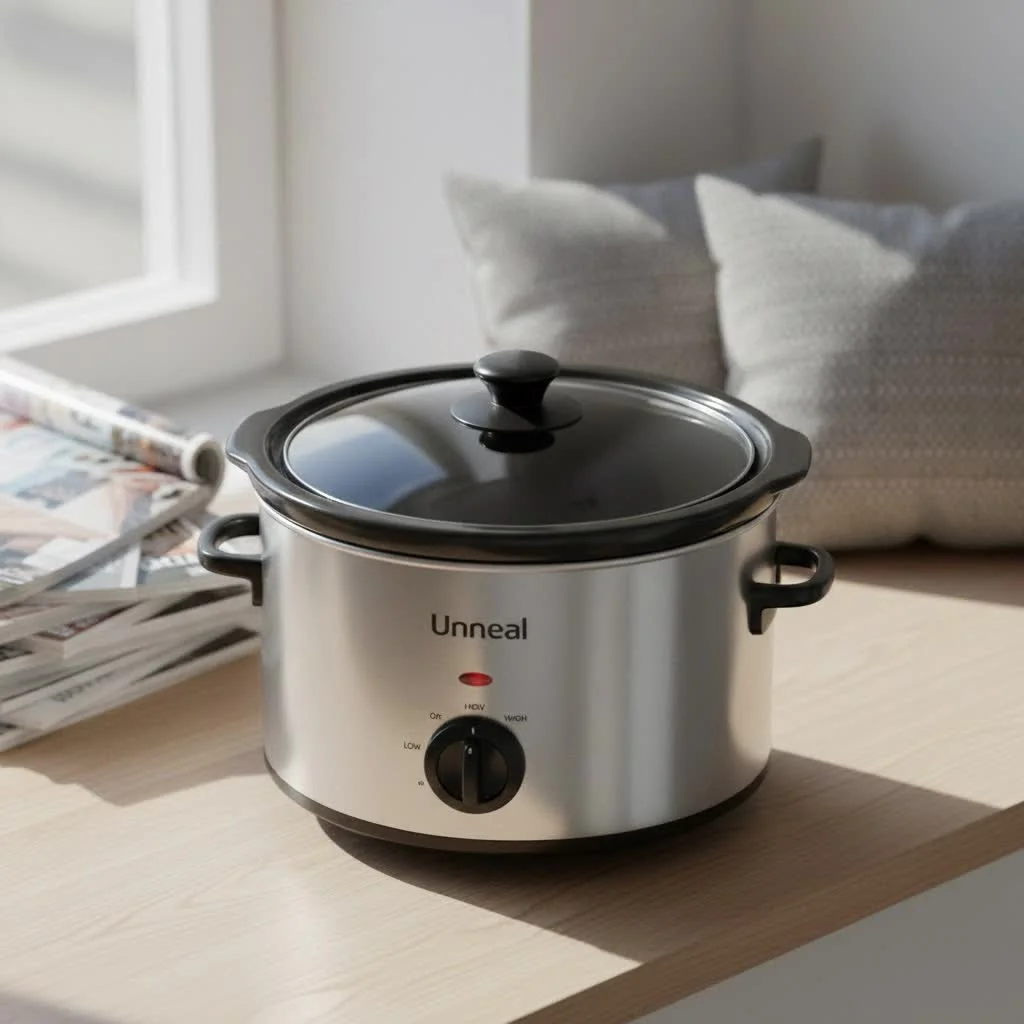
What is a Slow Cooker?
A slow cooker is an electric countertop appliance designed to cook food at a low, consistent temperature over an extended period. Typically, it operates within a range of 180°F to 210°F, allowing ingredients to simmer gently for anywhere from six to eight hours or even longer. This “low and slow” method breaks down tough cuts of meat, tenderizes vegetables, and melds flavors in a way that quick cooking simply cannot achieve.
The concept of slow cooking dates back further than many realize, with the modern slow cooker gaining widespread popularity in the 1970s, famously rebranded as the “Crock-Pot.” It was marketed as a revolutionary convenience for busy households, allowing users to prepare ingredients in the morning and return home to a hot, ready-to-eat meal.
At its core, a slow cooker consists of several main components:
- Outer Housing: This metal shell contains the heating element. It typically stays cool to the touch on modern models.
- Heating Element: Located at the base and sometimes around the sides, this provides the gentle, even heat required for slow cooking.
- Stoneware/Ceramic Insert: This removable, heavy pot sits inside the heating element and holds the food. Its material is excellent at retaining and distributing heat.
- Lid: Usually made of tempered glass, the lid seals in moisture and heat, allowing you to monitor cooking progress without releasing steam.
Advantages and Disadvantages of Slow Cookers
While revered for its convenience, a slow cooker, like any appliance, comes with its own set of pros and cons. Understanding these can help you decide if it’s the right fit for your culinary needs.
Advantages
- Saves Time and Effort: Perhaps the most significant advantage is the “set-it-and-forget-it” nature. You can load ingredients in the morning and let it cook unattended all day, freeing up your evening for other activities.
- Preserves Flavor and Nutrition: The gentle, long cooking process allows flavors to deepen and meld beautifully. Low heat also helps to retain moisture and many nutrients that might be lost with high-heat cooking methods.
- Versatile Meal Preparation: From hearty stews and chili to succulent pulled pork, soups, desserts, and even bread, the variety of dishes you can prepare is vast. It’s also excellent for cooking dried beans.
- Safe and Easy to Use: Slow cookers are incredibly user-friendly, often with simple controls. Modern models are designed with safety in mind, allowing for prolonged unsupervised operation without concern.
- Economical: They can make cheaper, tougher cuts of meat incredibly tender and delicious, maximizing your grocery budget.
Disadvantages
|
Our Picks for the Best Slow Cooker in 2026
As an Amazon Associate I earn from qualifying purchases.
|
||
| Num | Product | Action |
|---|---|---|
| 1 | 3.2L Natural Unglazed Earthenware Casserole,Yixing Zisha Clay Pot for Cooking, Healthy Slow Cooker for Soup, Stew, Rice -Zini,Purple |

|
| 2 | Ninja MC1001 Foodi PossibleCooker PRO 8.5 Quart Multi-Cooker, with 8-in-1 Slow Cooker, Dutch Oven, Steamer, Glass Lid Integrated Spoon, Nonstick, Oven Safe Pot to 500°F, Sea Salt Gray |
|
| 3 | Crock-Pot 7 Quart Oval Manual Slow Cooker, Stainless Steel (SCV700-S-BR), Versatile Cookware for Large Families or Entertaining |
|
| 4 | 8-Quart Digital Programmable Slow Cooker with Timer - Small Kitchen Appliance for Family Dinners - Serves 10+ People - Heat Settings: Keep Warm, Low and High |
|
| 5 | Ninja MC1101 Foodi Everyday Possible Cooker Pro, 8-in-1 Versatility, One-Pot Faster Cooking Replaces 10 Tools, Family-Sized Capacity with Adjustable Temp Control, 6.5 quarts, Midnight Blue |
|
| 6 | Ninja® 12-in-1 PossibleCooker™ PLUS - 8.5-qt - Sous Vide & Proof Multi-Cooker - Slow Cooker, Dutch Oven & More - Glass Lid & Integrated Spoon - Nonstick - Oven Safe Pot to 500°F - Black - MC1010 |
|
| 7 | 3.2L Natural Unglazed Earthenware Casserole,Yixing Zisha Clay Pot for Cooking, Healthy Slow Cooker for Soup, Stew, Rice -Zhuni,Red |
|
| 8 | Crock-Pot Large 8-Quart Programmable Slow Cooker with Auto Warm Setting Black Stainless Steel |
|
| 9 | Crock-Pot 6 Quart Programmable Slow Cooker with Timer and Auto Food Warmer Setting, Stainless Steel |
|
| 10 | Crock-Pot 6 Quart Cook & Carry Programmable Slow Cooker with Digital Timer Stainless Steel (CPSCVC60LL-S) pack of 1 |
|
- Long Cooking Time: By its very nature, a slow cooker requires many hours, which means it’s not suitable for impromptu meals or quick preparations.
- Less Precise Temperature Control: Basic models typically offer only “low,” “high,” and “warm” settings, which may not provide the precise temperature control some recipes demand. This can sometimes lead to dishes being slightly over or undercooked if not timed correctly.
- Risk of Overcooking Certain Foods: Delicate vegetables or certain cuts of meat can become too soft or mushy if cooked for excessive periods.
- Takes Up Counter Space: Slow cookers, especially larger models, can be bulky and require significant counter or storage space, which might be a concern in smaller kitchens.
Popular Types of Slow Cookers
Slow cookers come in various designs and with different functionalities to cater to diverse cooking preferences and household sizes.
By Shape
- Round Slow Cookers: These are the most traditional shape, often more compact and suitable for smaller batches or dishes that don’t require spreading out, like soups and stews.
- Oval Slow Cookers: Ideal for larger cuts of meat such as roasts, whole chickens, or ribs, as they accommodate longer items better than round models. This shape is very popular for family-sized meals.
- Square Slow Cookers: Less common, but offer a good middle ground, often providing a larger cooking surface than round models while still being somewhat compact.
By Material
- Ceramic/Stoneware Pots: The most common inner pot material. They provide excellent heat retention and even heat distribution. They are often heavy and can be fragile, but are generally non-reactive.
- Metal Pots (Aluminum/Non-stick Coated): Some modern slow cookers, especially multi-cooker variants, feature lightweight aluminum inserts, often with non-stick coatings. These can sometimes be used on the stovetop for browning before slow cooking, adding to versatility.
By Features
- Manual Slow Cookers: These are the simplest, most budget-friendly models. They typically have an on/off switch and basic “low,” “high,” and “warm” settings. You manually start and stop them.
- Electronic/Programmable Slow Cookers: Offering more control and convenience, these models come with digital displays, programmable timers, and sometimes a delay start function. They can automatically switch to a “keep warm” setting after the cooking cycle is complete.
- Multi-functional Slow Cookers: These advanced appliances combine slow cooking with other cooking methods, such as searing, browning, steaming, rice cooking, or even baking. They are perfect for those who want a single appliance to do it all, reducing the need for multiple kitchen gadgets.
Comparing Slow Cooker Types
Choosing the right slow cooker often comes down to balancing your needs with the features available. Here’s a comparison to help you differentiate between the main types.
| Feature / Type | Manual Slow Cooker | Electronic/Programmable Slow Cooker | Multi-functional Slow Cooker |
|---|---|---|---|
| Control | Basic knob (Low, High, Warm, Off) | Digital display, programmable timer | Digital display, multiple cooking modes, often a probe thermometer |
| Capacity Options | All sizes (1.5 qt to 8 qt+) | All sizes (3 qt to 8 qt+) | Typically medium to large (6 qt to 8 qt+) |
| Convenience | Simple, but requires manual monitoring | Automated cooking and keep-warm function, delay start | High convenience, reduces other appliances, pre-browning capability |
| Price Range | $20 – $50 (Budget-friendly) | $50 – $150 (Mid-range) | $100 – $350+ (Higher-end, premium) |
| Inner Pot Material | Ceramic/Stoneware most common | Ceramic/Stoneware, sometimes lightweight metal | Often non-stick coated metal, stovetop-safe options |
| Best For | Basic slow cooking, infrequent use, tight budgets | Everyday use, busy schedules, precise timing | Enthusiastic cooks, small kitchens, diverse cooking needs |
| Examples (Brands) | Crock-Pot (basic models), Brentwood, Elite Gourmet | Hamilton Beach Set & Forget, Crock-Pot (programmable) | Cuisinart Cook Central, GreenPan Elite, All-Clad Gourmet |
How to Choose the Best Slow Cooker (Buying Guide)
Selecting the ideal slow cooker involves considering your household’s size, your cooking habits, and your budget. Here’s a comprehensive guide to help you make an informed decision.
Determine Your Needs
Before diving into models, think about how you’ll use the appliance.
- Family Size: How many people do you typically cook for? This will directly influence the capacity you need.
- Common Dishes: Do you mostly make soups and stews, or do you plan to cook large roasts or whole poultry? Oval shapes are better for larger items.
- Budget: Slow cookers range widely in price. Determine how much you’re willing to invest, keeping in mind that higher-priced models often offer more features and durability.
Choose the Right Capacity
Capacity is crucial for efficiency and preventing over or underfilling.
- Small Capacity (Under 3 Liters/Quarts): Perfect for single servings, dips, appetizers, or small side dishes. A 1.5-quart model is often ideal for individuals or couples.
- Medium Capacity (3-5 Liters/Quarts): Suitable for couples or small families of 3-4 people. This size is versatile for most everyday meals.
- Large Capacity (Over 5 Liters/Quarts): Ideal for larger families (5+ people), entertaining, meal prepping, or cooking big cuts of meat. 6-quart to 8-quart models are very popular for family use.
Select Pot Material
The material of the inner pot affects heat distribution, durability, and cleaning.
- Ceramic/Stoneware: These heavy inserts are excellent at retaining and distributing heat evenly, leading to consistently cooked food. They are often oven-safe and can go straight to the table. They can be heavy and prone to breaking if dropped.
- Non-stick Coated Metal: Lighter and often more durable, these pots are easier to clean and some are stovetop-safe, allowing for browning meat before slow cooking in the same pot. Look for PFOA-free and PFAS-free coatings for healthier cooking.
Essential Features
Consider which features will enhance your slow cooking experience.
- Cooking Modes: Most offer “Low” and “High” settings. “Low” cooks slower and is generally preferred for tenderizing. “High” cooks faster but can be harsher on some foods.
- Timer: A programmable timer allows you to set the desired cooking duration, after which the cooker often switches to a “keep warm” mode automatically. This is a game-changer for busy individuals.
- Keep Warm Function: This essential feature keeps food at a safe serving temperature without continuing to cook it, perfect for flexible meal times.
- Delay Start: Allows you to delay the start of the cooking cycle, so food is ready exactly when you want it.
- Lid Features: A securely fitting lid is crucial. Lids with clips are excellent for portability, preventing spills when transporting your dish.
- Child Lock: A safety feature to prevent accidental changes to settings, important for families with young children.
Reputable Brands
Many brands offer quality slow cookers. Some consistently receive high ratings for performance and durability:
- Crock-Pot: The original and often a benchmark, offering a wide range of basic to advanced models.
- Hamilton Beach: Known for reliable, feature-rich slow cookers, often at competitive price points.
- Cuisinart: Offers versatile multi-cookers that combine various functions with slow cooking.
- GreenPan/GreenLife: Gaining popularity for non-toxic ceramic non-stick coatings and stylish designs.
- All-Clad: A premium brand known for high-quality, durable, and often multi-functional appliances.
Top 7 Best Slow Cookers Today (Detailed Reviews)
Based on extensive testing and user feedback, here are some of the top slow cookers that consistently deliver excellent performance.
1. Hamilton Beach Set & Forget Programmable Slow Cooker (6-Quart)
Often hailed as a top performer, this model lives up to its name. It features a built-in temperature probe that monitors the food’s internal temperature and automatically switches to “keep warm” when done. Its clip-tight lid makes it highly portable, and the programmable settings offer great flexibility. It’s a fantastic all-around choice for families.
2. Cuisinart Cook Central 3-in-1 Multi-Cooker (6-Quart)
For those seeking maximum versatility, the Cuisinart Cook Central is a standout. It functions as a slow cooker, a steamer, and can sauté/brown ingredients all in one pot. This means you can sear meat directly in the insert before slow cooking, building deeper flavors and reducing cleanup. Its unique rectangular shape allows for better heat distribution.
3. GreenPan Elite 6-Quart Slow Cooker
This premium slow cooker is praised for its consistent, low temperature cooking and easy-to-clean ceramic non-stick interior. The exterior remains cool to the touch, enhancing safety. Its multifunctional capabilities make it a strong contender for those who appreciate thoughtful design and reliable performance.
4. GreenLife Cook Duo Slow Cooker (6-Quart)
A superb budget-friendly and non-toxic option, the GreenLife Cook Duo features a healthy ceramic insert derived from sand. It offers impressive heat distribution and standard “high,” “low,” and “warm” settings, plus a convenient delay timer. It’s also available in a variety of vibrant colors.
5. Crock-Pot 8-Quart Programmable Slow Cooker
When you need to feed a crowd or prepare large batches, this 8-quart Crock-Pot is an excellent choice. It’s programmable, allowing you to set cooking times, and automatically shifts to a warm setting. Its large capacity is perfect for family gatherings or meal prepping for the week.
6. All-Clad Gourmet Slow Cooker with All-in-One Browning (7-Quart)
This high-end model justifies its price with exceptional build quality and superior performance. It excels at browning, sautéing, and slow cooking, producing incredibly tender meats and rich stews. It heats quickly, maintains steady temperatures, and its sleek design makes it a beautiful addition to any kitchen.
7. Instant Superior Cooker 7.5QT Slow Cooker
Known for its reliability, the Instant Superior Cooker offers a generous 7.5-quart capacity, making it suitable for larger families or entertaining. It provides consistent slow cooking results and is often praised for its durability and ease of use, making it a solid, dependable option.
Slow Cooker Usage and Maintenance Guide
To get the most out of your slow cooker and ensure its longevity, proper usage and maintenance are key.
Safe and Effective Usage
- Fill Level: Always fill your slow cooker at least half full, but no more than two-thirds full, to ensure even cooking and prevent overflowing.
- Preheat (Optional but Recommended): While not strictly necessary, preheating the insert for 20-30 minutes on the “high” setting before adding ingredients can help kickstart the cooking process more efficiently.
- Resist Lifting the Lid: Each time you lift the lid, the internal temperature can drop by 10-15°F, adding 20-30 minutes to the cooking time. Only peek if absolutely necessary.
- Thawing Food: Never put frozen food directly into a slow cooker unless specified by the recipe or manufacturer, as it can keep food in the “danger zone” (40-140°F) for too long, promoting bacterial growth. Thaw food completely in the refrigerator first.
- Liquid Content: Slow cookers retain moisture very well, so you often need less liquid than conventional cooking methods. Follow recipe guidelines closely.
Cleaning and Care
- Unplug Before Cleaning: Always ensure the slow cooker is unplugged and cooled down before cleaning.
- Wash Insert and Lid: The stoneware/ceramic insert and lid are typically dishwasher-safe. For handwashing, use warm, soapy water and a non-abrasive sponge. For stubborn stuck-on food, soak the insert in hot, soapy water for a few hours before scrubbing.
- Clean Exterior: Wipe down the exterior heating unit with a damp cloth. Never immerse the electrical base in water.
- Avoid Abrasives: Do not use abrasive cleaners or scouring pads on any part of the slow cooker, especially on non-stick surfaces, as this can damage the finish.
Common Issues and Troubleshooting
- Food Not Cooking Properly: Ensure the lid is seated correctly. Check that the slow cooker is on the right setting (“Low” or “High”) and not just “Warm.” Make sure you haven’t overloaded the pot.
- Food Overcooked/Mushy: This usually means it cooked for too long or on too high a setting. Adjust cooking time or use the “Low” setting for extended periods.
- Liquid Evaporating Too Much: While slow cookers retain moisture well, if your dish is too dry, you might need to add a bit more liquid next time, or ensure your lid has a tight seal.
Conclusion
The slow cooker remains an indispensable kitchen appliance for anyone looking to simplify meal preparation without sacrificing flavor or nutrition. From basic manual models to versatile multi-cookers, there’s a perfect option for every home chef. By considering your family’s size, your cooking preferences, and essential features like programmable timers and non-toxic materials, you can confidently choose a slow cooker that will bring countless hours of delicious, effortless meals to your table. Which slow cooker feature will make the biggest difference in your daily cooking routine?
Frequently Asked Questions
Is a programmable slow cooker worth the extra cost?
Absolutely. A programmable slow cooker offers significant convenience by allowing you to set a precise cooking time, after which it automatically switches to a “keep warm” setting. This eliminates the need for manual monitoring and ensures your meal is perfectly cooked and ready when you are, making it ideal for busy schedules.
Can I put raw meat directly into a slow cooker?
Yes, you can place raw meat directly into a slow cooker. However, browning meat beforehand on a stovetop can significantly enhance the flavor and texture of your final dish by developing a rich crust and caramelization. If you’re using a multi-functional slow cooker, you can often brown directly in the pot.
How much liquid should I use in a slow cooker recipe?
Slow cookers are very efficient at retaining moisture, so you generally need less liquid than traditional stovetop or oven recipes. As a rule of thumb, reduce the liquid by about one-third to one-half compared to conventional recipes, unless the recipe specifically states otherwise.
What is the difference between “Low” and “High” settings on a slow cooker?
The “High” setting cooks food in approximately half the time it takes on the “Low” setting. While “High” is faster, “Low” is generally preferred for tenderizing tough meats and developing deeper flavors, as it allows for a more gentle and prolonged cooking process.
Are non-stick slow cooker inserts safe?
Many modern non-stick slow cooker inserts are considered safe, especially those made with ceramic coatings that are free of PFAS, PFOA, lead, and cadmium. Always check the product specifications for certifications and materials used to ensure you are comfortable with the coating.
Cooking gear we tested in our own kitchens
Free PDF — preheat times measured on 10 popular air fryers.
