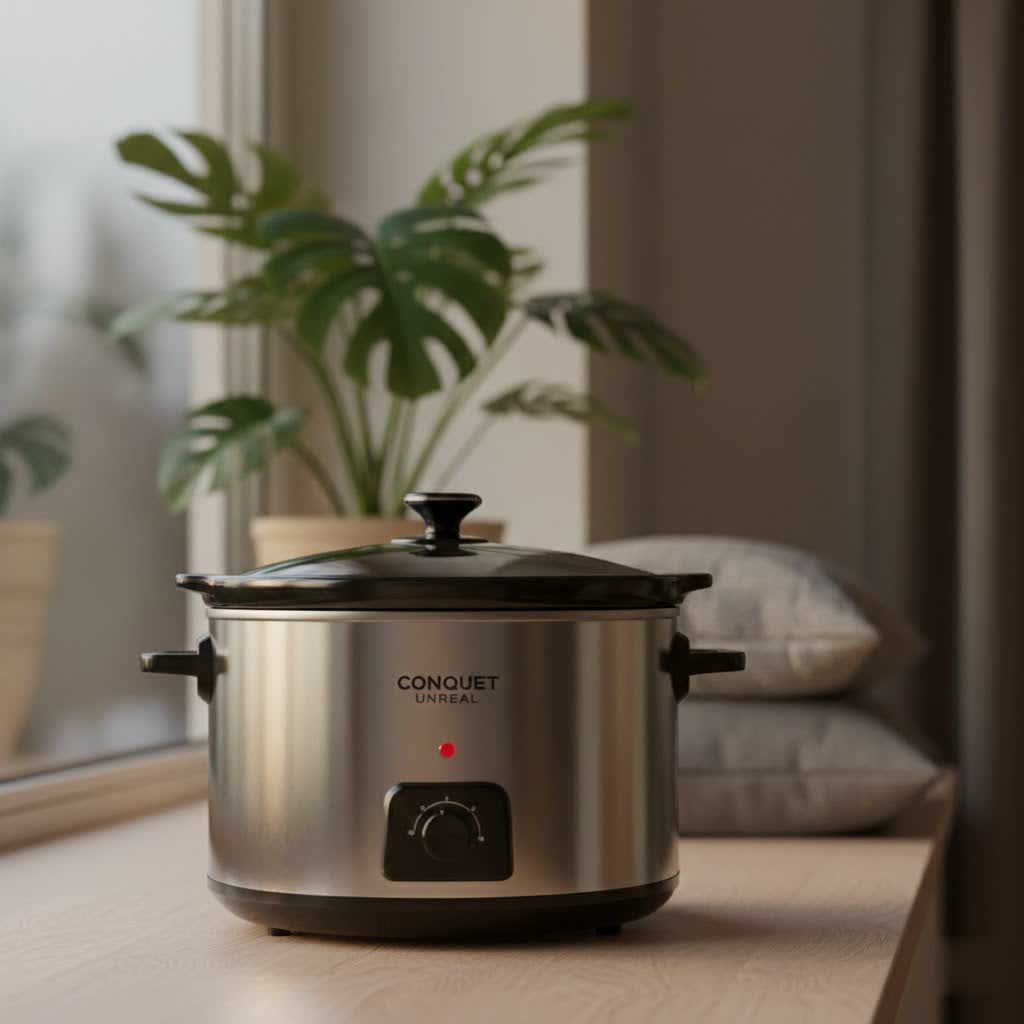
In today’s fast-paced world, finding kitchen appliances that save time without compromising meal quality is a game-changer. Imagine a single device capable of slow cooking tender stews, pressure cooking quick weeknight dinners, searing meats to perfection, and even steaming delicate vegetables. This is the promise of the Breville multi-cooker, an innovative kitchen workhorse designed to simplify your cooking journey and expand your culinary horizons. This comprehensive guide will delve into everything you need to know about Breville multi-cookers, from understanding their core functionalities to choosing the perfect model for your home and mastering its use. Get ready to transform your kitchen experience with this versatile appliance.
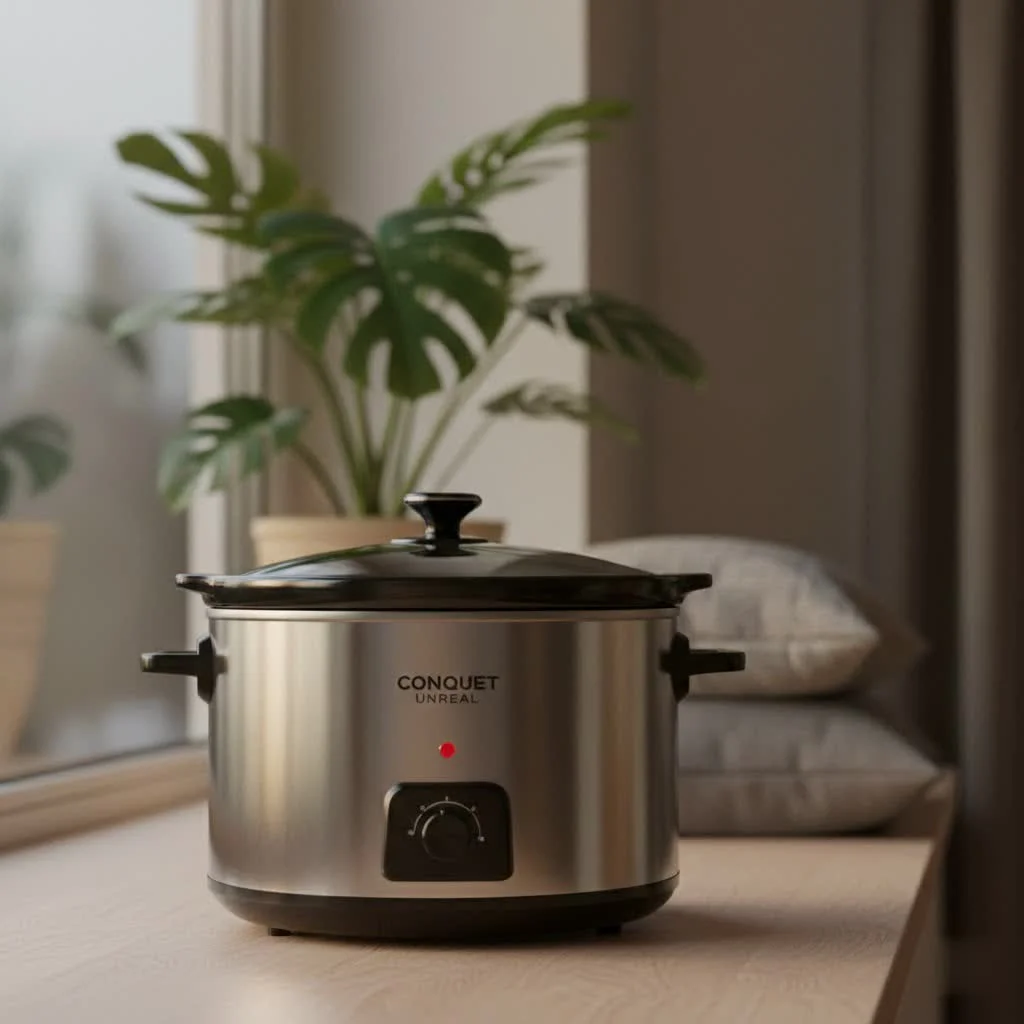
What is a Slow Cooker?
At its core, a slow cooker is an electric cooking appliance that simmers food at a low temperature for several hours, typically ranging from 4 to 12 hours. This gentle, consistent heat breaks down tough cuts of meat, melds flavors beautifully, and retains moisture, resulting in incredibly tender and flavorful dishes. The principle of operation involves a heated base that warms an inner cooking pot, often made of ceramic or stoneware, encased within an outer housing. Food cooks slowly and evenly, making it ideal for stews, soups, roasts, and chilis. For shop curated slow cooker on this site.
Historically, slow cooking dates back to ancient methods of cooking in pits or ceramic pots over embers. The modern electric slow cooker gained popularity in the mid-20th century as a convenient way to prepare meals with minimal oversight. Over time, these appliances evolved, leading to the development of multi-cookers that integrate slow cooking alongside numerous other cooking functions. Breville multi-cookers, such as the Fast Slow Pro and Fast Slow Go models, build upon this foundation by offering advanced controls and additional cooking modes, effectively combining the best aspects of traditional slow cooking with modern culinary technology.
The primary components of a multi-cooker include an outer housing, a removable inner cooking pot, a lid (often with a sealing gasket for pressure cooking), a heating element, and a control panel. In Breville multi-cookers, the inner pot is typically ceramic-coated, providing a non-stick surface that is easy to clean. The control panel often features an intuitive LCD display, allowing users to select various cooking programs, adjust temperatures, pressures, and cooking times, and monitor the cooking process.
Advantages and Disadvantages of Breville Multi-Cookers
Breville multi-cookers offer a compelling blend of convenience and capability, but like any appliance, they come with their own set of pros and cons. Understanding these can help you determine if a Breville multi-cooker is the right addition to your kitchen.
Advantages
|
Our Picks for the Best Slow Cooker in 2026
As an Amazon Associate I earn from qualifying purchases.
|
||
| Num | Product | Action |
|---|---|---|
| 1 | Crock-Pot Large 8-Quart Programmable Slow Cooker with Auto Warm Setting Black Stainless Steel |

|
| 2 | 3.2L Natural Unglazed Earthenware Casserole,Yixing Zisha Clay Pot for Cooking, Healthy Slow Cooker for Soup, Stew, Rice -Zini,Purple |
|
| 3 | Ninja® 12-in-1 PossibleCooker™ PLUS - 8.5-qt - Sous Vide & Proof Multi-Cooker - Slow Cooker, Dutch Oven & More - Glass Lid & Integrated Spoon - Nonstick - Oven Safe Pot to 500°F - Black - MC1010 |
|
| 4 | Crock-Pot 7 Quart Oval Manual Slow Cooker, Stainless Steel (SCV700-S-BR), Versatile Cookware for Large Families or Entertaining |
|
| 5 | Ninja MC1101 Foodi Everyday Possible Cooker Pro, 8-in-1 Versatility, One-Pot Faster Cooking Replaces 10 Tools, Family-Sized Capacity with Adjustable Temp Control, 6.5 quarts, Midnight Blue |
|
| 6 | Crock-Pot 6 Quart Programmable Slow Cooker with Timer and Auto Food Warmer Setting, Stainless Steel |
|
| 7 | Crock-Pot 6 Quart Cook & Carry Programmable Slow Cooker with Digital Timer Stainless Steel (CPSCVC60LL-S) pack of 1 |
|
| 8 | Ninja MC1001 Foodi PossibleCooker PRO 8.5 Quart Multi-Cooker, with 8-in-1 Slow Cooker, Dutch Oven, Steamer, Glass Lid Integrated Spoon, Nonstick, Oven Safe Pot to 500°F, Sea Salt Gray |
|
| 9 | 8-Quart Digital Programmable Slow Cooker with Timer - Small Kitchen Appliance for Family Dinners - Serves 10+ People - Heat Settings: Keep Warm, Low and High |
|
| 10 | 3.2L Natural Unglazed Earthenware Casserole,Yixing Zisha Clay Pot for Cooking, Healthy Slow Cooker for Soup, Stew, Rice -Zhuni,Red |
|
Breville multi-cookers shine in their ability to streamline meal preparation and deliver exceptional cooking results across a range of culinary techniques.
- Time and Effort Saving: By consolidating multiple appliances into one, Breville multi-cookers reduce clutter and simplify cooking. Features like delayed start and automatic keep-warm functions allow you to set your meal and forget it, returning to a perfectly cooked dish hours later. This is particularly beneficial for busy individuals and families.
- Flavor and Nutritional Preservation: The slow and pressure cooking methods employed by Breville multi-cookers are excellent for retaining moisture, nutrients, and the natural flavors of ingredients. Pressure cooking, in particular, locks in vitamins and minerals that might be lost with other cooking methods.
- Versatility in Cooking: Beyond slow cooking and pressure cooking, Breville multi-cookers typically include functions such as searing, sautéing, steaming, and reducing. Some models even offer specialized settings for making yogurt or sous vide. This means you can brown meat directly in the pot before slow cooking a stew, eliminating the need for extra pans and reducing cleanup.
- Safety and Ease of Use: Modern Breville multi-cookers are designed with multiple safety features, including pressure release valves, safety locking pins, and automated steam release. Their intuitive LCD displays and pre-programmed settings make them user-friendly, even for those new to pressure cooking. The hinged and removable lids, often dishwasher-safe, further enhance usability and cleaning.
Disadvantages
While highly advantageous, Breville multi-cookers do present a few drawbacks to consider.
- Initial Learning Curve: Despite their user-friendly interfaces, mastering all the functions of a multi-cooker, especially pressure cooking, can require some initial learning. Understanding different pressure levels, natural vs. quick release, and adapting recipes can take time.
- Cooking Time: While pressure cooking is fast, the overall process still includes preheating and depressurizing times, which can add significant minutes to the advertised cooking duration. Slow cooking, by its nature, requires several hours, which might not suit spontaneous meal plans.
- Bulk and Countertop Space: As multi-functional appliances, Breville multi-cookers tend to be larger than single-purpose slow cookers or pressure cookers. This can be a consideration for kitchens with limited counter or storage space.
- Pot Material: Many Breville multi-cookers feature ceramic-coated inner pots. While excellent for non-stick properties and ease of cleaning, some users prefer stainless steel for its durability and better browning capabilities, though Breville’s ceramic pots are generally highly rated for performance and being PFOA/PTFE free.
Types of Multi-Cookers
While the “Breville multi-cooker” typically refers to models like the Fast Slow Pro and Fast Slow Go, which combine various functionalities, understanding the broader classifications of cooking appliances helps appreciate their innovation. Traditional slow cookers and pressure cookers come in various forms, and Breville’s offerings integrate these aspects.
Classification by Shape
The shape of a cooking pot primarily affects the type of food it can accommodate and how it fits on your countertop.
- Round Multi-Cookers: These are the most common shape, often found in both dedicated slow cookers and multi-cookers. Their circular design is efficient for simmering stews, soups, and chili, allowing for even heat distribution.
- Oval Multi-Cookers: Oval-shaped pots are particularly advantageous for cooking larger cuts of meat, such as whole chickens, roasts, or racks of ribs, that wouldn’t fit comfortably in a round pot. Many Breville multi-cookers offer an oval-shaped inner pot.
Classification by Pot Material
The material of the inner cooking pot plays a crucial role in cooking performance, durability, and cleaning.
- Ceramic-Coated Pots: Breville multi-cookers often feature ceramic-coated aluminum pots. This material provides excellent non-stick properties, making it easier to clean and ideal for delicate foods. It also distributes heat evenly, preventing hot spots. Breville’s ceramic coatings are generally PFOA and PTFE free.
- Stainless Steel Pots: While less common in Breville’s multi-cookers for the primary inner pot, some brands offer stainless steel inserts. Stainless steel is highly durable and excellent for searing and browning, though it can be more prone to sticking if not properly seasoned or oiled.
Classification by Features
This is where multi-cookers truly differentiate themselves, offering a range of capabilities beyond basic slow cooking.
- Manual/Mechanical Multi-Cookers: These typically have simpler controls, often just a dial for temperature (low, high) and a timer. They are straightforward but offer less precise control.
- Electronic/Digital Multi-Cookers: Breville multi-cookers fall into this category. They feature digital displays and programmable settings, allowing for precise control over cooking time, temperature, and pressure. They often include pre-set programs for various dishes like rice, poultry, beans, and desserts.
- Multi-Function Multi-Cookers: This refers to the core concept of Breville’s Fast Slow Pro and Fast Slow Go. They combine pressure cooking, slow cooking, searing, sautéing, steaming, and often other functions like reducing or keeping warm, all in one appliance. The Breville Fast Slow Go even adds sous vide and yogurt making. These advanced features provide unparalleled versatility, enabling a wider range of culinary techniques.
Comparing Breville Multi-Cookers with Other Kitchen Appliances
Understanding how a Breville multi-cooker stacks up against other common kitchen appliances, particularly dedicated slow cookers and pressure cookers, highlights its value proposition.
| Feature / Appliance | Traditional Slow Cooker | Traditional Pressure Cooker | Breville Multi-Cooker (e.g., Fast Slow Pro/Go) |
|---|---|---|---|
| Primary Function | Long, slow simmering | Rapid cooking under high pressure | Slow cooking, pressure cooking, searing, sautéing, steaming, reducing, keep warm (plus more on some models) |
| Cooking Time | Very long (4-12+ hours) | Very fast (minutes for many dishes) | Variable (fast for pressure, long for slow) |
| Versatility | Limited to slow cooking | Limited to pressure cooking | High (replaces multiple appliances) |
| Pre-cooking Steps | Often requires separate searing | Can sometimes sear, but less ideal | Excellent built-in searing/sautéing |
| Control | Basic (Low/High/Warm) | Basic (High/Low pressure) | Precise digital controls, pre-sets, auto-adjustments |
| Inner Pot Material | Ceramic/Stoneware | Stainless Steel or non-stick | Ceramic-coated (PFOA/PTFE free) |
| Safety Features | Basic thermal cut-offs | Pressure release valves, lid locks | Multi-point safety system, auto steam release |
| Price Point | Generally lower | Mid-range | Generally higher-end, premium investment |
| Cleanup | Pot easily cleaned | Pot and lid can be complex | Removable, dishwasher-safe pot & lid (parts) |
| User Experience | Simple, “set and forget” | Faster, but can be intimidating | Intuitive display, advanced automation, but learning curve |
Breville multi-cookers distinguish themselves by offering superior control and automation, often with dual sensors that monitor and adjust temperature and pressure for optimal results. While a traditional slow cooker is excellent for hands-off, long-duration cooking and a standalone pressure cooker excels at speed, the Breville multi-cooker seamlessly integrates both, providing the best of both worlds with added functionalities that reduce the need for other kitchen tools. Many users find that the cooking results for meats and rice are superior in Breville multi-cookers compared to other brands, thanks to their advanced “fuzzy logic” chips and precise controls.
Breville Multi-Cooker Buying Guide
Choosing the right Breville multi-cooker involves considering your lifestyle, cooking habits, and kitchen needs. This guide will help you navigate the options and make an informed decision.
Determine Your Usage Needs
Before diving into models, think about how you’ll primarily use the appliance.
- Family Size: How many people do you typically cook for? This will directly influence the capacity you need.
- Common Dishes: Do you mostly make slow-cooked stews, quick pressure-cooked meals, or a variety of both? Do you frequently sear meats before cooking, or desire functions like sous vide or yogurt making?
- Cooking Frequency: How often do you plan to use your multi-cooker? A more robust and feature-rich model might be justified for daily use.
- Budget: Breville multi-cookers are a premium investment. Knowing your budget range will help narrow down choices.
Select the Appropriate Capacity
Multi-cooker capacity is measured in liters or quarts.
- Small (under 4 liters/quarts): Ideal for individuals or couples. Less common for Breville multi-cookers, which generally cater to larger needs.
- Medium (4-6 liters/quarts): A 6-quart (approximately 6 liters) capacity, common in models like the Breville Fast Slow Pro and Fast Slow Go, is suitable for families of 3-5 people, allowing for decent meal prep and leftovers. This size is versatile enough for most roasts, soups, and stews.
- Large (over 6 liters/quarts): If you often cook for large gatherings, batch cook, or have a big family, a larger capacity might be necessary, though Breville’s primary multi-cooker models are typically 6-quart.
Choose Pot Material
Breville multi-cookers predominantly feature ceramic-coated inner pots.
- Ceramic-Coated: Known for its non-stick properties and ease of cleaning. Breville’s ceramic pots are durable and PFOA/PTFE free, ensuring safe cooking. They heat evenly and are great for a wide range of recipes. While some users might initially prefer stainless steel for browning, the ceramic pots in Breville models perform searing functions very effectively within the multi-cooker.
Essential Features to Look For
Breville multi-cookers are packed with features. Prioritize those that matter most to you.
- Cooking Modes: Ensure it has all the functions you need (pressure cook, slow cook, sear, sauté, steam, reduce, keep warm). The Breville Fast Slow Go offers an impressive 14 settings, including sous vide and yogurt.
- Automatic Steam Release: A standout feature in Breville models, hands-free auto steam release (Quick, Pulse, or Natural) significantly enhances safety and convenience, keeping hands away from hot steam.
- Precise Control: Look for models with an intuitive LCD display that provides real-time feedback on pressure, temperature, and countdown timers. Breville’s dual sensors and “fuzzy logic” chip offer superior temperature and pressure control.
- Delay Start & Keep Warm: These functions offer flexibility, allowing you to schedule cooking and keep food warm until serving time.
- Safety System: A robust three-way safety system (pressure release valve, pressure safety valve, safety locking pin) is crucial for peace of mind when pressure cooking.
- Easy Cleaning: A removable, dishwasher-safe lid and ceramic-coated inner pot make cleanup much simpler.
Reputable Brand: Breville
When it comes to multi-cookers, Breville is a highly respected brand known for its quality, innovative design, and performance. While their products often come at a premium price, the investment is generally justified by superior build quality, advanced features, and excellent cooking results. Breville’s commitment to precise engineering and user-friendly interfaces sets them apart in the kitchen appliance market.
Top Breville Multi-Cookers Today
Breville offers a concise yet powerful lineup of multi-cookers, with the Fast Slow Pro being a flagship and the Fast Slow Go building upon its success.
Breville The Fast Slow Pro™ (BPR700BSS)
This model is a perennial favorite and often considered the benchmark for Breville multi-cookers.
- Overview: The Fast Slow Pro automatically adjusts time, temperature, and pressure between fast and slow cooking modes to maximize flavor and texture. It’s an intuitive appliance that combines a pressure cooker, slow cooker, and steam cooker.
- Key Features:
- Multi-Function Cooking: Offers 11 pressure cook settings and slow cook settings from high to low, along with reduce, sauté, sear, steam, and keep warm functions.
- Dual Sensors: Equipped with sensors at the top and bottom of the 6-quart (6-liter) bowl for accurate temperature and pressure control.
- Auto Steam Release: Automatically sets the correct steam release method (Quick, Pulse, or Natural) hands-free.
- LCD Display: A full-feedback LCD display shows pressure indicator, temperature, countdown timer, and steam release indicator.
- Easy Cleaning: Removable, hinged, and dishwasher-safe lid with an easy-fitting silicone seal; ceramic-coated cooking bowl is also PFOA/PTFE free and dishwasher safe.
- Quality Build: Stainless steel construction with a three-way safety system.
- Performance: Consistently receives high marks for producing tender meats, flavorful stews, and perfectly cooked grains. The searing function is particularly effective, allowing for true one-pot cooking. Some initial learning may be required for optimal lid sealing during pressure cooking.
- Ideal For: Home cooks seeking precise control, superior cooking results, and a versatile appliance that can handle a wide array of recipes.
Breville The Fast Slow GO™ (BPR680BSS)
The Fast Slow Go is an evolution that builds on the Pro’s capabilities, offering even more pre-set functions.
- Overview: Designed to simplify meal prep and expand culinary skills, the Fast Slow Go boasts an impressive range of cooking settings and advanced features.
- Key Features:
- 14 Cooking Settings: Includes soup, stock, meat, stew, steam, sauté, legumes, rice, grains, risotto, yogurt, reduce, and sous vide.
- Hands-Free Steam Release: Similar to the Pro, it offers automatic steam release for safety and convenience.
- Dual-Sensor System: Ensures precise temperature control.
- 24-Hour Delay Start: Provides maximum flexibility for meal planning.
- Three-Way Safety System: Enhanced safety measures for pressure cooking.
- Stainless Steel Exterior: Durable and aesthetically pleasing design.
- Performance: Users praise its versatility and the quality of results across all its functions, noting particularly good outcomes for rice, chicken, and pork. The addition of sous vide and yogurt functions makes it a truly comprehensive multi-cooker.
- Ideal For: Enthusiastic home cooks who want the widest possible range of cooking functions in a single, high-performance appliance, including advanced techniques like sous vide.
Both models represent Breville’s commitment to quality and innovation, offering robust construction and intelligent features that elevate the home cooking experience.
How to Use and Maintain Your Breville Multi-Cooker
To get the most out of your Breville multi-cooker and ensure its longevity, proper usage and maintenance are key.
Safe and Effective Usage
Using your Breville multi-cooker is straightforward, but a few best practices will ensure safety and optimal results.
- Read the Manual: Always start by thoroughly reading your specific model’s instruction manual. It contains crucial safety information and detailed operational guides.
- Ensure Proper Sealing: When pressure cooking, ensure the lid is correctly aligned and sealed. The sealing gasket should be properly seated. Some Breville models have a hinged lid that needs to be securely locked.
- Do Not Overfill: Never fill the inner pot beyond the “MAX” fill line, especially when pressure cooking, to prevent blockages and ensure safe operation. For foods that expand (like beans or rice), adhere to specific fill limits.
- Add Sufficient Liquid: Pressure cooking requires liquid to create steam and build pressure. Always ensure your recipe has enough liquid as specified.
- Use Appropriate Settings: Select the correct cooking mode and time for your recipe. Breville multi-cookers offer various pre-set programs, which can be a good starting point. You can also manually adjust time, temperature, and pressure.
- Hands-Free Steam Release: Utilize the automatic steam release function to safely release pressure without direct contact with hot steam. Familiarize yourself with the “Quick,” “Pulse,” and “Natural” release methods.
- Searing and Sautéing: Take advantage of the built-in sear/sauté functions to brown ingredients directly in the pot before slow or pressure cooking, enhancing flavor and reducing cleanup.
Cleaning and Maintenance
Regular cleaning is essential for hygiene and to maintain your multi-cooker’s performance.
- Unplug and Cool: Always unplug the appliance and allow it to cool completely before cleaning.
- Clean the Inner Pot: The ceramic-coated inner pot is typically dishwasher safe. For hand washing, use warm, soapy water and a non-abrasive sponge to protect the coating. Avoid harsh scourers.
- Clean the Lid: The removable lid and its components (like the sealing gasket and steam release valve) should be cleaned after each use. The gasket can accumulate odors, so a thorough wash or a run through the dishwasher (if specified by the manufacturer) is recommended. Ensure all parts are dry before reassembling.
- Wipe the Exterior: Wipe the exterior housing with a damp cloth. Never immerse the main unit in water.
- Check Safety Valves: Periodically inspect the pressure release valve and safety locking pin to ensure they are clear of food debris and operating freely.
- Storage: Store your multi-cooker in a dry place. The power cord on some Breville models is completely removable, which can make storage neater.
Common Issues and Troubleshooting
- Lid Not Sealing (Pressure Cooking): Check that the silicone gasket is correctly fitted and clean. Ensure no food debris is preventing a tight seal.
- “Burn” Message: This usually indicates insufficient liquid or food stuck to the bottom of the pot. Ensure adequate liquid, deglaze the pot after searing, and scrape any stuck bits before pressure cooking.
- Steam Leaking: Confirm the lid is properly closed and sealed, and the steam release valve is in the correct position (sealed for pressure cooking).
- Food Overcooked/Undercooked: Adjust cooking times and pressures according to your recipe and desired results. It may take a few attempts to fine-tune recipes for your specific multi-cooker.
By following these guidelines, your Breville multi-cooker will serve you efficiently for years, making cooking a more enjoyable and less time-consuming experience.
Conclusion
The Breville multi-cooker stands out as a truly indispensable kitchen appliance, offering a remarkable blend of versatility, precision, and convenience. By integrating the functionalities of a slow cooker, pressure cooker, steamer, and more into a single unit, it empowers home cooks to prepare a vast array of delicious meals with minimal effort and cleanup. While representing a premium investment, its robust build quality, intuitive controls, and consistently superior cooking results make it a worthwhile addition to any modern kitchen.
Whether you’re craving the melt-in-your-mouth tenderness of a slow-cooked roast or the speed of a pressure-cooked weeknight meal, a Breville multi-cooker provides the tools to achieve culinary excellence. It’s more than just an appliance; it’s an invitation to explore new recipes, save precious time, and simplify your daily cooking routine. Embrace the future of cooking with a Breville multi-cooker and discover how effortless gourmet meals can be.
Frequently Asked Questions
What is the primary difference between the Breville Fast Slow Pro and Fast Slow Go?
The Breville Fast Slow Go typically offers an expanded range of pre-set cooking functions compared to the Fast Slow Pro, often including specialized modes like sous vide and yogurt making, providing even greater versatility for adventurous home cooks.
Can I really replace multiple kitchen appliances with a Breville multi-cooker?
Yes, a Breville multi-cooker is designed to consolidate several appliances, effectively replacing your dedicated slow cooker, pressure cooker, rice cooker, and potentially even a steamer or sauté pan, thanks to its diverse range of cooking functions.
Is the ceramic-coated pot in Breville multi-cookers safe and durable?
Breville’s ceramic-coated pots are generally PFOA and PTFE free, making them a safe choice for cooking. They are also designed for durability and ease of cleaning, though using non-abrasive utensils is recommended to maintain the coating.
How does Breville’s automatic steam release work?
Breville’s automatic steam release feature is a safety and convenience highlight. It intelligently senses the appropriate time and method (Quick, Pulse, or Natural) to release pressure hands-free, preventing direct contact with hot steam and simplifying the depressurizing process.
Are Breville multi-cookers difficult to clean?
No, cleaning Breville multi-cookers is relatively easy. The inner cooking pot and often parts of the lid are removable and dishwasher safe, simplifying the cleanup process compared to many other complex kitchen appliances.
Cooking gear we tested in our own kitchens
Free PDF — preheat times measured on 10 popular air fryers.
