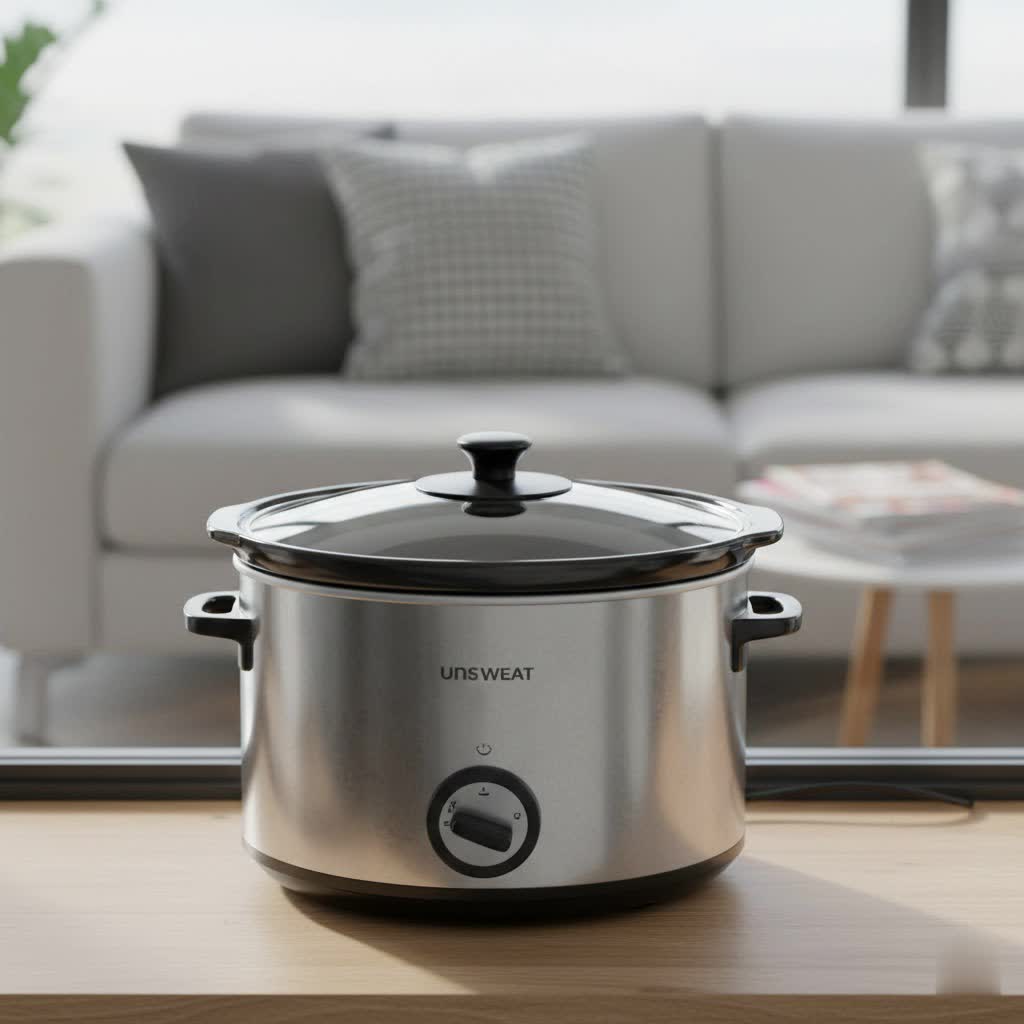
In today’s fast-paced world, finding time to prepare nutritious, home-cooked meals can be a challenge. The modern kitchen has evolved with innovative appliances designed to simplify cooking, making it accessible even on the busiest days. Among these, the humble slow cooker has long been a culinary hero, offering the comfort of slow-cooked meals with minimal effort. Yet, a newer, more versatile contender has emerged: the multicooker, promising to replace an array of kitchen gadgets with a single, all-encompassing device. But how do these two popular appliances stack up? This comprehensive guide will delve into the world of slow cookers and multicookers, exploring their unique features, benefits, drawbacks, and helping you determine which kitchen companion best suits your lifestyle and cooking aspirations.
What is a Slow Cooker (Crock-Pot)?
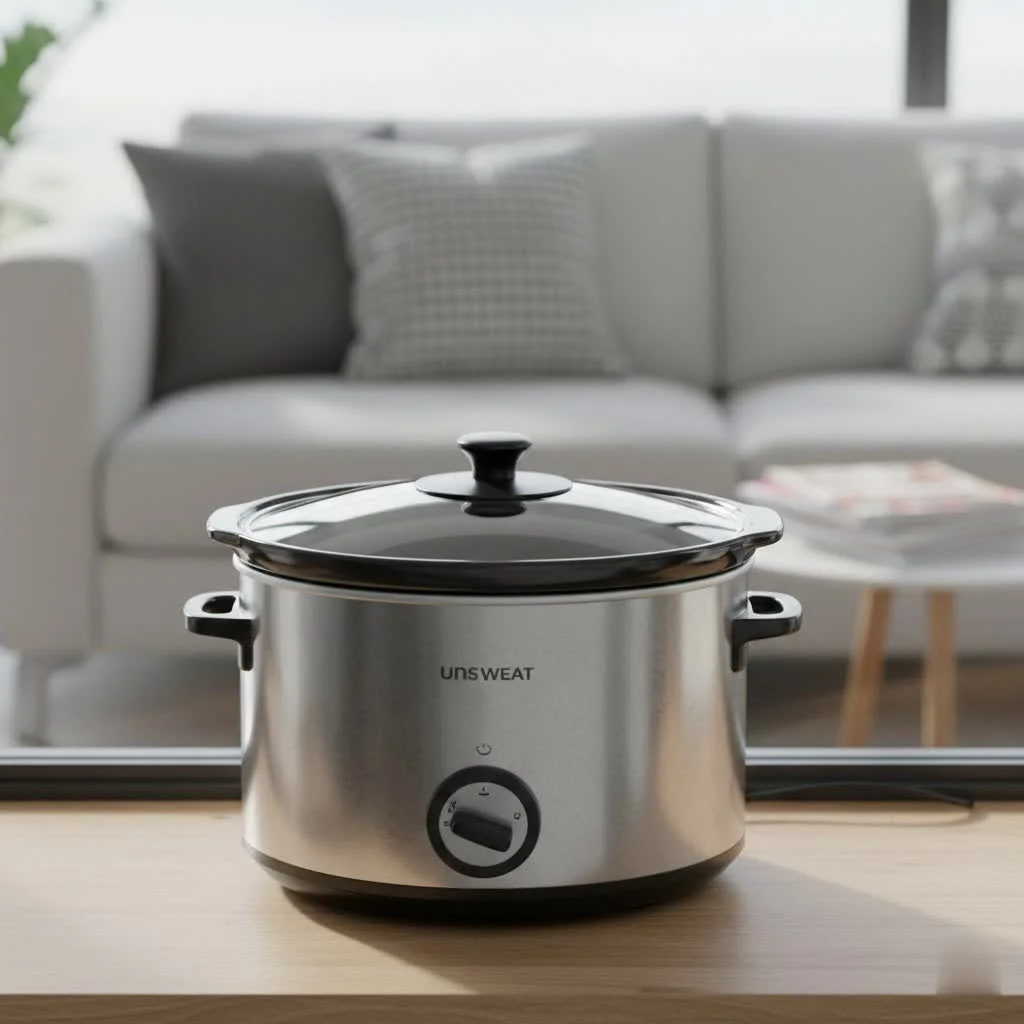
A slow cooker, often generically referred to by the brand name “Crock-Pot,” is an electrical appliance designed to cook food at low temperatures over an extended period. This method allows for gentle, even cooking, making it ideal for tenderizing tougher cuts of meat and blending flavors deeply into dishes. The concept emerged in the early 1970s, offering busy households a convenient way to prepare meals with minimal supervision, setting the stage for modern “set it and forget it” cooking. For more slow cooker guides on this site.
At its core, a slow cooker operates on a simple principle. It consists of an outer housing containing a heating element that surrounds a removable inner pot, typically made of ceramic or stoneware. A lid, usually glass, sits securely on top, trapping heat and moisture to create a steamy, low-temperature environment. This consistent, indirect heat ensures food cooks thoroughly without scorching, developing rich flavors and maintaining nutritional integrity. The controls are generally straightforward, offering basic settings like “Low,” “High,” and “Warm.”
Advantages and Disadvantages of Slow Cookers
Slow cookers have earned their place in kitchens worldwide due to their unique benefits, though they also come with certain limitations.
Advantages
- Time and Effort Saving: The primary draw of a slow cooker is its hands-off operation. You can simply add your ingredients in the morning, set the desired cooking time and temperature, and return hours later to a fully cooked meal, eliminating the need for constant monitoring.
- Retains Flavor and Nutrition: The low, consistent heat and sealed environment are excellent for preserving moisture and nutrients. This method allows flavors to meld and deepen over time, resulting in incredibly rich and tender dishes that are often more flavorful than those cooked quickly.
- Versatility in Slow Cooking: Slow cookers excel at preparing a wide array of dishes, from hearty stews, chilis, and soups to succulent roasts, pulled pork, and even certain desserts. They are perfect for recipes that benefit from long simmering.
- Safety and Ease of Use: With simple controls and sturdy construction, slow cookers are incredibly easy to operate. They are designed to be left unattended for extended periods, providing a safe cooking solution without constant supervision.
- Cost-Effective: Slow cookers are generally energy-efficient, using less electricity over several hours than an oven might. They also shine at tenderizing less expensive cuts of meat, making healthy eating more budget-friendly.
Disadvantages
|
Our Picks for the Best Slow Cooker in 2026
As an Amazon Associate I earn from qualifying purchases.
|
||
| Num | Product | Action |
|---|---|---|
| 1 | Ninja® 12-in-1 PossibleCooker™ PLUS - 8.5-qt - Sous Vide & Proof Multi-Cooker - Slow Cooker, Dutch Oven & More - Glass Lid & Integrated Spoon - Nonstick - Oven Safe Pot to 500°F - Black - MC1010 |

|
| 2 | Ninja MC1101 Foodi Everyday Possible Cooker Pro, 8-in-1 Versatility, One-Pot Faster Cooking Replaces 10 Tools, Family-Sized Capacity with Adjustable Temp Control, 6.5 quarts, Midnight Blue |
|
| 3 | Ninja MC1001 Foodi PossibleCooker PRO 8.5 Quart Multi-Cooker, with 8-in-1 Slow Cooker, Dutch Oven, Steamer, Glass Lid Integrated Spoon, Nonstick, Oven Safe Pot to 500°F, Sea Salt Gray |
|
| 4 | 8-Quart Digital Programmable Slow Cooker with Timer - Small Kitchen Appliance for Family Dinners - Serves 10+ People - Heat Settings: Keep Warm, Low and High |
|
| 5 | Crock-Pot Large 8-Quart Programmable Slow Cooker with Auto Warm Setting Black Stainless Steel |
|
| 6 | 3.2L Natural Unglazed Earthenware Casserole,Yixing Zisha Clay Pot for Cooking, Healthy Slow Cooker for Soup, Stew, Rice -Zini,Purple |
|
| 7 | Crock-Pot 6 Quart Programmable Slow Cooker with Timer and Auto Food Warmer Setting, Stainless Steel |
|
| 8 | Crock-Pot 6 Quart Cook & Carry Programmable Slow Cooker with Digital Timer Stainless Steel (CPSCVC60LL-S) pack of 1 |
|
| 9 | Crock-Pot 7 Quart Oval Manual Slow Cooker, Stainless Steel (SCV700-S-BR), Versatile Cookware for Large Families or Entertaining |
|
| 10 | 3.2L Natural Unglazed Earthenware Casserole,Yixing Zisha Clay Pot for Cooking, Healthy Slow Cooker for Soup, Stew, Rice -Zhuni,Red |
|
- Long Cooking Time: By design, slow cookers are not suitable for quick meals. If you need dinner on the table in under an hour, a slow cooker won’t be your first choice.
- Limited Temperature Control: Most traditional slow cookers offer only “Low,” “High,” and “Warm” settings, providing less precise temperature control compared to other cooking appliances.
- Potential for Overcooking: While designed for long cooking, leaving certain delicate ingredients (like some vegetables or pasta) in for too long can result in them becoming mushy.
- Size and Space: Even basic slow cookers can be bulky, taking up significant counter and storage space, especially larger capacity models.
- Lack of Pre-browning/Searing: Traditional slow cookers do not have a sauté function, meaning any browning or searing of meat or vegetables must be done in a separate pan before adding them to the slow cooker, creating extra cleanup.
What is a Multicooker?
A multicooker is a modern kitchen appliance designed to perform a wide array of cooking functions within a single unit. These versatile devices aim to consolidate several kitchen gadgets, saving valuable counter space and streamlining the cooking process. Popular brands include Instant Pot and Ninja Foodi, which have become synonymous with the multicooker category.
The multicooker’s strength lies in its ability to combine diverse cooking mechanisms. While the exact functions vary by model, a multicooker typically includes:
- Pressure Cooking: Significantly speeds up cooking times by trapping steam to build high pressure.
- Slow Cooking: Emulates the function of a traditional slow cooker, cooking food gently over many hours.
- Sautéing/Browning: Allows users to brown ingredients directly in the cooking pot before other functions.
- Steaming: Cooks food quickly and healthily using steam.
- Rice Cooking: Dedicated settings for perfect rice.
- Yogurt Making: Maintains precise low temperatures for fermentation.
- Other functions: Some advanced models may also offer baking, roasting, sous vide, or even air frying (with specialized lids).
Multicookers typically feature a robust outer housing and a removable inner pot, often made of stainless steel or non-stick metal, which can withstand high pressure and varying temperatures. A secure, sealing lid is crucial for pressure cooking, while a digital control panel with numerous pre-set programs and precise temperature/pressure sensors provides advanced control and safety. These appliances are lauded for their ability to facilitate true one-pot meals, allowing users to sauté ingredients, then switch to a slow cook or pressure cook function without transferring food to another pot.
Advantages and Disadvantages of Multicookers
Multicookers are celebrated for their comprehensive capabilities, but they also present certain trade-offs.
Advantages
- Space-Saving Versatility: A single multicooker can replace a slow cooker, pressure cooker, rice cooker, steamer, and sometimes even an air fryer or yogurt maker, decluttering your kitchen counters and cabinets.
- Diverse Cooking Methods: With functions ranging from rapid pressure cooking to gentle slow cooking, sautéing, and steaming, a multicooker empowers you to prepare almost any dish imaginable using various techniques.
- Speed and Efficiency: The pressure cooking function dramatically reduces cooking times for meals that traditionally take hours, making it an invaluable tool for weeknight dinners.
- Convenience for One-Pot Meals: The ability to sauté ingredients directly in the cooking pot before pressure cooking or slow cooking eliminates the need for extra pans, simplifying meal preparation and cleanup.
- Advanced Programmability: Multicookers typically offer precise digital controls for temperature, pressure, and time, often with pre-set programs for specific dishes, ensuring consistent and reliable results.
Disadvantages
- Complexity and Learning Curve: The multitude of functions and settings can be intimidating for new users, requiring a greater learning commitment to fully utilize the appliance’s capabilities.
- Slow Cooking Performance Debate: While multicookers do have a slow cook function, some culinary enthusiasts argue that dedicated slow cookers, with their heavy ceramic or stoneware pots and wraparound heating elements, provide more even, consistent low heat, potentially yielding superior slow-cooked results and preventing scorching.
- Initial Cost: Multicookers generally represent a higher upfront investment compared to basic, dedicated slow cookers.
- Size: Despite consolidating multiple appliances, some multicookers, especially those with additional features like air frying lids, can still be quite large and take up significant counter space.
Types of Slow Cookers and Multicookers
Both slow cookers and multicookers come in various forms, catering to different preferences and cooking needs.
Slow Cookers by Shape
- Round: These are common for smaller capacities and are ideal for soups, stews, dips, and smaller roasts.
- Oval: Often found in larger capacities, oval slow cookers are perfect for accommodating larger cuts of meat like whole chickens, roasts, or racks of ribs.
Slow Cookers by Material
- Ceramic/Stoneware: The most traditional material for the inner pot, known for its excellent heat retention and even heat distribution, which is crucial for gentle, consistent slow cooking.
- Metal (Non-stick Coated): Some modern slow cookers feature lighter metal inserts, often with a non-stick coating. These are sometimes stovetop-safe, allowing for pre-browning directly on the stove before transferring to the slow cooker base.
Slow Cookers by Features
- Manual: The simplest models, typically offering just “Low,” “High,” and “Warm” settings controlled by a dial.
- Programmable: These feature digital timers that allow you to set specific cooking durations and often automatically switch to a “Warm” setting once cooking is complete. Many offer delayed start options.
- Smart/Wi-Fi Enabled: The most advanced slow cookers can be controlled remotely via smartphone apps, allowing you to adjust settings or check cooking progress from anywhere.
Multicookers (as a category that includes slow cooking)
- Pressure Cooker Combos (e.g., Instant Pot): These are the most prevalent type of multicooker, integrating pressure cooking with slow cooking, sautéing, steaming, rice cooking, and yogurt making.
- Air Fryer Combos (e.g., Ninja Foodi): These multicookers expand on the pressure cooker combo by adding an air frying function, typically through a separate lid, offering crisping capabilities.
- Dedicated Multicookers (without pressure): Less common, these models focus on a range of cooking functions like slow cook, sauté, roast, and bake, but omit the high-pressure cooking capability.
Slow Cooker vs. Multicooker: A Detailed Comparison
Deciding between a dedicated slow cooker and a versatile multicooker often comes down to your priorities in the kitchen. Here’s a comparative overview:
| Feature | Traditional Slow Cooker (e.g., Crock-Pot) | Multicooker (with Slow Cook Function) |
|---|---|---|
| Primary Focus | Dedicated to low-temperature, long-duration cooking. | Versatile appliance offering numerous cooking methods. |
| Cooking Speed | Exclusively slow (takes several hours). | Variable: Rapid (pressure cook), Slow (slow cook mode), or moderate. |
| Versatility | Limited primarily to slow cooking. | High; can replace multiple appliances like pressure cookers, steamers. |
| Inner Pot | Heavy ceramic or stoneware, excellent for heat retention and distribution. | Lighter stainless steel or non-stick metal. |
| Temperature Control | Basic settings (Low, High, Warm). | Advanced digital controls, specific temperatures, pre-set programs. |
| Pre-browning/Searing | Requires a separate pan on the stovetop. | Often features a built-in sauté function in the same pot. |
| Footprint | A dedicated appliance that occupies counter/storage space. | A single appliance that saves overall counter space by consolidating. |
| Learning Curve | Very low; intuitive operation. | Moderate to high; mastering all functions requires practice. |
| Cost | Generally more affordable. | Higher initial investment, reflecting its multi-functionality. |
| Slow Cook Quality | Often considered superior due to the thick pot’s even heat and moisture retention. | Good, but some users report less consistent low heating or potential for scorching compared to dedicated units. |
| Lid Type | Simple glass lid for visibility and moisture retention. | Sealing lid for pressure cooking, often with specialized features (e.g., air fryer lids). |
Buying Guide: Choosing the Right Slow Cooker or Multicooker
Selecting the perfect appliance requires thoughtful consideration of your individual needs and cooking habits.
Determine Your Needs
- Family Size:
- Small (1-2 people): A capacity of 1.5 to 3 liters is typically sufficient for individual meals or small batches.
- Medium (3-5 people): Look for models between 3 and 5.5 liters to accommodate family dinners and some leftovers.
- Large (6+ people/entertaining): Opt for capacities of 6 liters or more for large gatherings, meal prepping, or cooking for bigger families.
- Cooking Habits: Do you primarily enjoy “set it and forget it” meals that simmer all day? Or do you need the flexibility of rapid pressure cooking and diverse cooking functions? If versatility and speed are key, a multicooker is likely a better fit. If traditional, slow-simmered dishes are your main focus, a dedicated slow cooker may suffice.
- Budget: Generally, a basic slow cooker is a more budget-friendly option, while multicookers, especially those with advanced features, represent a greater initial investment.
Choose the Right Capacity
As mentioned, match the appliance’s volume to your household size and cooking frequency. Consider whether you often make large batches for meal prep or entertaining.
Material of the Inner Pot
- For slow cookers, a heavy ceramic or stoneware pot is often preferred for its even heating and classic slow-cooking performance.
- For multicookers, stainless steel pots are common due to their durability and ability to handle various cooking methods, including high pressure and sautéing. Some also offer non-stick coated metal.
Essential Features
- Programmable Timer: This is crucial for both types of appliances, allowing you to set precise cooking durations and walk away without worry.
- Automatic Keep Warm Function: Essential for convenience, this feature automatically switches to a warming mode once cooking is complete, keeping your food at a safe serving temperature without overcooking.
- Delay Start: A highly useful feature that lets you load ingredients and program the appliance to begin cooking at a later time, ensuring your meal is ready exactly when you want it.
- Sauté Function (Multicooker): This feature is a significant advantage of multicookers, enabling you to brown meats and vegetables directly in the pot before slow cooking or pressure cooking, minimizing cleanup.
- Pressure Cook Function (Multicooker): If speed is a priority, ensure the multicooker has a reliable pressure cooking capability.
- Lid Type: Look for a secure lid that seals well (especially for multicookers) and a clear glass lid for slow cookers to monitor food without heat loss.
- Ease of Cleaning: Dishwasher-safe inner pots and accessories are a major plus for simplifying post-meal cleanup.
Reputable Brands
Consider brands known for quality and reliability in each category:
- For Slow Cookers: Crock-Pot, Hamilton Beach, Cuisinart, GreenPan.
- For Multicookers: Instant Pot, Ninja Foodi, Crock-Pot (for their multicooker models), Breville.
Top 3 Slow Cookers and Multicookers for Every Kitchen
Navigating the market for slow cookers and multicookers can be overwhelming. Here are a few top-rated options that exemplify excellence in their categories:
-
1. Instant Pot Pro 10-in-1 Multicooker
- This appliance is a powerhouse, offering ten functions including pressure cook, slow cook, sauté, sous vide, sterilizer, and yogurt maker. Its advanced lid and stovetop-friendly inner pot make it incredibly versatile for large families or those who love to experiment. Reviewers often praise its reliable slow cook function, which rivals many dedicated units, alongside its rapid pressure cooking capabilities.
- Pros: Exceptionally versatile, strong slow cook performance, one-pot sautéing, high capacity.
- Cons: Can be pricey, a learning curve for new users, takes up significant counter space.
-
2. Crock-Pot Programmable Slow Cooker with Countdown Digital Timer
- For those who value traditional slow-cooking simplicity and reliability, this classic Crock-Pot model is an excellent choice. It features a programmable digital timer, automatic keep-warm function, and a robust ceramic insert for even heat distribution. Its straightforward design and consistent performance make it a beloved staple for hearty, comforting meals.
- Pros: Simple to use, excellent for classic slow-cooked dishes, dependable, affordable.
- Cons: Limited to slow cooking, no sauté function, can be bulky.
-
3. Ninja Foodi SmartLid Multi-Cooker
- The Ninja Foodi series excels at combining multiple cooking methods, particularly integrating pressure cooking and air frying with a single, ingenious SmartLid. This allows you to tenderize food rapidly with pressure, then crisp it up with air frying, or slow cook and then finish with a crispy top. It’s ideal for those seeking comprehensive functionality in one appliance, offering a truly diverse cooking experience.
- Pros: Unmatched versatility (pressure cook, slow cook, air fry), smart lid design, great for texture contrast.
- Cons: Higher price point, can be quite large and heavy, more complex operation.
How to Use and Maintain Your Slow Cooker or Multicooker
Proper usage and maintenance are key to ensuring the longevity and optimal performance of your slow cooker or multicooker.
Safe and Effective Use
- Always Read the Manual: Each appliance has unique features and safety guidelines. Familiarize yourself with them before first use.
- Fill Levels: For slow cooking, typically fill the inner pot between half and two-thirds full. Overfilling can lead to spills, while underfilling may result in overcooked food.
- Avoid Frequent Lid Lifting: Especially for slow cookers, lifting the lid frequently releases heat and moisture, significantly extending cooking times. For multicookers, ensure the lid is properly sealed for pressure cooking.
- Ensure Proper Ventilation: When using a multicooker, especially for pressure release, ensure it has adequate space around it and is not directly under cabinets.
- Use Appropriate Settings: Match the cooking mode and time to your recipe to achieve the best results.
Cleaning and Storage
- Inner Pot: Most inner pots (ceramic, stoneware, or stainless steel) are dishwasher-safe, though hand-washing with warm soapy water is often recommended for preserving non-stick coatings and overall longevity. Avoid abrasive cleaners that could damage surfaces.
- Lid: Glass lids are typically dishwasher-safe. For multicooker lids, pay special attention to cleaning the sealing ring and steam release valve according to the manufacturer’s instructions.
- Base Unit: Never immerse the base unit in water. Wipe it clean with a damp cloth, ensuring no liquids enter the electrical components.
- Storage: Always ensure all parts are completely dry before reassembling and storing the appliance in a cool, dry place.
Common Issues & Troubleshooting
- Food Not Cooking Properly: Check that the appliance is plugged in, the power is on, the lid is properly sealed, and the correct cooking setting and time have been selected.
- Scorching (Multicookers): If food is scorching on the bottom in slow cook mode, try adding more liquid, stirring occasionally (if appropriate for the recipe), or ensuring you haven’t overfilled the pot. Some multicookers’ slow cook functions heat from the bottom, which can be different from traditional slow cookers.
- Lid Won’t Seal (Multicooker): For pressure cookers, ensure the sealing ring is properly inserted and not damaged. Check that the steam release handle is in the “Sealing” position.
Conclusion
Choosing between a slow cooker and a multicooker ultimately depends on your lifestyle, culinary ambitions, and kitchen space. The traditional slow cooker offers unparalleled ease for low-and-slow cooking, delivering deeply flavorful dishes with minimal effort, perfect for those who cherish classic comfort food. Its simplicity and dedicated function make it a reliable workhorse.
On the other hand, the multicooker stands as a testament to modern kitchen innovation, providing extraordinary versatility by consolidating numerous cooking methods into one sleek appliance. From lightning-fast pressure cooking to convenient sautéing and, of course, a capable slow cook function, it’s ideal for the dynamic cook who seeks efficiency, variety, and a decluttered kitchen. While it may require a slightly steeper learning curve, the benefits of its multi-functional design are undeniable.
Whether you opt for the steadfast simplicity of a dedicated slow cooker or the comprehensive power of a multicooker, both appliances are designed to make your time in the kitchen more enjoyable and your meals more delicious. Consider your daily routine, your favorite recipes, and your desire for culinary exploration. Which kitchen companion will unlock your next culinary adventure?
Frequently Asked Questions
Can I use a multicooker as a slow cooker effectively?
Yes, most multicookers include a slow cook function. While traditional slow cookers, with their heavy ceramic pots, are often lauded for exceptionally even low heat, modern multicookers like Instant Pots generally provide comparable and effective slow cooking results, especially when recipes are adapted to their heating elements.
Are “Crock-Pot” and “slow cooker” the same thing?
“Crock-Pot” is a well-known brand name that has become widely used to refer to any slow cooker, much like “Kleenex” is used for facial tissues. While all Crock-Pots are indeed slow cookers, not all slow cookers are manufactured by the Crock-Pot brand.
What’s the main benefit of a multicooker over a slow cooker?
The primary advantage of a multicooker is its versatility. It combines multiple cooking functions, such as pressure cooking for speed, sautéing for one-pot browning, steaming, and rice cooking, into a single unit, significantly reducing the need for multiple kitchen appliances.
Are multicookers more energy-efficient than slow cookers?
Multicookers can be more energy-efficient, particularly when utilizing their pressure cooking function to drastically reduce cooking times. Slow cookers are also energy-efficient in their own way, using a consistent, low amount of power over many hours, making them economical for long cooking processes. The most efficient choice depends on the specific cooking method you employ.
Cooking gear we tested in our own kitchens
Free PDF — preheat times measured on 10 popular air fryers.
