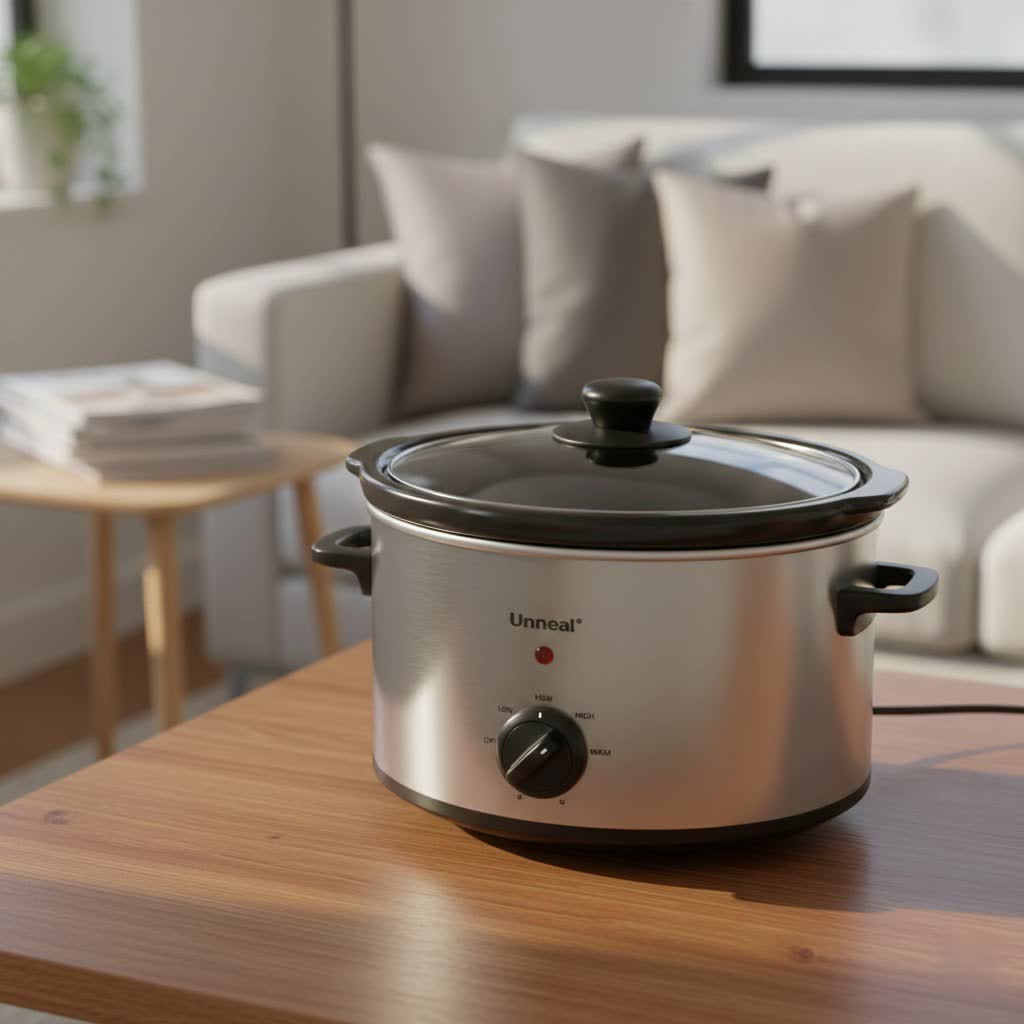
Are you navigating the bustling world of kitchen appliances, trying to decide between an air fryer and a slow cooker, or perhaps wondering if you need both? These two kitchen titans have revolutionized how we approach meal preparation, offering distinct benefits that cater to different cooking styles and dietary needs. Whether you’re seeking quick, crispy delights or comforting, tender meals, understanding the unique capabilities of each can transform your culinary journey and help you save time and energy in the kitchen.
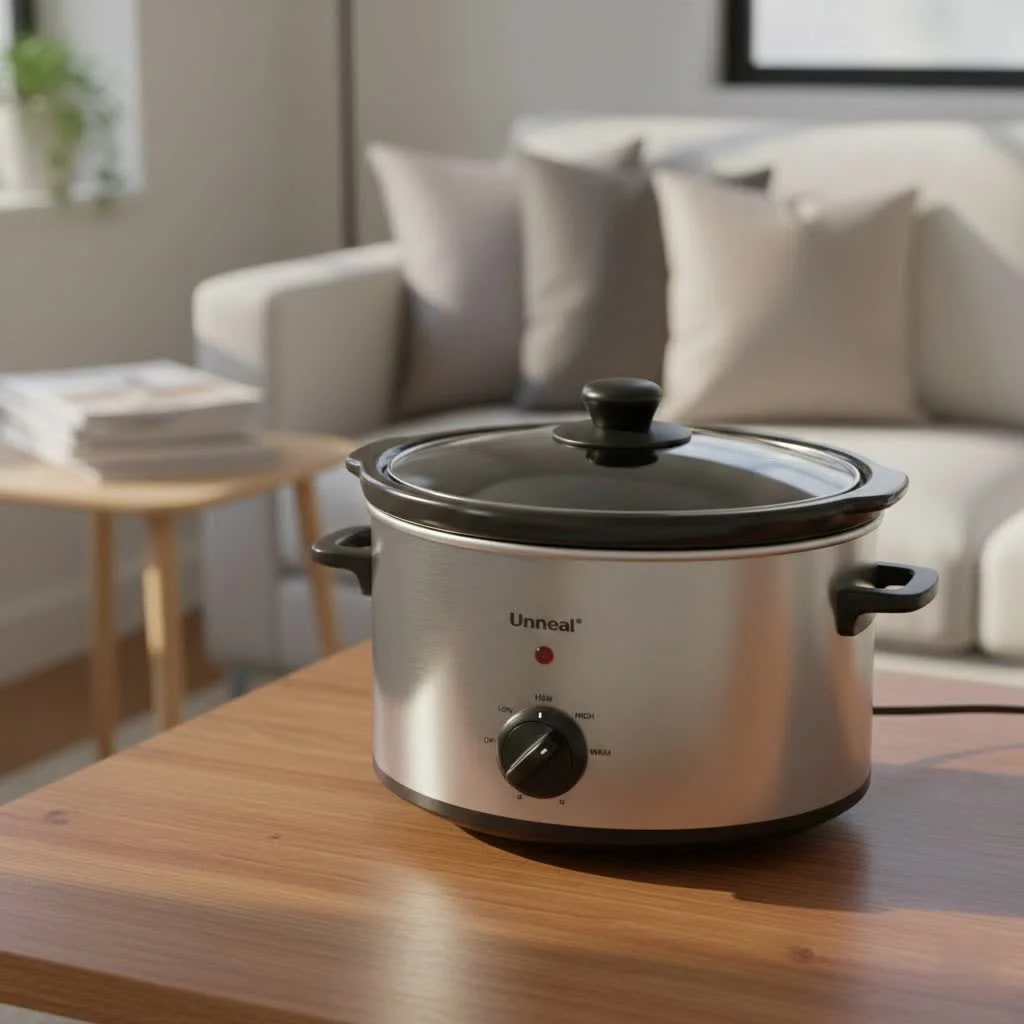
What is a Slow Cooker?
A slow cooker is an electric cooking appliance designed to simmer food at low temperatures over extended periods. This gentle, consistent heat breaks down tough cuts of meat, melds flavors, and creates exceptionally tender dishes. Its origins trace back to the early 20th century, evolving from simpler electric casseroles to the programmable, versatile units we see today.
The primary components of a slow cooker include a base unit that houses the heating element, a heavy ceramic or stoneware pot (often removable for easy cleaning), and a tight-fitting lid, typically made of glass. The heating element gently warms the pot from the bottom and sides, distributing heat evenly throughout the food. This low-and-slow cooking method minimizes evaporation, retaining moisture and flavors, making it ideal for stews, soups, and braised meats.
What is an Air Fryer?
In contrast, an air fryer is essentially a compact convection oven that uses rapid air circulation to cook food quickly and achieve a crispy texture with minimal oil. Emerging as a popular kitchen gadget in the 21st century, air fryers quickly gained traction for offering a “healthier” alternative to traditional deep frying.
An air fryer typically consists of a heating element and a powerful fan located at the top of the unit. This fan circulates hot air at high speeds around the food, which is usually placed in a perforated basket. The superheated air cooks the food from all directions, creating a crispy, golden-brown exterior similar to frying, but with significantly less oil. Air fryers are celebrated for their speed and ability to deliver satisfyingly crunchy results.
Advantages and Disadvantages of Air Fryers and Slow Cookers
Both air fryers and slow cookers bring unique benefits and drawbacks to the modern kitchen. Understanding these can help you decide which appliance best suits your lifestyle.
Air Fryer: Pros and Cons
Advantages of an Air Fryer
- Speed and Efficiency: Air fryers cook food significantly faster than conventional ovens, making them ideal for quick weeknight meals or reheating leftovers. They preheat rapidly, saving valuable time.
- Crispy Texture with Less Oil: By circulating hot air, air fryers create a desirable crispy texture on foods like fries, chicken wings, and roasted vegetables, often using just a tablespoon or two of oil, offering a healthier alternative to deep frying.
- Versatility: Beyond “frying,” many air fryers can roast, bake, and grill small portions of food. They are excellent for cooking frozen items directly without defrosting.
- Energy Savings: For smaller meals, an air fryer can be more energy-efficient than heating a full-sized oven, leading to potential savings on electricity bills. Running an air fryer for half an hour costs approximately 32p per day, compared to £1.43 for an oven for two hours.
Disadvantages of an Air Fryer
- Limited Capacity: Most air fryers have a smaller cooking capacity, often better suited for one to two people or preparing side dishes. Cooking for larger families might require multiple batches.
- Not Ideal for Wet Dishes: Foods with significant liquid content, like soups or stews, are not suitable for air frying due to the appliance’s design and cooking method.
- Potential for Dryness: While great for crispiness, some foods can become dry if overcooked, especially lean meats.
- Counter Space: Even compact models require dedicated counter space, which can be an issue in smaller kitchens.
Slow Cooker: Pros and Cons
|
Our Picks for the Best Slow Cooker in 2026
As an Amazon Associate I earn from qualifying purchases.
|
||
| Num | Product | Action |
|---|---|---|
| 1 | Crock-Pot 7 Quart Oval Manual Slow Cooker, Stainless Steel (SCV700-S-BR), Versatile Cookware for Large Families or Entertaining |

|
| 2 | Crock-Pot 6 Quart Programmable Slow Cooker with Timer and Auto Food Warmer Setting, Stainless Steel |
|
| 3 | 8-Quart Digital Programmable Slow Cooker with Timer - Small Kitchen Appliance for Family Dinners - Serves 10+ People - Heat Settings: Keep Warm, Low and High |
|
| 4 | Crock-Pot Large 8-Quart Programmable Slow Cooker with Auto Warm Setting Black Stainless Steel |
|
| 5 | Crock-Pot 6 Quart Cook & Carry Programmable Slow Cooker with Digital Timer Stainless Steel (CPSCVC60LL-S) pack of 1 |
|
| 6 | Ninja MC1001 Foodi PossibleCooker PRO 8.5 Quart Multi-Cooker, with 8-in-1 Slow Cooker, Dutch Oven, Steamer, Glass Lid Integrated Spoon, Nonstick, Oven Safe Pot to 500°F, Sea Salt Gray |
|
| 7 | 3.2L Natural Unglazed Earthenware Casserole,Yixing Zisha Clay Pot for Cooking, Healthy Slow Cooker for Soup, Stew, Rice -Zini,Purple |
|
| 8 | Ninja MC1101 Foodi Everyday Possible Cooker Pro, 8-in-1 Versatility, One-Pot Faster Cooking Replaces 10 Tools, Family-Sized Capacity with Adjustable Temp Control, 6.5 quarts, Midnight Blue |
|
| 9 | 3.2L Natural Unglazed Earthenware Casserole,Yixing Zisha Clay Pot for Cooking, Healthy Slow Cooker for Soup, Stew, Rice -Zhuni,Red |
|
| 10 | Ninja® 12-in-1 PossibleCooker™ PLUS - 8.5-qt - Sous Vide & Proof Multi-Cooker - Slow Cooker, Dutch Oven & More - Glass Lid & Integrated Spoon - Nonstick - Oven Safe Pot to 500°F - Black - MC1010 |
|
Advantages of a Slow Cooker
- Hands-Off Cooking: One of the biggest appeals of a slow cooker is its “set it and forget it” convenience. You can prepare ingredients in the morning and return to a fully cooked meal in the evening, perfect for busy schedules.
- Tender and Flavorful Results: The low, slow cooking process tenderizes tougher cuts of meat and allows flavors to meld beautifully, resulting in rich, deeply flavored dishes.
- Energy Efficiency: Despite longer cooking times, slow cookers operate at a very low wattage, making them incredibly energy-efficient. They can cost around 38p per day for eight hours of use, making them a cost-effective way to prepare meals, especially for batch cooking.
- Batch Cooking and Meal Prep: The larger capacity of many slow cookers makes them excellent for preparing large batches of food, which can be portioned and frozen for future meals, saving time and money.
- Nutrient Retention: The gentle cooking method helps retain moisture and nutrients that might be lost with high-heat cooking.
Disadvantages of a Slow Cooker
- Long Cooking Times: As the name suggests, slow cookers require several hours to prepare meals, demanding forward planning. This isn’t suitable for spontaneous cooking.
- Lack of Crispy Texture: Slow cookers excel at moist, tender foods but cannot produce crispy exteriors. You might need to transfer food to an oven or air fryer for browning.
- Difficulty with Delicate Foods: Delicate ingredients or those that cook quickly can become overcooked or mushy if left in a slow cooker for too long.
- Limited Browning/Searing: Most traditional slow cookers do not allow for searing or browning ingredients, which can impact the depth of flavor in some dishes. Some modern models, however, feature a “sauté” function.
- Size and Storage: Many slow cookers can be bulky and take up significant cupboard or counter space.
Slow Cooker vs. Air Fryer: A Comparative Overview
When comparing these two appliances, it’s clear they serve fundamentally different purposes, yet both contribute significantly to a versatile kitchen.
| Feature | Air Fryer | Slow Cooker |
|---|---|---|
| Cooking Method | Rapid hot air circulation | Low, consistent heat over time |
| Primary Result | Crispy, golden-brown exterior | Tender, moist, deeply flavored |
| Cooking Time | Fast (minutes to less than an hour) | Slow (several hours) |
| Oil Usage | Minimal oil | None (for cooking liquid-based dishes) |
| Best For | Fries, chicken, roasted vegetables, reheating | Stews, casseroles, roasts, pulled meats, soups |
| Capacity | Generally smaller, good for 1-2 servings | Often larger, suitable for families/batch cooking |
| Energy Cost | Efficient for quick cooks (~32p/day for 30 min) | Highly efficient for long cooks (~38p/day for 8 hours) |
| Effort | Active monitoring (shaking basket) | “Set it and forget it” hands-off |
While an air fryer offers speed and crispiness, a slow cooker delivers unparalleled tenderness and convenience for longer cooking processes. Neither appliance fully replaces a conventional oven or stovetop, but they offer energy-efficient alternatives for specific cooking tasks.
The Rise of Multi-Cookers: Combining the Best of Both Worlds
For those who desire the best of both worlds without cluttering their kitchen with multiple single-purpose appliances, multi-cookers have emerged as an excellent solution. Brands like Ninja Foodi and Instant Pot offer innovative devices that seamlessly combine air frying, slow cooking, pressure cooking, and often other functions like steaming, sautéing, and baking, all within a single unit.
These multi-functional appliances typically feature interchangeable lids or smart lids that allow users to switch between cooking methods. For example, you might pressure cook a roast to tenderize it quickly, then switch to an air fryer lid to give it a crispy finish.
Benefits of Multi-Cooker Combos
- Space Saving: Consolidating multiple appliances into one unit frees up valuable counter and cabinet space.
- Versatility: A single appliance can handle a vast array of recipes, from crispy appetizers to slow-cooked family meals.
- Convenience: The ability to perform multiple cooking steps in one pot, such as searing and then slow cooking, reduces cleanup and streamlines the cooking process.
- Cost-Effective: While the initial investment might be higher than a single air fryer or slow cooker, it can be more economical than purchasing several separate high-quality appliances.
Buying Guide: Choosing the Right Appliance(s) for Your Kitchen
Deciding whether to buy an air fryer, a slow cooker, or a combination multi-cooker depends on your specific cooking habits, household size, and kitchen space.
Determine Your Cooking Needs
- How do you cook most often? If you frequently make fried snacks, roasted vegetables, or need quick meals, an air fryer is invaluable. If you love stews, casseroles, or preparing meals with minimal fuss, a slow cooker is a must-have.
- What is your household size? Air fryers typically suit individuals or small families (1-2 people) due to their smaller capacity. Slow cookers often come in larger sizes, perfect for families or batch cooking.
- What are your dietary goals? Air fryers help achieve crispy results with less oil, while slow cookers are excellent for developing rich, hearty flavors.
Consider Capacity and Size
- Air Fryers: Capacities generally range from 2-7 quarts. A 3-5 quart model is often sufficient for 1-2 people, while 5+ quarts might be better for small families.
- Slow Cookers: Capacities range from 1.5 to 8 quarts or more. A 3-4 quart is good for 1-2 people, a 5-6 quart for 3-5 people, and 6+ quarts for larger families or meal prepping.
- Multi-Cookers: These often offer larger capacities to accommodate their various functions, so consider the footprint they’ll take on your counter.
Key Features to Look For
- Air Fryer:
- Temperature Range: A wider range offers more cooking flexibility.
- Preset Functions: Useful for popular dishes like fries, chicken, or fish.
- Shake Reminder: Ensures even cooking by prompting you to shake the basket.
- Dishwasher-Safe Parts: Simplifies cleanup.
- Slow Cooker:
- Programmable Settings: Allows you to set cooking times and temperatures, often with an automatic warm function.
- Keep Warm Setting: Automatically switches to keep food warm after cooking is complete.
- Lid Type: A locking lid is convenient for transportation, while a glass lid allows you to monitor food.
- Ceramic vs. Metal Insert: Ceramic/stoneware pots are traditional; some modern ones feature non-stick metal inserts that are lighter and often stovetop-safe for searing.
- Multi-Cooker:
- Number of Functions: Ensure it includes the specific functions you need (pressure cook, slow cook, air fry, steam, sauté).
- Lid Design: Some have integrated smart lids, while others use interchangeable lids for different functions.
- Capacity: As with individual units, match the capacity to your family size.
- Safety Features: Look for robust locking mechanisms, especially for pressure cooking functions.
Reputable Brands
When investing in kitchen appliances, choosing reputable brands ensures quality, durability, and customer support. For air fryers and slow cookers, popular brands include Ninja, Instant Pot, Crock-Pot, Philips, and Cosori. For multi-cookers that combine both, Ninja Foodi and Instant Pot Duo Crisp models are highly rated and frequently reviewed for their performance and versatility.
Top 3 Air Fryer and Slow Cooker Combos
For those seeking the ultimate in kitchen efficiency and versatility, these multi-cooker combos offer robust solutions:
- Ninja Foodi 14-in-1 Smart XL Pressure Cooker Steam Fryer with SmartLid: This powerhouse offers 14 functions, including pressure cooking, slow cooking, steaming, and air frying with its innovative SmartLid. It’s known for its rapid cooking, tenderness, and crispy results, featuring a temperature probe for precise cooking.
- Instant Pot Duo Crisp with Ultimate Lid: This popular model brings 13-in-1 functionality, allowing you to pressure cook, slow cook, air fry, sauté, steam, bake, and more. Its single, ultimate lid simplifies switching between functions, making it a versatile kitchen workhorse.
- COSORI Air Fryer & Multi-Cooker: While less common than the above two, some COSORI models offer multi-cooker capabilities, often emphasizing ease of use and consistent results across various cooking methods, including slow cooking and air frying.
These combination appliances are excellent choices for reducing kitchen clutter while maximizing your cooking potential.
Using and Maintaining Your Appliances
Proper usage and maintenance are key to ensuring the longevity and optimal performance of your air fryer and slow cooker.
Safe and Effective Use
- Preheat: Always preheat your air fryer for best results and consistent cooking.
- Don’t Overcrowd: For air frying, cook in single layers to ensure even air circulation and crispiness. For slow cooking, don’t fill the pot more than two-thirds full to prevent overflow.
- Use Minimal Liquid in Slow Cookers: Since slow cookers retain moisture, you generally need less liquid than traditional recipes.
- Monitor Food: While slow cooking is hands-off, always ensure proper food safety by checking internal temperatures. For air frying, shake the basket periodically for even cooking.
- Unplug When Not in Use: Both appliances can draw a small amount of “vampire energy” if left plugged in. Unplugging them saves energy and ensures safety.
Cleaning and Care
- Air Fryers: Most air fryer baskets and inserts are dishwasher-safe. For the main unit, wipe it down with a damp cloth after each use. Ensure no food debris is stuck to the heating element.
- Slow Cookers: The ceramic or stoneware pot is typically dishwasher-safe. For burnt-on food, soak with warm, soapy water before scrubbing. The exterior can be wiped clean with a damp cloth.
- Multi-Cookers: Follow the manufacturer’s instructions closely for cleaning each component, especially any removable lids or sealing rings.
Common Issues and Troubleshooting
- Food Not Crispy in Air Fryer: Ensure you’re not overcrowding the basket, use a light coating of oil, and shake the food frequently.
- Food Overcooked in Slow Cooker: You might be cooking on too high a setting or for too long. Adjust cooking times or use the “low” setting for most recipes.
- Appliance Not Turning On: Check if it’s properly plugged in and if the outlet is working. Ensure all components are correctly assembled.
Conclusion
Both air fryers and slow cookers are invaluable tools in the modern kitchen, each excelling in distinct areas of cooking. The air fryer offers speed and a coveted crispy texture with minimal oil, perfect for quick meals and healthier alternatives to deep-fried favorites. The slow cooker, on the other hand, delivers tender, flavorful results with unparalleled hands-off convenience, ideal for hearty stews and roasts that require minimal supervision.
Ultimately, the best choice depends on your personal culinary priorities. Do you prioritize quick, crispy meals or leisurely, tender dishes? If kitchen space and budget allow, a multi-cooker combo that integrates both air frying and slow cooking capabilities can provide the ultimate versatility, offering the best of both worlds in a single, efficient appliance. Which of these essential kitchen companions will find a home in your kitchen first?
Frequently Asked Questions
Can an air fryer replace a slow cooker for all meals?
No, an air fryer cannot fully replace a slow cooker. They have different cooking methods and excel at different types of food. An air fryer is for quick, crispy results, while a slow cooker is for long, slow cooking that produces tender, moist dishes like stews and roasts.
Are air fryers and slow cookers energy efficient?
Yes, both appliances are generally more energy-efficient than a conventional oven for their respective tasks. An air fryer heats a smaller space quickly, and a slow cooker uses low wattage over time, making both cost-effective options for daily cooking.
What kind of food is best for a slow cooker?
Slow cookers are best for dishes that benefit from long, low-temperature cooking, such as pot roasts, beef stew, chili, pulled pork, soups, and casseroles. They are excellent for tenderizing tougher cuts of meat and blending flavors over time.
What should I cook in an air fryer?
An air fryer is perfect for achieving crispy textures on foods like French fries, chicken wings, roasted vegetables (broccoli, Brussels sprouts), chicken tenders, fish fillets, and reheating pizza or leftovers. It’s also great for quick snacks and frozen foods.
Is it worth buying a multi-cooker that combines air fryer and slow cooker functions?
A multi-cooker combining air fryer and slow cooker functions is often a worthwhile investment, especially if you have limited kitchen space or desire versatility. These appliances save counter space and allow you to prepare a wide range of dishes, from slow-cooked stews to crispy roasted chicken, all in one unit.
Cooking gear we tested in our own kitchens
Free PDF — preheat times measured on 10 popular air fryers.
