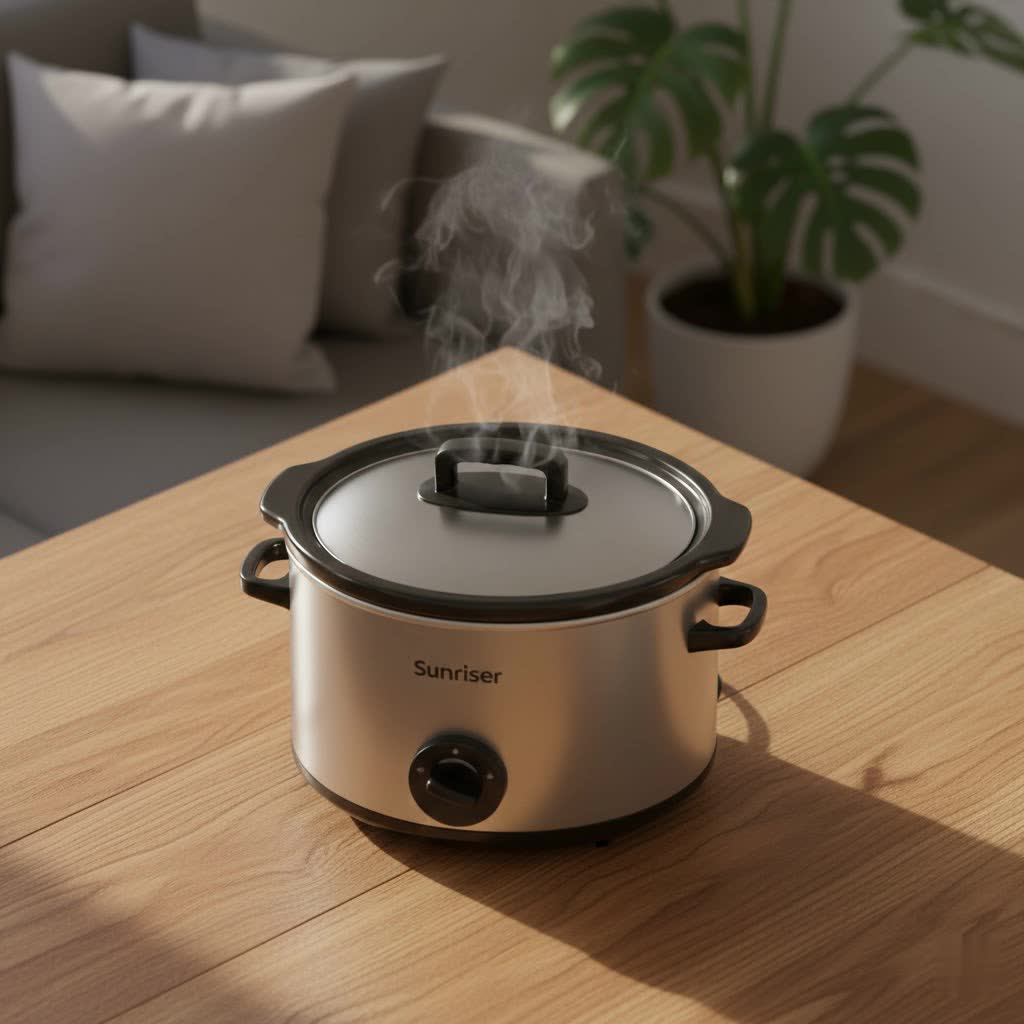
Are you tired of spending countless hours in the kitchen, sacrificing precious time with family or pursuing your passions? Imagine coming home to a perfectly cooked, warm meal, infused with deep flavors, all with minimal effort. This dream becomes a reality with the humble yet powerful slow cooker. As a seasoned technician with over a decade of hands-on experience in the world of slow cooking, from the most basic models to smart, tech-integrated appliances, I’m here to demystify this essential kitchen companion. This guide will equip you with all the knowledge needed to choose the ideal slow cooker that aligns with your family’s needs and budget, transforming your daily meal prep.
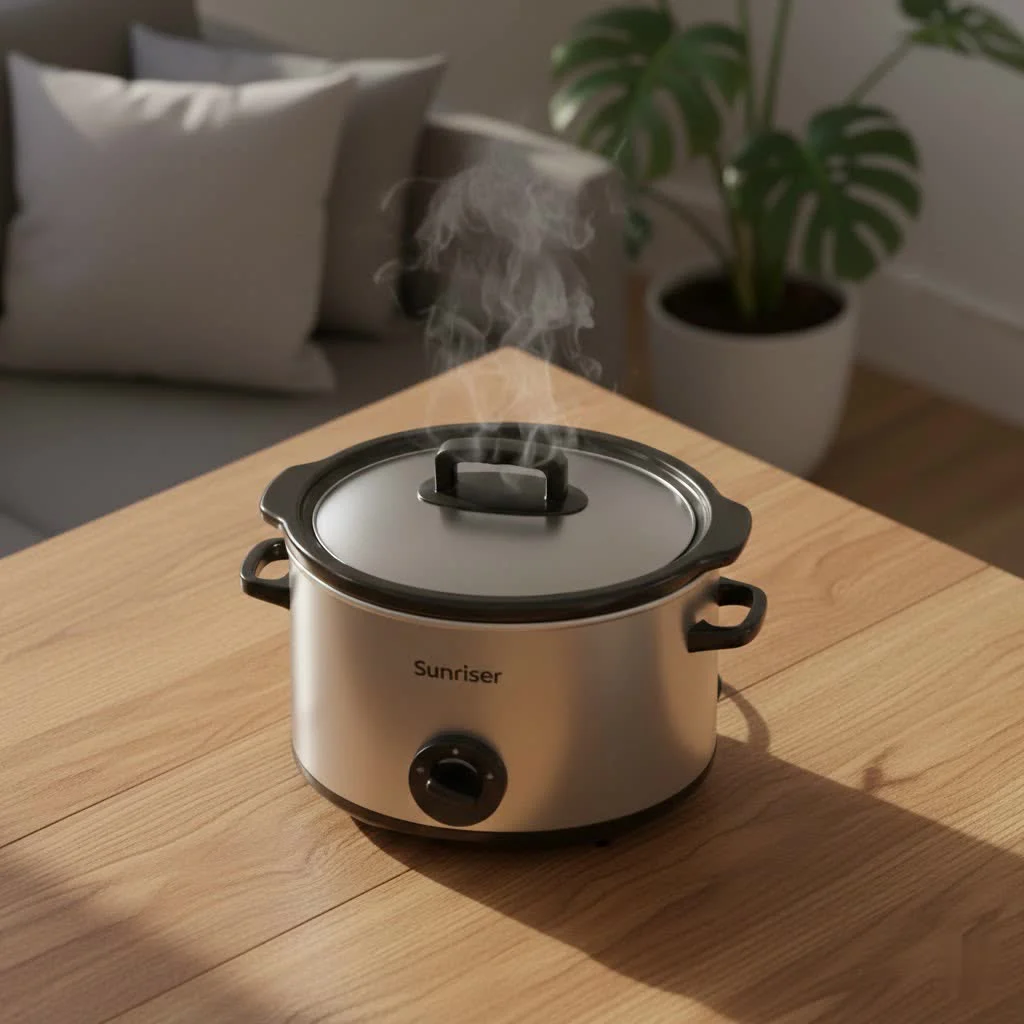
What is a Slow Cooker?
A slow cooker, often popularly known by the brand name Crock-Pot, is an electric cooking appliance designed to simmer food at a low temperature over several hours. Its core principle involves sustained, gentle heat, which breaks down tough cuts of meat, tenderizes vegetables, and allows flavors to meld beautifully. The invention of the slow cooker can be traced back to the early 20th century, evolving from a bean pot design to the countertop appliance we recognize today, becoming a staple in American households by the 1970s.
The appliance typically consists of three main parts: an outer heating unit, a removable inner pot (often ceramic or stoneware), and a lid (usually glass). The heating elements are located at the base and sides of the outer unit, providing even, consistent heat. The heavy, tight-fitting lid traps moisture and heat, creating a self-basting environment that keeps food from drying out and enhances flavor development. This design allows for long cooking times without constant supervision, making it a perfect solution for busy individuals and families.
Advantages and Disadvantages of Slow Cookers
Like any kitchen appliance, slow cookers come with their own set of pros and cons. Understanding these can help you determine if a slow cooker is the right fit for your culinary lifestyle.
Advantages
Slow cookers offer a myriad of benefits that make them a beloved appliance in many homes:
- Time and Effort Saving: Perhaps the most significant advantage is the ability to “set it and forget it.” You can load ingredients in the morning and return to a fully cooked meal in the evening, freeing up your day for other activities.
- Flavor and Nutrition Preservation: The low and slow cooking method is excellent for developing rich, deep flavors, especially in stews, roasts, and chilis. It also helps to retain nutrients that might be lost with higher-heat cooking methods, and the moist environment prevents food from drying out.
- Versatility in Meals: From hearty main courses and comforting soups to delicious desserts and even breakfast dishes, a slow cooker can handle a surprising variety of recipes. It’s particularly adept at cooking tougher, less expensive cuts of meat into tender, succulent dishes.
- Safety and Ease of Use: Slow cookers are incredibly safe. They operate at low temperatures, reducing the risk of burns compared to stovetop cooking, and they consume less electricity than a conventional oven for long cooking periods. Their simple controls make them easy for anyone to operate.
- Cost-Effective: By allowing you to use cheaper cuts of meat and prepare meals from scratch, a slow cooker can significantly reduce your grocery budget.
Disadvantages
|
Our Picks for the Best Slow Cooker in 2026
As an Amazon Associate I earn from qualifying purchases.
|
||
| Num | Product | Action |
|---|---|---|
| 1 | Ninja MC1101 Foodi Everyday Possible Cooker Pro, 8-in-1 Versatility, One-Pot Faster Cooking Replaces 10 Tools, Family-Sized Capacity with Adjustable Temp Control, 6.5 quarts, Midnight Blue |

|
| 2 | Crock-Pot 6 Quart Cook & Carry Programmable Slow Cooker with Digital Timer Stainless Steel (CPSCVC60LL-S) pack of 1 |
|
| 3 | Ninja MC1001 Foodi PossibleCooker PRO 8.5 Quart Multi-Cooker, with 8-in-1 Slow Cooker, Dutch Oven, Steamer, Glass Lid Integrated Spoon, Nonstick, Oven Safe Pot to 500°F, Sea Salt Gray |
|
| 4 | 8-Quart Digital Programmable Slow Cooker with Timer - Small Kitchen Appliance for Family Dinners - Serves 10+ People - Heat Settings: Keep Warm, Low and High |
|
| 5 | 3.2L Natural Unglazed Earthenware Casserole,Yixing Zisha Clay Pot for Cooking, Healthy Slow Cooker for Soup, Stew, Rice -Zhuni,Red |
|
| 6 | Crock-Pot Large 8-Quart Programmable Slow Cooker with Auto Warm Setting Black Stainless Steel |
|
| 7 | Crock-Pot 7 Quart Oval Manual Slow Cooker, Stainless Steel (SCV700-S-BR), Versatile Cookware for Large Families or Entertaining |
|
| 8 | 3.2L Natural Unglazed Earthenware Casserole,Yixing Zisha Clay Pot for Cooking, Healthy Slow Cooker for Soup, Stew, Rice -Zini,Purple |
|
| 9 | Crock-Pot 6 Quart Programmable Slow Cooker with Timer and Auto Food Warmer Setting, Stainless Steel |
|
| 10 | Ninja® 12-in-1 PossibleCooker™ PLUS - 8.5-qt - Sous Vide & Proof Multi-Cooker - Slow Cooker, Dutch Oven & More - Glass Lid & Integrated Spoon - Nonstick - Oven Safe Pot to 500°F - Black - MC1010 |
|
While the advantages are compelling, slow cookers also have some limitations:
- Extended Cooking Time: This is inherent to the “slow” in slow cooker. Meals typically take several hours (4-8 hours on high, 6-10+ hours on low), meaning spontaneous meals are not its forte.
- Limited Temperature Control: Most basic models offer only “Low,” “High,” and “Warm” settings. While programmable models offer more precision, they still don’t provide the minute-by-minute temperature adjustments possible with stovetop or oven cooking.
- Risk of Overcooking: If cooked for too long, some delicate foods, particularly vegetables, can become overly soft or mushy. Leaner meats can also dry out if left for excessively long periods.
- Size and Storage: Slow cookers, especially larger models, can be bulky and take up considerable counter or storage space. This might be a concern for those with smaller kitchens.
Popular Types of Slow Cookers
Slow cookers come in various forms, each offering different features and catering to specific needs.
Classification by Shape
The shape of the inner pot often dictates what types of food are best suited for the appliance:
- Round Slow Cookers: These are common for smaller capacities and are ideal for soups, stews, chilis, and smaller cuts of meat. They fit well in compact kitchens.
- Oval Slow Cookers: More versatile than round models, oval slow cookers are perfect for larger cuts of meat like whole chickens, roasts, or racks of ribs, as well as for bigger batches of food.
- Square Slow Cookers: Less common, but offer a good compromise between round and oval, sometimes better for certain casseroles or dishes with distinct layers.
Classification by Material
The material of the inner pot is crucial for heat distribution, durability, and cleaning:
- Ceramic/Stoneware Pots: These are the most traditional and common. They excel at even heat distribution and retention, leading to consistently cooked food. They are often dishwasher-safe but can be heavy and prone to cracking if dropped or subjected to extreme temperature changes.
- Metal Pots (Non-stick or Stainless Steel): Lighter than ceramic, some metal pots are stovetop-safe, allowing you to sear ingredients directly in the pot before slow cooking, which adds a layer of flavor without extra dirty pans. They heat up faster but may not retain heat as evenly as ceramic.
Classification by Features
Modern slow cookers boast an array of features, from basic to highly advanced:
- Manual Slow Cookers: These are the simplest, typically offering only “Low,” “High,” and “Warm” settings controlled by a dial. They are affordable and reliable for basic slow cooking.
- Programmable Slow Cookers: These models allow you to set a specific cooking time, after which the cooker often automatically switches to a “Keep Warm” setting. This is invaluable for those who are away from home for extended periods.
- Multi-functional Slow Cookers: These versatile appliances combine slow cooking with other functions like pressure cooking, searing, steaming, and even sous vide. They are great space-savers and offer expanded culinary possibilities, though they tend to be more expensive.
Comparing Different Slow Cookers
To help you navigate the options, here’s a detailed comparison table of various slow cooker types.
| Feature / Type | Manual Slow Cooker | Programmable Slow Cooker | Multi-functional Slow Cooker |
|---|---|---|---|
| Price Range | Low ($30-$60) | Mid-range ($50-$120) | High ($100-$300+) |
| Ease of Use | Very easy, simple dial | Easy, digital controls | Moderate, more settings to learn |
| Capacity Options | Small to large (1.5 – 8 quarts) | Small to large (3 – 10 quarts) | Medium to large (6 – 10 quarts) |
| Control | Basic (Low/High/Warm) | Time setting, auto warm | Precise temperature, multiple modes |
| Convenience | Requires manual switch to warm | Automatically keeps food warm | Highly convenient, fewer appliances needed |
| Best For | Basic recipes, budget-conscious | Busy schedules, consistent results | Versatile cooks, small kitchens |
| Example Brands | Crock-Pot (basic), Hamilton Beach (basic) | Crock-Pot, Hamilton Beach, Cuisinart | Instant Pot, Ninja Foodi, Crock-Pot Express |
| Common Materials | Ceramic, Stoneware | Ceramic, Stoneware, Non-stick Metal | Stainless Steel, Non-stick Metal |
How to Choose the Right Slow Cooker (Buying Guide)
Choosing the perfect slow cooker involves considering several factors to match your cooking habits and lifestyle.
1. Determine Your Usage Needs
Before diving into models, think about how you’ll primarily use your slow cooker:
- Household Size: How many people will you typically be cooking for? This is the most critical factor for determining capacity.
- Frequency of Use: Will you use it daily, weekly, or just for special occasions?
- Types of Meals: Do you mostly make soups and stews, or do you plan to cook larger roasts and whole poultry?
- Budget: Slow cookers vary widely in price. Determine what you’re willing to spend.
2. Select the Appropriate Capacity
Capacity is measured in quarts and directly impacts the size of meals you can prepare.
- Small (1.5 – 3 quarts): Ideal for 1-2 people, dips, appetizers, or side dishes. A 3-quart model is perfect for a small roast or a couple of chicken breasts.
- Medium (3 – 5 quarts): Suitable for 3-4 people, standard family meals, and smaller roasts. This is a popular size for everyday cooking.
- Large (5 – 7 quarts): Great for 4-6 people, larger family meals, medium-sized roasts, or batch cooking for meal prep.
- Extra-Large (8 – 10 quarts): Designed for large families (6+ people), entertaining, potlucks, or cooking whole chickens and substantial roasts. These are the largest typically available for home use.
Regarding the mention of a “33-quart crock pot,” it’s important to note that a slow cooker of this immense size is not a standard consumer appliance. Typical home slow cookers, even those considered “extra-large,” usually do not exceed 10-12 quarts. A 33-quart capacity would fall into the realm of commercial catering equipment, often referred to as commercial food warmers or soup kettles, designed for large-scale events or institutional use rather than family kitchens.
3. Choose the Pot Material
Consider the pros and cons of ceramic/stoneware versus metal pots based on your priorities:
- Ceramic/Stoneware: Excellent heat retention and even cooking, but heavier and more fragile. Great for traditional slow cooking.
- Metal (Non-stick/Stainless Steel): Lighter, often stovetop-safe for searing, but may not hold heat as long. Ideal for those who value versatility and easy searing.
4. Essential Features to Look For
Modern slow cookers offer a range of features that enhance convenience and control:
- Heat Settings: Most come with Low, High, and Warm. “Low” cooks slower and is best for tenderizing, “High” is faster, and “Warm” keeps food at serving temperature without further cooking.
- Programmable Timer: A must-have for busy individuals. It allows you to set the cooking duration, after which it automatically switches to “Keep Warm.”
- Delay Start: Some advanced models let you set a delay before cooking begins, useful if you want food to start cooking later in the day.
- Lid Lock/Carry Handles: Essential for portability if you plan to transport your slow cooker to potlucks or parties.
- Dishwasher-Safe Pot and Lid: Simplifies cleanup significantly.
- Digital Display: Provides clear readouts of time and settings.
- Temperature Probe: Found in some high-end models, it allows you to cook meat to a specific internal temperature, ensuring perfect results.
5. Reputable Brands
Investing in a well-known brand often ensures quality, durability, and customer support. Some highly-rated slow cooker brands include:
- Crock-Pot: The original and most recognized name, offering a wide range of models from basic to advanced.
- Hamilton Beach: Known for reliable, feature-rich slow cookers at competitive prices.
- Cuisinart: Offers premium slow cookers with robust construction and advanced features.
- Ninja Foodi / Instant Pot: Popular for their multi-functional appliances that often include slow cooking capabilities.
Top Slow Cookers Available Today (Examples)
While I cannot provide real-time product reviews, here are examples of types of slow cookers that are consistently well-regarded and illustrate what to look for:
- Crock-Pot Programmable 6-Quart Slow Cooker: A classic choice, offering reliable performance, programmable timing, and a good capacity for most families.
- Hamilton Beach Set & Forget 6-Quart Programmable Slow Cooker: Often praised for its temperature probe, which ensures meats are cooked to perfection, and its clip-tight lid for portability.
- Ninja Foodi PossibleCooker PRO 8.5-Quart Multi-Cooker: For those seeking versatility, this appliance offers slow cooking alongside functions like searing, steaming, and baking, making it a true kitchen workhorse. It features an extra-large capacity suitable for large gatherings.
How to Use and Maintain Your Slow Cooker
Maximizing the lifespan and performance of your slow cooker requires proper usage and care.
Safe and Effective Usage
- Read the Manual: Always start by reading your specific model’s instruction manual for detailed guidelines.
- Fill Correctly: For best results, fill your slow cooker at least half full, but no more than two-thirds full. Overfilling can lead to uneven cooking or overflow.
- Layer Ingredients: Place harder, root vegetables at the bottom and sides, as they cook slower. Meats go next, followed by softer vegetables and liquids.
- Avoid Lifting the Lid: Each time you lift the lid, the internal temperature can drop by 10-15 degrees Fahrenheit, adding 20-30 minutes to the cooking time. Only lift if absolutely necessary.
- Defrost First: Always use thawed ingredients, especially meat. Frozen meat can drop the internal temperature too much, potentially putting food in the “danger zone” for bacterial growth.
- Don’t Overcook: While forgiving, slow cookers can overcook. Follow recipe times, especially for delicate ingredients.
- Searing for Flavor: Searing meat or sautéing aromatics (onions, garlic) in a separate pan before adding them to the slow cooker can significantly deepen the flavor profile of your dish. If your slow cooker has a stovetop-safe insert or a “sear” function, utilize it.
Cleaning and Maintenance
- Always Unplug: Ensure the slow cooker is unplugged and cooled completely before cleaning.
- Dishwasher-Safe Components: Most removable stoneware or ceramic pots and glass lids are dishwasher-safe. Refer to your manual to confirm.
- Hand Washing: For stubborn food residue, soak the pot in warm, soapy water before scrubbing. Avoid abrasive cleaners or scouring pads that can damage the surface.
- Exterior Cleaning: Wipe down the exterior heating unit with a damp cloth. Never immerse the heating unit in water.
- Inspect Regularly: Check the power cord for any damage and ensure the heating elements are clean and clear of debris.
- Storage: Store the lid upside down on the pot with a paper towel inside to allow air circulation and prevent odors or moisture buildup.
Common Issues and Troubleshooting
- Food Not Cooking: Ensure the slow cooker is plugged in and turned on. Check that the lid is securely in place. If it’s an older model, the heating element might be failing.
- Food Overcooked/Mushy: You might be cooking for too long or on too high a setting. Adjust cooking times or switch to the “Low” setting for more delicate ingredients.
- Uneven Cooking: This can happen if the pot is overfilled or if ingredients are not layered correctly. Ensure denser items are closer to the heat source.
- Lid Doesn’t Fit Snugly: Over time, lids can warp slightly. A loose lid allows steam to escape, affecting cooking time and moisture. Consider replacing the lid if it’s severely compromised.
Conclusion
The slow cooker stands as a testament to convenient cooking, transforming raw ingredients into delicious, comforting meals with minimal fuss. From simplifying weeknight dinners to effortlessly preparing large feasts for gatherings, its ability to deliver tender, flavorful results while freeing up your time is unparalleled. By understanding the different types, capacities, and features available, you can confidently select the perfect slow cooker to become an indispensable part of your kitchen arsenal. Embrace the low-and-slow philosophy, and discover a world where great meals are easy to achieve, fitting seamlessly into your busy life.
What delicious slow cooker creation will you whip up first?
Frequently Asked Questions
Is it safe to leave a slow cooker on all day while I’m at work?
Yes, modern slow cookers are designed to be safe for unattended operation throughout the day. They have insulated bodies, sealed lids, and operate at low temperatures, minimizing fire risks. Many programmable models will automatically switch to a “Keep Warm” setting after the cooking cycle is complete, ensuring your food stays safe until you return.
Can I put frozen meat directly into a slow cooker?
It is generally not recommended to put frozen meat directly into a slow cooker. The slow heating process can keep the meat in the “danger zone” (between 40°F and 140°F or 4°C and 60°C) for too long, allowing harmful bacteria to multiply. Always thaw meat thoroughly in the refrigerator before adding it to your slow cooker for safe cooking.
What’s the difference between a slow cooker and a Dutch oven?
While both are excellent for low-and-slow cooking, a slow cooker is an electric appliance that maintains a consistent, controlled temperature without external heat, making it ideal for unattended cooking. A Dutch oven is a heavy pot, usually cast iron, that is used on a stovetop or in an oven, requiring more monitoring of heat and often more manual intervention.
Can you sear meat in a slow cooker?
Most traditional slow cookers do not have a high enough temperature setting to effectively sear meat. Searing is typically done on a stovetop in a separate pan to create a browned crust and deepen flavors before transferring the meat to the slow cooker. However, some multi-cookers or newer slow cooker models feature a “sear” function or come with stovetop-safe inserts, allowing you to sear directly in the pot.
Cooking gear we tested in our own kitchens
Free PDF — preheat times measured on 10 popular air fryers.
