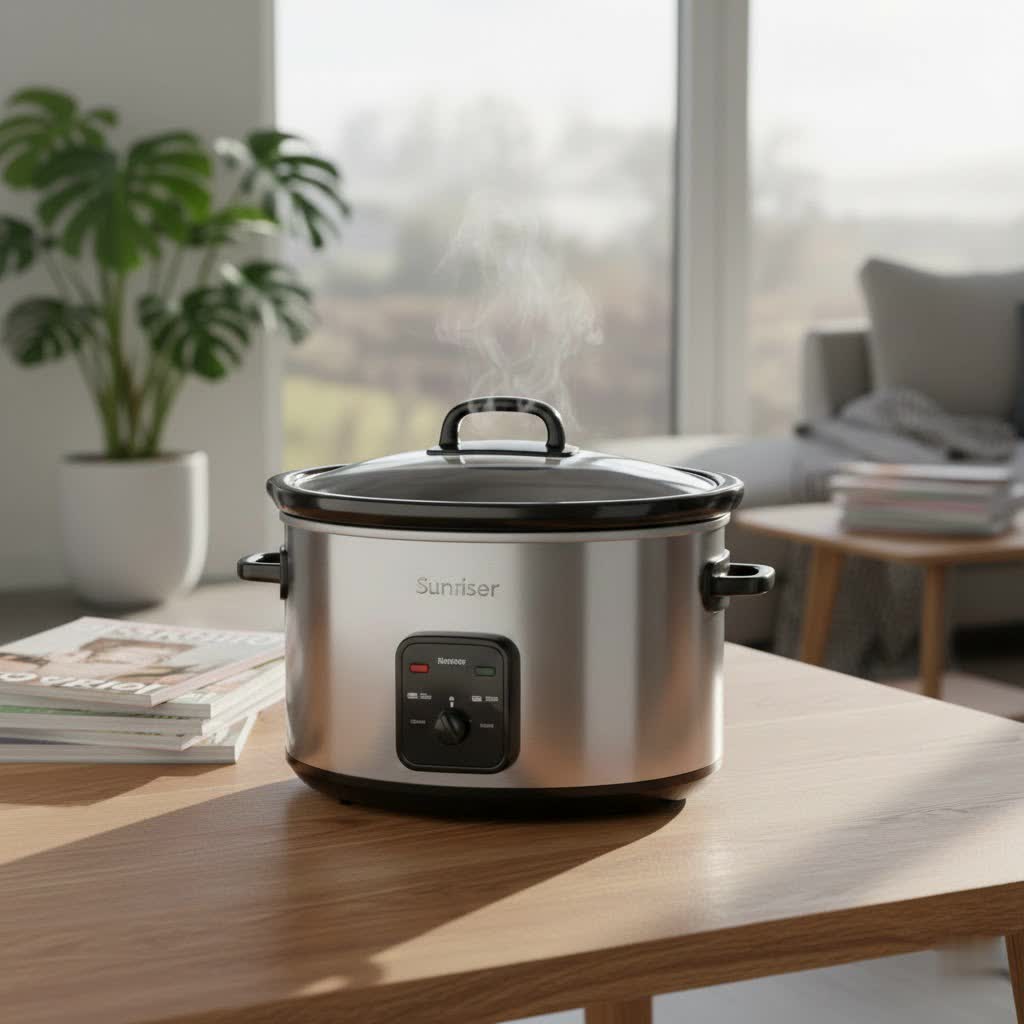
Cooking nourishing meals for your family shouldn’t be a daily struggle. If you’ve ever dreamt of effortlessly preparing delicious dishes that are ready when you are, then a slow cooker is your kitchen’s unsung hero. As an expert with over a decade dedicated to mastering these versatile appliances, from the simplest models to the most advanced smart cookers, I’ve personally put hundreds through their paces. This guide cuts through the noise to provide the in-depth knowledge and practical insights you need to confidently choose the best slow cooker for your home, aligning perfectly with your lifestyle and budget.
What is a Slow Cooker?
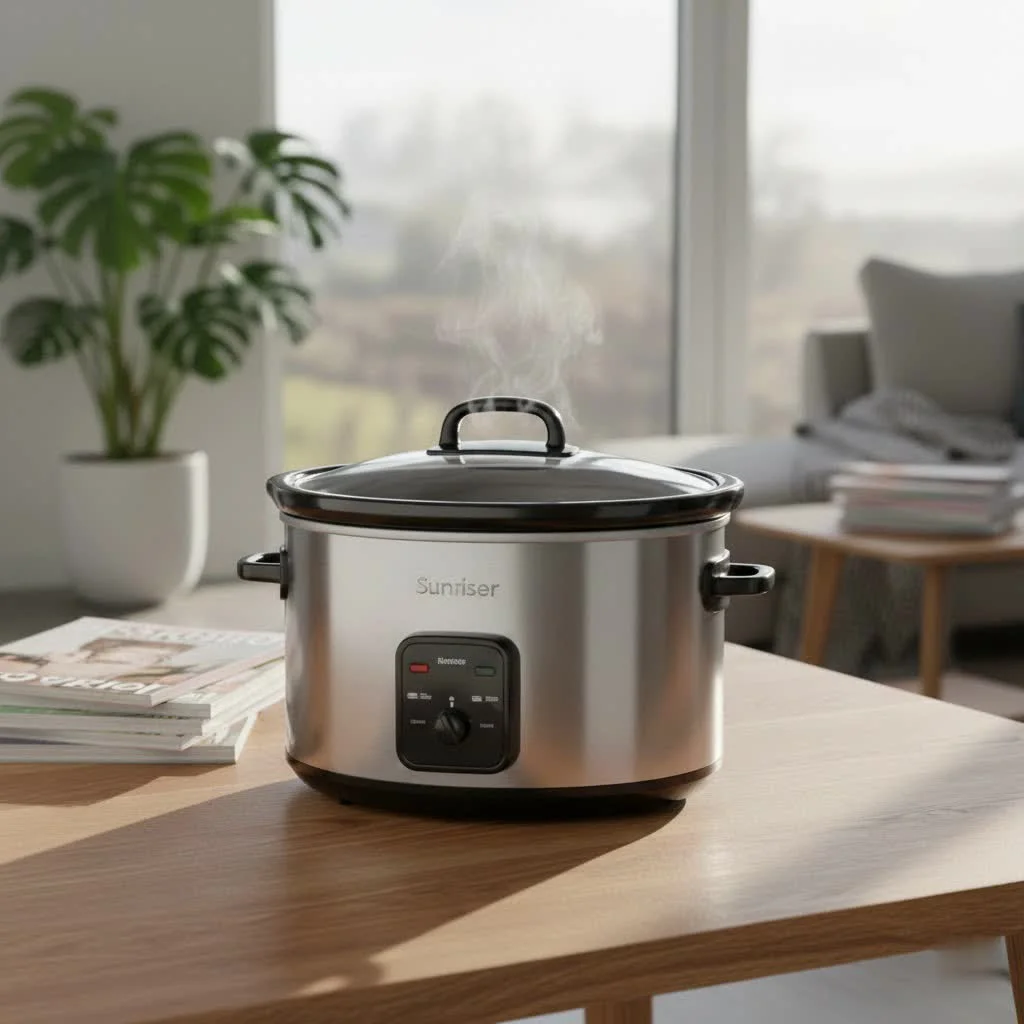
A slow cooker, often generically referred to as a Crock-Pot, is an electric countertop appliance designed to cook food at a low temperature over an extended period. Its fundamental principle involves gentle, consistent heat distribution, typically ranging from 180°F to 210°F. This slow and steady method breaks down tough fibers in meat and allows flavors to meld beautifully, resulting in tender, flavorful dishes that are often impossible to achieve with conventional cooking methods. For explore our slow cooker reviews on this site.
The history of the slow cooker dates back to the 1950s, though its widespread popularity truly began in 1971 when the Naxon Utilities Corporation’s “Beanery” was acquired by Rival Manufacturing and rebranded as the iconic “Crock-Pot.” It was marketed as a revolutionary convenience for busy families, allowing home cooks to prepare ingredients in the morning and return to a fully cooked meal.
A typical slow cooker comprises three main components:
- Outer Housing: This insulated casing contains the heating element.
- Removable Crock/Insert: Made from ceramic, stoneware, or sometimes metal, this is where the food is placed for cooking. Its heavy construction helps retain heat evenly.
- Lid: Usually made of glass, allowing you to peek at your meal without releasing heat. The lid traps moisture, ensuring food remains tender and succulent.
Advantages and Disadvantages of Slow Cookers
Like any kitchen appliance, slow cookers come with their own set of pros and cons. Understanding these can help you decide if it’s the right fit for your cooking style.
Advantages
- Time and Effort Saving: One of the most significant benefits is the “set it and forget it” convenience. You can prepare ingredients in the morning, combine them in the pot, and let it cook throughout the day, returning home to a ready-to-eat meal. This dramatically cuts down on active cooking time.
- Flavor and Nutrition Retention: The low-temperature, moist-heat environment is excellent for developing deep, rich flavors. It also helps preserve nutrients that might be lost with higher-heat cooking, especially in vegetables. The sealed lid keeps moisture locked in, preventing food from drying out.
- Versatile Meal Preparation: Slow cookers are incredibly versatile, capable of preparing a wide array of dishes from savory stews, soups, chili, and roasts to desserts, oatmeal, and even bread. Many models also offer features for browning or searing, expanding their utility.
- Safety and Ease of Use: Modern slow cookers are designed with safety in mind. They typically have simple controls, often just “High,” “Low,” and “Warm” settings. They operate safely unattended for hours, making them ideal for busy individuals.
- Budget-Friendly: Slow cooking is excellent for tenderizing less expensive cuts of meat, allowing you to enjoy delicious meals without breaking the bank. It also encourages more home cooking, which is generally more economical than eating out.
Disadvantages
|
Our Picks for the Best Slow Cooker in 2026
As an Amazon Associate I earn from qualifying purchases.
|
||
| Num | Product | Action |
|---|---|---|
| 1 | Crock-Pot Large 8-Quart Programmable Slow Cooker with Auto Warm Setting Black Stainless Steel |

|
| 2 | Crock-Pot 6 Quart Programmable Slow Cooker with Timer and Auto Food Warmer Setting, Stainless Steel |
|
| 3 | Ninja® 12-in-1 PossibleCooker™ PLUS - 8.5-qt - Sous Vide & Proof Multi-Cooker - Slow Cooker, Dutch Oven & More - Glass Lid & Integrated Spoon - Nonstick - Oven Safe Pot to 500°F - Black - MC1010 |
|
| 4 | Ninja MC1101 Foodi Everyday Possible Cooker Pro, 8-in-1 Versatility, One-Pot Faster Cooking Replaces 10 Tools, Family-Sized Capacity with Adjustable Temp Control, 6.5 quarts, Midnight Blue |
|
| 5 | Crock-Pot 7 Quart Oval Manual Slow Cooker, Stainless Steel (SCV700-S-BR), Versatile Cookware for Large Families or Entertaining |
|
| 6 | 3.2L Natural Unglazed Earthenware Casserole,Yixing Zisha Clay Pot for Cooking, Healthy Slow Cooker for Soup, Stew, Rice -Zhuni,Red |
|
| 7 | Crock-Pot 6 Quart Cook & Carry Programmable Slow Cooker with Digital Timer Stainless Steel (CPSCVC60LL-S) pack of 1 |
|
| 8 | 3.2L Natural Unglazed Earthenware Casserole,Yixing Zisha Clay Pot for Cooking, Healthy Slow Cooker for Soup, Stew, Rice -Zini,Purple |
|
| 9 | Ninja MC1001 Foodi PossibleCooker PRO 8.5 Quart Multi-Cooker, with 8-in-1 Slow Cooker, Dutch Oven, Steamer, Glass Lid Integrated Spoon, Nonstick, Oven Safe Pot to 500°F, Sea Salt Gray |
|
| 10 | 8-Quart Digital Programmable Slow Cooker with Timer - Small Kitchen Appliance for Family Dinners - Serves 10+ People - Heat Settings: Keep Warm, Low and High |
|
- Extended Cooking Time: As the name suggests, slow cookers require long cooking periods, typically 4-8 hours for most recipes. This means they are not suitable for last-minute meal preparation or quick weeknight dinners unless you’ve done the prep work much earlier.
- Challenging Temperature Precision: While some advanced models offer more precise temperature control, many basic slow cookers have a limited range of settings (High, Low, Warm). This can sometimes make it difficult to achieve very specific cooking results, and internal temperatures can vary slightly between models.
- Risk of Overcooking: If left for too long, or if the recipe isn’t adjusted correctly, some dishes can become mushy or overly soft. Delicate ingredients, particularly certain vegetables or pasta, need to be added later in the cooking process to prevent them from breaking down entirely.
- Countertop Footprint: Slow cookers, especially larger capacity models, can take up a fair amount of counter space. For kitchens with limited space, this can be a consideration for storage and daily use.
Popular Types of Slow Cookers
Slow cookers come in various designs, materials, and with different feature sets. Understanding these classifications can guide you toward the best choice for your kitchen.
Classified by Shape
The shape of a slow cooker often dictates the types of food it can accommodate most effectively.
- Round Slow Cookers: These are typically smaller in capacity, ideal for single servings, dips, or small meals. Their compact design makes them easy to store.
- Square Slow Cookers: Offer a slightly more efficient use of space compared to round models for certain dishes, though they are less common than round or oval.
- Oval Slow Cookers: The most popular shape, oval slow cookers are excellent for cooking larger cuts of meat like roasts, whole chickens, or ribs, as they accommodate longer items more easily. They are also versatile enough for soups and stews.
Classified by Material
The material of the inner pot (crock) affects cooking performance and cleaning.
- Ceramic/Stoneware Inserts: These are the most traditional and common. They distribute and retain heat exceptionally well, ensuring even cooking and preventing hot spots. They are generally heavy, durable, and often oven-safe and dishwasher-safe for easy cleaning.
- Metal Inserts (Non-Stick or Stainless Steel): Lighter than ceramic, metal inserts often feature non-stick coatings, making cleanup very easy. Some metal inserts are stovetop-safe, allowing you to sear or brown ingredients before slow cooking, which adds depth of flavor to your dishes.
Classified by Features
Modern slow cookers range from basic to highly advanced, catering to different user preferences.
- Manual Slow Cookers: These are the simplest models, typically offering “High,” “Low,” and “Warm” settings with a manual switch. They are straightforward, reliable, and generally the most affordable option, but require you to manually turn them off or switch to “Warm.”
- Programmable/Digital Slow Cookers: These models allow you to set a specific cooking time, after which the cooker automatically switches to a “Keep Warm” setting. This feature is invaluable for busy schedules, ensuring food doesn’t overcook. They often include digital displays and buttons for precise control.
- Multi-Cookers with Slow Cooker Function: Appliances like the Instant Pot or certain Cuisinart models combine several functions, including pressure cooking, sautéing, steaming, and slow cooking. While offering incredible versatility, their slow cooker function might not always perform as well as a dedicated slow cooker. However, the ability to brown ingredients in the same pot before slow cooking is a significant advantage.
Comparing Slow Cooker Types
To help you visualize the differences, here’s a comparison table summarizing key aspects of popular slow cooker types.
| Feature | Manual Slow Cooker | Programmable Slow Cooker | Multi-Cooker (with Slow Cooker function) |
|---|---|---|---|
| Price Range | $25 – $60 | $50 – $120 | $80 – $200+ |
| Ease of Use | Very Simple | Simple | Moderate (due to multiple functions) |
| Control | Basic (High/Low/Warm) | Timed Cooking, Auto Warm | Digital, Many presets, Specific temps |
| Capacity | Small to Large | Medium to Large | Medium to Large |
| Pot Material | Ceramic, Stoneware | Ceramic, Stoneware, Metal | Metal (often non-stick) |
| Versatility | Limited to Slow Cooking | Limited to Slow Cooking | High (Pressure cook, Sauté, Steam, etc.) |
| Best For | Budget, Simplicity | Busy schedules, Automation | Small kitchens, Advanced cooks |
| Common Brands | Crock-Pot, Hamilton Beach | Crock-Pot, Hamilton Beach, GreenLife | Instant Pot, Cuisinart |
Guide to Choosing a Slow Cooker (Buying Guide)
Selecting the perfect slow cooker involves balancing your individual needs with the array of options available. Consider these factors before making your purchase.
Determine Your Usage Needs
Before diving into features, think about how you plan to use your slow cooker.
- Family Size: How many people will you typically be cooking for? A single person or couple might only need a 2-3 quart model, while a family of four to six will likely need a 5-6 quart, and larger families or those who meal prep might prefer 7-8 quarts.
- Common Dishes: What types of meals do you envision making? If you frequently cook roasts or whole chickens, an oval shape is essential. For soups, stews, or dips, round or smaller oval models work well.
- Budget: Slow cookers range widely in price. Determine how much you’re willing to spend, keeping in mind that more features often mean a higher cost.
Choose the Right Capacity
Capacity is measured in quarts (or liters) and is crucial for optimal cooking and serving.
- Small (Under 3 Quarts): Ideal for dips, side dishes, single servings, or small appetizers. Perfect for individuals or couples.
- Medium (3-5 Quarts): Great for 2-4 people. Suitable for smaller roasts, stews, and casseroles. This is a very popular size for average family meals.
- Large (Over 5 Quarts): Best for families of 5 or more, entertaining, or meal prepping larger batches. Typically 6-8 quarts, these can handle big roasts, whole poultry, and large quantities of chili or soup.
Select Pot Material
The material of the removable insert impacts cooking and cleaning.
- Ceramic or Stoneware: Excellent heat retention and even cooking. Often heavier and more fragile if dropped, but generally dishwasher-safe. Best for traditional slow cooking.
- Metal (Non-Stick): Lighter and more durable, often with a non-stick coating for easier cleanup. Some are stovetop-safe, allowing for browning ingredients directly in the pot, which simplifies the cooking process and enhances flavor.
Essential Features
Consider which features will genuinely enhance your slow cooking experience.
- Cooking Modes: Most will have High, Low, and Warm. High cooks faster, Low cooks slower, and Warm holds food at serving temperature without continuing to cook it significantly.
- Programmable Timer: This is a highly recommended feature. It allows you to set a specific cooking duration (e.g., 6 hours on Low), and once done, the slow cooker automatically switches to a “Keep Warm” setting, preventing overcooking and keeping your meal ready for hours.
- Keep Warm Function: Essential for convenience, ensuring your meal stays hot without continuing to cook, even if you’re delayed.
- Lid Lock/Carry Handles: For potlucks or transporting food, a lid with a secure locking mechanism and sturdy handles is invaluable.
- Child Lock: Some advanced models include this safety feature, preventing accidental changes to settings.
- Digital Display: Offers clear visibility of cooking time and settings.
Reputable Brands
Many brands offer excellent slow cookers. Some highly-rated and well-known options include:
- Crock-Pot: The original and often the benchmark for slow cookers, offering a wide range of models from basic to advanced.
- Hamilton Beach: Known for reliable, feature-rich slow cookers at competitive price points. Their “Set & Forget” models are particularly popular.
- Cuisinart: Often produces multi-cookers with robust slow cooking capabilities, known for quality construction and versatility.
- GreenLife: Gaining popularity for non-toxic ceramic non-stick inserts and often vibrant color options, providing impressive heat distribution.
- Instant Pot: While primarily a pressure cooker, many Instant Pot models include a slow cook function, offering excellent versatility in one appliance.
Top Slow Cookers for Your Kitchen
While “best of” lists are constantly updated, certain models consistently receive high praise for their performance, reliability, and innovative features, making them strong contenders regardless of the year. Here are a few notable examples that have stood the test of time and would have been excellent choices in 2022 and beyond:
-
Cuisinart Cook Central 3-in-1 Multicooker (6-Quart): This appliance stands out for its versatility, offering slow cooking, browning/sautéing, and steaming functions all in one pot. Its shallow, rectangular shape is excellent for even heat distribution and allows for easy browning of meats before slow cooking, adding immense flavor. It’s often praised for its intuitive digital interface and consistent cooking results. While a premium option, its multi-functionality can save counter space.
-
Hamilton Beach Set & Forget Programmable Slow Cooker (6-Quart): A perennial favorite, the “Set & Forget” lives up to its name. It’s lauded for its user-friendly programmable timer, which automatically shifts to a warm setting after cooking is complete. Many models include a temperature probe for precise cooking of meats, ensuring they reach desired doneness without overcooking. The clip-tight lid and sturdy handles also make it ideal for transporting meals.
-
GreenLife Cook Duo Slow Cooker (6-Quart): For those prioritizing health and non-toxic cooking, the GreenLife Cook Duo is a standout. It features a ceramic insert made from sand, free of PFAS, PFOA, lead, and cadmium. Reviewers often highlight its excellent heat distribution and the convenience of being stovetop and oven safe. Its simple, effective “High,” “Low,” and “Warm” settings, combined with a delay timer, offer a reliable and healthier slow cooking experience in a compact and often aesthetically pleasing package.
-
Crock-Pot 8-Quart Programmable Slow Cooker: For larger families or avid entertainers, an 8-quart Crock-Pot is an excellent choice. This model typically offers programmable settings, allowing you to set cooking times and automatically switch to a “Warm” function. Its spacious oval design comfortably fits large roasts, whole poultry, and big batches of chili, making it a workhorse for substantial meals. Its reliability and capacity make it a consistent top pick for bigger cooking needs.
How to Use and Maintain Your Slow Cooker
To ensure safety, efficiency, and longevity of your slow cooker, proper usage and maintenance are key.
Safe and Effective Usage
- Read the Manual: Always start by reviewing your specific model’s instructions.
- Fill Appropriately: Never fill the slow cooker more than two-thirds full to prevent boil-overs. Conversely, avoid underfilling, as this can lead to overcooking or drying out, especially for smaller meals. A good rule of thumb is to fill it at least halfway.
- Liquids are Key: Slow cookers produce minimal evaporation, so you generally need less liquid than conventional recipes. Reduce liquids by about one-third unless the recipe specifically states otherwise.
- Preheat (Optional but Recommended): Some prefer to preheat the slow cooker on High for about 20 minutes before adding ingredients, especially for raw meat, to ensure it reaches cooking temperature more quickly.
- Lift the Lid Sparingly: Every time you lift the lid, the internal temperature drops significantly, extending the cooking time by as much as 20-30 minutes. Resist the urge to peek!
- Add Delicate Ingredients Later: Items like fresh herbs, dairy, and quick-cooking vegetables (peas, spinach) should be added closer to the end of the cooking cycle to maintain their texture and flavor.
Cleaning and Storage
- Unplug First: Always unplug your slow cooker and allow it to cool completely before cleaning.
- Wash the Insert and Lid: Most ceramic or stoneware inserts and glass lids are dishwasher-safe. For handwashing, use warm, soapy water and a non-abrasive sponge. For stubborn, stuck-on food, fill the crock with soapy water and let it soak for a few hours, or even overnight.
- Clean the Base: Wipe down the exterior housing with a damp cloth. Never immerse the electric base in water.
- Thorough Drying: Ensure all parts are completely dry before reassembling and storing to prevent mildew or electrical issues.
- Proper Storage: Store the slow cooker in a cool, dry place. You can store the lid upside down on the insert to save space and help with airflow.
Common Issues and Troubleshooting
- Food Not Cooking Through:
- Issue: Not enough liquid, too many cold ingredients, or incorrect setting/time.
- Fix: Ensure adequate liquid, allow frozen ingredients to thaw partially, or extend cooking time. Check that the unit is on the correct setting (High/Low, not Warm).
- Food Overcooked/Mushy:
- Issue: Cooked too long, too much liquid, or recipe not suited for slow cooking.
- Fix: Reduce cooking time, adjust liquid amounts, or add delicate items later. Consider a model with a programmable timer.
- Lid Doesn’t Seal Properly:
- Issue: Food build-up around the rim or a warped lid.
- Fix: Clean the rim thoroughly. If the lid is warped, it may need replacement.
- Food Sticks to the Bottom:
- Issue: Not enough liquid, cooking on too high a setting for too long, or an older/damaged non-stick surface.
- Fix: Ensure adequate liquid, try a liner, or consider replacing the crock if it’s heavily worn.
Conclusion
Choosing the best slow cooker for your home truly transforms your approach to meal preparation, offering an unparalleled blend of convenience, flavor, and economy. From effortlessly tender roasts to rich, simmering stews, this appliance empowers you to create nourishing dishes even on the busiest days. By considering your family’s size, preferred dishes, and desired features, you can confidently select a model that perfectly integrates into your lifestyle. Whether you opt for a simple manual unit or a feature-packed multicooker, the right slow cooker will quickly become an indispensable tool in your kitchen arsenal.
What culinary adventures will your new slow cooker inspire first?
Frequently Asked Questions
Can I put frozen meat directly into a slow cooker?
While some newer models are designed to handle cooking from frozen, it is generally recommended to thaw meat before adding it to a slow cooker. Placing frozen meat directly in the pot can keep the food in the “danger zone” (40°F – 140°F) for too long, promoting bacterial growth. Thawing ensures a safer and more evenly cooked meal.
Is it safe to leave a slow cooker unattended all day?
Yes, modern slow cookers are designed for safe, unattended operation. Their low-wattage heating elements and insulated construction make them very safe to leave on while you’re at work or running errands. Always ensure the cooker is placed on a flat, heat-resistant surface away from flammable materials.
What’s the difference between a slow cooker and a Crock-Pot?
“Crock-Pot” is a specific brand name, much like “Kleenex” is to facial tissues. A Crock-Pot is a type of slow cooker. All Crock-Pots are slow cookers, but not all slow cookers are Crock-Pots. The terms are often used interchangeably due to the brand’s long-standing popularity.
Can I brown meat in my slow cooker before cooking?
Only if your slow cooker has a specific “sauté” or “brown” function, or if it comes with a stovetop-safe insert. Otherwise, you should brown meat in a separate pan on the stove before transferring it to the slow cooker. Browning meat significantly enhances the flavor and color of your final dish.
How much liquid should I use in slow cooker recipes?
Slow cookers are very efficient at retaining moisture, so you generally need less liquid than in traditional stovetop or oven recipes. As a rule of thumb, reduce the amount of liquid by about one-third, unless the recipe specifically accounts for slow cooker cooking and provides precise measurements.
What are common capacities for slow cookers and who are they for?
Slow cookers typically range from 1.5 quarts to 8 quarts. Smaller 1.5-2 quart models are ideal for individuals, dips, or small side dishes. 3-4 quart models suit couples or small families (2-3 people). The most popular 5-6 quart size is perfect for families of 4-6. Larger 7-8 quart slow cookers are best for big families, entertaining, or meal prepping.
Cooking gear we tested in our own kitchens
Free PDF — preheat times measured on 10 popular air fryers.
