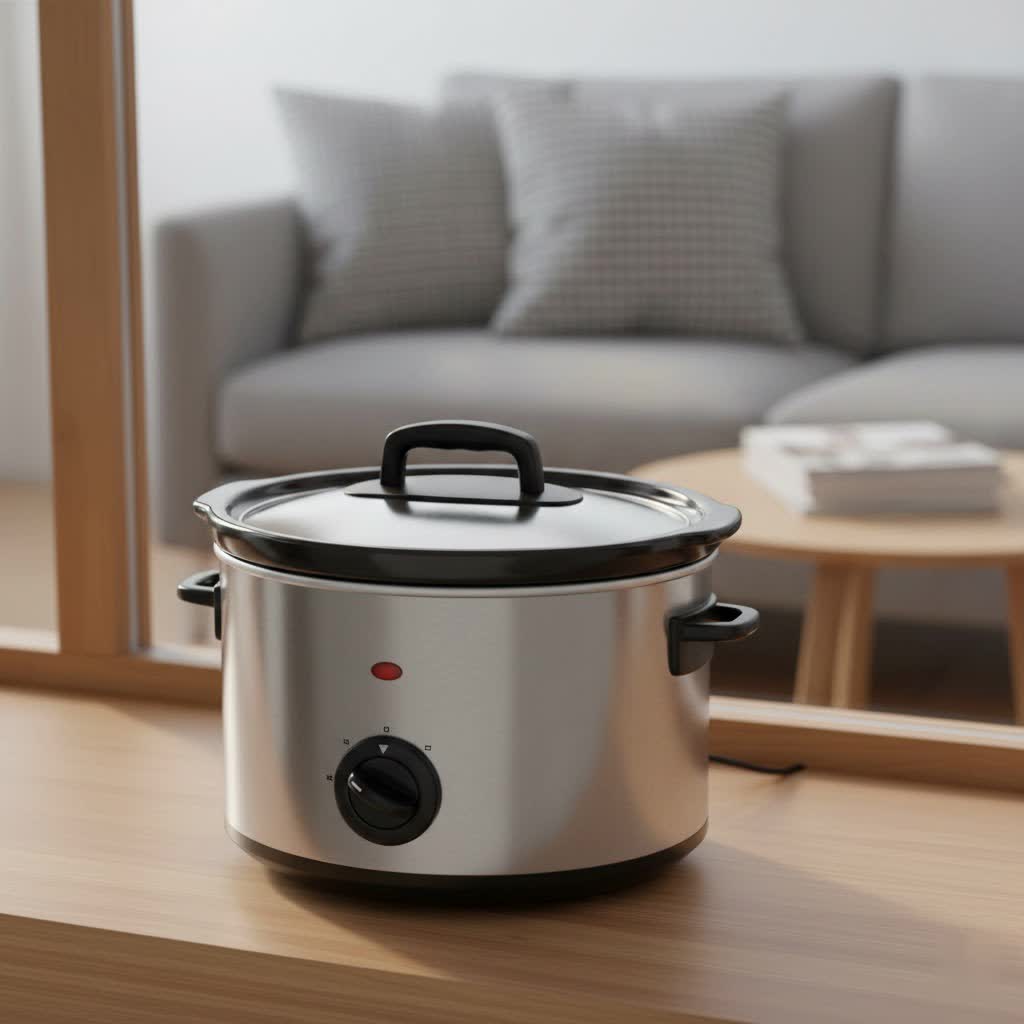
Tired of rushing through dinner preparations after a long day? Imagine returning home to the comforting aroma of a delicious, perfectly cooked meal, ready to serve. This dream is a reality for millions, thanks to the humble slow cooker, an appliance that has quietly revolutionized home cooking for decades. Once a simple countertop device, the slow cooker has evolved dramatically, offering an array of features and smart technologies that make hands-off meal preparation easier and more versatile than ever before. Whether you’re a busy professional, a meal-prepping enthusiast, or simply seeking healthier, flavorful dishes, understanding the modern slow cooker can transform your kitchen experience.
What is a Slow Cooker?
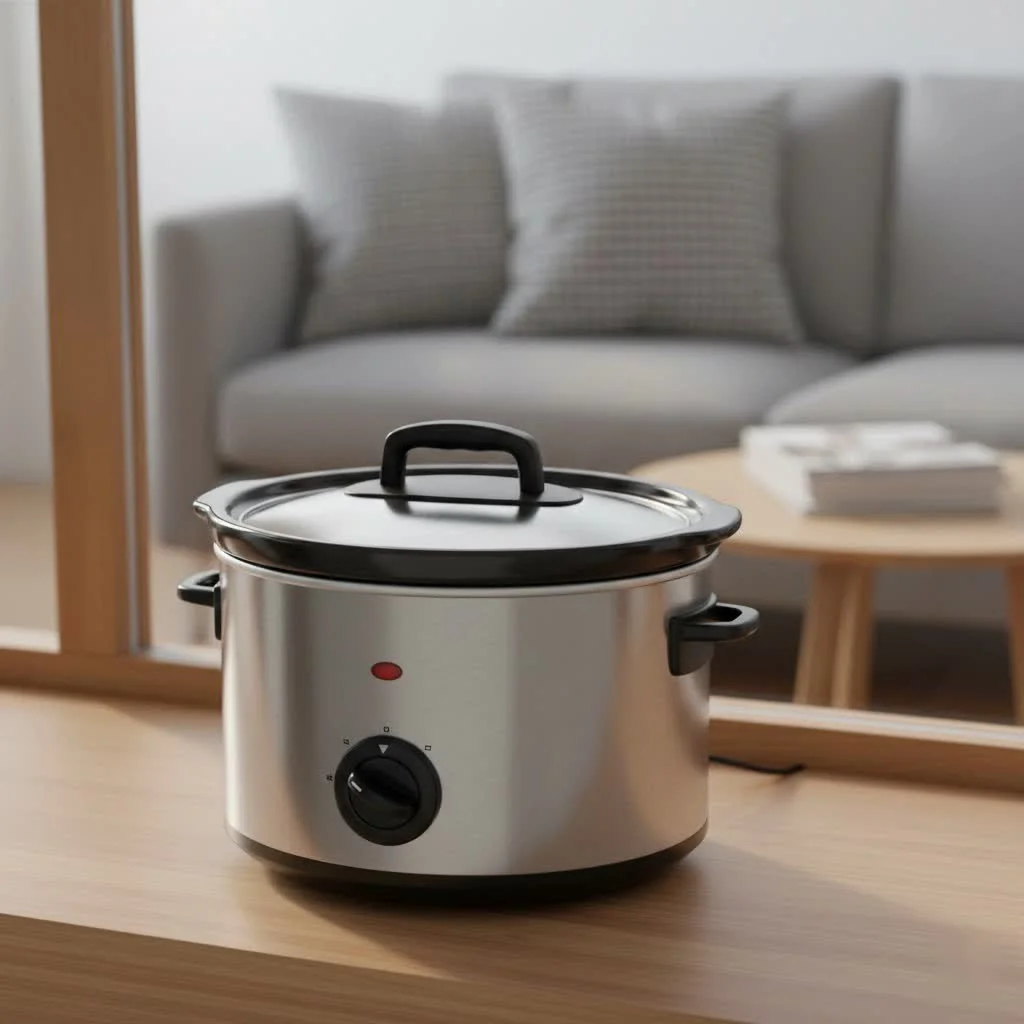
At its core, a slow cooker is an electric cooking appliance designed to simmer food at a low temperature over an extended period. Typically, it operates within a range of 180°F to 210°F (79–93 °C), facilitating unattended cooking for hours while you go about your day. The magic lies in its gentle, indirect heating, which emanates from elements often located at the bottom and sides of the unit, slowly warming the internal pot. A tightly fitting lid is crucial, trapping steam and creating a low-pressure seal that keeps food moist and infuses flavors deeply.
The slow cooker’s journey began in the United States in the 1940s, gaining popularity as more women entered the workforce and needed convenient meal solutions. Electrical engineer Irving Naxon pioneered the concept, patenting the “Naxon Beanery All-Purpose Cooker” in 1940, originally inspired by his mother’s traditional Jewish stew, cholent, which required hours of slow cooking. In 1970, the Rival Company acquired Naxon’s patent and, in 1971, reintroduced the appliance under the now-iconic “Crock-Pot” trademark. A key innovation arrived in 1974 with the introduction of removable stoneware inserts, significantly simplifying cleanup. Today, the core design remains consistent: an outer housing (often metal) encasing an electric heating element, and an inner cooking pot, or “crock,” typically made of glazed ceramic, porcelain, or coated metal, covered by a glass lid.
Advantages and Disadvantages of Slow Cookers
Slow cookers offer a unique blend of convenience and culinary benefits, but they also come with certain limitations. Understanding these can help you decide if it’s the right appliance for your kitchen.
Advantages
- Time and Effort Saving: The primary draw of a slow cooker is its ability to cook meals with minimal supervision. You can assemble ingredients in the morning and return to a prepared dinner, eliminating the stress of last-minute cooking.
- Enhanced Flavor and Nutrition: Slow cooking tenderizes tougher, more affordable cuts of meat by breaking down connective tissues into gelatin, resulting in incredibly succulent dishes. The extended cooking time also allows flavors to meld and deepen, while the trapped moisture helps retain nutrients that might be lost in faster cooking methods.
- Versatile Meal Preparation: From hearty stews, soups, and pot roasts to various casseroles, chilis, and even desserts, a wide array of recipes can be adapted for the slow cooker. Many modern multi-cookers even integrate slow cooking with other functions for expanded culinary possibilities.
- Safety and Ease of Use: Operating at lower temperatures makes slow cookers less prone to burning food compared to ovens or stovetops. Cleanup is often simplified since meals are typically prepared in a single, removable pot, many of which are dishwasher-safe. Newer models often feature exteriors that remain cool to the touch, adding an extra layer of safety.
- Cost-Effective Cooking: Slow cookers generally consume less electricity than a conventional oven, making them an energy-efficient choice. Furthermore, their ability to transform cheaper cuts of meat into tender, flavorful meals can lead to significant grocery savings.
Disadvantages
|
Our Picks for the Best Slow Cooker in 2026
As an Amazon Associate I earn from qualifying purchases.
|
||
| Num | Product | Action |
|---|---|---|
| 1 | 3.2L Natural Unglazed Earthenware Casserole,Yixing Zisha Clay Pot for Cooking, Healthy Slow Cooker for Soup, Stew, Rice -Zhuni,Red |

|
| 2 | 3.2L Natural Unglazed Earthenware Casserole,Yixing Zisha Clay Pot for Cooking, Healthy Slow Cooker for Soup, Stew, Rice -Zini,Purple |
|
| 3 | Ninja MC1001 Foodi PossibleCooker PRO 8.5 Quart Multi-Cooker, with 8-in-1 Slow Cooker, Dutch Oven, Steamer, Glass Lid Integrated Spoon, Nonstick, Oven Safe Pot to 500°F, Sea Salt Gray |
|
| 4 | 8-Quart Digital Programmable Slow Cooker with Timer - Small Kitchen Appliance for Family Dinners - Serves 10+ People - Heat Settings: Keep Warm, Low and High |
|
| 5 | Crock-Pot Large 8-Quart Programmable Slow Cooker with Auto Warm Setting Black Stainless Steel |
|
| 6 | Crock-Pot 6 Quart Programmable Slow Cooker with Timer and Auto Food Warmer Setting, Stainless Steel |
|
| 7 | Crock-Pot 6 Quart Cook & Carry Programmable Slow Cooker with Digital Timer Stainless Steel (CPSCVC60LL-S) pack of 1 |
|
| 8 | Ninja® 12-in-1 PossibleCooker™ PLUS - 8.5-qt - Sous Vide & Proof Multi-Cooker - Slow Cooker, Dutch Oven & More - Glass Lid & Integrated Spoon - Nonstick - Oven Safe Pot to 500°F - Black - MC1010 |
|
| 9 | Ninja MC1101 Foodi Everyday Possible Cooker Pro, 8-in-1 Versatility, One-Pot Faster Cooking Replaces 10 Tools, Family-Sized Capacity with Adjustable Temp Control, 6.5 quarts, Midnight Blue |
|
| 10 | Crock-Pot 7 Quart Oval Manual Slow Cooker, Stainless Steel (SCV700-S-BR), Versatile Cookware for Large Families or Entertaining |
|
- Extended Cooking Time: As the name suggests, slow cookers are not for quick meals. Recipes typically require several hours, which needs advanced planning.
- Limited Temperature Control (Basic Models): Traditional slow cookers usually offer only “High,” “Low,” and “Warm” settings. Some models may run too hot, leading to overcooked, mushy vegetables or dry meat, while others might struggle to reach ideal temperatures.
- Risk of Overcooking Certain Foods: While ideal for tough cuts of meat, delicate ingredients like many vegetables or lean meats can become overly soft, flavorless, or “raggy” if cooked for too long.
- Countertop and Storage Space: Slow cookers, particularly larger models, can occupy a significant footprint on your kitchen counter and require dedicated storage space.
- Potential Nutrient Loss: While generally good at retaining moisture, some water-soluble vitamins, particularly in vegetables, can be lost due to prolonged heat exposure. Blanching vegetables before adding them can help mitigate this.
- Lack of Searing Function: Many traditional slow cookers do not reach temperatures high enough for effective searing or browning meat, a crucial step for developing deep flavors. This often necessitates using a separate pan beforehand, adding to cleanup. However, many newer multi-cookers offer integrated searing capabilities.
- Not Suitable for All Ingredients: Certain foods should be avoided or pre-treated. Frozen ingredients should generally be thawed first. Quick-cooking items like pasta, rice, thin cuts of meat, and seafood can easily overcook. Dairy products tend to curdle if heated for extended periods, unless making yogurt. Crucially, dried kidney beans and other legumes contain a highly toxic lectin (phytohemagglutinin) and must be boiled intensely for at least 30 minutes in fresh water before being added to a slow cooker; the slow cooker’s temperatures alone are insufficient to neutralize this toxin.
The Diverse World of Slow Cookers
The slow cooker market offers a variety of designs and functionalities to suit every cooking style and kitchen space.
Classification by Shape
- Round Slow Cookers: These compact models typically have a smaller footprint, making them ideal for individuals, couples, or those with limited counter space. They are often preferred for smaller dishes like dips or side dishes.
- Oval Slow Cookers: More common for larger capacities, oval-shaped slow cookers are perfect for accommodating bigger cuts of meat like roasts or whole chickens, ensuring more even cooking.
Classification by Material
- Ceramic/Stoneware Slow Cookers: The traditional choice, these pots are known for their excellent heat retention and even cooking. They are usually removable, making cleanup easier, and many are oven-safe, allowing for finishing dishes with a crisp top.
- Coated Aluminum/Steel Slow Cookers: Newer models often feature lighter, metal cooking pots. These heat up and cool down more quickly and are frequently hob-safe, enabling you to sear ingredients directly in the pot before slow cooking, minimizing dirty dishes.
Classification by Features
- Manual Slow Cookers: These are the most basic models, offering simple “High,” “Low,” and “Warm” settings controlled by a dial. They are straightforward, reliable, and typically the most budget-friendly option.
- Digital/Programmable Slow Cookers: Moving beyond manual control, these models feature digital displays and programmable timers. You can set specific cooking durations, and many automatically switch to a “Keep Warm” setting once the cooking cycle is complete. Some even offer a delayed start function.
- Multi-functional Slow Cookers: These versatile appliances combine slow cooking with other popular cooking methods. Often referred to as multi-cookers, they might include functions for pressure cooking, searing/sautéing, steaming, baking, or even sous vide. Brands like Instant Pot and Ninja Foodi are prominent in this category.
- Smart Slow Cookers: Representing the cutting edge, smart slow cookers offer Wi-Fi connectivity, allowing users to control and monitor their cooking from a smartphone app. Some even integrate AI-powered cooking programs for ultimate convenience and precision.
Comparing Different Slow Cooker Types
The market boasts an impressive array of slow cookers, each with unique strengths. Here’s a comparative overview to help you navigate your options:
| Feature | Traditional Ceramic Slow Cooker | Modern Multi-Cooker (with Slow Cook function) |
|---|---|---|
| Inner Pot Material | Glazed ceramic or stoneware | Stainless steel, ceramic-coated aluminum/steel |
| Heating Mechanism | Indirect heat from base and sides | Often wraparound heating, sometimes induction for in-pot searing |
| Controls | Manual dial (High, Low, Warm) | Digital interface, programmable timers, auto-warm, smart controls |
| Primary Functions | Slow cook, keep warm | Slow cook, pressure cook, sear/sauté, steam, bake, sous vide, air fry |
| Versatility | Limited to slow cooking and warming | Highly versatile; replaces multiple kitchen appliances |
| Weight | Generally heavier due to ceramic pot | Often lighter, especially pots designed for stovetop use |
| Searing Capability | Requires separate pan for browning (unless specified) | Often features integrated sear/sauté function |
| Price Range | Generally more affordable | Typically higher, reflecting multi-functionality |
| Cleanup | Ceramic can be heavy, may require soaking for stubborn residue | Lighter pots, frequently dishwasher-safe (verify model specifics) |
Your Essential Slow Cooker Buying Guide
Choosing the perfect slow cooker requires considering your individual cooking needs and lifestyle. Here’s what to look for:
Determine Your Usage Needs
- Household Size: How many people will you typically be cooking for? This is the most critical factor for capacity.
- Cooking Habits: Do you primarily make simple stews, or are you looking for an appliance that can handle more complex recipes, entertaining, or extensive meal prepping?
- Budget: Slow cookers range widely in price, from basic manual models to high-tech multi-cookers.
Choose the Right Capacity
Slow cooker capacities are measured in quarts (or liters) and directly correlate to how many servings they can produce:
- Small (1.5-3 Quarts / under 3 liters): Ideal for individuals, couples, or for preparing small side dishes and dips. The “Crock-Pot® 2-Quart Classic Slow Cooker” is a prime example of this compact size.
- Medium (3-5 Quarts / 3-5 liters): A popular choice for small families (3-4 people) or standard weeknight meals.
- Large (5-8+ Quarts / over 5 liters): Best for larger families, batch cooking, entertaining crowds, or preparing big cuts of meat like a whole chicken or roast.
Select the Pot Material
- Ceramic/Stoneware: These traditional pots offer excellent heat distribution and retention, leading to consistently cooked dishes. They are often heavy and can be fragile, but many are oven-safe for finishing.
- Metal (e.g., aluminum with non-stick coating): Lighter and more durable, these pots heat up faster and often allow for searing or browning ingredients directly on the stovetop before slow cooking, reducing the number of pans to clean.
Essential Features to Consider
- Programmable Timer: A must-have for busy individuals, allowing you to set cooking duration and often automatically switch to a “Keep Warm” setting.
- “Keep Warm” Function: Essential for maintaining food at a safe serving temperature once cooking is complete, perfect for varied dinner times or entertaining.
- Sear/Sauté Function: Highly recommended for developing rich flavors by browning meats and vegetables directly in the pot before slow cooking. This feature often comes with metal inner pots.
- Delay Start: Lets you program the cooker to start at a later time, ensuring your meal is ready exactly when you need it.
- Lid Type: A clear glass lid allows you to monitor food without releasing heat. Locking lids are excellent for transporting meals to potlucks or gatherings.
- Multi-Cooker Capabilities: If kitchen space is a premium, consider a multi-cooker that combines slow cooking with pressure cooking, steaming, or air frying.
- Smart Features: Wi-Fi connectivity and app control offer unparalleled convenience, letting you adjust settings from anywhere.
- Child Lock: A useful safety feature, especially in homes with young children.
Reputable Brands
Many brands offer excellent slow cookers. Some consistently receive high marks for performance and reliability, including:
- Crock-Pot: The original and often synonymous with slow cooking, offering a wide range from basic to advanced models.
- Instant Pot: Famous for its multi-cookers that include robust slow cooking functions.
- Ninja: Known for innovative multi-cookers like the Foodi series, which excel in slow cooking alongside other methods.
- Hamilton Beach: A popular choice for reliable, budget-friendly slow cookers.
- Cuisinart: Offers a range of quality slow cookers, including multi-cooker options.
- GreenPan: Praised for its ceramic nonstick coating and consistent performance in many tests.
- Morphy Richards, Lakeland: Other respected brands offering good quality slow cookers, particularly in European markets.
Top Slow Cookers Available Today
The market is rich with excellent slow cooker options, catering to diverse needs and preferences. Here are some examples of highly-rated models that showcase the breadth of what’s available:
- GreenPan Elite 6-Quart Slow Cooker: Often lauded as a top performer, this model features a metal, ceramic-coated pot that excels in maintaining consistent low temperatures. Its integrated brown/sauté function is a significant advantage for developing rich flavors, and its exterior remains cool to the touch during operation.
- Instant Pot Pro 6-Quart Pressure Cooker: While primarily known as a pressure cooker, the Instant Pot Pro offers a reliable slow cooking function that produces tender results. Its ability to sear directly in the pot and its well-insulated exterior are key benefits, making it a versatile kitchen workhorse.
- IMUSA 1.5-Quart Slow Cooker and Brentwood 1.5-Quart Slow Cooker: For those with minimal space or cooking for one or two, these compact models are excellent choices. They maintain consistent low temperatures, making them ideal for small meals, dips, or sauces, and their exteriors typically stay cool.
- Crock-Pot Programmable 6-Quart Slow Cooker with Sous Vide: This model represents the brand’s foray into advanced functionality, offering both traditional slow cooking and a sous vide feature, providing a space-saving solution for enthusiasts of both methods.
- Crock Pot Sizzle and Stew: A standout for its hob-safe aluminum pot, allowing users to sear ingredients on the stovetop before transferring them to the slow cooker base, thereby simplifying cleanup and maximizing flavor.
- Crock Pot Time Select: This high-tech model features automatic cooking functions for various ingredients like meat, poultry, soup, and vegetables. Users simply select the food type, weight, and desired finish time, and the slow cooker intelligently adjusts temperature and time for optimal results.
How to Use and Maintain Your Slow Cooker
Maximizing your slow cooker’s potential and ensuring its longevity involves proper usage and care.
Safe and Effective Usage
- Adjust Liquids in Recipes: When adapting recipes not specifically written for a slow cooker, reduce any added liquid by about a third. Slow cookers retain moisture very efficiently, with little evaporation during cooking.
- Avoid Frequent Lid Removal: Resist the urge to peek! Lifting the lid allows heat to escape, significantly extending cooking times and affecting the final result.
- Room Temperature Pot: Always ensure your inner pot is at room temperature before you begin cooking. Adding cold ingredients to a hot pot can cause thermal shock. If the pot has been in the fridge, allow it to warm up first.
- Brown Meat for Flavor: Unless your slow cooker has a dedicated sear function, always brown meats in a separate pan before adding them to the slow cooker. This step develops the Maillard reaction, which adds rich, complex flavors and a more appealing appearance to your finished dish.
- Follow Manufacturer’s Instructions: Every slow cooker is different. Always consult your appliance’s manual for specific guidelines on temperature settings, cooking times, minimum liquid levels, and any unique features.
- Be Mindful of Certain Foods: As noted, never cook dried kidney beans or other legumes without boiling them vigorously first to neutralize toxins. Avoid cooking frozen ingredients without thawing them to prevent food safety issues and uneven cooking. Fast-cooking items like pasta, rice, and delicate seafood are also generally best added towards the end of the cooking cycle or avoided altogether in a slow cooker.
Cleaning and Maintenance
- Dishwasher-Safe Components: Many removable inner pots (especially metal ones) and glass lids are dishwasher-safe, simplifying cleanup. Always check your specific model’s manual for confirmation. Ceramic pots, while durable, can be heavy and may require hand-washing to prevent chips or cracks. [cite: 1, 1 (search 1)]
- Clean the Base Unit: The outer housing should never be immersed in water. Instead, wipe it clean with a damp cloth or sponge after each use.
- Address Stuck-On Food: If food gets stuck to the pot, fill it with warm, soapy water and let it soak for an hour or two before gently scrubbing.
- Inspect for Damage: Regularly check the power cord, inner pot, and lid for any signs of wear, cracks, or damage. Replace any damaged parts immediately.
> “The slow cooker’s ability to turn basic ingredients into a gourmet meal with minimal effort is its superpower. But understanding its nuances, like the importance of pre-searing or avoiding frequent lid lifts, is key to truly unlocking that power.” – John Smith, Culinary Technologist and Slow Cooker Enthusiast.
Conclusion
The slow cooker has come a long way from its humble beginnings, transforming from a simple bean pot into a sophisticated kitchen appliance. From the compact 2-quart models perfect for individual servings and party dips to advanced multi-cookers with smart features and integrated searing capabilities, there’s a slow cooker designed to fit every culinary need and lifestyle. By understanding the different types, features, and proper usage, you can confidently select the ideal slow cooker to bring convenience, flavor, and effortless cooking to your home. Embrace the evolution, and let your slow cooker do the work, freeing up your time for what truly matters.
What delicious, time-saving meals will you create with your perfect slow cooker?
Frequently Asked Questions
What’s the best slow cooker for a small kitchen or single person?
For compact spaces or individual meals, a 1.5-quart to 3-quart slow cooker is ideal. Models like the IMUSA 1.5-Quart or the Brentwood 1.5-Quart Slow Cooker are highly rated for their efficiency and minimal footprint, perfect for small portions or keeping dips warm.
What are slow cookers good for?
Slow cookers excel at preparing hearty stews, tender pot roasts, soups, and beans by cooking food at low temperatures over many hours. They are also great for making desserts like bread pudding, as well as keeping dishes warm for entertaining, offering convenient, set-it-and-forget-it meal solutions.
What foods should not be cooked in a slow cooker?
Avoid cooking frozen ingredients without thawing them first. Quick-cooking items such as pasta, rice, seafood, and thin cuts of meat can easily overcook. Additionally, dairy products may curdle if subjected to prolonged heat. Crucially, raw dried kidney beans and other legumes must be thoroughly boiled on a stovetop before being added to a slow cooker to neutralize harmful toxins.
Can I keep food warm in a slow cooker overnight?
Most slow cookers feature an automatic “Keep Warm” setting that activates after the cooking cycle finishes, designed to maintain food at a safe serving temperature. This function is ideal for keeping meals warm until you’re ready to eat or for extended periods during gatherings.
Which slow cookers are best for browning meat?
Slow cookers with metal inserts and a dedicated sear/sauté function are best for browning meat directly in the pot. This crucial step enhances flavor and appearance, saving you from using an extra pan. Models like the GreenPan Elite or Instant Pot Pro are known for excelling in this area.
Cooking gear we tested in our own kitchens
Free PDF — preheat times measured on 10 popular air fryers.
