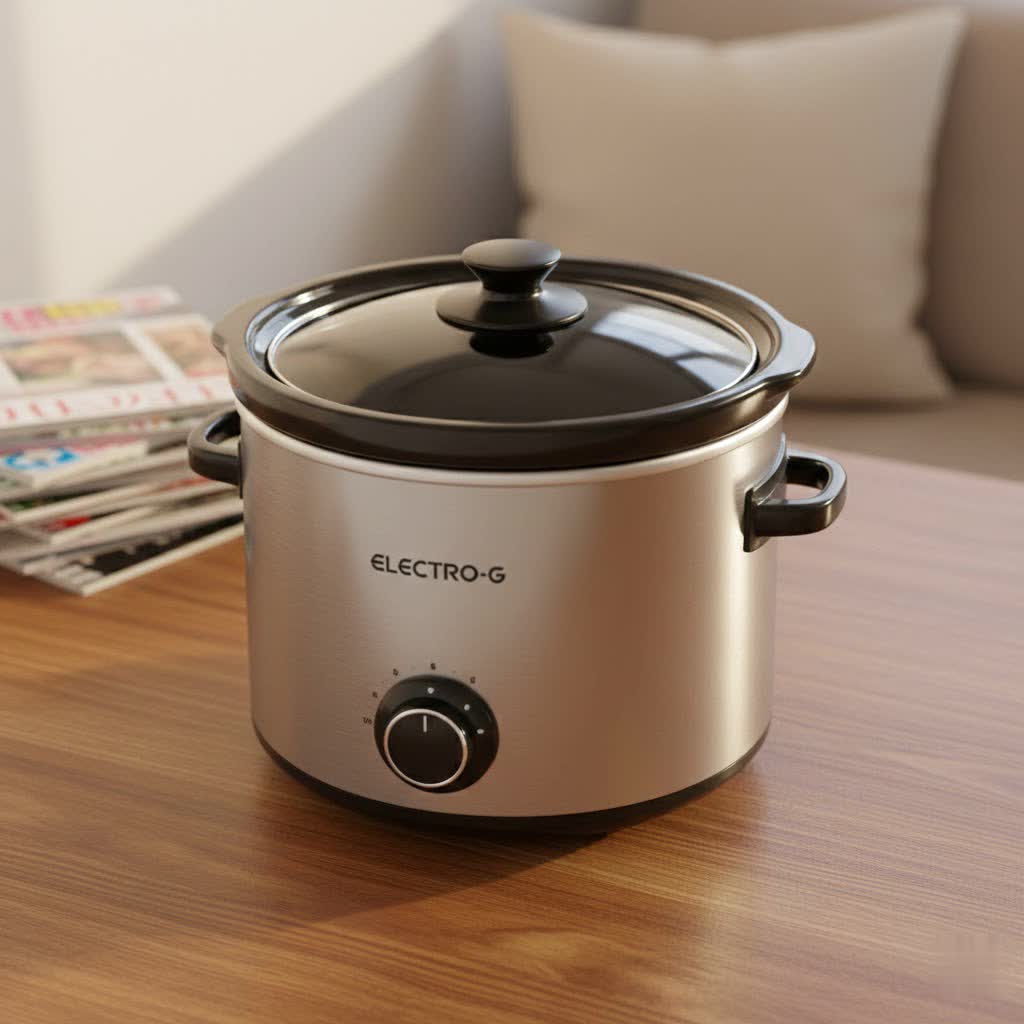
Do you often find yourself dreaming of hearty, home-cooked meals after a long day, but lack the time or energy to prepare them? In our fast-paced world, the quest for convenient yet delicious cooking solutions is more relevant than ever. Enter the slow cooker – a kitchen hero designed to transform busy schedules into opportunities for culinary delight. While many refer to these appliances generically as “Crock-Pots,” the market boasts numerous innovative brands, with Hamilton Beach standing out as a leader in delivering reliable and feature-rich slow cookers that simplify meal preparation and improve your cooking experience. This comprehensive guide will navigate the world of slow cooking, focusing on Hamilton Beach’s offerings to help you discover the perfect companion for your kitchen.
What is a Slow Cooker and How Does it Work?
A slow cooker is a countertop electrical cooking appliance that excels at simmering food at lower temperatures over an extended period. This method allows for unattended cooking, making it ideal for dishes like pot roasts, stews, soups, and even desserts that would otherwise require constant attention. For explore our slow cooker reviews on this site.
The concept of slow cooking has a rich history, tracing back to traditional cooking methods. The modern slow cooker appliance, as we know it, was developed in the 1930s by Jewish inventor Irving Naxon, who patented the “Naxon Beanery All-Purpose Cooker” in 1940. His inspiration came from his mother’s stories of how her Lithuanian grandmother prepared cholent, a traditional Jewish stew slow-cooked for hours in an oven. The appliance gained widespread popularity in the United States during the 1940s as more women entered the workforce, offering a practical way to prepare meals before leaving for the day. In 1970, the Rival Company acquired Naxon’s patent and subsequently launched the iconic “Crock-Pot” brand in 1971, which quickly became synonymous with the slow cooker itself.
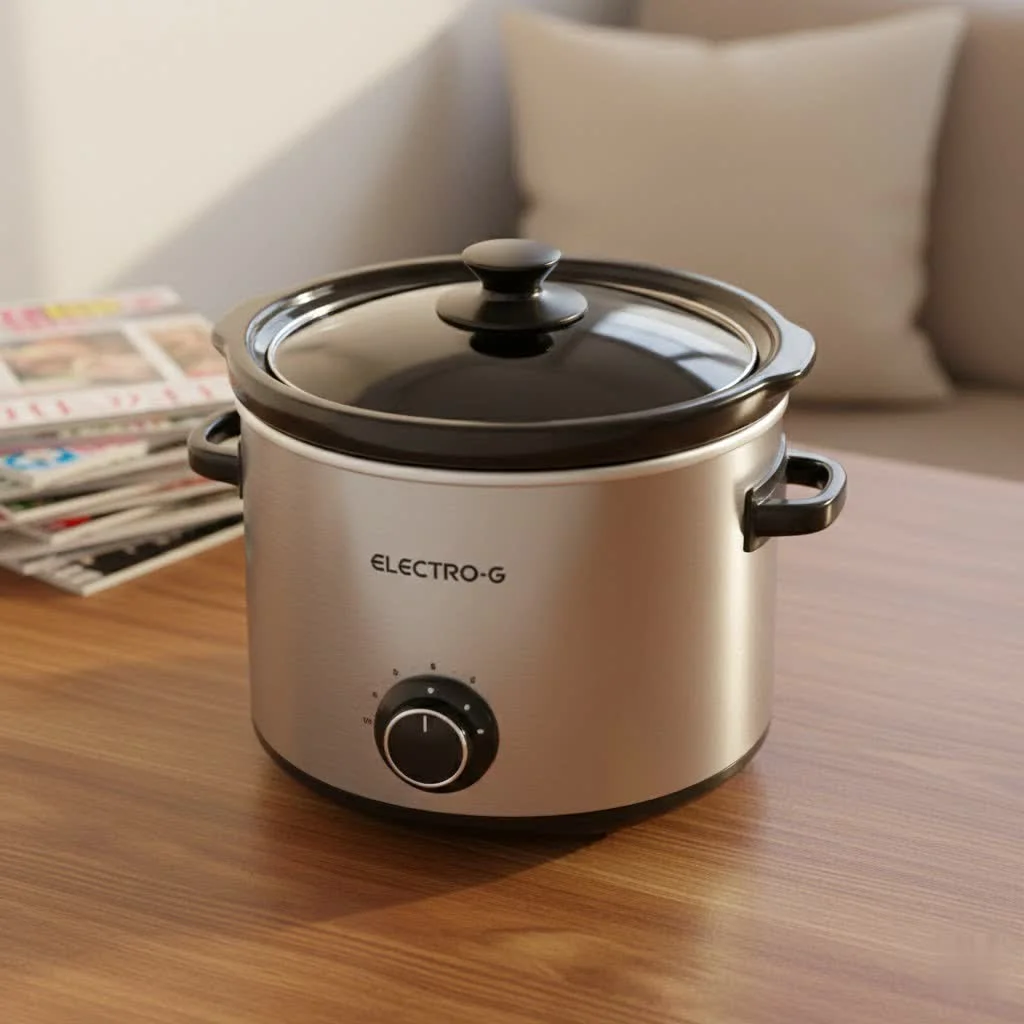
A basic slow cooker comprises three main components: an outer casing, an inner cooking pot (often called a crock or insert), and a lid. The outer casing, typically made of metal, houses the low-wattage electric heating element. This element surrounds the inner container, ensuring heat is distributed evenly around the food. The cooking pot is generally made of glazed ceramic or porcelain stoneware, materials known for their excellent heat retention and even cooking properties. Newer models may feature aluminum or steel inserts, sometimes with non-stick coatings, offering quicker heating and stovetop searing capabilities. The lid, frequently made of glass, sits snugly on top, trapping moisture and heat, which is crucial for the slow cooking process.
Advantages and Disadvantages of Using a Slow Cooker
Using a slow cooker, especially a quality Hamilton Beach model, brings a host of benefits to the modern kitchen, though it’s important to be aware of its limitations.
Advantages
|
Our Picks for the Best Slow Cooker in 2026
As an Amazon Associate I earn from qualifying purchases.
|
||
| Num | Product | Action |
|---|---|---|
| 1 | 3.2L Natural Unglazed Earthenware Casserole,Yixing Zisha Clay Pot for Cooking, Healthy Slow Cooker for Soup, Stew, Rice -Zhuni,Red |

|
| 2 | Ninja® 12-in-1 PossibleCooker™ PLUS - 8.5-qt - Sous Vide & Proof Multi-Cooker - Slow Cooker, Dutch Oven & More - Glass Lid & Integrated Spoon - Nonstick - Oven Safe Pot to 500°F - Black - MC1010 |
|
| 3 | 3.2L Natural Unglazed Earthenware Casserole,Yixing Zisha Clay Pot for Cooking, Healthy Slow Cooker for Soup, Stew, Rice -Zini,Purple |
|
| 4 | Ninja MC1001 Foodi PossibleCooker PRO 8.5 Quart Multi-Cooker, with 8-in-1 Slow Cooker, Dutch Oven, Steamer, Glass Lid Integrated Spoon, Nonstick, Oven Safe Pot to 500°F, Sea Salt Gray |
|
| 5 | 8-Quart Digital Programmable Slow Cooker with Timer - Small Kitchen Appliance for Family Dinners - Serves 10+ People - Heat Settings: Keep Warm, Low and High |
|
| 6 | Ninja MC1101 Foodi Everyday Possible Cooker Pro, 8-in-1 Versatility, One-Pot Faster Cooking Replaces 10 Tools, Family-Sized Capacity with Adjustable Temp Control, 6.5 quarts, Midnight Blue |
|
| 7 | Crock-Pot Large 8-Quart Programmable Slow Cooker with Auto Warm Setting Black Stainless Steel |
|
| 8 | Crock-Pot 6 Quart Programmable Slow Cooker with Timer and Auto Food Warmer Setting, Stainless Steel |
|
| 9 | Crock-Pot 7 Quart Oval Manual Slow Cooker, Stainless Steel (SCV700-S-BR), Versatile Cookware for Large Families or Entertaining |
|
| 10 | Crock-Pot 6 Quart Cook & Carry Programmable Slow Cooker with Digital Timer Stainless Steel (CPSCVC60LL-S) pack of 1 |
|
- Time and Effort Saving: The primary draw of a slow cooker is its “set it and forget it” convenience. You can assemble ingredients in the morning and return home to a hot, ready-to-eat meal, eliminating last-minute cooking stress.
- Enhanced Flavor and Nutrition: Slow cooking at low temperatures tenderizes tougher cuts of meat beautifully, breaking down connective tissues to create incredibly succulent dishes. The sealed environment also helps to lock in moisture and nutrients, resulting in flavorful and wholesome meals.
- Versatility: Beyond stews and roasts, slow cookers can prepare a surprising variety of dishes, including soups, chili, pulled pork, casseroles, hot dips, and even certain desserts and breads.
- Energy Efficiency: Compared to heating a large oven for several hours, a slow cooker generally uses less energy, making it a more economical choice for long cooking times.
- Safety and Ease of Use: Slow cookers are designed for safe, unattended operation. Most models feature simple controls—often just “Low,” “High,” and “Warm” settings—making them straightforward for anyone to use.
- Ideal for Entertaining: Many Hamilton Beach slow cooker models come with features like locking lids and cool-touch handles, making them perfect for transporting hot dishes to potlucks, parties, or family gatherings without spills.
Disadvantages
- Long Cooking Times: As the name suggests, slow cooking takes time. While this is a benefit for unattended cooking, it means last-minute meal preparation is not an option.
- Limited Browning/Searing: Traditional slow cookers do not brown or sear food, which can impact flavor depth. For richer flavors, you might need to brown meats and vegetables in a separate pan before adding them to the slow cooker, unless you have a model with a stovetop-safe insert or a multi-cooker function.
- Texture Issues with Certain Foods: Delicate vegetables (like bell peppers or zucchini) can become overly soft or mushy when cooked for extended periods. Lean meats, such as chicken breast, can sometimes become dry and stringy if overcooked.
- Less Precise Temperature Control (Basic Models): Entry-level slow cookers may offer limited temperature settings, making it harder to fine-tune cooking. However, many modern Hamilton Beach programmable models address this with more precise controls and temperature probes.
- Bulkiness: Slow cookers, especially larger capacities, can take up significant counter and storage space.
- Potential Material Concerns: While rare with reputable brands, some older or lower-quality ceramic inserts may contain glazes that could, in theory, leach heavy metals like lead or cadmium, especially if the glaze is chipped or if cooking highly acidic foods for long durations. Opting for models with stainless steel inserts or verified food-safe ceramic is a key consideration.
Popular Types of Slow Cookers
The world of slow cookers offers a diverse range of options, varying in shape, material, and features to suit different cooking styles and needs. Hamilton Beach, in particular, offers innovative designs across these categories.
Classification by Shape
The shape of your slow cooker often dictates the types of dishes you can most effectively prepare.
- Round Slow Cookers: These are typically smaller in capacity, making them ideal for cooking individual portions, hot dips, or smaller side dishes. They are more compact and easier to store.
- Oval Slow Cookers: The most common and versatile shape, oval slow cookers are perfect for larger cuts of meat, such as whole chickens, roasts, or ribs, as well as casseroles and stews. Their elongated shape accommodates these items better than a round pot.
- Rectangular/Casserole Slow Cookers: Designed specifically for dishes like lasagna, casseroles, or baked goods that benefit from a broader, shallower cooking surface. These models sometimes feature oven-safe inserts for browning cheese or crisping toppings.
Classification by Material
The material of the inner cooking pot (crock) significantly impacts cooking performance, durability, and even safety.
- Ceramic / Stoneware:
- Pros: Excellent heat retention, ensuring even cooking and keeping food warm for longer. They are traditional and often aesthetically pleasing for serving directly from the pot. Most are dishwasher-safe.
- Cons: Ceramic inserts are heavy and can be prone to chipping or cracking if dropped or subjected to sudden temperature changes (thermal shock). There have been historical concerns, though largely mitigated by modern manufacturing standards, about potential heavy metal leaching from glazes, particularly with acidic foods or damaged surfaces.
- Metal (Aluminum / Steel / Stainless Steel):
- Pros: Lighter weight than ceramic, more durable against chipping and cracking. Many metal inserts are stovetop-safe, allowing you to sear ingredients directly in the pot before slow cooking, which adds significant flavor and reduces cleanup. Stainless steel is considered a highly hygienic and non-reactive material.
- Cons: May heat up faster but can be more prone to “hot spots” if not designed well. Some aluminum or steel inserts come with non-stick coatings, which, while convenient for cleaning, can degrade over time and may raise concerns about “forever chemicals” if not PFOA/PFOS-free. Stainless steel is generally the safest and most durable metal option.
> “When choosing a slow cooker, the material of the insert is paramount. While ceramic offers traditional heat retention, modern stainless steel inserts provide durability and often stovetop-safe versatility, which can be a major upgrade for flavor development.” – Admin, Reviewerty.com, Slow Cooker Expert
Classification by Features
Modern slow cookers go far beyond basic “on/off” switches, offering advanced functionalities to enhance convenience and control.
- Manual Slow Cookers: These are the most basic models, typically offering “Low,” “High,” and “Warm” settings controlled by a dial. They are straightforward, affordable, and excellent for simple recipes.
- Programmable / Digital Slow Cookers: These models allow you to set specific cooking times, after which they automatically switch to a “Keep Warm” mode. This feature is invaluable for busy individuals, ensuring food is perfectly cooked and safely held until mealtime without overcooking.
- Multi-Cookers: A versatile appliance that combines slow cooking with other functions like pressure cooking, searing, steaming, and even air frying. These are great for maximizing kitchen space and offering diverse cooking methods in one unit.
- Portable / “Stay or Go” Slow Cookers: Designed with transport in mind, these models often include locking lids, rubber seals, and secure clips to prevent spills during travel. Cool-touch handles are also a common feature.
- Slow Cookers with Temperature Probes: Advanced models, often from Hamilton Beach’s “Set & Forget” line, come with a probe that measures the internal temperature of meat. The slow cooker then automatically switches to “Keep Warm” once the target temperature is reached, ensuring perfect doneness every time.
- Connectable Slow Cookers: Unique for entertaining, these smaller models can connect to each other, allowing you to create a buffet spread with multiple dishes kept warm from a single power outlet.
- IntelliTime™ Slow Cookers: Some Hamilton Beach models feature “IntelliTime™” technology, which automatically adjusts cooking time and temperature based on how long you need the meal to cook, offering unparalleled flexibility.
- Right Size™ Multi-Quart Slow Cookers: These innovative slow cookers allow you to cook different capacities (e.g., 2, 4, or 6 quarts) within the same unit by adjusting the cooking time accordingly, ideal for varying household sizes or meal prep.
Comparing Slow Cooker Types
To help you visualize the differences, here’s a general comparison of slow cooker types based on common criteria:
| Feature/Type | Manual Slow Cooker | Programmable/Digital Slow Cooker | Multi-Cooker (with Slow Cook function) | Portable Slow Cooker |
|---|---|---|---|---|
| Material (Insert) | Ceramic, sometimes Metal (basic non-stick) | Ceramic, Metal (often non-stick/stainless) | Stainless Steel, Ceramic (non-stick coated) | Ceramic, Metal (often with secure lid) |
| Capacity | Wide range (1.5 – 8+ quarts) | Wide range (3 – 8+ quarts) | Medium to Large (6-8 quarts common) | Medium to Large (5-7 quarts common) |
| Features | Low, High, Warm settings | Digital timer, Auto Keep Warm | Pressure cook, sauté, steam, yogurt, etc. | Locking lid, secure clips, cool handles |
| Price Range | Low – Medium | Medium – High | High | Medium – High |
| Best For | Simple recipes, budget-conscious, occasional use | Busy individuals, meal planning, consistent results | Versatility, space-saving, advanced cooking | Potlucks, parties, travel, RV cooking |
Expert Buying Guide: Choosing Your Ideal Hamilton Beach Slow Cooker
Selecting the perfect slow cooker, especially from a reputable brand like Hamilton Beach, involves considering your unique lifestyle, cooking habits, and desired features. Here’s a practical guide to help you make an informed decision:
1. Determine Your Usage Needs
Before diving into models, think about how you’ll primarily use your slow cooker.
- Family Size: How many people do you typically cook for?
- Cooking Frequency: Will you use it daily, weekly, or for special occasions?
- Meal Types: Do you mostly make stews, roasts, or more diverse dishes, including dips or casseroles?
- Lifestyle: Are you a busy professional needing “set-it-and-forget-it” convenience, or do you enjoy more hands-on cooking? Do you frequently transport food?
- Budget: Slow cookers range widely in price, so having a budget in mind helps narrow choices.
2. Choose the Right Capacity
Capacity is crucial for efficient cooking and fitting your needs.
- Small (Under 3 Liters / 3 Quarts): Ideal for single individuals, couples, small side dishes, or hot dips. Perfect if kitchen space is limited.
- Medium (3-5 Liters / 3-5 Quarts): Great for families of 3-4, allowing for main dishes and some leftovers. This size is a good all-rounder for most households.
- Large (Over 5 Liters / 5 Quarts): Best for larger families (5+ people), batch cooking for meal prep, or entertaining. You don’t always have to fill a large slow cooker, making it versatile. Hamilton Beach offers popular 6-quart and 8-quart options.
3. Select the Optimal Pot Material
The inner pot’s material affects cooking performance, cleaning, and safety.
- Ceramic/Stoneware: For traditionalists who prioritize even heating and heat retention. Ensure the ceramic is from a trusted brand like Hamilton Beach, which adheres to strict safety standards, and inspect it regularly for chips or cracks.
- Metal (Stainless Steel/Coated Aluminum): If searing or stovetop versatility is important, a metal insert (especially stainless steel) is a great choice. Stainless steel is durable, lighter, and non-reactive. If opting for a non-stick coating, verify it’s PFOA/PFOS-free and handle with care to prevent scratching.
4. Identify Essential Features
Consider which features will genuinely enhance your cooking experience.
- Programmable Settings and Timer: A digital timer that automatically switches to “Keep Warm” is a standout feature for busy individuals, offering peace of mind and preventing overcooking.
- Temperature Probe: For perfect meat every time, a built-in temperature probe (like in Hamilton Beach’s Set & Forget models) is invaluable. It monitors internal food temperature and adjusts cooking accordingly.
- Lid Locks/Seals for Portability: If you plan to transport your slow cooker, look for models with secure lid clips, rubber gaskets, or “Stay or Go” features to prevent spills.
- Stovetop-Safe Insert: This feature allows you to brown ingredients directly in the slow cooker pot on your stovetop before starting the slow cooking cycle, saving you from dirtying extra pans.
- “Keep Warm” Function: Essential for maintaining food at a safe serving temperature after cooking is complete.
- Easy-Clean Design: Dishwasher-safe crocks and lids are a major convenience. Look for smooth exteriors that are easy to wipe clean.
5. Consider Reputable Brands
Hamilton Beach has a long-standing reputation for quality and innovation in kitchen appliances. Their slow cookers consistently receive positive reviews for reliability, thoughtful features, and good value. Other well-known brands include Crock-Pot (the original slow cooker brand) and Instant Pot (for multi-cookers).
Top Hamilton Beach Slow Cookers for Modern Kitchens
Hamilton Beach offers a diverse range of slow cookers, each designed with unique features to cater to various needs. Here are some of their standout models:
- Hamilton Beach Set & Forget Programmable Slow Cooker (6-Quart / 8-Quart): This is often a top pick, beloved for its intuitive digital controls and the star feature: a patented temperature probe. It allows you to program the cooker to a specific internal temperature, automatically switching to “Keep Warm” once achieved. It’s also known for its portability with secure lid clips, making it ideal for travel.
- Hamilton Beach 6 Quart Programmable Cool-Surround Slow Cooker: This model boasts a stovetop-safe nonstick removable crock, allowing for browning on the stove before slow cooking, minimizing cleanup. Its “Cool-Surround” technology ensures the exterior remains cooler, and it’s recognized for its energy efficiency.
- Hamilton Beach Professional Sous Vide and 6QT Slow Cooker: For the culinary enthusiast, this multi-functional appliance combines the precision of sous vide cooking with traditional slow cooking. It excels at holding steady temperatures for extended periods, perfect for achieving perfectly cooked meats.
- Hamilton Beach IntelliTime™ 6 Quart Slow Cooker: This intelligent slow cooker adapts to your schedule. You set the desired cook time (4-12 hours), and the IntelliTime™ technology automatically adjusts the temperature to ensure your meal is perfectly cooked whenever you’re ready to eat.
- Hamilton Beach 3.5 Quart Casserole Slow Cooker: With its unique rectangular shape, this model is perfect for layered dishes like lasagna, casseroles, and baked dips. Its oven-safe crock allows for finishing dishes under the broiler for a crispy topping, and it’s sized conveniently for serving directly at the table.
- Hamilton Beach Programmable Right Size™ Multi-Quart Slow Cooker: If versatility in capacity is your priority, this model is a great choice. It allows you to cook 2-quart, 4-quart, or 6-quart meals within the same unit, automatically adjusting cooking times to prevent overcooking smaller portions. This eliminates the need for multiple slow cookers.
- Hamilton Beach Connectables Slow Cooker (4-Quart): Designed for entertaining, these compact, portable slow cookers can be connected in a series, creating a warm buffet spread from a single power outlet. Their lid clips ensure mess-free transport.
How to Use and Maintain Your Hamilton Beach Slow Cooker
Proper usage and maintenance will ensure your Hamilton Beach slow cooker provides years of reliable service and delicious meals.
Using Your Slow Cooker Effectively
- Always Thaw Meat: For food safety, always start with thawed meat in your slow cooker. Frozen meat can take too long to reach a safe cooking temperature, putting it in the “danger zone” for bacterial growth.
- Fill Appropriately: For best results, fill your slow cooker at least half full but no more than two-thirds full. Overfilling can lead to uneven cooking or spills, while underfilling can result in overcooked food.
- Mind the Lid: Resist the urge to lift the lid frequently. Each time you remove the lid, the internal temperature drops significantly, extending the cooking time by about 20-30 minutes.
- Browning for Flavor: If your recipe calls for browning meat or sautéing vegetables, do so in a separate pan (or directly in a stovetop-safe slow cooker insert) before adding them to the slow cooker. This step enhances flavor depth and color.
- Add Delicate Ingredients Later: Ingredients like fresh herbs, dairy products, and delicate vegetables (e.g., peas, spinach) are best added closer to the end of the cooking cycle to preserve their texture and flavor.
- Liquid Levels: Slow cookers retain a lot of moisture, so you generally need less liquid than conventional recipes. Follow slow cooker-specific recipes or reduce liquids by about one-third when adapting.
Cleaning and Maintenance
Regular and correct cleaning is essential for hygiene and extending the life of your appliance.
- Cool Down Completely: Always turn off and unplug your slow cooker and allow it to cool completely before attempting to clean it. This prevents thermal shock, which can crack ceramic inserts, and ensures your safety.
- Wash Removable Parts: The glass lid and removable cooking pot (crock) are usually dishwasher-safe. If handwashing, use hot, soapy water and a soft cloth or sponge.
- Avoid Abrasives: Never use abrasive cleaning compounds, scouring pads, or metal scrubbers on your slow cooker’s pot or lid, as these can scratch or damage the surface or glaze.
- Tackle Stubborn Stains: For cooked-on food or stains, fill the crock with hot water and a few drops of dish soap, let it soak for a while, then clean. For tougher stains, you can create a gentle cleaning solution:
- Add water to cover the stained area.
- Add 1/2 cup distilled white vinegar (for a 3-quart cooker) or 1 cup (for a 6-quart cooker).
- Slowly add 1/2 cup baking soda (for a 3-quart cooker) or 1 cup (for a 6-quart cooker). The mixture will fizz.
- Plug in the slow cooker and set it to LOW for 1-2 hours.
- After cooling, empty, rinse, and wipe clean with a soft sponge.
- Clean the Heating Base: Never immerse the outer heating base in water or any other liquid. Instead, wipe it down with a clean, damp cloth.
- Storage: Ensure all parts are thoroughly dry before storing to prevent mildew or odors. Store your slow cooker in a cool, dry place.
Conclusion
The Hamilton Beach slow cooker, often mistakenly referred to as a “Hamilton Crock Pot,” is far more than just a kitchen appliance; it’s a gateway to convenient, flavorful, and effortless cooking. From its humble origins as a beanery to the sophisticated programmable models of today, slow cookers have consistently proven their value in busy households. Hamilton Beach, in particular, stands out for its commitment to innovation, offering a range of models with features like temperature probes, stovetop-safe inserts, and advanced programming that cater to every cooking need and lifestyle.
By understanding the different types, materials, and features available, you can confidently choose a Hamilton Beach slow cooker that perfectly aligns with your culinary aspirations and budget. Embrace the simplicity and joy of returning home to a delicious, home-cooked meal, allowing your slow cooker to do the heavy lifting while you focus on what matters most. Which
Cooking gear we tested in our own kitchens
Free PDF — preheat times measured on 10 popular air fryers.
