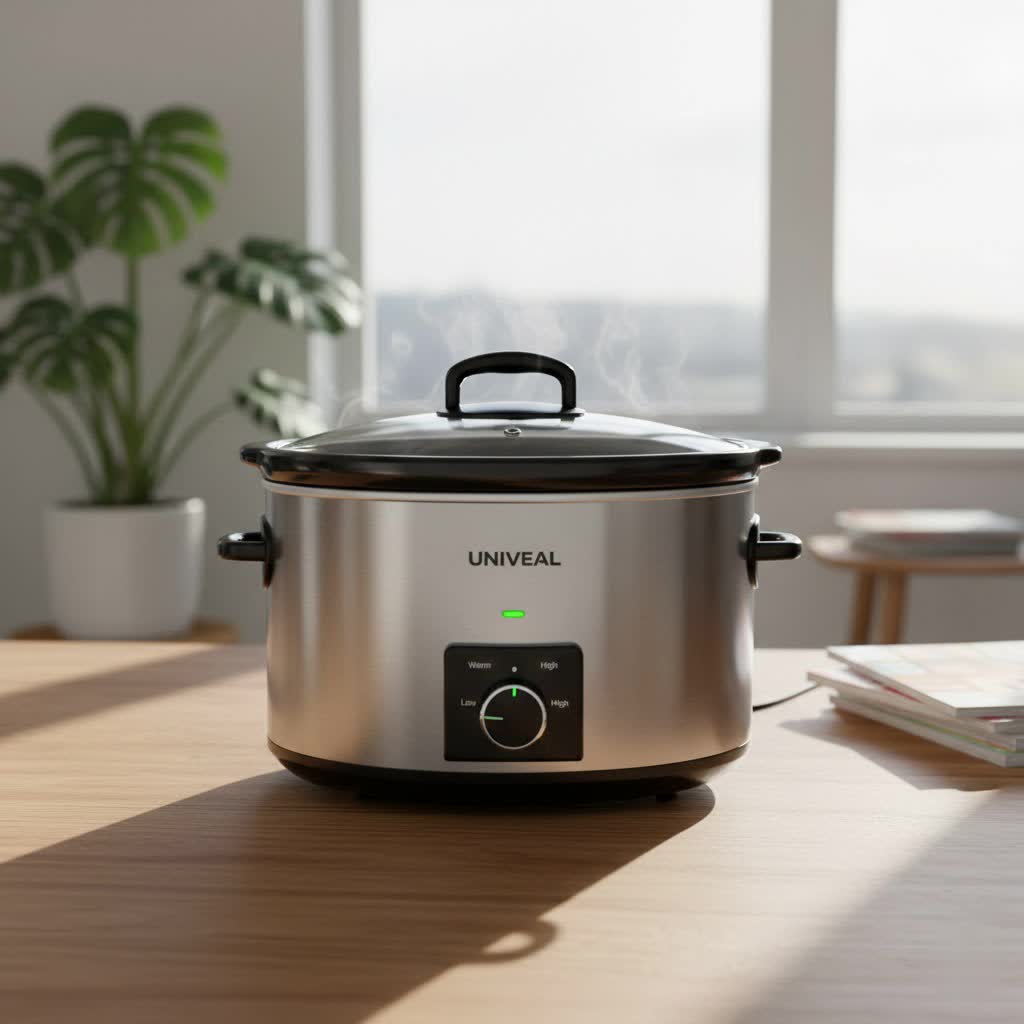
Tired of demanding dinner preparations after a long day? Imagine returning home to the comforting aroma of a perfectly cooked meal, ready to serve with minimal effort. This dream becomes a delicious reality with a slow cooker, a kitchen workhorse that has transformed home cooking. While you might initially think of retailers like Bed Bath & Beyond for these appliances, the world of Crock-Pot slow cookers extends far and wide, offering a diverse range of options to suit every culinary need and budget. Let’s delve into everything you need to know to choose your perfect slow-cooking companion.
What is a Slow Cooker?
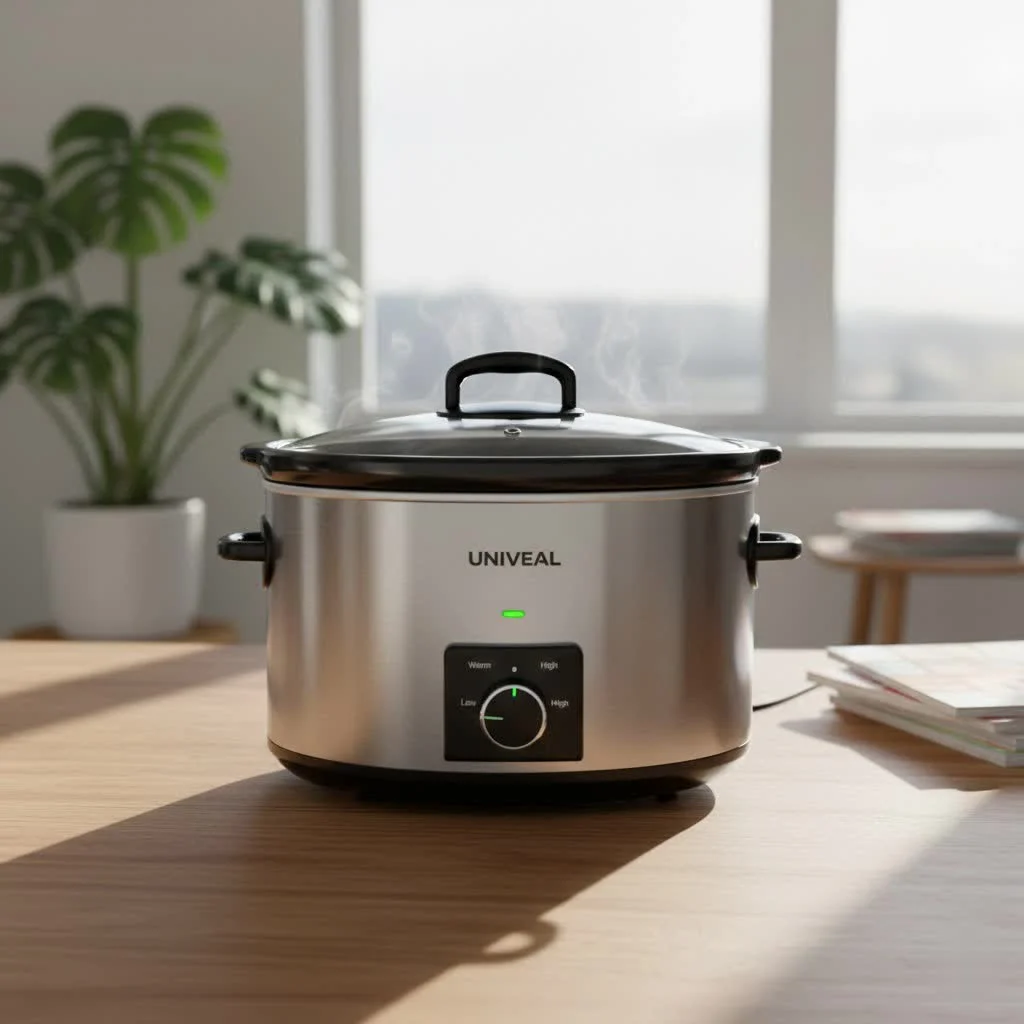
A slow cooker, often generically referred to by the popular brand name Crock-Pot, is an electric cooking appliance that simmers food at a low temperature over an extended period. Its fundamental principle involves prolonged, consistent heat application, which tenderizes tough cuts of meat, melds flavors beautifully, and simplifies complex recipes. The concept dates back to the early 20th century, with the Crock-Pot brand, introduced in the 1970s, popularizing the appliance in households worldwide.
A typical slow cooker comprises several key components: an outer housing that contains the heating element, a removable inner pot (often ceramic or stoneware), and a lid (usually glass) that seals in moisture and heat. The heating element, typically located at the bottom and sometimes along the sides, gently warms the inner pot. This low and steady heat ensures even cooking, allowing ingredients to break down slowly, resulting in remarkably tender and flavorful dishes. The lid plays a crucial role by preventing steam from escaping, which helps to keep food moist and tender.
Advantages and Disadvantages of Slow Cookers
Slow cookers have become a beloved appliance for many home cooks, but like any kitchen tool, they come with their own set of pros and cons. Understanding these can help you decide if a slow cooker is the right fit for your cooking style.
Advantages
- Time-Saving and Convenience: The most significant benefit is the ability to “set it and forget it.” You can load ingredients in the morning and return hours later to a fully cooked meal, eliminating last-minute dinner stress. This is particularly beneficial for busy individuals and families.
- Enhanced Flavor and Nutrition: Slow cooking allows flavors to deepen and meld over time, creating richer, more complex tastes than faster cooking methods. The gentle heat also helps to preserve nutrients that might be lost with high-heat cooking.
- Versatility in Dishes: From hearty stews, chilis, and roasts to comforting soups, pulled pork, and even desserts, a slow cooker can handle an impressive variety of recipes. Some models even offer functions for preparing breakfast items or keeping food warm for entertaining.
- Economical Cooking: Slow cookers excel at tenderizing less expensive cuts of meat, transforming them into succulent meals. They are also energy-efficient compared to continuously running an oven or stovetop for hours.
- Safety and Ease of Use: With simple controls and a stable design, slow cookers are generally very safe to operate. They require minimal supervision and are easy for cooks of all experience levels to master. Many come with “keep warm” settings, safely holding food at serving temperature for hours without overcooking.
Disadvantages
|
Our Picks for the Best Slow Cooker in 2026
As an Amazon Associate I earn from qualifying purchases.
|
||
| Num | Product | Action |
|---|---|---|
| 1 | Crock-Pot Large 8-Quart Programmable Slow Cooker with Auto Warm Setting Black Stainless Steel |

|
| 2 | 8-Quart Digital Programmable Slow Cooker with Timer - Small Kitchen Appliance for Family Dinners - Serves 10+ People - Heat Settings: Keep Warm, Low and High |
|
| 3 | Ninja® 12-in-1 PossibleCooker™ PLUS - 8.5-qt - Sous Vide & Proof Multi-Cooker - Slow Cooker, Dutch Oven & More - Glass Lid & Integrated Spoon - Nonstick - Oven Safe Pot to 500°F - Black - MC1010 |
|
| 4 | 3.2L Natural Unglazed Earthenware Casserole,Yixing Zisha Clay Pot for Cooking, Healthy Slow Cooker for Soup, Stew, Rice -Zini,Purple |
|
| 5 | Crock-Pot 7 Quart Oval Manual Slow Cooker, Stainless Steel (SCV700-S-BR), Versatile Cookware for Large Families or Entertaining |
|
| 6 | Ninja MC1001 Foodi PossibleCooker PRO 8.5 Quart Multi-Cooker, with 8-in-1 Slow Cooker, Dutch Oven, Steamer, Glass Lid Integrated Spoon, Nonstick, Oven Safe Pot to 500°F, Sea Salt Gray |
|
| 7 | 3.2L Natural Unglazed Earthenware Casserole,Yixing Zisha Clay Pot for Cooking, Healthy Slow Cooker for Soup, Stew, Rice -Zhuni,Red |
|
| 8 | Crock-Pot 6 Quart Programmable Slow Cooker with Timer and Auto Food Warmer Setting, Stainless Steel |
|
| 9 | Ninja MC1101 Foodi Everyday Possible Cooker Pro, 8-in-1 Versatility, One-Pot Faster Cooking Replaces 10 Tools, Family-Sized Capacity with Adjustable Temp Control, 6.5 quarts, Midnight Blue |
|
| 10 | Crock-Pot 6 Quart Cook & Carry Programmable Slow Cooker with Digital Timer Stainless Steel (CPSCVC60LL-S) pack of 1 |
|
- Long Cooking Times: By their very nature, slow cookers require extended cooking periods. This means they are not suitable for impromptu meals or quick weeknight dinners if you haven’t prepared in advance.
- Less Precise Temperature Control: Basic models typically offer only “low” and “high” settings, which can be less precise than other cooking methods. While modern programmable slow cookers offer more control, they still operate within broader temperature ranges.
- Potential for Overcooking: Delicate ingredients like certain vegetables or seafood can sometimes become mushy or overcooked if added too early or left in for too long. Strategic layering or adding ingredients later in the cooking process can mitigate this.
- Large Footprint: Many slow cookers, especially larger capacity models, can take up considerable counter and storage space. This might be a consideration for those with smaller kitchens.
- Browning Limitations: Slow cookers do not typically brown or sear food. For recipes requiring a browned crust on meat, you may need to sear ingredients in a separate pan before adding them to the slow cooker.
Popular Types of Slow Cookers
The slow cooker market offers a wide array of options, each designed to meet different needs and preferences. Understanding these classifications can help narrow down your choices when looking for a “Crock-Pot slow cooker at Bed Bath & Beyond” or any other retailer.
By Shape
Slow cookers primarily come in three shapes, each with its own advantages:
- Round: These are classic slow cooker designs, often more compact and suitable for smaller kitchens or for cooking dishes like soups, beans, or smaller roasts. They typically come in smaller capacities.
- Oval: Oval slow cookers are incredibly popular, especially for larger families or those who enjoy cooking whole chickens, roasts, or longer cuts of meat. Their shape accommodates irregular food items more effectively.
- Casserole: Less common but gaining popularity, casserole-shaped slow cookers are typically wider and shallower, mimicking traditional casserole dishes. They are ideal for lasagna, breakfast bakes, or anything where a larger surface area is beneficial for even cooking and serving.
By Material
The inner pot’s material is crucial for heat distribution, durability, and cleaning:
- Ceramic (Stoneware): This is the most common material for slow cooker inserts. Ceramic pots excel at retaining and distributing heat evenly, ensuring food cooks thoroughly. They are typically oven-safe and aesthetically pleasing for serving directly from the pot. Ceramic pots can be heavy and are prone to cracking if dropped or subjected to rapid temperature changes.
- Metal (e.g., Non-Stick Aluminum, Stainless Steel): Some slow cookers feature metal inserts, often made from aluminum with a non-stick coating or stainless steel. These are generally lighter and more durable than ceramic. A significant advantage is that many metal inserts are stovetop-safe, allowing you to sear ingredients directly in the pot before slow cooking, which adds depth of flavor and reduces cleanup.
By Features
Slow cooker technology has evolved, offering various features beyond basic functionality:
- Manual Slow Cookers: These are the simplest models, typically offering “Low,” “High,” and “Warm” settings. They require you to manually turn them off or switch to “Warm” when cooking is complete. They are usually the most affordable option.
- Electronic (Programmable) Slow Cookers: These models feature digital controls and timers. You can set a specific cooking time, and the slow cooker will automatically switch to a “Warm” setting once the cooking cycle is finished. This added convenience is ideal for busy schedules.
- Multi-Cookers: Many modern appliances combine slow cooking with other functions like pressure cooking, searing, steaming, and even sous vide. While offering immense versatility, these can be more expensive and complex to operate. Brands like Crock-Pot offer specific multi-cooker models that integrate these functions, such as the Crock-Pot 8 qt. Oat Milk Slow Cooker with Multicooker.
- “Cook & Carry” Models: Designed for portability, these slow cookers feature secure locking lids and often sturdy handles, making them perfect for transporting meals to potlucks, parties, or family gatherings. The Crock-Pot 7 qt. Mushroom Slow Cooker with Cook and Carry is a popular example.
- Lunch Crocks: Smaller, personal-sized slow cookers, typically 20 oz. (0.625 qt) to 0.88 qt, designed to heat individual meals at work or on the go. The Crock-Pot Lunch Crock Food Warmer is a well-known product in this category.
Comparing Slow Cookers: What to Look For
Choosing the right slow cooker involves balancing features with your specific needs. Here’s a comparison to help you navigate the options.
| Feature | Manual | Programmable | Multi-Cooker (with Slow Cook Function) |
|---|---|---|---|
| Price | Most affordable | Mid-range | Higher-end |
| Ease of Use | Very simple (On/Off/Warm) | Simple setup with timer | More complex, multiple settings |
| Control | Basic Low/High/Warm | Timed cooking, automatic Warm transition | Precise temperature, various cooking modes |
| Versatility | Limited to slow cooking | Good for hands-off slow cooking | Highly versatile (pressure, sear, steam, etc.) |
| Cooking Pot | Often ceramic/stoneware | Ceramic/stoneware, sometimes metal | Often stovetop-safe metal |
| Ideal For | Budget-conscious, simple recipes, less frequent use | Busy schedules, consistent results, daily use | Advanced cooks, diverse meals, space-saving |
Buying Guide: Choosing Your Ideal Slow Cooker
Selecting the perfect slow cooker, whether you’re eyeing a Crock-Pot at a major retailer like Bed Bath & Beyond, Home Depot, or an online marketplace like Walmart or eBay, requires thoughtful consideration. Here’s a detailed buying guide.
Assess Your Needs
Before diving into models, consider your household and cooking habits:
- Family Size: How many people will you be cooking for regularly? A single person or couple might need a smaller capacity, while a large family or frequent entertainer will require a bigger pot.
- Typical Dishes: Do you primarily cook large roasts, soups, casseroles, or just want to keep dips warm? This will influence the ideal shape and capacity.
- Budget: Slow cookers range widely in price. Determine how much you’re willing to invest, keeping in mind that more features often mean a higher cost.
Choose the Right Capacity
Slow cooker capacities are measured in quarts (qt.):
- Small (1-3 Quarts): Ideal for single servings, dips, sauces, or small side dishes. This includes popular “lunch crock” models.
- Medium (3-5 Quarts): Suitable for 2-4 people, perfect for smaller meals, chilis, or stews.
- Large (6-8+ Quarts): Best for families of 4 or more, entertaining, or preparing large roasts, whole chickens, and big batches for meal prepping. For instance, Home Depot offers Crock-Pot models up to 8 quarts.
Select the Right Pot Material
As discussed, ceramic (stoneware) and metal are the main options:
- Ceramic/Stoneware: Excellent for even heat distribution and often beautiful for tabletop serving. Remember they are heavier and more fragile.
- Metal (e.g., aluminum, stainless steel): Lighter, more durable, and often stovetop-safe for convenient pre-searing.
Essential Features to Look For
Modern slow cookers offer features that enhance convenience and control:
- Programmable Timer: Allows you to set precise cooking durations and automatically switches to “Warm” when done, preventing overcooking. This is a must-have for busy individuals.
- “Keep Warm” Function: Most slow cookers include this, but ensure it’s automatic for programmable models.
- Locking Lid: Crucial for “Cook & Carry” models if you plan to transport your slow cooker. It prevents spills and makes transportation safe and mess-free.
- Digital Display: Provides clear readouts of cooking time and settings.
- Multiple Heat Settings: Beyond basic low/high, some offer more nuanced temperature options.
- Dishwasher-Safe Parts: Removable stoneware or metal inserts and glass lids that are dishwasher-safe simplify cleanup significantly. Many Crock-Pot models on eBay highlight “Dishwasher Safe” as a key feature.
Trustworthy Brands
While “Crock-Pot” is often used generically, the Crock-Pot brand itself is a long-standing leader in the market. Other reputable brands known for quality slow cookers include Hamilton Beach, Cuisinart, and Instant Pot (for multi-cookers). You can find a wide selection of Crock-Pot brand slow cookers at major retailers like Home Depot, Walmart, and through various sellers on eBay. Even retailers like Bed Bath & Beyond continue to list Crock-Pot and other slow cooker options, providing a variety of choices for consumers.
Top Crock-Pot Slow Cookers Available Now
When searching for a “Crock-Pot slow cooker at Bed Bath & Beyond” or other major retailers, you’ll encounter a range of excellent models. Here are a few top picks based on features, popularity, and versatility:
- Crock-Pot 7-Quart Cook & Carry Programmable Slow Cooker: This model is a perennial favorite, especially for those who need portability. Its generous capacity handles family-sized meals, while the programmable timer offers hands-free convenience. The secure locking lid makes it perfect for transporting dishes without spills. You can find this type of model at Home Depot and on eBay.
- Crock-Pot 6-Quart Programmable Slow Cooker with MyTime Technology: For advanced control, models with “MyTime” technology can adjust cooking times based on when you want your meal ready, offering added flexibility. These often feature digital displays for easy monitoring.
- Crock-Pot 8-Quart Manual Slow Cooker: If simplicity and capacity are your priorities, an 8-quart manual model provides ample space for large roasts or batches of chili. These are typically more budget-friendly. Home Depot lists an 8 qt. Oat Milk Slow Cooker with Multicooker from Crock-Pot.
- Crock-Pot 20-oz Lunch Crock Food Warmer: For individual portions, these compact warmers are incredibly popular. They are ideal for heating leftovers or small meals at the office, eliminating the need for a microwave. Bed Bath & Beyond and Home Depot both list variants of this personal warmer.
- Crock-Pot Multi-Cookers (with Sous Vide): For those seeking maximum versatility, Crock-Pot also offers multi-cookers that combine slow cooking with other functions like sous vide, allowing for even more diverse culinary experiments. Home Depot lists a 7 qt. Stainless Steel Slow Cooker with Sous Vide.
These examples showcase the breadth of Crock-Pot’s offerings, from basic manual units to advanced programmable and multi-function appliances, available at various retail points.
How to Use and Maintain Your Slow Cooker
To get the most out of your slow cooker and ensure its longevity, proper usage and maintenance are key.
Safe and Effective Usage Tips
- Read the Manual: Always start by reading the manufacturer’s instructions for your specific model.
- Fill Appropriately: For best results, fill your slow cooker at least half full but no more than two-thirds full. Overfilling can lead to uneven cooking or spills, while underfilling might dry out food.
- Liquids are Key: Slow cookers retain moisture well, so you often need less liquid than conventional recipes. Follow slow cooker-specific recipes or reduce liquids in traditional recipes.
- Resist Lifting the Lid: Every time you lift the lid, the internal temperature drops significantly, extending cooking time by about 20-30 minutes. Only lift it when necessary, like to stir or add ingredients towards the end.
- Defrost Before Cooking: Always use defrosted ingredients, especially meat. Placing frozen meat directly into a slow cooker can cause it to spend too much time in the “danger zone” for bacterial growth.
Cleaning and Storage
- Allow to Cool: Never immerse a hot ceramic or stoneware pot in cold water, as thermal shock can cause it to crack. Let it cool completely first.
- Dishwasher Safe: Most removable inserts and glass lids are dishwasher safe. Refer to your manual to confirm.
- Hand Washing: For stubborn food residue, soak the insert in warm, soapy water before scrubbing. Avoid abrasive cleaners or scouring pads on non-stick surfaces.
- Wipe Down Exterior: Clean the exterior heating unit with a damp cloth, ensuring it is unplugged. Never immerse the electrical base in water.
- Store Properly: Ensure all parts are completely dry before storing to prevent odors or mildew. Store the lid upside down on the pot to allow air circulation and prevent moisture buildup, or place a towel between the lid and the pot.
Common Issues and Troubleshooting
- Food Not Cooking Fast Enough: Check if the slow cooker is fully plugged in, the settings are correct (e.g., “High” instead of “Low” for faster cooking), and the lid is sealed tightly.
- Food is Dry/Overcooked: You might be using too little liquid, or the cooking time is too long for the recipe. Reduce liquids or cook time, or switch to the “Low” setting.
- Food is Undercooked: The slow cooker may be too full, or you might be lifting the lid too often. Ensure ingredients are cut to a similar size for even cooking.
Conclusion
The slow cooker, particularly the iconic Crock-Pot, remains an invaluable appliance for modern kitchens, simplifying meal preparation and delivering consistently delicious results. From family dinners to entertaining, its ability to transform simple ingredients into flavorful, tender dishes with minimal effort is unmatched. With a wide range of models available, from basic manual units to advanced programmable and multi-cooker options, finding the perfect fit for your home has never been easier. Whether you’re exploring the selection at Bed Bath & Beyond, perusing the offerings at Home Depot and Walmart, or discovering unique options on eBay, embracing slow cooking means embracing convenience, flavor, and a little less kitchen stress. What delicious dish will you create next in your new slow cooker?
Frequently Asked Questions
Are Crock-Pots still available at Bed Bath & Beyond?
Yes, based on recent search results, Bed Bath & Beyond continues to sell Crock-Pot slow cookers and other slow cooker brands online, offering various models and capacities to choose from.
What’s the difference between a slow cooker and a Crock-Pot?
“Crock-Pot” is a specific brand of slow cooker, much like “Kleenex” is a brand of facial tissue. All Crock-Pots are slow cookers, but not all slow cookers are Crock-Pots.
Can I put frozen meat in a slow cooker?
It is generally not recommended to put frozen meat directly into a slow cooker. This is because the meat may spend too much time in the “danger zone” (between 40°F and 140°F) where harmful bacteria can multiply. Always thaw meat completely before adding it to the slow cooker.
How much liquid should I use in a slow cooker recipe?
Slow cookers retain moisture very efficiently, so you typically need less liquid than in traditional stovetop or oven recipes. As a general rule, reduce the liquid amount by about one-third to one-half compared to conventional recipes, unless specifically directed otherwise.
Is it safe to leave a slow cooker on all day while I’m at work?
Yes, slow cookers are designed for long, unattended cooking periods at low temperatures and are generally very safe to leave on while you’re away. Most programmable models will automatically switch to a “warm” setting after cooking, ensuring food remains at a safe serving temperature.
Cooking gear we tested in our own kitchens
Free PDF — preheat times measured on 10 popular air fryers.
