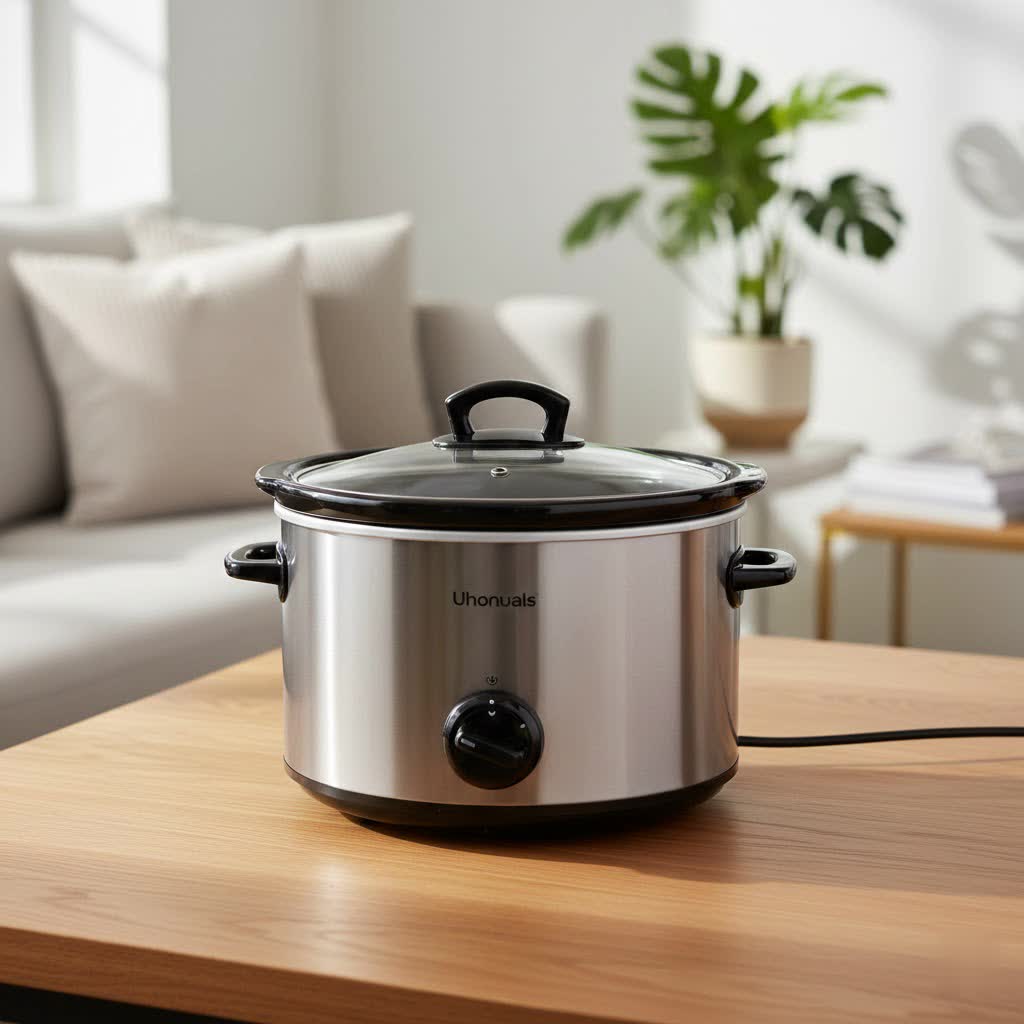
In today’s fast-paced world, finding time to prepare wholesome, home-cooked meals can be a challenge. That’s where the humble slow cooker steps in, offering a convenient solution to effortlessly create delicious dishes with minimal effort. While large capacity models dominate the market, small slow cookers are emerging as kitchen heroes, perfectly suited for individuals, couples, small families, or anyone looking to whip up a delectable side dish or warm appetizer. If you’ve been wondering how to simplify your cooking without sacrificing flavor or nutrition, a compact slow cooker might just be the answer you’re looking for. This comprehensive guide will help you navigate the world of small slow cookers, ensuring you pick the perfect one to fit your lifestyle and culinary needs.
What is a Slow Cooker?
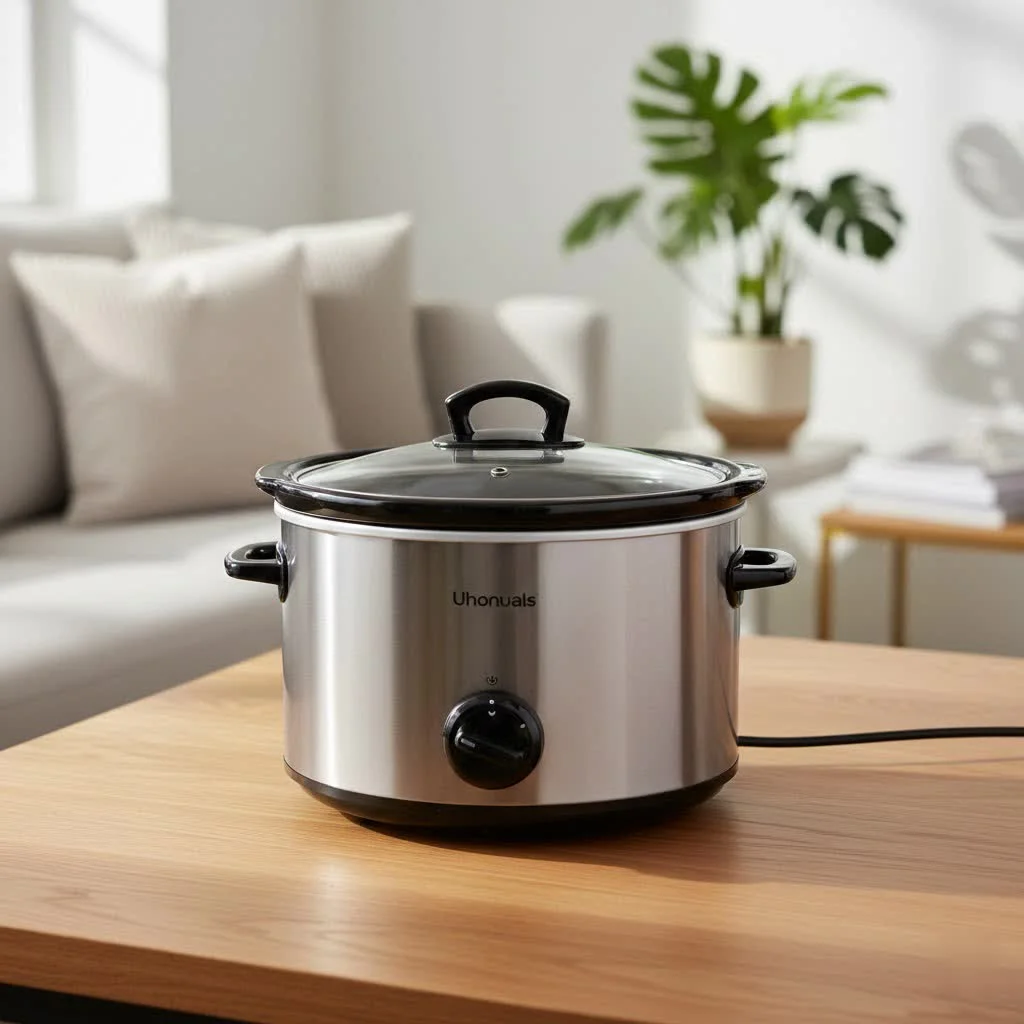
A slow cooker, often generically referred to by the brand name Crock-Pot, is an electric countertop appliance designed to cook food at a low temperature over an extended period. Typically, it operates between 180°F and 210°F, allowing ingredients to simmer gently for six to eight hours or even longer. This slow, moist heat is perfect for braising, tenderizing tougher cuts of meat, and infusing dishes with rich, deep flavors that develop over time. The concept of slow cooking gained popularity in the 1970s, transforming meal preparation by enabling busy individuals to “set it and forget it,” returning home to a ready-to-eat dinner.
At its core, a slow cooker consists of three main parts: an outer heating unit, a removable inner pot (often ceramic or stoneware), and a lid (usually glass). The heating element surrounds the inner pot, providing even, consistent heat. The heavy lid seals in moisture and heat, creating a steamy environment that prevents food from drying out and locks in nutrients. Modern slow cookers have evolved from basic manual models to advanced programmable units with various settings, offering greater control and convenience.
Advantages and Disadvantages of Small Slow Cookers
Small slow cookers offer a unique blend of benefits tailored to specific needs, but like any appliance, they come with certain limitations. Understanding these pros and cons will help you decide if a compact model is the right fit for your kitchen.
Advantages
Small slow cookers bring a host of benefits, making them an excellent addition for many households.
- Time-Saving and Convenient: The “set-it-and-forget-it” nature is paramount. You can load your ingredients in the morning and return to a perfectly cooked meal, freeing up your day for other activities. This hands-off approach makes meal preparation incredibly simple and stress-free.
- Preserves Flavor and Nutrition: The low, slow cooking process helps to tenderize ingredients, especially less expensive cuts of meat, while also allowing flavors to meld beautifully. The sealed environment traps moisture and nutrients, resulting in juicy, flavorful dishes that retain more of their natural goodness.
- Versatile Meal Preparation: Don’t let their size fool you; small slow cookers are surprisingly versatile. They are ideal for single servings, meals for two, side dishes, desserts, and are particularly excellent for keeping dips, sauces, and appetizers warm at parties.
- Energy-Efficient: Compared to a conventional oven, slow cookers use significantly less electricity, making them a more energy-efficient cooking method, especially when cooking for extended periods. This can lead to savings on your utility bills over time.
- Easy Cleanup: Most small slow cookers feature removable inner pots and lids that are dishwasher-safe. The gentle cooking process also reduces the likelihood of food sticking or burning, making cleanup a breeze. Many people also use slow cooker liners for even easier, mess-free cleaning.
- Space-Saving Design: For apartments, dorm rooms, RVs, or kitchens with limited counter and storage space, a small slow cooker is a game-changer. Its compact footprint ensures it won’t clutter your workspace and can be easily stored when not in use.
Disadvantages
|
Our Picks for the Best Slow Cooker in 2026
As an Amazon Associate I earn from qualifying purchases.
|
||
| Num | Product | Action |
|---|---|---|
| 1 | Ninja MC1001 Foodi PossibleCooker PRO 8.5 Quart Multi-Cooker, with 8-in-1 Slow Cooker, Dutch Oven, Steamer, Glass Lid Integrated Spoon, Nonstick, Oven Safe Pot to 500°F, Sea Salt Gray |

|
| 2 | Crock-Pot 6 Quart Cook & Carry Programmable Slow Cooker with Digital Timer Stainless Steel (CPSCVC60LL-S) pack of 1 |
|
| 3 | 3.2L Natural Unglazed Earthenware Casserole,Yixing Zisha Clay Pot for Cooking, Healthy Slow Cooker for Soup, Stew, Rice -Zini,Purple |
|
| 4 | 8-Quart Digital Programmable Slow Cooker with Timer - Small Kitchen Appliance for Family Dinners - Serves 10+ People - Heat Settings: Keep Warm, Low and High |
|
| 5 | 3.2L Natural Unglazed Earthenware Casserole,Yixing Zisha Clay Pot for Cooking, Healthy Slow Cooker for Soup, Stew, Rice -Zhuni,Red |
|
| 6 | Crock-Pot 6 Quart Programmable Slow Cooker with Timer and Auto Food Warmer Setting, Stainless Steel |
|
| 7 | Ninja® 12-in-1 PossibleCooker™ PLUS - 8.5-qt - Sous Vide & Proof Multi-Cooker - Slow Cooker, Dutch Oven & More - Glass Lid & Integrated Spoon - Nonstick - Oven Safe Pot to 500°F - Black - MC1010 |
|
| 8 | Ninja MC1101 Foodi Everyday Possible Cooker Pro, 8-in-1 Versatility, One-Pot Faster Cooking Replaces 10 Tools, Family-Sized Capacity with Adjustable Temp Control, 6.5 quarts, Midnight Blue |
|
| 9 | Crock-Pot Large 8-Quart Programmable Slow Cooker with Auto Warm Setting Black Stainless Steel |
|
| 10 | Crock-Pot 7 Quart Oval Manual Slow Cooker, Stainless Steel (SCV700-S-BR), Versatile Cookware for Large Families or Entertaining |
|
Despite their many benefits, small slow cookers do have some drawbacks to consider.
- Long Cooking Times: As the name suggests, slow cooking requires patience. Dishes typically take several hours to cook, which means it’s not suitable for last-minute meals or quick weeknight dinners unless pre-planned.
- Limited Browning Capability: Slow cookers excel at moist, tender cooking but do not typically brown or crisp food. Recipes that call for browning meat or sautéing vegetables usually require these steps to be done separately on a stovetop before adding them to the slow cooker, adding an extra step.
- Potential for Overcooking: While generally forgiving, leaving food in a slow cooker for too long or using an incorrect setting can result in mushy vegetables or dry, overcooked meat. Precise temperature control can be challenging on simpler models.
- Size Limitations: While a benefit for small portions, the limited capacity means you can’t cook large roasts, whole chickens, or meals for a big crowd. You might need a larger slow cooker or multiple small ones for bigger gatherings.
- Exterior Heat: Some models, particularly more budget-friendly ones, can have exteriors that get quite hot during operation. Always place your slow cooker on a heat-proof surface and use oven mitts when handling it.
Popular Types of Small Slow Cookers
Small slow cookers come in various forms, each offering distinct characteristics that cater to different preferences and cooking styles.
By Capacity
The size of a “small” slow cooker typically ranges from 1 to 4 quarts, with common distinctions:
- 1 to 1.5-Quart Models: These are the smallest options, often referred to as “mini” slow cookers. They are perfect for individual meals, single-serving portions, hot dips, queso, sauces, or keeping condiments warm at a party.
- 2 to 3-Quart Models: Ideal for one or two people, these slow cookers can handle small meals, soups, stews, and side dishes. They strike a good balance between compact size and usable capacity.
- 4-Quart Models: While on the larger end of the “small” spectrum, a 4-quart slow cooker can comfortably serve a small family (3-4 people) or prepare larger side dishes. It can accommodate small roasts or a good batch of chili.
By Shape
The shape of the slow cooker can influence the types of food you cook and how efficiently it uses space.
- Round Slow Cookers: These are very common for smaller capacities due to their compact footprint. They are excellent for soups, stews, chili, and dips.
- Oval Slow Cookers: While more prevalent in larger sizes, some small slow cookers (especially 3-4 quart models) come in an oval shape. This elongated design is better suited for cooking longer cuts of meat like small briskets or tenderloins.
By Material
The material of the inner pot is a key factor in heat distribution and cleaning.
- Ceramic or Stoneware Pots: These are the most common and popular choices. They distribute heat evenly, retain heat well, and are often oven-safe and dishwasher-safe, making them easy to clean and versatile for serving.
- Metal Pots (Non-stick or Stainless Steel): Some slow cookers, especially those with multi-cooker functions, may feature non-stick aluminum or stainless steel inserts. These can sometimes be used for browning on a stovetop before slow cooking, adding to versatility.
By Features
Slow cookers, even small ones, offer a range of features that enhance convenience and control.
- Manual Slow Cookers: These are the most basic, typically offering “Low,” “High,” and “Warm” settings controlled by a simple dial. They are affordable and straightforward but require you to manually monitor cooking times.
- Programmable Slow Cookers: These models come with digital controls and timers, allowing you to set specific cooking durations. Once the cooking time is complete, many automatically switch to a “Keep Warm” setting, preventing overcooking and ensuring your meal is ready when you are.
- Keep Warm Function: A standard feature on most modern slow cookers, this setting maintains food at a safe serving temperature without continuing to cook it, ideal for buffets or staggered meal times.
- Locking Lids: Essential for transporting food, locking lids create a secure seal that prevents spills during commutes to potlucks, parties, or family gatherings.
Choosing the Right Small Slow Cooker: A Buying Guide
Selecting the ideal small slow cooker involves considering your specific needs and priorities. Here’s a practical guide to help you make an informed decision:
Assess Your Usage Needs
Before diving into models, think about how you’ll primarily use your small slow cooker.
- Household Size: Are you cooking for just yourself, a couple, or a small family? This will directly influence the capacity you need.
- Types of Dishes: Will you mostly make dips, individual oatmeal, small soups, or more substantial meals like pulled pork for two?
- Kitchen Space: How much counter space can you dedicate to the appliance, and where will you store it? Consider both its footprint and height.
- Budget: Small slow cookers range widely in price. Determine how much you’re willing to invest based on features and brand reputation.
Capacity is Key
Match the quart size to your typical serving needs to avoid overfilling or underfilling.
- 1-1.5 Quarts: Perfect for single servings, individual breakfasts, small desserts, or keeping appetizers warm. If your main goal is party dips or solo meals, this is your sweet spot.
- 2-3 Quarts: An excellent choice for couples or individuals who enjoy leftovers. This size is versatile enough for small roasts, stews, and soups for up to three people.
- 4 Quarts: This size caters well to small families (3-4 people) or those who want to prepare slightly larger batches of meals, like a small chili or pulled chicken for a few servings.
Material Matters
The inner pot material greatly impacts cooking performance and durability. Ceramic or stoneware inserts are widely favored for their even heat distribution and retention, which are crucial for slow cooking. They also tend to be non-reactive and easy to clean. Many are also aesthetically pleasing enough to go directly from the cooker to the table. For exteriors, stainless steel is durable and easy to wipe clean.
Essential Features to Look For
While small slow cookers are simpler, certain features enhance usability.
- Control Settings: Decide between a basic manual dial (Low, High, Warm) for straightforward operation or a programmable digital interface for timed cooking and automatic warm settings. Programmable options offer greater peace of mind if you’re out for extended periods.
- Keep Warm Function: This is almost standard now and invaluable for keeping food at a safe serving temperature without continuing to cook it.
- Locking Lid: If you plan to transport your slow cooker to potlucks or gatherings, a locking lid is a must-have feature to prevent messy spills.
- Dishwasher-Safe Components: Removable inner pots and lids that are dishwasher-safe significantly simplify cleanup.
- Stay-Cool Handles: For safety and ease of handling, especially when moving a hot slow cooker, look for models with cool-touch handles.
Reputable Brands
Many trusted kitchen appliance brands offer reliable small slow cookers. Some consistently receive high ratings for performance and durability:
- Crock-Pot: The original slow cooker brand, known for its wide range of reliable models, including many compact options.
- Hamilton Beach: Offers a good balance of features, performance, and affordability across various sizes.
- Elite Gourmet: Often features compact designs suitable for dips and smaller meals.
- IMUSA: Known for very compact, budget-friendly options, particularly for dips.
- Courant/Brentwood: Frequently appear in “best mini slow cooker” lists for their basic yet effective performance.
By carefully considering these factors, you can confidently choose a small slow cooker that perfectly integrates into your kitchen and cooking routine.
Top Small Slow Cookers on the Market
Based on expert reviews and user feedback, several small slow cooker models consistently stand out for their performance, features, and value. While the “best” can be subjective, these options offer excellent choices for various needs.
-
Crock-Pot Mini Round Manual Slow Cooker (1.5 – 2 Quart): This compact workhorse is a consistent favorite for its simplicity and reliability. Ideal for single servings, dips, or small side dishes, it typically offers basic High, Low, and Warm settings, making it incredibly easy to use. Its small footprint is perfect for tight spaces.
-
IMUSA 1.5 Quart Slow Cooker: Often lauded as a top pick specifically for dips and small appetizers, the IMUSA model is known for its affordability and effective warming capabilities. Its ceramic cookpot and simple controls make it a go-to for entertaining or individual portions.
-
Elite Gourmet Electric Oval Slow Cooker (1.5 – 2 Quart): Offering a slightly different shape, this Elite Gourmet option can be a good choice if you need to accommodate slightly longer ingredients even in a small capacity. It provides consistent cooking and is a popular choice for small meals.
-
Courant 1.6-Quart Slow Cooker: Praised for its attractive design and consistent performance with three heat settings (High, Low, Warm), this model is versatile for making soups, stews, or keeping dishes warm. Its stainless steel exterior and ceramic crock offer durability and easy cleaning.
-
Hamilton Beach 4 Quart Round Slow Cooker: For those needing a bit more capacity within the “small” range, the Hamilton Beach 4-quart model is often highlighted. It’s suitable for small families or individuals who like to batch-cook. Hamilton Beach is known for durable and reliable appliances.
These models represent some of the most highly-rated small slow cookers, each bringing its own strengths to the compact cooking space. When making your final decision, consider which specific features and capacity best align with your daily cooking habits and kitchen environment.
Tips for Using and Maintaining Your Small Slow Cooker
To get the most out of your small slow cooker and ensure its longevity, follow these essential usage and maintenance tips.
How to Use Your Small Slow Cooker Safely and Effectively
- Prep Ingredients Properly: While slow cookers are forgiving, cutting ingredients into uniform sizes ensures even cooking. Remember that small slow cookers are best for small ingredients or recipes scaled down for their capacity.
- Fill Levels: Always adhere to the minimum and maximum fill lines indicated by the manufacturer. Overfilling can lead to spills and uneven cooking, while underfilling might dry out your food or cause it to cook too quickly.
- Avoid Lifting the Lid: Resist the temptation to peek! Every time you lift the lid, a significant amount of heat escapes, extending the cooking time by as much as 20-30 minutes. Let the slow cooker do its work uninterrupted.
- Browning Meats: If a recipe calls for browned meat, it’s best to sear it in a separate skillet before adding it to the slow cooker. This step builds flavor and improves texture that slow cooking alone cannot achieve.
- Dairy and Fresh Herbs: Add delicate ingredients like dairy products (milk, cream, cheese) and fresh herbs towards the end of the cooking cycle. They can curdle or lose flavor if cooked for too long.
- Thaw Frozen Foods: Always thaw frozen meat or poultry completely before placing it in the slow cooker to ensure safe cooking temperatures are reached quickly.
Cleaning and Care for Longevity
- Unplug Before Cleaning: Always ensure your slow cooker is unplugged and cooled down before you begin cleaning to prevent electrical hazards and burns.
- Dishwasher-Safe Components: Most inner ceramic or stoneware pots and glass lids are dishwasher-safe. Refer to your appliance’s manual to confirm this for your specific model.
- Handwashing: If handwashing, use warm, soapy water and a non-abrasive sponge to clean the inner pot and lid. For stubborn, stuck-on food, fill the pot with warm, soapy water and let it soak for a few hours or overnight before scrubbing.
- Clean the Exterior: Wipe down the exterior heating unit with a damp cloth. Never immerse the heating unit in water.
- Avoid Abrasive Cleaners: Harsh scouring pads or abrasive cleaners can damage the non-stick coating on metal pots or scratch ceramic surfaces.
- Storage: Ensure all components are completely dry before storing to prevent mildew or odors. Store the lid inverted on the pot to allow air circulation.
Following these simple guidelines will help you enjoy delicious, hassle-free meals from your small slow cooker for years to come.
Conclusion
Choosing the best small slow cooker can profoundly transform your approach to daily cooking, offering a blend of convenience, flavor, and efficiency perfectly suited for modern lifestyles. Whether you’re a busy individual, a couple seeking easy meal solutions, or an entertainer needing to keep dishes warm, a compact slow cooker provides a powerful solution without hogging precious kitchen space. From tender stews and flavorful soups to warm, inviting dips, these miniature kitchen marvels empower you to create delicious, home-cooked meals with minimal effort and maximum satisfaction.
Investing in the right small slow cooker means bringing home a tool that not only simplifies your cooking process but also enhances your culinary creativity. It’s about returning to a welcoming aroma after a long day and enjoying comforting food that nurtates both body and soul. Ready to discover the joy of effortless, flavorful cooking?
What delightful dish will you create first in your new small slow cooker?
Frequently Asked Questions
What size slow cooker is best for one person?
For one person, a slow cooker with a capacity of 1 to 1.5 quarts is generally ideal. This size is perfect for single servings of oatmeal, soups, small stews, or keeping individual portions warm. Some 2-quart models can also work well if you enjoy having leftovers.
Can you put frozen meat in a slow cooker?
It is generally not recommended to put frozen meat directly into a slow cooker. Doing so can keep the meat in the “danger zone” (between 40°F and 140°F) for too long, allowing harmful bacteria to multiply. Always thaw frozen meat completely in the refrigerator before adding it to your slow cooker for safe cooking.
Do small slow cookers use a lot of electricity?
No, slow cookers, including small ones, are quite energy-efficient. They use less electricity than a conventional oven, even when running for several hours. Their low wattage and insulated design allow them to cook food slowly without consuming excessive power, making them a cost-effective appliance.
Can you brown meat in a slow cooker?
Traditional slow cookers do not brown meat. The moist, low-heat environment is not conducive to developing a browned, crispy crust. If a recipe calls for browning meat to enhance flavor and texture, it’s best to do this in a separate skillet on the stovetop before transferring the meat to the slow cooker.
Is a small slow cooker good for dips?
Yes, small slow cookers (especially 1 to 2-quart models) are excellent for making and keeping dips warm. They maintain a consistent, low temperature, preventing dips from burning or solidifying, making them perfect for parties, gatherings, or simply enjoying a warm snack.
Cooking gear we tested in our own kitchens
Free PDF — preheat times measured on 10 popular air fryers.
