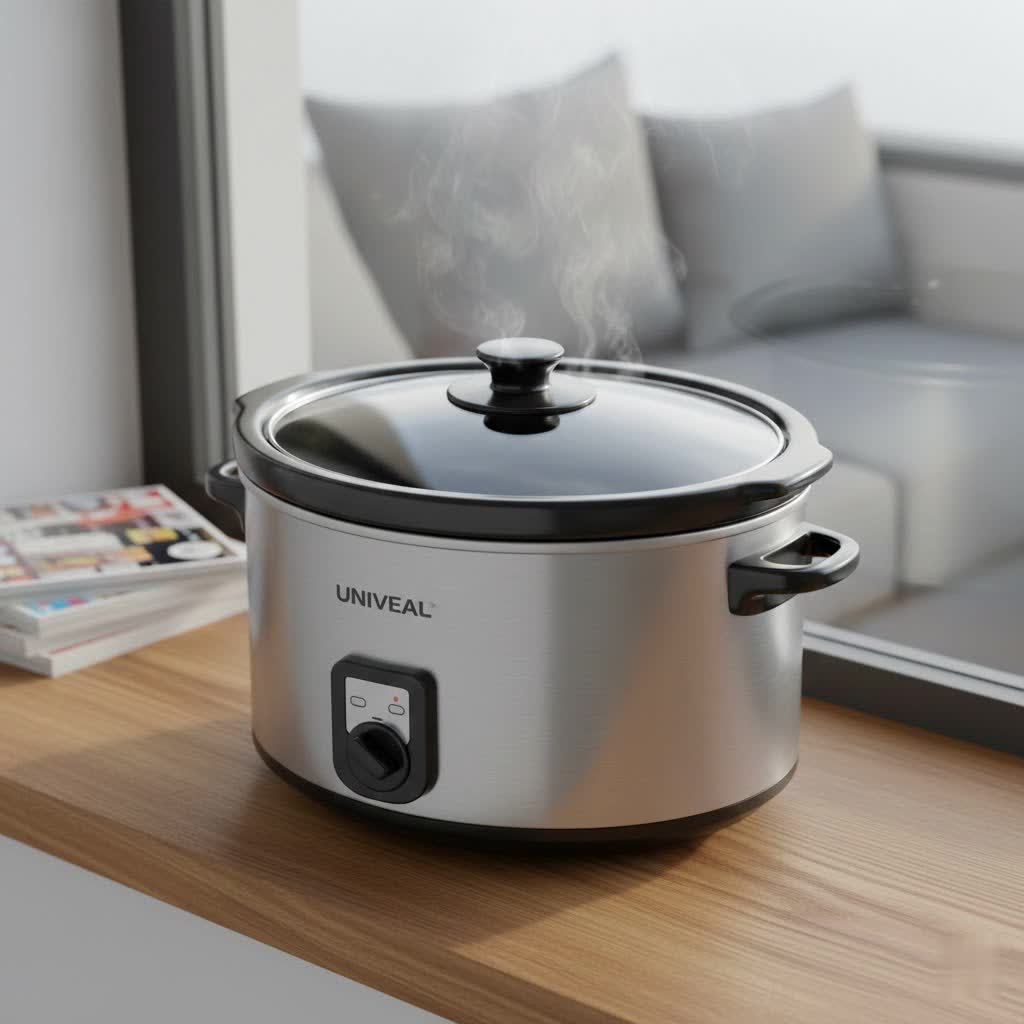
In today’s fast-paced world, the dream of a delicious, home-cooked meal often clashes with the reality of limited time. Enter the slow cooker – a culinary hero that promises to transform your cooking routine. Whether you’re a busy parent, a professional juggling multiple tasks, or simply someone who appreciates a hearty dish without the fuss, understanding how to effectively use a slow cooker can be a game-changer. This guide will demystify everything about these convenient kitchen appliances, helping you prepare mouth-watering meals with minimal effort and maximum flavor.
What is a Slow Cooker?
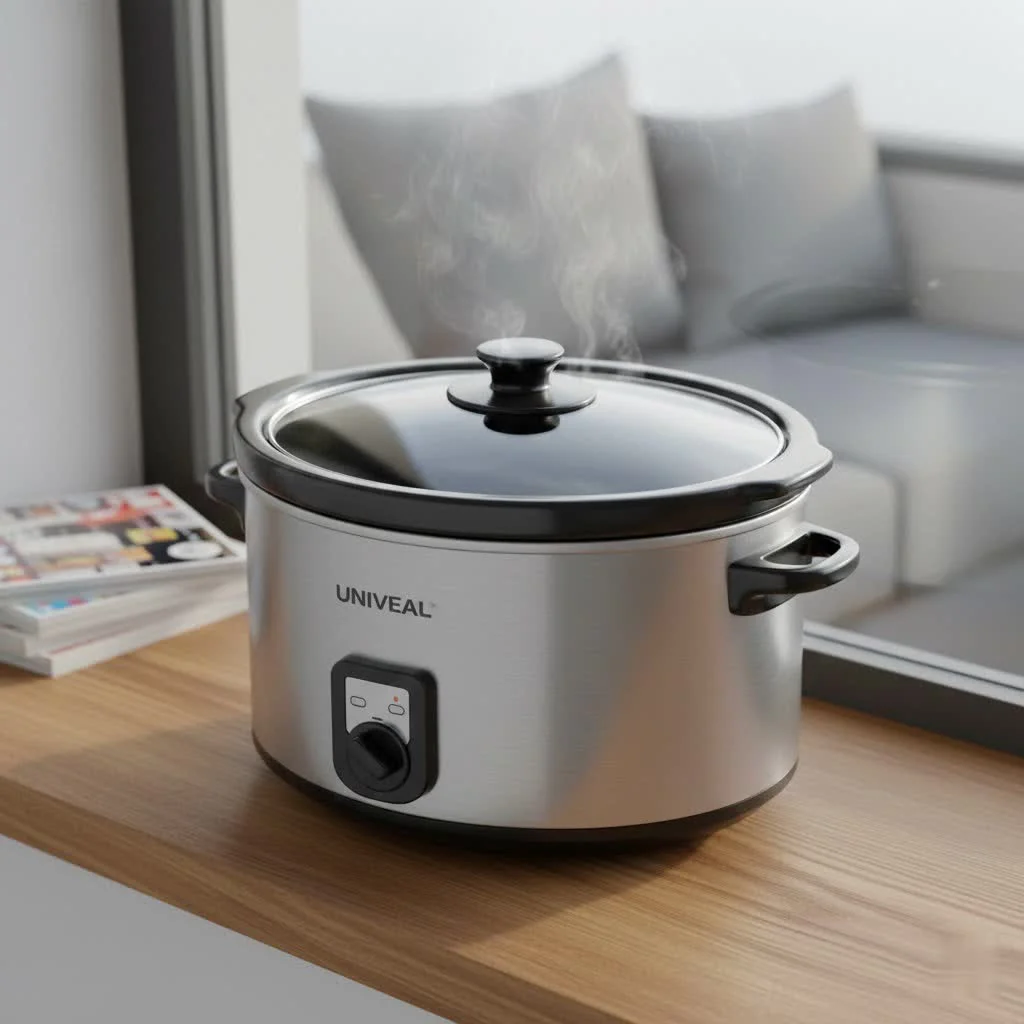
A slow cooker, often generically referred to by the popular brand name Crock-Pot, is a countertop electrical cooking appliance designed to simmer food at a lower temperature than traditional cooking methods like baking or boiling. Its fundamental principle involves prolonged, gentle heat, which is perfect for breaking down tough cuts of meat and infusing ingredients with rich, deep flavors. The appliance typically consists of a heating element within a base, a heavy ceramic or stoneware insert where the food cooks, and a tightly fitting lid that traps moisture and heat. For compare top slow cooker on this site.
The magic of a slow cooker lies in its ability to maintain a consistent, low temperature over several hours. This extended cooking time allows for the tenderization of ingredients, especially less expensive cuts of meat, which become incredibly succulent. While the specific historical timeline isn’t crucial for everyday use, recognizing Crock-Pot as a leading brand that popularized this method highlights its legacy in home kitchens. Each component, from the robust pot to the snug lid, works in harmony to create an ideal environment for hands-off cooking, making it a beloved tool for countless home chefs.
Advantages and Disadvantages of Slow Cookers
Like any kitchen appliance, slow cookers come with their own set of benefits and drawbacks. Understanding these can help you decide if it’s the right fit for your cooking style and needs.
Advantages
- Time and Effort Saving: One of the most significant benefits is the hands-off nature of slow cooking. You can simply add ingredients in the morning, set the timer, and return to a ready-to-eat meal in the evening. This frees up your day for other activities, making it ideal for busy families and professionals.
- Flavor and Nutrition Retention: The low, slow cooking process helps to preserve nutrients that might be lost with higher heat. It also allows flavors to meld and deepen over time, resulting in incredibly rich and aromatic dishes. Foods cooked in a slow cooker often taste more developed and satisfying.
- Versatility in Meals: Slow cookers are incredibly versatile. They can handle a wide array of recipes, from hearty stews, soups, and chili to tender pulled pork, pot roasts, and even desserts like cobblers and puddings. Many users also find them excellent for making stocks or broths.
- Safety and Ease of Use: Slow cookers are designed for safe, unattended operation. The consistent low heat ensures that bacteria are destroyed, making it a safe method for cooking many types of food. They are generally straightforward to operate, often involving just a few simple settings.
- Budget-Friendly: Slow cooking excels at tenderizing less expensive cuts of meat, which are often tougher. This allows you to create gourmet-quality meals without breaking the bank. Additionally, slow cookers are energy-efficient, using less electricity than an oven for extended cooking periods.
Disadvantages
|
Our Picks for the Best Slow Cooker in 2026
As an Amazon Associate I earn from qualifying purchases.
|
||
| Num | Product | Action |
|---|---|---|
| 1 | 8-Quart Digital Programmable Slow Cooker with Timer - Small Kitchen Appliance for Family Dinners - Serves 10+ People - Heat Settings: Keep Warm, Low and High |

|
| 2 | 3.2L Natural Unglazed Earthenware Casserole,Yixing Zisha Clay Pot for Cooking, Healthy Slow Cooker for Soup, Stew, Rice -Zini,Purple |
|
| 3 | Crock-Pot 6 Quart Cook & Carry Programmable Slow Cooker with Digital Timer Stainless Steel (CPSCVC60LL-S) pack of 1 |
|
| 4 | Crock-Pot 6 Quart Programmable Slow Cooker with Timer and Auto Food Warmer Setting, Stainless Steel |
|
| 5 | Ninja MC1101 Foodi Everyday Possible Cooker Pro, 8-in-1 Versatility, One-Pot Faster Cooking Replaces 10 Tools, Family-Sized Capacity with Adjustable Temp Control, 6.5 quarts, Midnight Blue |
|
| 6 | Crock-Pot Large 8-Quart Programmable Slow Cooker with Auto Warm Setting Black Stainless Steel |
|
| 7 | Ninja® 12-in-1 PossibleCooker™ PLUS - 8.5-qt - Sous Vide & Proof Multi-Cooker - Slow Cooker, Dutch Oven & More - Glass Lid & Integrated Spoon - Nonstick - Oven Safe Pot to 500°F - Black - MC1010 |
|
| 8 | Crock-Pot 7 Quart Oval Manual Slow Cooker, Stainless Steel (SCV700-S-BR), Versatile Cookware for Large Families or Entertaining |
|
| 9 | 3.2L Natural Unglazed Earthenware Casserole,Yixing Zisha Clay Pot for Cooking, Healthy Slow Cooker for Soup, Stew, Rice -Zhuni,Red |
|
| 10 | Ninja MC1001 Foodi PossibleCooker PRO 8.5 Quart Multi-Cooker, with 8-in-1 Slow Cooker, Dutch Oven, Steamer, Glass Lid Integrated Spoon, Nonstick, Oven Safe Pot to 500°F, Sea Salt Gray |
|
- Long Cooking Time: The most obvious drawback is the extended cooking duration. While it’s a “set it and forget it” convenience, it’s not suitable for last-minute meals. Planning ahead is essential when using a slow cooker.
- Difficulty in Precise Temperature Control: Basic slow cookers typically offer only “low,” “high,” and “warm” settings, which might not provide the precise temperature control needed for certain delicate recipes. While programmable models offer more flexibility, they still operate within a limited temperature range.
- Risk of Overcooking: If not managed properly, delicate ingredients like certain vegetables or seafood can become mushy or rubbery due to prolonged exposure to heat. It’s crucial to understand when to add these items to maintain their texture.
- Size and Storage: Slow cookers, especially larger capacity models, can be bulky and take up considerable counter or storage space in smaller kitchens. Their weight can also be a factor when moving them around.
Popular Types of Slow Cookers
Slow cookers come in various designs and functionalities, catering to different cooking needs and preferences. Understanding the common classifications can help you choose the best model for your kitchen.
Classified by Shape
The shape of your slow cooker can influence the types of dishes you prepare and how evenly they cook.
- Round Slow Cookers: These are typically smaller in capacity and ideal for dishes like soups, stews, chili, or smaller cuts of meat that fit snugly. Their compact design can be a space-saver.
- Oval Slow Cookers: Oval-shaped slow cookers are generally larger and more versatile, especially for cooking bigger items. They are perfect for accommodating larger cuts of meat like whole chickens, roasts, or racks of ribs, allowing for more even cooking than a round pot might for such items.
Classified by Material
While the exterior housing varies, the internal cooking pot is usually made from materials that retain and distribute heat effectively.
- Ceramic/Stoneware Pots: Most slow cookers feature a removable inner pot made of ceramic or stoneware. These materials are excellent heat conductors, ensuring even cooking and heat retention. They are also typically non-stick and easy to clean, often being dishwasher-safe.
- Metal Pots: Some modern slow cookers, particularly multi-cookers, feature metal (often non-stick aluminum or stainless steel) inserts. These can offer additional functions like browning or searing directly on a stovetop, adding to the appliance’s versatility before slow cooking begins.
Classified by Features
The technological advancements in slow cookers have led to a range of models with varying levels of sophistication.
- Manual Slow Cookers: These are the most basic models, offering simple “off,” “low,” and “high” settings. They are straightforward, reliable, and often the most affordable option, requiring you to manually turn them off or switch to a “warm” setting.
- Programmable Slow Cookers: These models offer enhanced convenience with digital controls. You can set specific cooking times, and many will automatically switch to a “keep warm” setting once the cooking cycle is complete. Some advanced models even allow for temperature probing to ensure food reaches a safe internal temperature.
- Multi-Cookers: These are versatile appliances that combine several functions into one unit, including slow cooking, pressure cooking, sautéing, steaming, and more. Brands like Instant Pot are popular examples. While offering great flexibility, they can sometimes be more complex to operate than a dedicated slow cooker.
Comparing Popular Slow Cooker Types
Selecting the right slow cooker involves weighing various factors. Here’s a comparison to help you make an informed decision:
| Feature/Type | Manual Slow Cooker | Programmable Slow Cooker | Multi-Cooker (with Slow Cooker function) |
|---|---|---|---|
| Control Type | Dial (Off/Low/High/Warm) | Digital (Time/Temp Settings) | Digital (Multiple Programs) |
| Ease of Use | Very straightforward | Easy, with added automation | Moderate to complex, depending on function |
| Key Benefit | Simplicity, affordability | Convenience, “set-it-and-forget-it” | Versatility, space-saving |
| Price Range | Low | Medium | Medium to High |
| Best For | Basic slow cooking, budget-conscious users | Busy individuals needing automation, consistent results | Those seeking multiple cooking methods, limited kitchen space |
| Additional Features | Often basic (no timer) | Auto warm, delayed start, sometimes temperature probe | Pressure cook, sauté, steam, yogurt, etc. |
| Common Brands | Crock-Pot, Hamilton Beach | Crock-Pot, Hamilton Beach, Cuisinart | Instant Pot, Ninja Foodi, Cuisinart |
> “The greatest advantage of a programmable slow cooker is the peace of mind it offers, knowing your meal will be perfectly cooked and held warm, ready when you are.” – Chef Elena Rodriguez, Culinary Instructor
Essential Tips for Choosing a Slow Cooker (Buying Guide)
Choosing the perfect slow cooker requires considering your lifestyle, cooking habits, and kitchen space. Here’s a comprehensive guide to help you make an informed decision.
Determine Your Usage Needs
Before diving into features, consider how you’ll primarily use the appliance.
- Family Size: How many people will you typically be cooking for? This directly impacts the ideal capacity of your slow cooker.
- Types of Dishes: Do you mostly make soups and stews, or do you plan to cook large roasts and whole chickens? This will influence the preferred shape (round vs. oval) and capacity.
- Budget: Slow cookers range widely in price. Determine how much you’re willing to invest, balancing features with your financial comfort.
Choose the Right Capacity
Capacity is measured in quarts (or liters) and is a crucial factor to ensure your food cooks properly without over- or under-filling.
- Small (1.5-3 Quarts): Ideal for individuals, couples, or side dishes. Perfect for dips, small batches of soup, or personal meals.
- Medium (4-5 Quarts): The most popular size, suitable for families of 3-4 people. Great for everyday meals like chili, stews, and small roasts.
- Large (6-8+ Quarts): Best for larger families (5+ people), entertaining, meal prepping, or cooking large cuts of meat like a whole chicken or a substantial pot roast. Ensure you have adequate storage space for these larger models.
Select the Pot Material
Most slow cookers feature a removable insert, typically made of ceramic or stoneware.
- Removable Crocks: Prioritize models with removable inner pots. They are significantly easier to clean, often dishwasher-safe, and can be brought directly to the table for serving. Non-removable crocks can be cumbersome to wash.
Consider Necessary Features
Modern slow cookers offer a range of features that can enhance convenience and cooking precision.
- Settings: Look for basic “low,” “high,” and “warm” settings. The “warm” setting is essential for keeping food at a safe temperature until serving.
- Programmable Timer: A programmable timer allows you to set a specific cooking duration, after which the cooker automatically switches to “warm.” This is a key feature for true “set it and forget it” cooking.
- Delayed Start: Some advanced models allow you to delay the start of cooking, so your meal can begin preparing even if you’re not home to start it immediately.
- Temperature Probe: Higher-end models may include a temperature probe that ensures meats are cooked to a precise internal temperature, enhancing food safety and preventing overcooking.
- Lid Features: A locking lid is fantastic for transporting your slow cooker to potlucks or gatherings, preventing spills. However, remember not to use the locking mechanism during cooking, as it can cause steam buildup.
Trusted Brands
Several brands consistently receive high ratings for their slow cookers, known for durability, performance, and innovation.
- Crock-Pot: The original and often synonymous with slow cooking, offering a wide range of manual and programmable models.
- Hamilton Beach: Known for reliable and feature-rich slow cookers, often at competitive prices. Many models come with convenient features like lid locks and temperature probes.
- Cuisinart: Offers quality slow cookers, including multi-cookers with advanced functionalities.
- Instant Pot: While primarily known for pressure cooking, their multi-cookers excel at slow cooking too, offering versatility in one appliance.
Top 3 Slow Cookers on the Market Today
Based on performance, features, and user reviews, here are some of the best slow cookers currently available that cooks crock pot enthusiasts rave about:
- Hamilton Beach Portable 6 Quart Set & Forget Digital Programmable Slow Cooker: This model consistently earns top marks for its reliability and thoughtful features. It includes a temperature probe that automatically switches to “keep warm” when your food reaches the desired temperature, preventing overcooking. The locking lid is a huge plus for portability, making it perfect for parties or potlucks. It’s durable and easy to use, making it a fantastic all-rounder for most families.
- Crock-Pot Large 8-Quart Programmable Slow Cooker: For larger families or those who frequently entertain, this 8-quart Crock-Pot is an excellent choice. Its programmable settings allow for convenient timed cooking, and the ample capacity means you can prepare substantial meals. It’s praised for its consistent cooking performance and user-friendly digital interface, embodying the traditional Crock-Pot reliability with modern convenience.
- Cuisinart 3-In-1 Cook Central 6-Quart Multi-Cooker: If versatility is your priority, the Cuisinart 3-in-1 Cook Central is a standout. Beyond slow cooking, it offers browning/sautéing and steaming functions, allowing you to sear meats directly in the pot before slow cooking – a huge flavor enhancer. This multi-functional appliance saves counter space and streamlines your cooking process, delivering excellent results across all its modes.
How to Use and Maintain Your Slow Cooker
Maximizing the potential of your slow cooker involves understanding best practices for both cooking and care. Following these guidelines will ensure delicious results and extend the life of your appliance.
Safe and Effective Usage Tips
- Fill Appropriately: Most slow cookers recommend filling the crock between half-full and two-thirds full. Underfilling can lead to overcooked or scorched food due to excessive surface area exposure, while overfilling can cause spills and uneven cooking.
- Layer Ingredients Strategically: Place root vegetables (like carrots and potatoes) at the bottom and sides of the pot, as they take the longest to cook. Meats go next, and more delicate vegetables or dairy should be added later in the cooking process to prevent them from becoming mushy.
- Resist the Urge to Peek: Lifting the lid releases accumulated heat and moisture, significantly extending the cooking time. For best results, keep the lid on throughout the cooking cycle, especially in the initial hours.
- Do Not Lock the Lid While Cooking: The clamps on slow cooker lids are designed for transport, not for cooking. Locking the lid during operation can cause steam to build up excessively, potentially affecting cooking performance or, in rare cases, leading to damage.
- Thaw Frozen Ingredients: For food safety, always thaw frozen meat or poultry before placing it in the slow cooker. Adding frozen items can keep the food in the “danger zone” temperature for too long, promoting bacterial growth.
Cleaning and Maintenance
Proper care ensures your slow cooker remains in top condition and your meals stay delicious and hygienic.
- Clean Immediately After Use: Once cooled, remove the inner pot and lid for cleaning. Most ceramic or stoneware inserts and glass lids are dishwasher-safe, but always check your manual. For stubborn residue, soak the pot in warm, soapy water before scrubbing.
- Wipe Down the Base: The exterior heating base should be wiped clean with a damp cloth. Never immerse the electrical base in water.
- Inspect for Wear: Periodically check the power cord for any signs of fraying or damage. Ensure the ceramic pot has no cracks, as these can worsen with heat exposure.
Common Issues and Troubleshooting
- Food is Dry/Overcooked: You might be cooking for too long, or the cooker might be running too hot. Try reducing the cooking time, especially on the “high” setting, or adding more liquid.
- Food is Undercooked: Ensure the slow cooker is filled correctly (not too little). Double-check that it’s plugged in and on the correct setting. Avoid frequently lifting the lid.
- Uneven Cooking: This can happen if ingredients aren’t layered correctly or if the pot is overstuffed. Cut ingredients into uniform sizes and ensure good liquid distribution.
> “The secret to successful slow cooking lies in patience and strategic layering. Don’t overcrowd your pot, and let the appliance do its job without interference.” – Maria Chen, Home Cooking Expert
Conclusion
The slow cooker stands as a testament to the idea that great food doesn’t always require constant attention. From providing budget-friendly, tender meals to offering unparalleled convenience for busy schedules, its benefits are undeniable. By understanding the different types available, considering your specific needs, and following simple usage and maintenance guidelines, you can effortlessly master the art of slow cooker cooking. Embrace this versatile appliance, and you’ll unlock a world of flavorful, fuss-free dishes that nourish both body and soul.
Are you ready to transform your culinary routine and discover the joy of slow cooking?
Frequently Asked Questions
Can you put frozen meat in a slow cooker?
It is generally not recommended to place frozen meat directly into a slow cooker due to food safety concerns. The low heat of a slow cooker may not heat the meat quickly enough to a safe temperature, allowing bacteria to grow. Always thaw meat thoroughly in the refrigerator before adding it to your slow cooker for safe cooking.
What is the difference between a slow cooker and a Crock-Pot?
“Slow cooker” is the generic name for the appliance, while “Crock-Pot” is a specific brand name of a slow cooker. Similar to how “Kleenex” is often used for facial tissues, “Crock-Pot” has become a widely recognized and often interchangeable term for the countertop appliance.
Is it safe to leave a slow cooker on all day while I’m at work?
Yes, slow cookers are designed to be left on safely for extended periods, typically 6-8 hours on high or up to 10-12 hours on low, depending on the recipe and model. Modern slow cookers have safety features to prevent overheating. Always ensure it’s placed on a stable, heat-resistant surface away from flammable objects.
Can you cook rice in a slow cooker?
While it is possible to cook rice in a slow cooker, it’s often recommended to cook it separately and then add it to your slow cooker dish towards the end. When cooked directly in a slow cooker with other ingredients, rice can sometimes absorb too much liquid and become mushy, or cook unevenly.
Cooking gear we tested in our own kitchens
Free PDF — preheat times measured on 10 popular air fryers.
