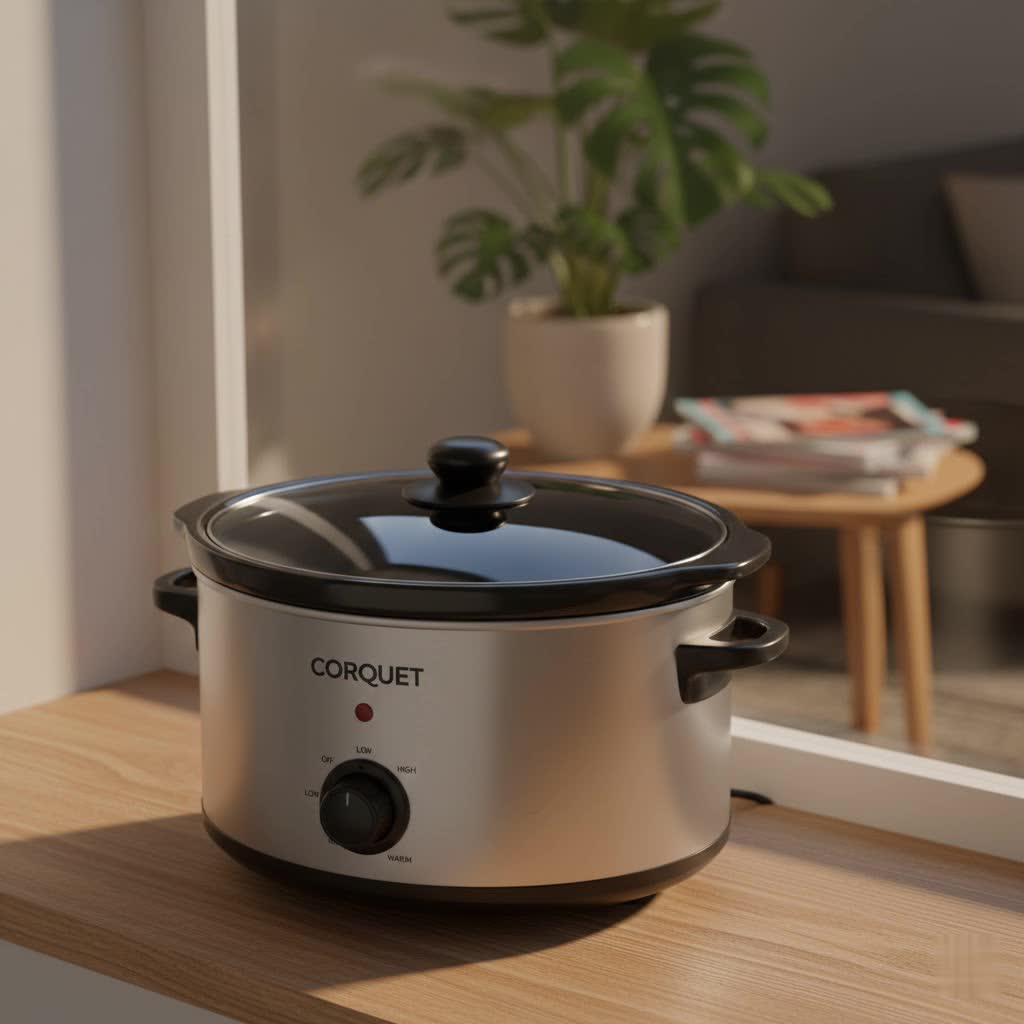
Imagine walking through your door after a long day to the inviting aroma of a perfectly cooked meal, ready to be served with minimal effort. This isn’t a dream; it’s the everyday reality for those who harness the power of an oval slow cooker. Far more than just a kitchen appliance, an oval slow cooker is a gateway to tender meats, rich stews, and a newfound freedom in your busy schedule. Whether you’re a seasoned chef or just starting your culinary journey, understanding this versatile workhorse can transform your approach to home cooking, helping you dish out delicious, nutritious meals tailored to your family’s needs and budget. Let’s delve into the world of oval slow cookers and uncover how to choose the ideal one for your home.
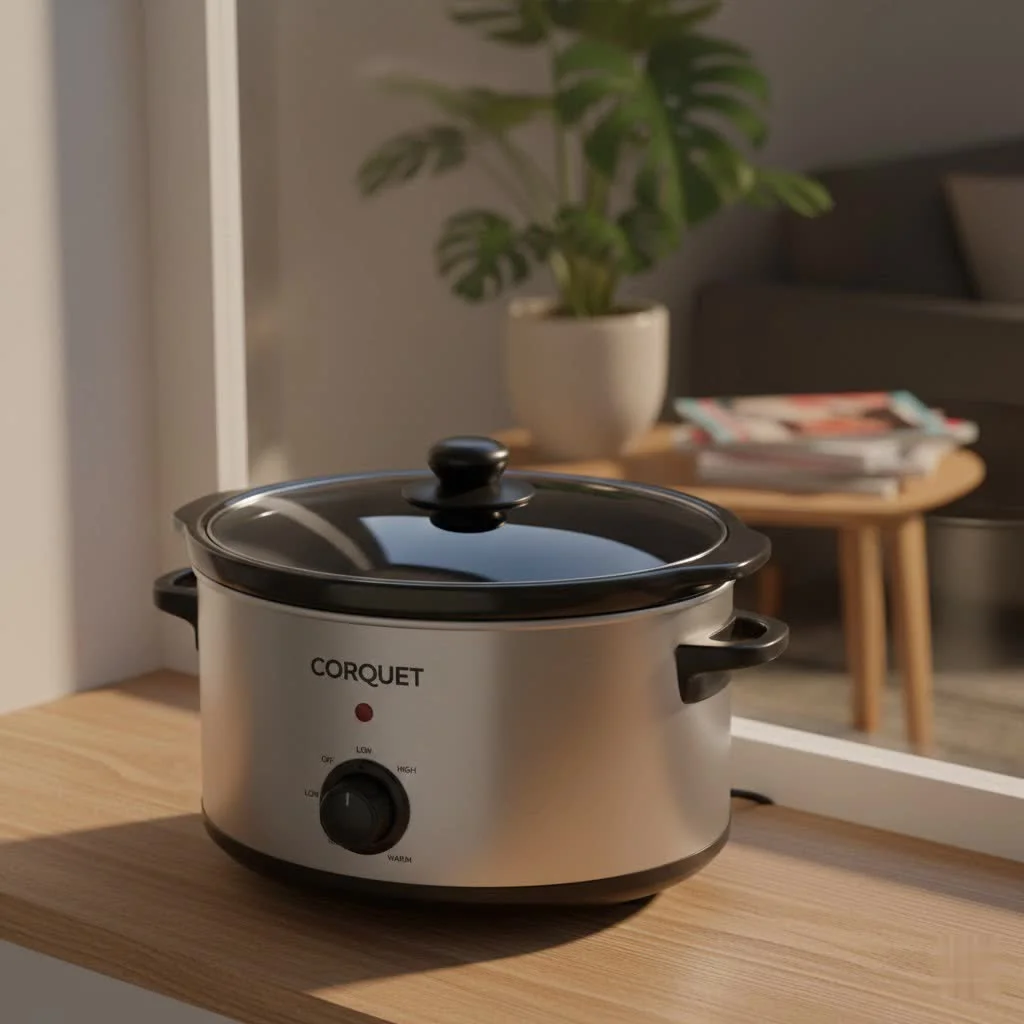
What is a Slow Cooker, and Why the Oval Design?
At its core, a slow cooker is a countertop electrical appliance designed to simmer food at a consistent, low temperature over several hours. This method, often called “set it and forget it” cooking, gently transforms ingredients into flavorful, fall-off-the-bone dishes that are both nourishing and incredibly convenient. It operates by heating a removable inner pot, typically made of ceramic or stoneware, which distributes heat evenly around the food. For slow cooker buying guides on this site.
The concept of slow cooking gained widespread popularity in the United States during the 1940s, primarily to assist women who began working outside the home and needed a way to prepare dinner without constant supervision. The “Crock-Pot” brand, introduced in 1971, significantly boosted this trend, making slow cookers a staple in American kitchens.
While slow cookers come in various shapes, the oval design has emerged as a favorite for many home cooks. The elongated shape is specifically engineered to accommodate larger cuts of meat, such as whole chickens, turkeys, roasts, or racks of ribs, that wouldn’t comfortably fit in a round pot. This makes the oval slow cooker an indispensable tool for family dinners, holiday gatherings, and meal prepping substantial portions. The main components of an oval slow cooker typically include the outer housing with heating elements, a removable oval stoneware insert, and a snugly fitting lid, often glass, to seal in moisture and heat.
Advantages and Disadvantages of Slow Cookers
Like any kitchen appliance, slow cookers offer a unique set of benefits and a few considerations to keep in mind.
Advantages
- Time and Effort Saving: The most significant advantage is the ability to prepare meals in advance. You can load ingredients in the morning, set it, and return hours later to a fully cooked meal. This frees up your time for other activities, making homemade meals accessible even on the busiest days.
- Flavor and Nutrient Retention: The low, slow cooking process tenderizes tough cuts of meat and allows flavors to meld beautifully, often resulting in deeper, richer tastes. It also helps retain moisture and nutrients that might be lost with faster, higher-heat cooking methods.
- Versatility in Dishes: From savory pot roasts, stews, and chilis to soups, pulled pork, and even desserts like cobblers, the range of dishes you can prepare is extensive. Many models can also keep food warm for serving.
- Safety and Ease of Use: Slow cookers are incredibly user-friendly. Most models feature simple controls, and the enclosed cooking environment minimizes the risk of spills or scorching compared to stovetop cooking. The automatic shift to a “warm” setting on many programmable models adds an extra layer of safety and convenience.
- Energy Efficiency: While they cook for a long time, slow cookers use less electricity than a conventional oven, making them a more energy-efficient option for extended cooking. They also don’t heat up your kitchen, which is a bonus in warmer climates.
Disadvantages
|
Our Picks for the Best Slow Cooker in 2026
As an Amazon Associate I earn from qualifying purchases.
|
||
| Num | Product | Action |
|---|---|---|
| 1 | 8-Quart Digital Programmable Slow Cooker with Timer - Small Kitchen Appliance for Family Dinners - Serves 10+ People - Heat Settings: Keep Warm, Low and High |

|
| 2 | Ninja MC1001 Foodi PossibleCooker PRO 8.5 Quart Multi-Cooker, with 8-in-1 Slow Cooker, Dutch Oven, Steamer, Glass Lid Integrated Spoon, Nonstick, Oven Safe Pot to 500°F, Sea Salt Gray |
|
| 3 | 3.2L Natural Unglazed Earthenware Casserole,Yixing Zisha Clay Pot for Cooking, Healthy Slow Cooker for Soup, Stew, Rice -Zini,Purple |
|
| 4 | Crock-Pot 7 Quart Oval Manual Slow Cooker, Stainless Steel (SCV700-S-BR), Versatile Cookware for Large Families or Entertaining |
|
| 5 | Crock-Pot Large 8-Quart Programmable Slow Cooker with Auto Warm Setting Black Stainless Steel |
|
| 6 | 3.2L Natural Unglazed Earthenware Casserole,Yixing Zisha Clay Pot for Cooking, Healthy Slow Cooker for Soup, Stew, Rice -Zhuni,Red |
|
| 7 | Ninja® 12-in-1 PossibleCooker™ PLUS - 8.5-qt - Sous Vide & Proof Multi-Cooker - Slow Cooker, Dutch Oven & More - Glass Lid & Integrated Spoon - Nonstick - Oven Safe Pot to 500°F - Black - MC1010 |
|
| 8 | Crock-Pot 6 Quart Cook & Carry Programmable Slow Cooker with Digital Timer Stainless Steel (CPSCVC60LL-S) pack of 1 |
|
| 9 | Ninja MC1101 Foodi Everyday Possible Cooker Pro, 8-in-1 Versatility, One-Pot Faster Cooking Replaces 10 Tools, Family-Sized Capacity with Adjustable Temp Control, 6.5 quarts, Midnight Blue |
|
| 10 | Crock-Pot 6 Quart Programmable Slow Cooker with Timer and Auto Food Warmer Setting, Stainless Steel |
|
- Long Cooking Time: By definition, slow cooking takes time. This means it’s not suitable for last-minute meals. Planning ahead is essential.
- Difficulty in Precise Temperature Adjustment: Basic manual models offer limited control (usually just “low,” “high,” and “warm”). While programmable models offer more nuance, fine-tuning temperatures like an oven can still be challenging.
- Risk of Over-tenderness: While tender meat is a goal, some delicate ingredients or overcooked dishes can become overly mushy or lose their texture if left too long.
- Size and Storage: Oval slow cookers, especially larger capacities, can take up significant counter and storage space. This might be a consideration for smaller kitchens.
- Lack of Searing/Browning: Most slow cookers don’t reach temperatures high enough for effective searing or browning, which adds depth of flavor. Some multi-cooker models include a browning function, but for traditional slow cookers, you might need to brown meat on the stovetop beforehand.
Types of Slow Cookers
Understanding the different types of slow cookers can help you navigate the market and find the perfect fit for your cooking style.
By Shape
The shape of your slow cooker impacts the type of food you can prepare most effectively.
- Round: Ideal for smaller meals, dips, soups, and stews. They generally take up less counter space for the same volume. However, they may not accommodate larger cuts of meat.
- Oval: This is the most popular shape for families and those who regularly cook larger roasts, whole chickens, or other elongated foods. The oval design maximizes cooking space for these items. Many standard family-sized slow cookers (6 quarts and above) are oval.
- Rectangular: Less common than round or oval, rectangular slow cookers are excellent for dishes like lasagna, casseroles, or larger, flatter cuts of meat. Some modern multi-cookers adopt a rectangular insert.
By Material
The material of the inner cooking pot is crucial for heat distribution, durability, and even safety.
- Ceramic (Stoneware): This is the most traditional and common material for slow cooker inserts. Ceramic is heavy and excels at retaining and distributing heat evenly, which is vital for consistent slow cooking. However, ceramic inserts can be prone to chipping or cracking if dropped or subjected to rapid temperature changes. There have also been historical concerns about lead or cadmium leaching from glazes, particularly with older or lower-quality ceramic, especially when cooking acidic foods. Modern, reputable brands adhere to strict safety standards, but always check for “lead-free” certifications. Ceramic pots are generally not suitable for stovetop searing.
- Stainless Steel: Some slow cookers, particularly multi-cookers, feature stainless steel inner pots. Stainless steel is lighter and often stovetop-safe, allowing for browning ingredients before slow cooking in the same pot. However, it may be more prone to hot spots and might not retain heat as evenly as ceramic, potentially affecting the final texture of some dishes.
- Aluminum: Lightweight aluminum inserts often come with nonstick coatings. While convenient for cleanup, nonstick surfaces can scratch and, over time, may release chemicals.
- Pure Clay: A less common but highly regarded option, pure clay pots are non-reactive and do not leach toxins into food. They require specific care and are typically found in specialized slow cooker designs.
By Features
Slow cookers offer various levels of functionality, from basic to highly advanced.
- Manual Slow Cookers: These are the simplest, typically featuring an “off,” “low,” “high,” and “warm” dial. They are straightforward to use and generally the most affordable. You’ll need to manually turn them off or switch to “warm.”
- Electronic (Programmable) Slow Cookers: These models offer digital controls, allowing you to set precise cooking times. Once the cooking cycle is complete, they automatically switch to a “warm” setting, preventing overcooking and keeping your meal ready until you are. They often include countdown timers and sometimes multiple cooking modes.
- Multifunctional Slow Cookers: The most versatile option, these appliances combine slow cooking with other functions like pressure cooking, sautéing, steaming, baking, and even sous vide. Some high-end models offer features like Wi-Fi connectivity, allowing remote control via a smartphone app, or built-in temperature probes for precise meat cooking. While more expensive, they can replace several other kitchen gadgets.
Comparing Slow Cooker Types
Here’s a comparison to help highlight the differences across various slow cooker options:
| Feature/Type | Round Slow Cooker | Oval Slow Cooker | Multifunctional Cooker (often oval/rectangular) |
|---|---|---|---|
| Primary Use | Soups, stews, dips, smaller meals | Roasts, whole chickens, large cuts of meat, casseroles | All slow cooker uses, plus searing, pressure cooking, steaming, etc. |
| Common Capacity | 1.5 – 4 quarts | 6 – 8+ quarts | 6 – 8+ quarts |
| Footprint | Smaller, fits compact spaces | Larger, requires more counter space | Varies, can be bulky, but replaces multiple appliances |
| Material (Inner Pot) | Often ceramic/stoneware | Most commonly ceramic/stoneware, some stainless steel | Ceramic-coated metal or stainless steel |
| Control Type | Usually manual (low/high/warm) | Manual or programmable | Programmable with multiple settings, digital display, smart features |
| Price Range | Low ($20-$50) | Mid-range ($40-$150) | High ($100-$350+) |
| Pros | Compact, inexpensive, good for small batches | Ideal for large proteins, family meals, good heat retention | Extremely versatile, replaces other appliances, advanced features |
| Cons | Limited for large items, fewer features | Can be bulky, primarily slow cooking | Higher cost, more complex controls, can be heavy |
| Ideal For | Singles, couples, dips/appetizers | Families, entertaining, meal prepping large cuts | Advanced cooks, small kitchens (to save space), tech enthusiasts |
Buying Guide for Your Perfect Oval Slow Cooker
Choosing the right oval slow cooker involves more than just picking a color. Consider these factors to ensure your new appliance perfectly suits your culinary needs.
Determine Your Usage Needs
Start by evaluating how you plan to use your slow cooker.
- Family Size: For a single person or a couple, a 3-4 quart oval slow cooker might suffice for smaller roasts. A family of 3-4 will typically benefit from a 5-6 quart model, while larger families or those who entertain frequently will find an 7-8+ quart slow cooker more appropriate.
- Regularly Cooked Dishes: If you frequently prepare whole chickens, large roasts, or big batches of chili and stew, an oval shape is highly recommended. If you mostly make smaller soups or dips, a round or smaller oval might be sufficient.
- Budget: Slow cookers range widely in price. Determine how much you’re willing to invest based on desired features and frequency of use. Basic manual models are very affordable, while programmable and multifunctional options come at a higher price point.
Choosing the Right Capacity
Capacity is directly related to the volume of food you can cook. Since you’re considering an oval slow cooker, you’re likely aiming for larger meals.
- Small (under 3 liters/3 quarts): Great for dips, side dishes, or meals for one or two.
- Medium (3-5 liters/3-5 quarts): Suitable for small families (3-4 people) or preparing modest roasts.
- Large (over 5 liters/5 quarts): Essential for larger families (5+ people), entertaining, or cooking significant cuts of meat like whole chickens, large pot roasts, or brisket. Many oval slow cookers fall into this category, typically 6-8 quarts.
Selecting the Pot Material
The material of the inner pot influences cooking performance and safety.
- Ceramic/Stoneware: Known for excellent heat retention and even cooking. Look for reputable brands that confirm their glazes are lead and cadmium-free. Remember that ceramic can be heavy and shouldn’t be used on the stovetop.
- Stainless Steel/Ceramic-Coated Metal: Often found in multi-cookers, these materials can be lighter and sometimes allow for stovetop searing, adding versatility. Ensure any non-stick coatings are PFOA/PFAS-free for healthier cooking. Surgical-grade stainless steel is often highlighted for its non-reactive properties.
Essential Features to Consider
Beyond basic cooking, certain features can significantly enhance your slow cooking experience.
- Control Type (Manual vs. Programmable): For ultimate convenience and peace of mind, programmable models that automatically switch to “warm” are highly recommended. If you prefer simplicity and a lower price point, a manual model is perfectly functional.
- Timer Settings: Programmable timers allow you to set cook times from 30 minutes up to 20 hours, offering flexibility for various recipes.
- “Keep Warm” Function: An automatic warm setting is invaluable for keeping food at a safe serving temperature after the cooking cycle finishes, preventing overcooking.
- Lid Type: A clear glass lid allows you to monitor cooking progress without releasing heat and moisture by lifting the lid. Some lids offer a tight seal or locking mechanism, which is excellent for transporting meals.
- Dishwasher-Safe Parts: A removable, dishwasher-safe stoneware insert and lid make cleanup considerably easier.
- Additional Functions: If you want more versatility, consider multi-cookers that offer sauté, pressure cook, steam, or even Wi-Fi connectivity.
Reputable Brands
Many brands have established reputations for quality and reliability in the slow cooker market. Some highly-rated brands include Crock-Pot (the original slow cooker brand), Hamilton Beach, Cuisinart, Instant Pot (for multi-cookers), and newer brands like GreenLife focusing on non-toxic materials. Researching specific models within these brands can help you find one that aligns with your needs.
Top Oval Slow Cookers for Modern Kitchens
Today’s market offers an array of excellent oval slow cookers, each with unique strengths. While specific models and features evolve rapidly, consistently favored types include:
- Large Capacity Programmable Models: These 7-8 quart oval slow cookers are often praised for their ability to handle large roasts and family-sized meals. They usually feature digital controls, programmable timers, and automatic keep-warm functions, providing maximum convenience. Brands like Crock-Pot and Hamilton Beach frequently offer popular models in this category.
- Multi-Cookers with Oval Slow Cooker Functionality: For those seeking versatility, appliances that combine slow cooking with pressure cooking, sautéing, and other modes are highly valued. These often come with stovetop-safe inserts, allowing you to brown meats directly in the pot before slow cooking. Instant Pot and Cuisinart offer highly-rated multi-cookers with robust slow cooking capabilities.
- “Smart” Oval Slow Cookers: Integrating Wi-Fi connectivity, these advanced models allow you to control and monitor your cooking from anywhere via a smartphone app. This is ideal for busy individuals who want to adjust settings or check progress while away from home.
- Budget-Friendly Manual Oval Slow Cookers: For those who prioritize simplicity and cost-effectiveness, basic manual oval slow cookers still offer reliable performance. They are excellent for fundamental slow cooking tasks without extra bells and whistles. Many brands provide reliable 6-7 quart manual options at an accessible price point.
When selecting an oval slow cooker, always consider user reviews focusing on heat consistency, durability of the insert, ease of cleaning, and the practicality of its features for your specific cooking habits.
Using and Caring for Your Oval Slow Cooker
To get the most out of your oval slow cooker and ensure its longevity, proper usage and maintenance are key.
Safe and Effective Use
- Preparation is Key: Always ensure your slow cooker is on a flat, stable, heat-resistant surface away from walls and curtains.
- Layering Ingredients: For best results, place tougher vegetables (like carrots and potatoes) at the bottom, as they cook slower and benefit from closer proximity to the heat source. Meats go next, followed by more delicate vegetables and liquids. Don’t fill the pot more than two-thirds to three-quarters full to prevent overflow and ensure even cooking.
- Lid On, Heat In: Resist the urge to lift the lid frequently. Each time you peek, heat escapes, and the cooking temperature drops significantly, extending the cooking time by as much as 30 minutes.
- Liquid Levels: Slow cookers retain moisture very well, so you’ll typically need less liquid than conventional recipes. Follow slow cooker-specific recipes for best results.
- Food Safety: Keep perishable ingredients refrigerated until ready to add to the slow cooker. Once cooked, food should not sit at room temperature for more than two hours. Promptly refrigerate leftovers in shallow containers.
Cleaning and Maintenance
- Cool Down First: Always allow the stoneware insert to cool completely before washing it or adding cold water, as sudden temperature changes can cause ceramic to crack.
- Easy Cleaning: Most stoneware inserts and glass lids are dishwasher safe. For stubborn, stuck-on food, soak the insert in warm, soapy water before gently scrubbing with a non-abrasive sponge. Avoid harsh scouring pads that can damage the glaze.
- Exterior Care: Wipe down the exterior housing with a damp cloth; never immerse the electrical base in water.
- Storage: Ensure all components are thoroughly dry before storing to prevent mildew or odors.
Common Issues and Troubleshooting
- Food Not Cooking Through: Check that your slow cooker is filled to the appropriate level and that the lid is sealing correctly. Ensure the “low” or “high” setting is selected, not “warm.”
- Food Overcooked/Mushy: This often happens if the cooking time is too long for the recipe or if too much liquid was added. Adjust recipes or choose a programmable model with a precise timer.
- Cracked Stoneware: Avoid sudden temperature changes (e.g., placing a hot pot in cold water or a cold pot in a hot oven). Handle with care. If your stoneware cracks, it’s safer to replace it to prevent food contamination.
“An oval slow cooker isn’t just a convenience; it’s an invitation to expand your culinary repertoire, making hearty, comforting meals accessible even on your busiest days. The secret truly lies in choosing the right tool for your specific cooking adventures.” – Admin, Reviewerty.com, Slow Cooker Expert
Conclusion
The oval slow cooker stands as a testament to convenient and flavorful home cooking. Its unique shape is perfectly designed to tackle larger cuts of meat, making it an indispensable appliance for families and entertainers alike. By understanding the various types, materials, and features available, you can confidently select a model that aligns with your lifestyle, ensuring countless delicious, fuss-free meals. From weeknight dinners to special occasions, the oval slow cooker truly simplifies the culinary process, allowing you to enjoy the rich aromas and tender textures that only slow cooking can deliver.
What will be the first mouth-watering dish you create in your new oval slow cooker?
Frequently Asked Questions
Why choose an oval slow cooker over a round one?
An oval slow cooker is specifically designed to accommodate larger, longer food items like whole chickens, roasts, ribs, or briskets, which would not fit well in a round pot. It offers more versatile cooking space for family-sized meals.
What size oval slow cooker do I need for a family of four?
For a family of four, an oval slow cooker with a capacity of 5 to 6 quarts is generally recommended. This size allows you to cook a good-sized roast or a substantial amount of stew with some leftovers.
Can I brown meat in an oval slow cooker?
Traditional ceramic oval slow cookers typically do not get hot enough to brown meat effectively. For browning, you would usually sear the meat on a stovetop pan before transferring it to the slow cooker. However, some multifunctional slow cookers feature a “sauté” or “sear” function that allows you to brown ingredients directly in their stovetop-safe inner pot.
Are ceramic slow cooker inserts safe?
Modern ceramic slow cooker inserts from reputable brands are generally considered safe, with manufacturers adhering to strict lead and cadmium-free standards. To ensure safety, avoid using chipped or cracked inserts, and hand-wash carefully to prevent damage.
How much liquid should I add to an oval slow cooker recipe?
Slow cookers retain moisture very efficiently, so you’ll typically need less liquid than a conventional recipe. A good rule of thumb is to reduce the liquid by about one-third to one-half compared to a stovetop recipe, or follow slow cooker-specific recipes for precise measurements.
Cooking gear we tested in our own kitchens
Free PDF — preheat times measured on 10 popular air fryers.
