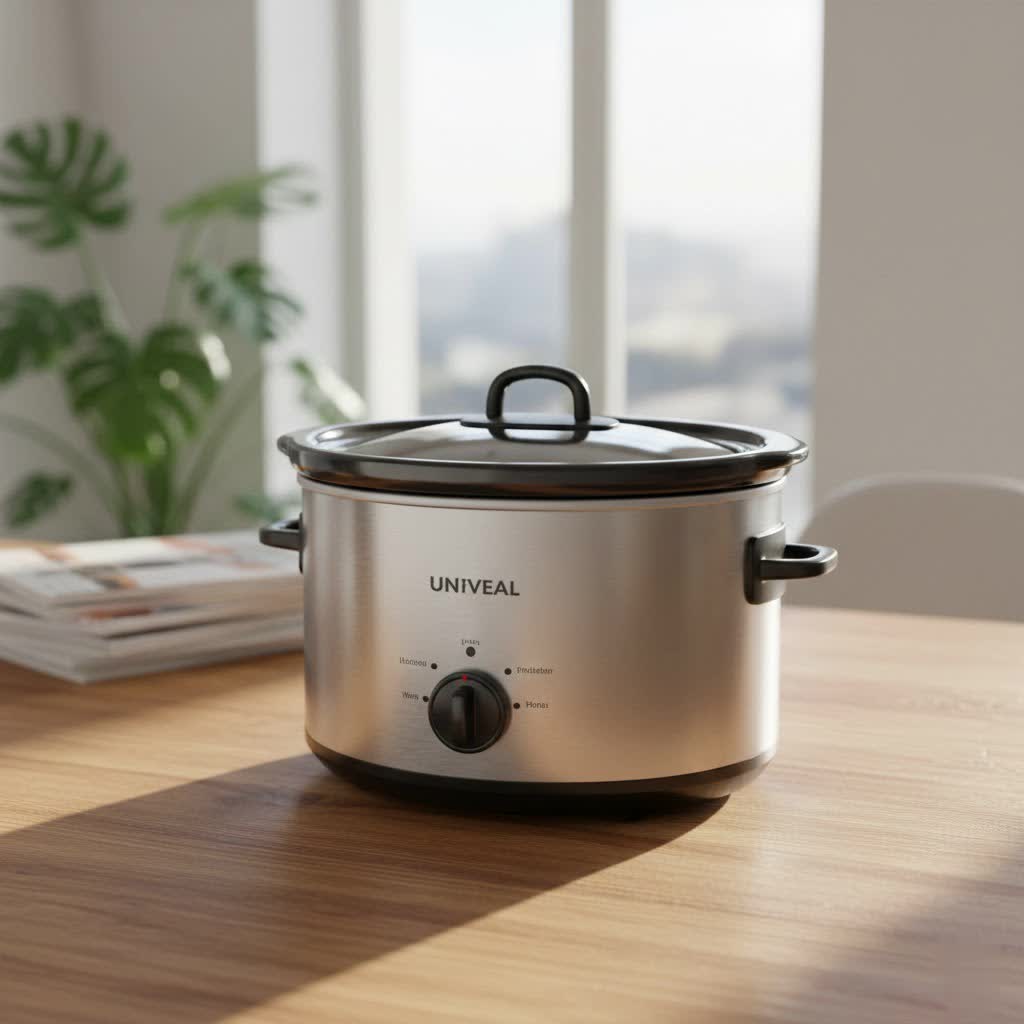
Stepping into the world of slow cooking can transform your kitchen routine, offering delicious, hands-off meals that practically cook themselves. Whether you’re a seasoned chef or a beginner looking to simplify meal prep, understanding how to “hook up” your slow cooker – from initial setup to mastering its functionalities – is key to unlocking its full potential. With over a decade of hands-on experience as a slow cooker technician, I’m here to demystify these incredible appliances, guiding you through every aspect to ensure your culinary journey is both effortless and flavorful.
What is a Slow Cooker (Crock-Pot)?
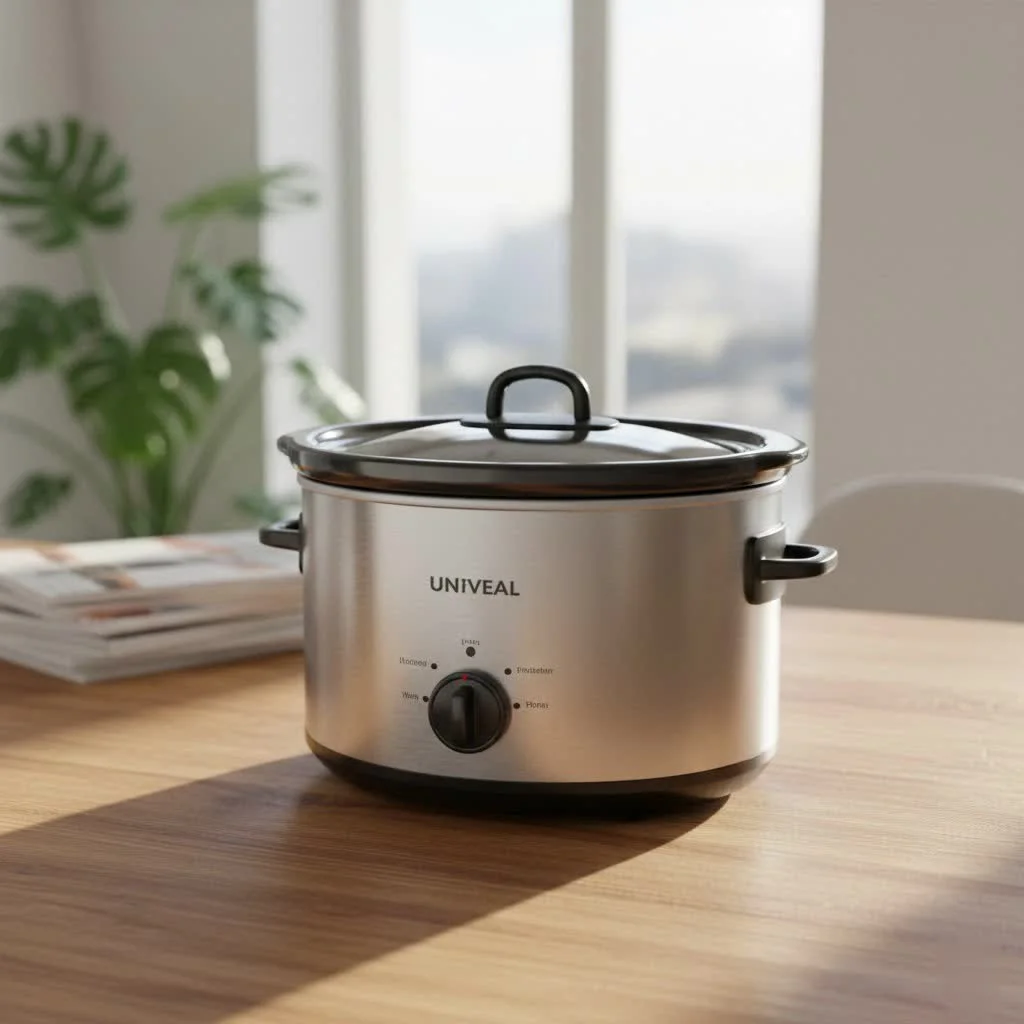
A slow cooker, often generically referred to by the popular brand name Crock-Pot, is an electric countertop appliance designed for unattended cooking of food at relatively low temperatures over several hours. Its fundamental principle is “low and slow” cooking, which tenderizes tougher cuts of meat and melds flavors beautifully. For more slow cooker guides on this site.
The concept dates back to the early 1900s, but it was Rival Manufacturing who popularized the slow cooker in 1970 with the introduction of the Crock-Pot. Early models featured a simple ceramic pot encased in a heating unit; later innovations, such as removable stoneware inserts in 1974, significantly improved ease of cleaning and user convenience.
A basic slow cooker typically consists of three main components:
- The Base: This outer housing, often metal, contains the electric heating element. These low-wattage heating coils wrap around the bottom and sides of the unit, providing consistent, gentle heat. It also houses the control panel, whether a simple dial or a digital interface.
- The Cooking Vessel (Crock/Stoneware): This is the inner pot where your food cooks. Traditionally made from glazed ceramic or stoneware, it’s designed to retain and distribute heat evenly, ensuring your dishes cook thoroughly without scorching. Modern versions can also be made from coated aluminum or steel.
- The Lid: Usually made of glass, the lid fits snugly onto the cooking vessel, trapping moisture and heat inside. This creates a steamy environment essential for tenderizing food and allowing flavors to develop, while preventing excessive evaporation.
Advantages and Disadvantages of Slow Cookers
While slow cookers are culinary marvels, they come with their own set of pros and cons. Understanding these can help you utilize your appliance effectively and manage expectations.
Advantages
- Time and Effort Saving: The most significant benefit. Simply load your ingredients in the morning, set the timer, and come home to a ready-to-eat meal. This “set it and forget it” convenience is perfect for busy schedules.
- Flavor and Nutrition Retention: The low-temperature, long-duration cooking process helps break down tough fibers, resulting in incredibly tender meats and vegetables. It also locks in moisture and allows flavors to deepen and meld, often enhancing the nutritional value by preserving heat-sensitive nutrients better than high-heat methods.
- Versatility in Dishes: Slow cookers are incredibly versatile, capable of preparing a wide array of meals, from hearty stews, chilis, and pot roasts to soups, pulled pork, desserts, and even bread.
- Safety and Ease of Use: With minimal direct interaction required during cooking, slow cookers are safe to leave unattended. Their simple operation makes them accessible to cooks of all skill levels.
- Energy Efficiency: Compared to heating a large oven for hours, a slow cooker uses significantly less electricity, often comparable to a light bulb.
Disadvantages
|
Our Picks for the Best Slow Cooker in 2026
As an Amazon Associate I earn from qualifying purchases.
|
||
| Num | Product | Action |
|---|---|---|
| 1 | Ninja® 12-in-1 PossibleCooker™ PLUS - 8.5-qt - Sous Vide & Proof Multi-Cooker - Slow Cooker, Dutch Oven & More - Glass Lid & Integrated Spoon - Nonstick - Oven Safe Pot to 500°F - Black - MC1010 |

|
| 2 | 3.2L Natural Unglazed Earthenware Casserole,Yixing Zisha Clay Pot for Cooking, Healthy Slow Cooker for Soup, Stew, Rice -Zini,Purple |
|
| 3 | Ninja MC1001 Foodi PossibleCooker PRO 8.5 Quart Multi-Cooker, with 8-in-1 Slow Cooker, Dutch Oven, Steamer, Glass Lid Integrated Spoon, Nonstick, Oven Safe Pot to 500°F, Sea Salt Gray |
|
| 4 | Crock-Pot Large 8-Quart Programmable Slow Cooker with Auto Warm Setting Black Stainless Steel |
|
| 5 | Crock-Pot 6 Quart Programmable Slow Cooker with Timer and Auto Food Warmer Setting, Stainless Steel |
|
| 6 | 3.2L Natural Unglazed Earthenware Casserole,Yixing Zisha Clay Pot for Cooking, Healthy Slow Cooker for Soup, Stew, Rice -Zhuni,Red |
|
| 7 | Crock-Pot 6 Quart Cook & Carry Programmable Slow Cooker with Digital Timer Stainless Steel (CPSCVC60LL-S) pack of 1 |
|
| 8 | Crock-Pot 7 Quart Oval Manual Slow Cooker, Stainless Steel (SCV700-S-BR), Versatile Cookware for Large Families or Entertaining |
|
| 9 | Ninja MC1101 Foodi Everyday Possible Cooker Pro, 8-in-1 Versatility, One-Pot Faster Cooking Replaces 10 Tools, Family-Sized Capacity with Adjustable Temp Control, 6.5 quarts, Midnight Blue |
|
| 10 | 8-Quart Digital Programmable Slow Cooker with Timer - Small Kitchen Appliance for Family Dinners - Serves 10+ People - Heat Settings: Keep Warm, Low and High |
|
- Long Cooking Times: By their very nature, slow cookers require extended cooking periods, typically 4-8 hours. This means they aren’t suitable for spontaneous meal preparation or quick dinners.
- Less Precise Temperature Control (in some models): While most slow cookers offer “Low,” “High,” and “Warm” settings, some basic models lack granular temperature adjustments. This can make adapting certain recipes challenging.
- Risk of Overcooking/Mushy Texture: Due to the long cooking duration and moist environment, some delicate ingredients, especially certain vegetables or pasta, can become overcooked or mushy if not added at the right time.
- Size and Counter Space: Slow cookers can be bulky, occupying valuable counter or storage space, particularly larger capacity models.
- Browning Limitations: Slow cookers don’t brown food. For dishes that benefit from a seared crust (like roasts or sautéed aromatics), pre-browning on a stovetop is often recommended before transferring ingredients to the slow cooker.
Types of Slow Cookers
The slow cooker market offers a variety of models, each designed to cater to different cooking needs and preferences. Understanding the distinctions can help you choose the best fit for your kitchen.
By Shape
- Round: These are generally smaller capacity slow cookers, ideal for dishes that don’t require spreading out, such as stews, dips, or smaller roasts. They fit well in compact kitchens.
- Oval: More common for larger capacities (e.g., 6-quart and up), oval slow cookers are perfect for accommodating larger cuts of meat like whole chickens, roasts, or ribs, allowing for more even cooking of oddly shaped ingredients.
By Material
- Ceramic/Stoneware: The traditional and most common material for the cooking vessel. It excels at retaining and distributing heat evenly, providing the classic slow-cooked results. It’s also generally non-stick and easy to clean.
- Metal (Coated Aluminum/Steel): Some newer models feature lighter metal inserts. While not as efficient at heat retention as ceramic, they heat up and cool down faster, and some are stovetop-safe, allowing for pre-browning ingredients directly in the insert before slow cooking.
By Features
- Manual Slow Cookers: These are the most basic models, typically featuring a simple dial with “Off,” “Low,” “High,” and sometimes “Warm” settings. They require you to manually turn them off when cooking is complete. They are affordable and reliable workhorses.
- Programmable/Digital Slow Cookers: Offering more control, these models allow you to set specific cooking times, after which they often automatically switch to a “Warm” setting. This is ideal for those who are away from home for extended periods. Some also offer delayed start functions.
- Multi-Cookers: These versatile appliances combine slow cooking with other functions like pressure cooking, searing, steaming, and even air frying. While not exclusively slow cookers, they offer the slow cook feature alongside many others, saving counter space.
Specialty Systems: The Crock-Pot™ Hook Up™
Answering the specific search term, the “Crock-Pot™ Hook Up™” is a unique system designed for entertaining and buffet-style serving. These are individual, connectable slow cookers that feature a special, patented plug design, allowing multiple units (up to six) to interlock and share a single electrical outlet. This eliminates the need for numerous power strips or searching for multiple outlets, making it incredibly convenient for parties or large family gatherings where you need to keep several dishes warm or cook simultaneously. Only units within the “Hook Up™” system can connect to each other for safety and compatibility.
Comparing Slow Cooker Types
To help you visualize the differences and make an informed decision, here’s a comparison of common slow cooker types:
| Criteria | Manual Slow Cooker | Programmable Slow Cooker | Multi-Cooker (with Slow Cook function) | Crock-Pot™ Hook Up™ System |
|---|---|---|---|---|
| Control Type | Simple dial (Low, High, Warm) | Digital display with timer | Digital display with multiple function buttons | Simple dial (Low, High, Warm) |
| Automation | Manual shut-off required | Auto switch to Warm after cooking time | Auto switch to Warm; diverse programs | Manual shut-off (for individual units) |
| Versatility | Basic slow cooking | Advanced slow cooking | Slow cook, pressure cook, sear, steam, etc. | Connectable for buffet serving |
| Ideal Use | Everyday cooking, budget-conscious | Busy households, precise timing | All-in-one kitchen appliance | Parties, buffets, multiple dishes at once |
| Capacity | Various (often 3-7 quarts) | Various (often 4-8 quarts) | Various (often 6-8 quarts) | Individual units (e.g., 1-3.5 quarts) |
| Price Range | $25 – $60 | $50 – $120 | $80 – $300+ | $50 – $150 per unit |
| Key Benefit | Simplicity, affordability | Convenience, precision | Space-saving, diverse cooking options | Event hosting, efficient power use |
Buying Guide for Your Slow Cooker
Choosing the right slow cooker involves more than just picking a pretty model. Consider these factors to ensure your appliance truly meets your culinary needs.
Determine Usage Needs
- Family Size: How many people do you typically cook for? A smaller household (1-2 people) might suffice with a 1.5-3 quart model, while a family of 4-6 will likely need a 4-6 quart slow cooker. Larger families or those who enjoy entertaining might opt for 7 quarts or more.
- Common Dishes: If you mostly make soups and stews, a round shape might be fine. For roasts or larger meats, an oval slow cooker is preferable.
- Budget: Slow cookers range widely in price. Determine how much you’re willing to invest, considering that more features often mean a higher cost.
Choose a Suitable Capacity
Matching the slow cooker’s capacity to your needs is crucial for optimal results.
- Small (Under 3 Liters/Quarts): Ideal for single servings, dips, or small side dishes.
- Medium (3-5 Liters/Quarts): Good for 2-4 people, standard meals, and smaller roasts.
- Large (Over 5 Liters/Quarts): Best for families of 4+, entertaining, or batch cooking for meal prep. Using a pot that’s too large for the amount of food can lead to overcooking, while an overfilled pot may cook unevenly. Aim to fill your slow cooker at least half full, but no more than two-thirds.
Select Pot Material
- Ceramic/Stoneware:
- Pros: Excellent heat retention, even cooking, easy to clean, generally non-reactive.
- Cons: Heavier, more fragile, not stovetop safe.
- Coated Metal (Aluminum/Steel):
- Pros: Lighter, more durable, often stovetop safe for searing.
- Cons: May not retain heat as consistently, potentially less even cooking.
Essential Features
- Cooking Modes (Low, High, Warm): All slow cookers offer Low and High. A “Warm” setting is invaluable for keeping food at a safe serving temperature after cooking is complete, without overcooking.
- Programmable Timer: A digital timer that allows you to set precise cooking durations and automatically switches to “Warm” is a game-changer for busy individuals.
- Delay Start: Some advanced models allow you to delay the start of cooking, so your meal is ready precisely when you need it.
- Lid Features: A tight-fitting lid is essential. Locking lids are great for transport, preventing spills if you’re taking your slow cooker to a potluck.
- Child Lock: A safety feature to prevent accidental changes to settings.
Reputable Brands
Many brands offer quality slow cookers. Some consistently highly-rated options include:
- Crock-Pot: The original and still a leader, offering a wide range from basic to advanced models, including the unique Hook Up™ system.
- Hamilton Beach: Known for reliable and affordable slow cookers with practical features.
- Cuisinart: Offers premium models with durable construction and precise controls.
- KitchenAid: Provides stylish and robust options, often with advanced features.
- Ninja/Instant Pot (for multi-cookers): If you’re looking for a multi-functional appliance that includes a slow cook setting, these brands are popular choices.
How to Use and Maintain Your Slow Cooker
Proper “hook up” extends beyond just plugging in your slow cooker; it’s about mastering its operation for optimal results and ensuring its longevity.
Initial Setup and First Use
- Unpack and Clean: Before its first use, unpack all components. Wash the removable stoneware/crock and the lid thoroughly with warm, soapy water. Rinse well and dry completely. The base unit should only be wiped down with a damp cloth if needed, never submerged in water.
- Placement: Place your slow cooker on a flat, heat-resistant surface, away from walls or cabinets, to allow for adequate airflow and heat dissipation.
- Assemble: Insert the clean, dry stoneware into the base. Add your ingredients according to your recipe. Place the lid securely on top.
- Power Up: Plug the power cord into a grounded electrical outlet.
- Select Setting: Choose your desired cooking setting (Low or High) and time, following your recipe’s instructions.
- Preheat (Optional but Recommended): While not strictly necessary for all recipes, preheating your slow cooker for 15-20 minutes while you prep ingredients can help it reach cooking temperature faster and ensure more even cooking, especially for dishes with meat. Avoid preheating for too long to prevent scorching the insert.
Tips for Best Results
- Resist Lifting the Lid: Every time you lift the lid, the slow cooker loses a significant amount of heat, extending the cooking time by at least 20-30 minutes. Only peek if absolutely necessary or specified by the recipe.
- Layer Ingredients Strategically: Place root vegetables (carrots, potatoes) at the bottom, as they take longer to cook and benefit from being closer to the heat source. Meat goes next, followed by lighter, faster-cooking vegetables and liquids.
- Mind Your Liquids: Slow cookers retain a lot of moisture, so you often need less liquid than conventional stovetop recipes. Don’t overfill the pot; aim for two-thirds full at most.
- Pre-Browning Meats and Aromatics: For richer flavor and better texture, searing meat and sautéing aromatics (like onions and garlic) in a separate pan before adding them to the slow cooker can make a big difference.
- Add Dairy Late: Milk, cream, or cheese can curdle if cooked for extended periods at high temperatures. Add them during the last 30-60 minutes of cooking.
- Check Doneness: Use a meat thermometer to ensure meats reach safe internal temperatures (e.g., poultry 165°F, pork 145°F, beef 145°F for medium-rare, higher for well-done).
Cleaning and Maintenance
- Unplug and Cool: Always unplug your slow cooker and allow it to cool completely before cleaning.
- Wash Removable Parts: The stoneware crock and lid are almost always dishwasher-safe. For stubborn stuck-on food, soak them in warm, soapy water before scrubbing.
- Clean the Base: Wipe down the exterior of the heating base with a damp cloth. Never immerse the base in water.
- Inspect Cord: Periodically check the power cord for any fraying or damage.
- Storage: Store your slow cooker in a dry place. You can invert the lid and place it inside the stoneware, then stack the stoneware within the base to save space.
Common Issues and Troubleshooting
- Food Cooking Too Fast/Slow: Cooking times can vary slightly between models. Get to know your specific cooker. If food consistently cooks too fast, try the “Low” setting or adjust the cook time. If too slow, ensure the lid is sealed properly and your pot isn’t underfilled.
- Food Sticking: Ensure you lightly grease the crock, or use slow cooker liners for easier cleanup.
- Lid Doesn’t Fit Properly: A tight-fitting lid is crucial. If yours seems loose, check for any debris around the rim or wear on the lid itself.
Conclusion
The slow cooker remains an indispensable tool for modern kitchens, offering unparalleled convenience and the promise of delicious, home-cooked meals with minimal effort. By understanding its components, knowing how to properly set it up, and embracing best practices for its use and maintenance, you can maximize its benefits. From basic stews to complex gourmet dishes, and even catering large gatherings with innovative systems like the Crock-Pot™ Hook Up™, your slow cooker is ready to become your most reliable kitchen companion. Embrace the “low and slow” philosophy, and savor the rich flavors and freed-up time it brings to your life.
What delicious slow cooker creation will you “hook up” next?
Frequently Asked Questions
What’s the difference between a Crock-Pot and a slow cooker?
While often used interchangeably, “Crock-Pot” is actually a brand name, similar to how “Kleenex” refers to tissues. All Crock-Pots are slow cookers, but not all slow cookers are Crock-Pots. The term “slow cooker” refers to the appliance type.
Can I put frozen meat directly into a slow cooker?
It is generally not recommended to put frozen meat directly into a slow cooker. The appliance takes too long to bring the meat out of the “danger zone” (40-140°F), where bacteria can multiply rapidly. Always thaw frozen meat completely before adding it to your slow cooker.
Do I need to fill my slow cooker completely?
No, you don’t need to fill it completely. Most recipes suggest filling your slow cooker between half-full and two-thirds full for optimal cooking. An underfilled pot may cook too quickly, while an overfilled one can cook unevenly and overflow.
How long can food stay on the “Warm” setting?
Most manufacturers recommend keeping food on the “Warm” setting for no more than 2-4 hours after the main cooking cycle is complete. While it keeps food hot, prolonged warming can affect food quality and safety.
Can I leave my slow cooker unattended overnight or while at work?
Yes, slow cookers are designed for unattended operation. Their low, consistent heat and insulated design make them safe to leave cooking while you’re away from home or sleeping, provided the appliance is in good working order and placed on a stable, heat-resistant surface.
Why is my slow cooker food dry?
Food in a slow cooker can become dry if the lid is frequently lifted, allowing moisture to escape, or if too little liquid was added initially. It can also happen if the food is overcooked on a high setting for too long. Ensure a tight lid seal and proper liquid levels.
Are slow cooker liners safe to use?
Yes, slow cooker liners made from heat-resistant plastic are generally safe to use and can significantly simplify cleanup. They are designed to withstand the temperatures of slow cooking and are food-grade safe.
Cooking gear we tested in our own kitchens
Free PDF — preheat times measured on 10 popular air fryers.
