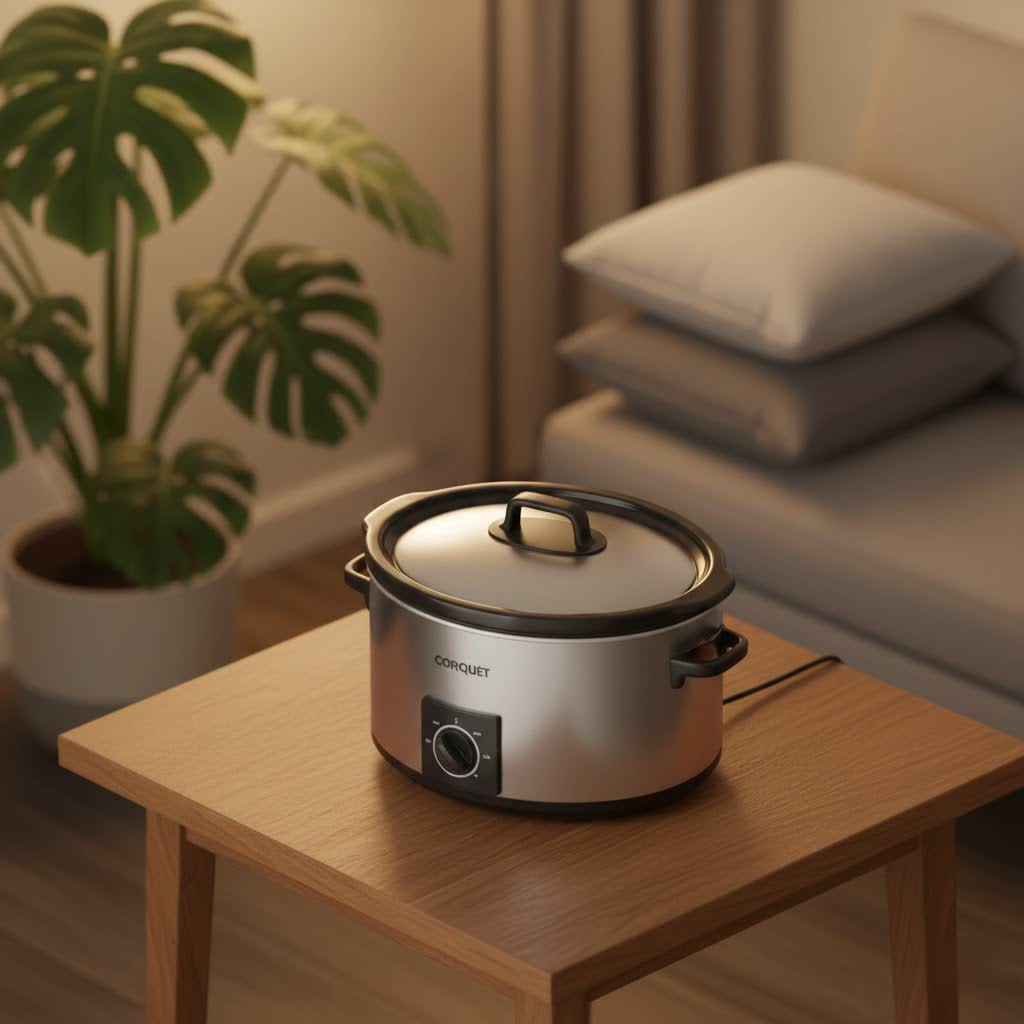
In our fast-paced lives, the desire for homemade meals often clashes with the reality of limited time. If you’ve ever wished for a kitchen appliance that could drastically cut down cooking hours without compromising on taste or nutrition, you’re not alone. Many home cooks struggle to balance healthy eating with demanding schedules, leading to reliance on quick, often less nutritious, alternatives. The solution lies in the innovative world of fast cookers, a category of appliances designed to bring delicious, wholesome meals to your table in a fraction of the traditional time. This comprehensive guide will delve into everything you need to know about these culinary game-changers, helping you embrace a more efficient and flavorful cooking experience.
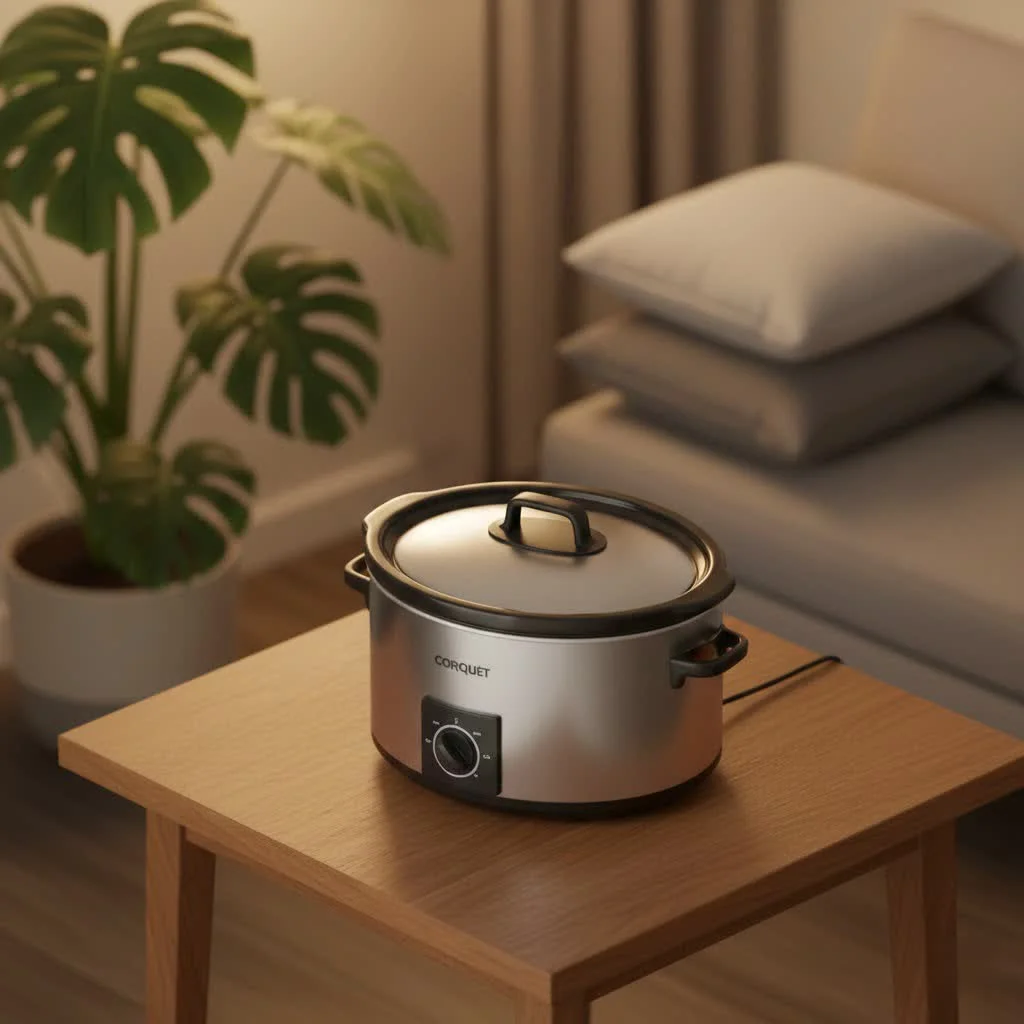
What is a Fast Cooker?
A fast cooker primarily refers to a pressure cooker, an ingenious kitchen appliance that cooks food significantly quicker than conventional methods. Its core principle relies on a sealed environment that traps steam, causing the internal pressure and boiling point of water to rise well beyond the standard 212°F (100°C). This elevated temperature and pressure force moisture into food rapidly, breaking down tough fibers and cooking ingredients at an accelerated rate. While traditional pressure cookers were stovetop models, the modern era has introduced electric multi-cookers, like the popular Instant Pot, which integrate pressure cooking with a host of other functionalities. The history of pressure cooking dates back to the 17th century, but today’s models feature advanced safety mechanisms and user-friendly designs that make them indispensable tools in contemporary kitchens. For best slow cooker roundups on this site.
At its heart, a fast cooker consists of several key components: the main cooking pot (often stainless steel or non-stick), a heavy, airtight lid equipped with a sealing ring or gasket, and various valves. The main valve regulates the release of steam and pressure, while safety valves act as backups to prevent excessive pressure buildup. Electric models also feature intuitive control panels with pre-programmed settings for different types of food, making them incredibly easy to operate.
Advantages and Disadvantages of Fast Cookers
Understanding the full scope of a fast cooker’s capabilities and limitations is crucial for integrating it effectively into your culinary routine. These appliances offer a compelling blend of benefits, but also present a few considerations.
Advantages
- Time and Energy Savings: The most significant advantage of a fast cooker is its ability to reduce cooking times by 40% to 70% compared to conventional methods. This means tough cuts of meat that typically braise for hours can be fork-tender in under an hour, and dried beans cook in minutes instead of soaking overnight and simmering for hours. The shorter cooking duration also translates directly into lower energy consumption, making them an economical choice in the long run.
- Enhanced Flavor and Nutrient Retention: By trapping steam and cooking food quickly, fast cookers lock in moisture and flavor, often resulting in more succulent and aromatic dishes. The minimal exposure to air and reduced cooking liquid also helps preserve more heat-sensitive vitamins and minerals that might otherwise degrade or leach out during longer cooking processes.
- Versatility in Cooking: Modern electric fast cookers, often called multi-cookers, are true kitchen workhorses. Beyond pressure cooking, they typically offer functions such as slow cooking, sautéing, steaming, rice cooking, and even yogurt making. This multi-functional design can declutter your countertops by replacing several single-purpose appliances with one compact unit.
- Safety and Ease of Use (Modern Models): While older stovetop pressure cookers had a reputation for being intimidating or even dangerous, today’s electric fast cookers feature advanced safety mechanisms. These include locking lids, automatic pressure regulation, sensors to prevent overheating, and various pressure release methods, making them remarkably safe and user-friendly, even for beginners.
Disadvantages
|
Our Picks for the Best Slow Cooker in 2026
As an Amazon Associate I earn from qualifying purchases.
|
||
| Num | Product | Action |
|---|---|---|
| 1 | Crock-Pot 7 Quart Oval Manual Slow Cooker, Stainless Steel (SCV700-S-BR), Versatile Cookware for Large Families or Entertaining |

|
| 2 | 8-Quart Digital Programmable Slow Cooker with Timer - Small Kitchen Appliance for Family Dinners - Serves 10+ People - Heat Settings: Keep Warm, Low and High |
|
| 3 | Crock-Pot 6 Quart Programmable Slow Cooker with Timer and Auto Food Warmer Setting, Stainless Steel |
|
| 4 | Ninja® 12-in-1 PossibleCooker™ PLUS - 8.5-qt - Sous Vide & Proof Multi-Cooker - Slow Cooker, Dutch Oven & More - Glass Lid & Integrated Spoon - Nonstick - Oven Safe Pot to 500°F - Black - MC1010 |
|
| 5 | Ninja MC1001 Foodi PossibleCooker PRO 8.5 Quart Multi-Cooker, with 8-in-1 Slow Cooker, Dutch Oven, Steamer, Glass Lid Integrated Spoon, Nonstick, Oven Safe Pot to 500°F, Sea Salt Gray |
|
| 6 | 3.2L Natural Unglazed Earthenware Casserole,Yixing Zisha Clay Pot for Cooking, Healthy Slow Cooker for Soup, Stew, Rice -Zini,Purple |
|
| 7 | Crock-Pot 6 Quart Cook & Carry Programmable Slow Cooker with Digital Timer Stainless Steel (CPSCVC60LL-S) pack of 1 |
|
| 8 | 3.2L Natural Unglazed Earthenware Casserole,Yixing Zisha Clay Pot for Cooking, Healthy Slow Cooker for Soup, Stew, Rice -Zhuni,Red |
|
| 9 | Ninja MC1101 Foodi Everyday Possible Cooker Pro, 8-in-1 Versatility, One-Pot Faster Cooking Replaces 10 Tools, Family-Sized Capacity with Adjustable Temp Control, 6.5 quarts, Midnight Blue |
|
| 10 | Crock-Pot Large 8-Quart Programmable Slow Cooker with Auto Warm Setting Black Stainless Steel |
|
- Longer Initial Learning Curve: While modern fast cookers are safer, there’s still a learning curve, especially for those new to pressure cooking. Understanding the different pressure release methods (natural, quick, manual), minimum liquid requirements, and proper sealing techniques is essential for safe and effective operation.
- Potential for Overcooking: The rapid and intense cooking environment of a fast cooker means that precise timing is critical. It’s easier to overcook delicate ingredients like vegetables or seafood if not timed accurately, potentially leading to mushy textures. There’s no “peeking” or stirring midway through pressure cooking to check doneness.
- Cannot Monitor Cooking Progress: Unlike traditional stovetop cooking where you can taste and adjust seasonings as you go, once a fast cooker is sealed and pressurized, you cannot open the lid until the pressure is released. This requires some planning and adherence to recipes, though many experienced users develop an intuitive sense for timing.
- Size and Storage: Many electric fast cookers, especially those with larger capacities or multi-functionality, can be quite bulky. This might be a consideration for kitchens with limited counter or storage space, although compact models are available.
Types of Fast Cookers
Fast cookers primarily come in two main categories, each with distinct characteristics that appeal to different cooking styles and preferences.
Stovetop Pressure Cookers
Stovetop pressure cookers are the traditional form of fast cooker. They are placed directly on a stove burner and rely on the external heat source to build internal pressure. These models are typically made from stainless steel or aluminum and often reach higher pressure levels (around 15 PSI or pounds per square inch) than electric models, which can result in even faster cooking times. They offer manual control over the heat, allowing experienced cooks to finely tune the cooking process. Stovetop pressure cookers are generally more efficient at searing and browning foods due to their ability to get much hotter. However, they require closer monitoring throughout the cooking cycle, including manual pressure release, and do not offer the multi-functionality of their electric counterparts.
Electric Pressure Cookers (Multi-Cookers)
Electric pressure cookers, often popularized by brands like Instant Pot, are self-contained units with their own heating element. These appliances have revolutionized fast cooking by making it more accessible and automated. They are essentially multi-cookers, combining pressure cooking with a variety of other functions such as slow cooking, sautéing, steaming, making rice, and even preparing yogurt. Electric models typically operate at a slightly lower pressure (around 9-12 PSI) than stovetop versions, meaning cooking times might be marginally longer for some dishes, but still vastly quicker than conventional methods. Their main draw is convenience: built-in programs and smart controls take the guesswork out of cooking, often featuring delay start and keep-warm functions. They also boast numerous advanced safety features, providing peace of mind for users.
Stovetop vs. Electric Fast Cookers: A Comparison Table
Choosing between a stovetop and an electric fast cooker depends on your priorities, cooking experience, and kitchen setup. Here’s a comparative overview:
| Feature | Stovetop Pressure Cooker | Electric Pressure Cooker (Multi-Cooker) |
|---|---|---|
| Speed | Generally faster (up to 15 PSI) | Fast (typically 9-12 PSI) |
| Control | Manual heat control, requires monitoring | Automated, programmed settings |
| Versatility | Primarily pressure cooking | Multi-functional (slow cook, sauté, steam, etc.) |
| Searing/Browning | Excellent, reaches higher temperatures | Good, but often less intense than stovetop |
| Safety | Requires careful manual operation | Advanced built-in safety features, more user-friendly |
| Ease of Use | Moderate learning curve | Simple with presets, “set it and forget it” |
| Portability | More portable (no power cord needed) | Needs electrical outlet, less portable |
| Price | Generally lower upfront cost | Often higher, but offers multiple appliance functions |
| Ideal User | Experienced cooks, specific pressure cooking needs | Busy individuals, beginners, small kitchens |
How to Choose the Best Fast Cooker (Buying Guide)
Selecting the right fast cooker can feel overwhelming with the array of options available. Consider these factors to make an informed decision that suits your lifestyle and cooking habits.
Determine Your Cooking Needs
Before diving into models, think about how you’ll use the appliance.
- Household Size: How many people do you typically cook for? This directly impacts the ideal capacity.
- Types of Dishes: Do you primarily want to cook stews, beans, or tough meats, or are you looking for an all-in-one appliance for a wider range of dishes, including rice, yogurt, or even cakes?
- Budget: Fast cookers range in price, so having an estimated budget will help narrow down your choices.
Capacity Matters
Fast cookers come in various sizes, measured in quarts or liters.
- Small (under 4 quarts): Ideal for single servings, small households (1-2 people), or side dishes.
- Medium (4-6 quarts): A popular choice for most families (2-4 people), versatile enough for everyday meals.
- Large (6+ quarts): Best for larger families (5+ people), meal prepping, or entertaining guests.
Material and Build Quality
The material of the inner pot and the overall construction affects both durability and cooking performance.
- Stainless Steel: Durable, non-reactive, and easy to clean (often dishwasher safe). Many multi-cookers feature a stainless steel inner pot.
- Non-stick: Convenient for preventing food from sticking, but may be less durable over time and require careful handling to avoid scratches.
- Heavy-gauge Construction: Ensures even heat distribution and longevity.
Essential Features
Modern fast cookers boast a wide range of features. Prioritize those most valuable to you.
- Pressure Settings: Look for models with both high and low-pressure options for versatility in cooking different ingredients.
- Delay Start: Allows you to set the cooker to start at a later time, so your meal is ready when you are.
- Keep Warm Function: Automatically switches to a warming mode after cooking, keeping food at a safe serving temperature.
- Safety Mechanisms: Ensure the model has multiple safety features, especially if you’re new to pressure cooking.
- Programmable Presets: Convenient one-touch buttons for common dishes like soup, rice, meat, or beans.
- Sauté Function: Enables browning ingredients directly in the pot before pressure cooking, adding depth of flavor.
Top Brands and Models
While specific models change frequently, some brands consistently receive high ratings for their fast cookers. Instant Pot is a widely recognized leader in electric multi-cookers, offering various models like the Duo Plus and Pro series with different features and capacities. Other reputable brands include Breville (known for the Fast Slow Pro), Cosori, and Ninja Foodi, which often combine pressure cooking with air frying capabilities. For stovetop models, brands like T-Fal, Kuhn Rikon, and Presto are well-regarded.
Top Fast Cookers for Your Kitchen
The market for fast cookers is rich with innovative options, catering to every need and budget. Whether you’re seeking the ultimate convenience of an electric multi-cooker or the precise power of a stovetop model, there’s a fast cooker designed to simplify your cooking and expand your culinary horizons. Popular electric multi-cookers offer a “set it and forget it” experience, integrating multiple appliances into one sleek unit. For those who prioritize speed and fine control, high-quality stovetop pressure cookers provide robust performance and the ability to achieve higher pressures, ideal for specific cooking tasks. Many models now come with smart features, Wi-Fi connectivity, and guided cooking programs, further enhancing the user experience and making gourmet meals achievable even on busy weeknights.
Tips for Using and Maintaining Your Fast Cooker
To ensure your fast cooker remains a reliable and safe kitchen companion for years to come, proper usage and maintenance are key.
- Safe Operation: Always ensure there’s sufficient liquid in the pot before sealing and starting the pressure cooking cycle – usually at least one cup, but check your model’s manual. Make sure the lid is properly sealed and locked into place. Never attempt to open the lid until all internal pressure has been safely released.
- Cleaning and Maintenance: After each use, clean the inner pot, lid, and sealing ring thoroughly. The silicone sealing ring can absorb food odors, so regular washing (often in a dishwasher) and occasional airing out are recommended. Inspect the sealing ring for cracks or damage and replace it every 12-18 months, or as needed, to maintain a tight seal. Keep the steam release valve and anti-block shield clean to prevent blockages.
- Troubleshooting Common Issues: If your fast cooker isn’t coming to pressure, check that the sealing ring is properly seated, the lid is securely closed, and the steam release handle is in the sealed position. If food is consistently overcooked or undercooked, adjust your cooking times. Refer to your appliance’s manual for specific troubleshooting steps, as models can vary.
The fast cooker stands as a testament to how modern technology can transform our daily lives, making healthy, home-cooked meals more accessible than ever. By harnessing the power of pressure, these remarkable appliances dramatically cut down cooking times, preserve flavors, and retain vital nutrients, all while offering unparalleled convenience. Whether you opt for a traditional stovetop model or a versatile electric multi-cooker, investing in a fast cooker means investing in more free time, more delicious meals, and a less stressful kitchen experience. Take the leap and discover how a fast cooker can revolutionize the way you cook.
Frequently Asked Questions
Is a fast cooker the same as an Instant Pot?
While “Instant Pot” is a popular brand, it is essentially an electric multi-cooker that includes a pressure cooking function, which is the core mechanism of a “fast cooker.” So, an Instant Pot is a type of fast cooker, specifically an electric pressure cooker with additional features like slow cooking, sautéing, and steaming.
Can I cook frozen food in a fast cooker?
Yes, one of the significant advantages of pressure cooking is its ability to cook food directly from frozen, significantly reducing prep and cook time. However, you may need to add extra cooking time and sufficient liquid to account for the frozen state of the ingredients. Always consult specific recipes or your cooker’s manual for guidelines.
Are fast cookers safe to use?
Modern fast cookers, especially electric models, are designed with numerous safety features, including automatic pressure and temperature controls, locking lids, and redundant safety valves, making them very safe. It’s crucial to always read and follow the manufacturer’s instructions for safe operation and maintenance to prevent accidents.
What can I cook in a fast cooker?
Fast cookers are incredibly versatile. You can cook a wide array of dishes, including tough cuts of meat (like roasts, stews), dried beans and legumes without pre-soaking, grains (rice, quinoa), soups, chilis, cheesecakes, and even entire meals in one pot.
How do I release pressure from a fast cooker?
There are typically three methods for releasing pressure:
- Natural Release (NR): Allows pressure to dissipate slowly over time.
- Quick Release (QR): Manually opens the steam release valve to quickly vent steam.
- Manual Release: Similar to QR, but often controlled by a button or toggle.
The chosen method depends on the recipe and food type; natural release is generally preferred for foamy foods or large cuts of meat, while quick release is for delicate items to prevent overcooking.
Cooking gear we tested in our own kitchens
Free PDF — preheat times measured on 10 popular air fryers.
