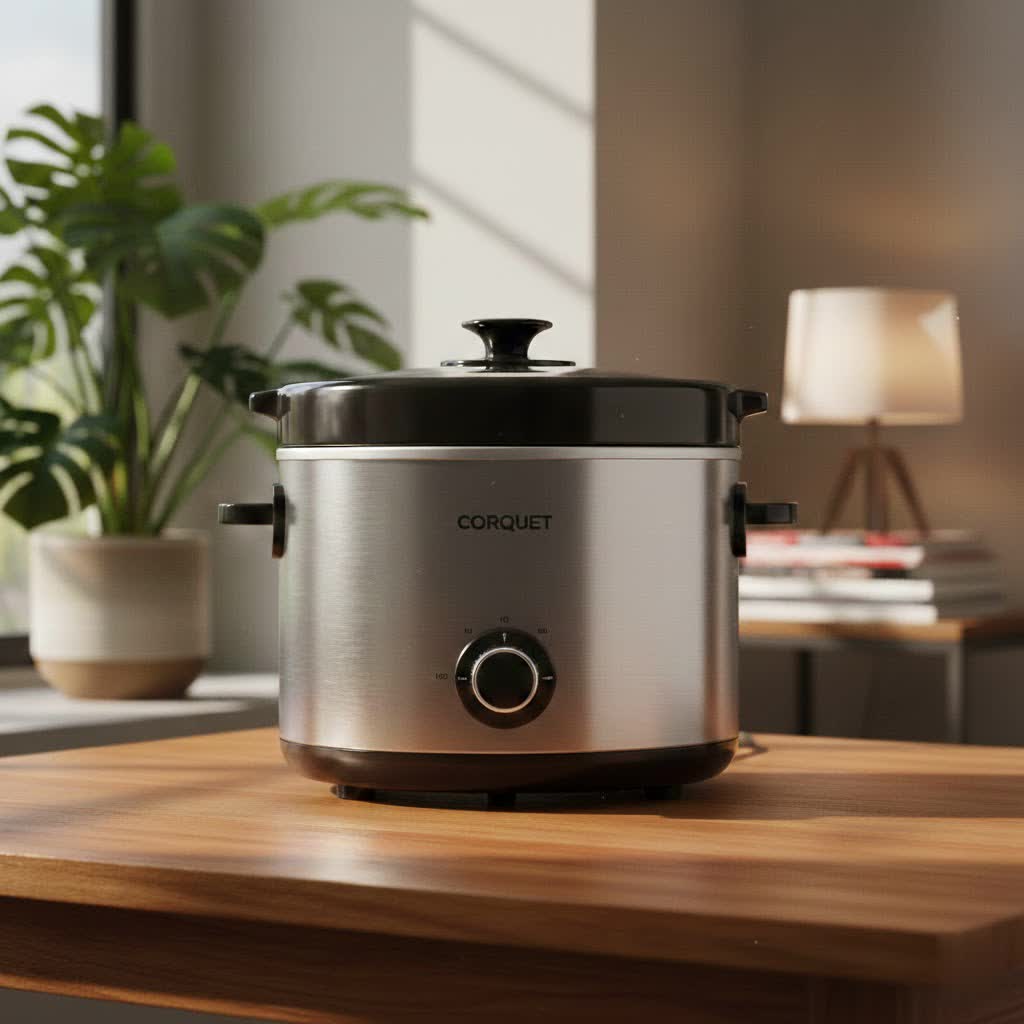
Do you dream of coming home to a delicious, healthy, and hearty vegan meal without spending hours in the kitchen? For those embracing a plant-based lifestyle, balancing busy schedules with nutritious cooking can be a challenge. That’s where the vegan slow cooker becomes an indispensable kitchen companion. It transforms raw ingredients into flavorful dishes with minimal effort, allowing you to “set it and forget it.” This comprehensive guide will explore everything you need to know about slow cooking for vegans, from its benefits and different types of models to choosing the perfect one for your home and mastering its use for delectable plant-based cuisine.
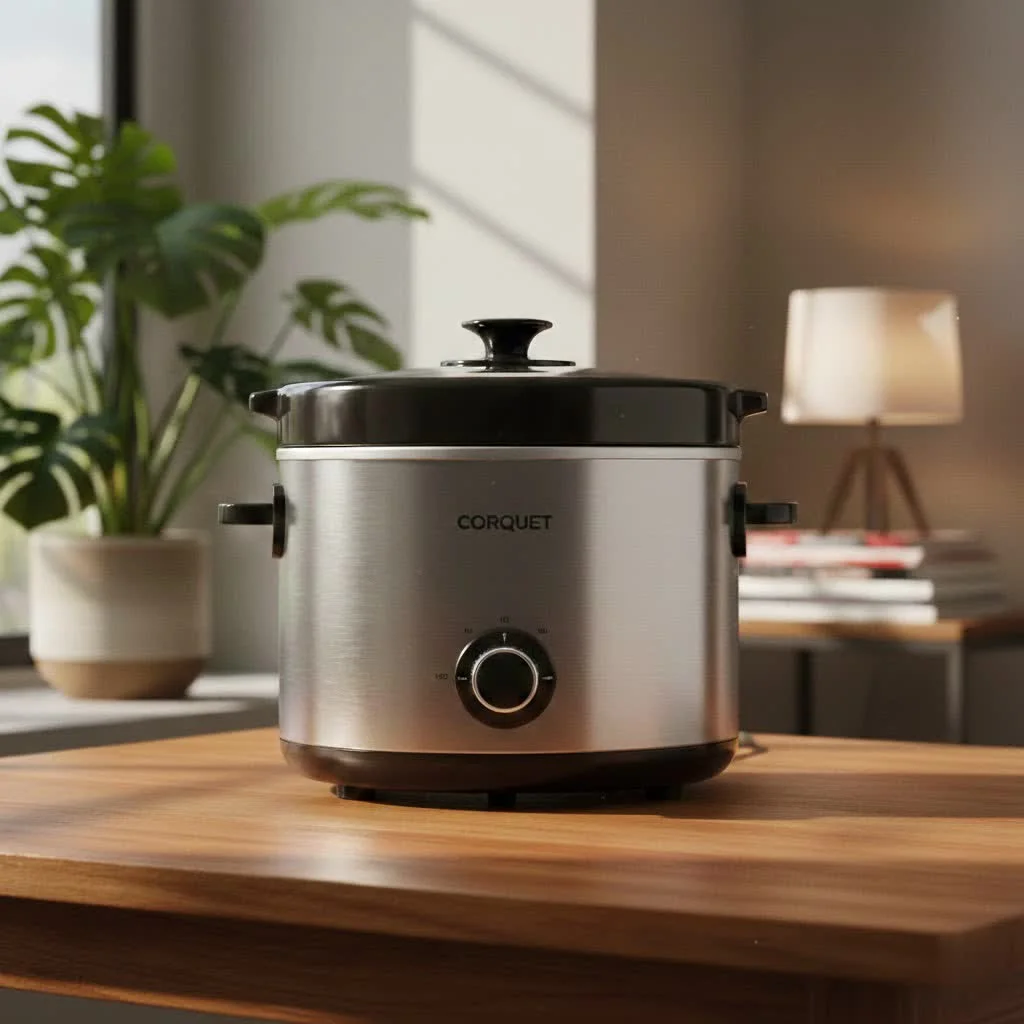
What is a Slow Cooker and How Does it Benefit Vegan Cooking?
A slow cooker, often referred to by the brand name Crock-Pot, is an electric kitchen appliance that cooks food at a low temperature over an extended period. Typically consisting of a ceramic or stoneware pot housed within a heating unit and topped with a lid, it operates by maintaining a consistent, gentle heat. Interestingly, while modern slow cookers gained popularity for cooking meats, their initial design was actually for cooking beans [cite: 4, “Vegan 101: Vegan Cooking with a Slow Cooker – JL Fields”]. For more slow cooker guides on this site.
The slow cooker’s operating principle involves a gentle, even heat that slowly breaks down ingredients, allowing flavors to meld beautifully. This method is particularly advantageous for vegan cooking. It excels at tenderizing tough plant proteins like dried beans and lentils, creating deeply flavored stews, chilis, and curries without constant supervision. The long cooking time helps to develop complex tastes, making simple vegetables and legumes extraordinarily rich and satisfying. Key components typically include a heated base, a removable inner pot (usually stoneware or ceramic), and a tightly fitting lid that traps moisture and heat.
Advantages and Disadvantages of Using a Slow Cooker for Vegan Dishes
Like any kitchen appliance, slow cookers offer a unique set of pros and cons, especially when adapted for a vegan diet. Understanding these can help you maximize its potential and navigate any limitations.
Advantages
- Time-saving and hands-off meal prep: One of the most significant benefits for busy individuals is the “set it and forget it” nature of slow cooking. You can load ingredients in the morning and return to a ready-to-eat meal, freeing up your evenings [cite: 2, “25 Best Vegan Slow Cooker Recipes That Are Incredibly Flavorful – The Pioneer Woman”].
- Enhances flavor and texture of plant-based ingredients: Slow cooking allows flavors to deepen and meld, resulting in richer, more complex vegan dishes. It’s particularly effective for making beans, lentils, and root vegetables exceptionally tender and delicious.
- Versatility in vegan recipes: From comforting soups, hearty stews, and spicy chilis to curries, casseroles, and even some desserts, the slow cooker can handle a wide array of vegan dishes.
- Energy efficiency: Slow cookers generally use less electricity than an oven, making them an energy-efficient choice for long cooking times [cite: 5, “Guide to Slow Cooking + 5 Plant-based Slow Cooker Recipes – Food Revolution Network”].
- Ideal for batch cooking and meal prepping: Their generous capacity makes slow cookers perfect for preparing large batches of vegan meals, which can be portioned and stored for meal prep throughout the week, saving time and effort.
Disadvantages
|
Our Picks for the Best Slow Cooker in 2026
As an Amazon Associate I earn from qualifying purchases.
|
||
| Num | Product | Action |
|---|---|---|
| 1 | Crock-Pot 6 Quart Programmable Slow Cooker with Timer and Auto Food Warmer Setting, Stainless Steel |

|
| 2 | Crock-Pot 7 Quart Oval Manual Slow Cooker, Stainless Steel (SCV700-S-BR), Versatile Cookware for Large Families or Entertaining |
|
| 3 | Ninja MC1001 Foodi PossibleCooker PRO 8.5 Quart Multi-Cooker, with 8-in-1 Slow Cooker, Dutch Oven, Steamer, Glass Lid Integrated Spoon, Nonstick, Oven Safe Pot to 500°F, Sea Salt Gray |
|
| 4 | Crock-Pot 6 Quart Cook & Carry Programmable Slow Cooker with Digital Timer Stainless Steel (CPSCVC60LL-S) pack of 1 |
|
| 5 | 8-Quart Digital Programmable Slow Cooker with Timer - Small Kitchen Appliance for Family Dinners - Serves 10+ People - Heat Settings: Keep Warm, Low and High |
|
| 6 | Ninja MC1101 Foodi Everyday Possible Cooker Pro, 8-in-1 Versatility, One-Pot Faster Cooking Replaces 10 Tools, Family-Sized Capacity with Adjustable Temp Control, 6.5 quarts, Midnight Blue |
|
| 7 | 3.2L Natural Unglazed Earthenware Casserole,Yixing Zisha Clay Pot for Cooking, Healthy Slow Cooker for Soup, Stew, Rice -Zini,Purple |
|
| 8 | Ninja® 12-in-1 PossibleCooker™ PLUS - 8.5-qt - Sous Vide & Proof Multi-Cooker - Slow Cooker, Dutch Oven & More - Glass Lid & Integrated Spoon - Nonstick - Oven Safe Pot to 500°F - Black - MC1010 |
|
| 9 | 3.2L Natural Unglazed Earthenware Casserole,Yixing Zisha Clay Pot for Cooking, Healthy Slow Cooker for Soup, Stew, Rice -Zhuni,Red |
|
| 10 | Crock-Pot Large 8-Quart Programmable Slow Cooker with Auto Warm Setting Black Stainless Steel |
|
- Longer cooking times: While a major advantage for hands-off cooking, the extended cooking duration means slow cookers aren’t suitable for last-minute meals.
- Less precise temperature control: Most slow cookers offer basic “low” and “high” settings, which can make fine-tuning temperatures for delicate dishes challenging compared to stovetop or oven cooking.
- Risk of overcooking delicate ingredients: Some vegetables or plant-based proteins can become overly soft or mushy if cooked for too long, especially if not added at the right stage.
- Size and storage: Larger slow cookers, while great for families and meal prep, can take up significant counter and storage space.
Popular Types of Slow Cookers for Vegan Cuisine
Slow cookers come in various forms, each offering different advantages. Choosing the right type depends on your specific cooking habits and kitchen space.
By Shape
- Round: These are traditional and often more compact, making them good for soups, stews, and smaller batches. They are typically more budget-friendly.
- Oval: Oval slow cookers are excellent for larger dishes, whole vegetables, or plant-based roasts (like seitan roasts). They provide more surface area, which can be beneficial for certain recipes.
By Material
- Ceramic/Stoneware: This is the most common material for slow cooker inserts. It distributes heat very evenly and retains warmth well, making it ideal for slow, gentle cooking. It’s also often non-stick and dishwasher-safe for easy cleaning.
- Metal (e.g., aluminum inserts): Some multi-cookers with slow cook functions may feature metal inserts. While lighter, they might not offer the same even heat distribution or heat retention as ceramic/stoneware.
By Features
- Basic Manual Models: These typically have a simple “off,” “low,” “high,” and sometimes “warm” switch. They are straightforward, reliable, and often more affordable. Some experts even recommend simpler models for their durability and consistent performance [cite: 2, “Why I recommend an inexpensive slow cooker for plant-based cooking (no affiliate links!)”].
- Programmable Digital Models: These offer more advanced features such as digital timers, delay start options, and automatic switching to a “keep warm” setting after cooking is complete. This is incredibly convenient for those with unpredictable schedules, ensuring food doesn’t overcook [cite: 1, “Slow Cooker Buying Guide | By Author Alyce Alexandra”].
- Multi-Cookers with Slow Cook Function: Appliances like Instant Pots combine several functions, including pressure cooking, sautéing, and slow cooking. While versatile, their slow cook function might not always match the performance of a dedicated slow cooker.
Comparing Slow Cookers: Finding the Best Fit for Your Vegan Kitchen
Selecting the right slow cooker involves weighing various factors to match your vegan cooking needs. Below is a comparison to help guide your decision.
| Feature | Manual Slow Cooker | Programmable Digital Slow Cooker | Multi-Cooker (with Slow Cook Function) |
|---|---|---|---|
| Material | Typically stoneware/ceramic insert | Typically stoneware/ceramic insert | Often metal (stainless steel or aluminum) |
| Capacity | Available in all sizes (1.5 to 8+ quarts) | Available in all sizes (1.5 to 8+ quarts) | Often 6-8 quarts, fewer smaller options |
| Features | Basic Low/High/Warm settings | Digital timer, delay start, auto-warm | Pressure cook, sauté, steam, rice cook, slow cook, etc. |
| Ease of Use | Very simple, turn dial | Intuitive digital controls, set and forget | More complex interface due to multiple functions |
| Price Range | $ – $$ (most affordable) | $$-$$$ (mid-range) | $$$-$$$$ (higher end) |
| Best For | Budget-conscious, simple recipes, always home | Busy schedules, meal prep, consistent results | Versatility, small kitchens, diverse cooking needs |
| Vegan Suitability | Excellent for basic stews, beans, chilis | Excellent for varied recipes, scheduled cooking | Good, but dedicated slow cooker often preferred for slow cook function quality |
| Pros | Reliable, durable, easy to clean, less prone to error | Convenience, prevents overcooking, precise timing | Space-saving, multiple appliances in one, quick cooking |
| Cons | Requires manual monitoring, no delay start | Can be more expensive, some report electronic failures | Slow cook function may be less optimized, more complex |
Choosing the Right Slow Cooker for Your Vegan Lifestyle (Buying Guide)
Selecting a slow cooker that perfectly complements your vegan kitchen can make all the difference in your cooking experience. Consider these factors before making your purchase.
Determine Your Vegan Cooking Needs
- Number of family members: A 1.5-2.5 quart slow cooker is suitable for singles or couples, while 3-5 quart models serve 3-4 people. For larger families or batch cooking, a 5-8 quart slow cooker is ideal [cite: 5, “Tips on Picking Out a Slow Cooker That’s Right For You”].
- Frequently prepared dishes: If you mostly make soups and stews, a round model might suffice. For plant-based roasts or casseroles, an oval shape offers more space.
- Budget: Slow cookers range widely in price. Determine what features are essential for you and set a realistic budget.
Selecting the Appropriate Capacity
- Small (under 3 liters): Perfect for small households, side dishes, or cooking components like a batch of chickpeas.
- Medium (3-5 liters): A versatile size for 3-4 servings, suitable for most everyday vegan meals.
- Large (over 5 liters): Ideal for larger families, entertaining, or serious meal preppers who cook big batches of vegan chili or lentil soup.
Consider Pot Material
While ceramic and stoneware inserts are popular for their even heating, some models may offer different materials. For vegan cooking, which often involves ingredients like beans and grains that benefit from consistent, gentle heat, ceramic or stoneware is often preferred. They also tend to be easier to clean, as plant-based dishes with their higher liquid content rarely stick [cite: 1, “Why I recommend an inexpensive slow cooker for plant-based cooking (no affiliate links!)”].
Essential Features for Vegan Slow Cooking
- Programmable Timer: This allows you to set a specific cooking duration, after which the slow cooker often automatically switches to a “keep warm” mode. This is crucial for avoiding overcooked meals if you’re out all day [cite: 1, “Slow Cooker Buying Guide | By Author Alyce Alexandra”].
- Warm Setting: Ensures your food stays at a safe serving temperature without continuing to cook, perfect for entertaining or when dinner might be delayed.
- Dishwasher-Safe Components: Removable stoneware inserts and lids that can go into the dishwasher make cleanup a breeze, a major time-saver for any cook.
Reputable Brands for Slow Cookers
Several brands consistently receive high marks for quality and reliability. When considering a slow cooker for your vegan kitchen, look into models from:
- Crock-Pot: The original and most recognized brand, offering a wide range of basic to advanced models.
- Hamilton Beach: Known for affordability and reliable performance, with various sizes and features.
- Cuisinart: Often offers more premium models with robust construction and advanced settings.
- Instant Pot (for multi-cookers): While primarily a pressure cooker, many Instant Pot models include a slow cook function, offering versatility if you need more than just slow cooking.
Top 5 Best Slow Cookers for Vegan Meals (Detailed Reviews)
When it comes to selecting the perfect slow cooker for your vegan kitchen, certain models stand out for their features, reliability, and suitability for plant-based recipes. Here are five top recommendations:
- Crock-Pot 6-Quart Programmable Cook & Carry Slow Cooker: This model is a perennial favorite for its generous capacity, ideal for family-sized vegan chilis, stews, or batch cooking. The programmable timer ensures your meal is ready when you are, automatically shifting to a warm setting. Its “Cook & Carry” feature, with secure lid locks and handles, makes it excellent for transporting vegan potlucks or gatherings.
- Hamilton Beach Programmable Slow Cooker (7-Quart): Offering excellent value, this Hamilton Beach model provides ample space and programmable functionality. It’s praised for its easy-to-use interface and consistent heating, making it a reliable choice for everything from lentil soups to hearty bean dishes. The removable stoneware and lid are dishwasher-safe, simplifying cleanup.
- Cuisinart 3.5-Quart Programmable Slow Cooker: For smaller households or those cooking for one or two, this Cuisinart model is a premium choice. It often features a “simmer” setting, which is even lower than a traditional “low” and can be beneficial for delicate vegan dishes or when you need an extra-long, gentle cook. Its robust construction and precise controls justify the slightly higher price point.
- Instant Pot Duo (6-Quart or 8-Quart): While not exclusively a slow cooker, the Instant Pot Duo series includes a highly functional slow cook setting. Its versatility as a multi-cooker means you get pressure cooking, sautéing, and steaming alongside slow cooking, making it a space-saving option. Many vegan recipes can be adapted or found specifically for the Instant Pot’s slow cook function, making it great for everything from dried beans to curries.
- Proctor Silex 1.5-Quart Slow Cooker: For solo diners, small side dishes, or dips, this compact and incredibly affordable slow cooker is a fantastic option. Its simplicity – usually just a basic on/off/warm switch – makes it foolproof. It’s perfect for a single serving of oatmeal, a small batch of refried beans, or keeping a vegan queso warm.
These models offer a range of sizes and features to suit diverse vegan cooking styles and household needs, from basic simplicity to advanced programmability.
Mastering Your Vegan Slow Cooker: Usage and Care Tips
Using a slow cooker effectively for vegan meals requires a few specific considerations to ensure delicious and perfectly cooked results every time.
Safe and Effective Usage:
- Layering Ingredients: Place denser, harder-to-cook vegetables (like carrots, potatoes, or dried beans) at the bottom, closer to the heat source. More delicate ingredients, such as leafy greens or quick-cooking grains like quinoa, should be added later in the cooking process to prevent them from becoming mushy.
- Liquid Levels: Vegan slow cooker recipes often require less liquid than stovetop cooking because the tightly sealed lid prevents evaporation. Follow recipes closely, and remember that vegetables release a lot of their own moisture.
- Pre-Sautéing for Flavor: While “dump and go” is a slow cooker hallmark, a quick sauté of aromatics like onions, garlic, and spices before adding them to the slow cooker can significantly boost flavor intensity and prevent blandness [cite: 5, “I tested 8 vegan slow-cooker recipes — and these 3 actually had great flavor – VegOut”]. Blooming spices in oil and toasting tomato paste are also excellent flavor-building techniques.
- Adding Delicate Ingredients Later: Fresh herbs, nutritional yeast, plant-based milks (for creamy sauces), or quick-cooking vegetables like spinach should be stirred in during the last 30-60 minutes of cooking to retain their texture and vibrant flavor [cite: 4, “Vegan 101: Vegan Cooking with a Slow Cooker – JL Fields”].
- Don’t Overfill: Never fill your slow cooker more than two-thirds full to prevent spills and ensure even cooking.
- Resist Peeking: Lifting the lid releases heat and can extend cooking time by 15-20 minutes with each peek.
- Finish with Acid and Freshness: A squeeze of lemon or lime juice, a dash of vinegar, or a sprinkle of fresh cilantro at the end can “brighten” and enhance the overall taste of your vegan dish [cite: 5, “I tested 8 vegan slow-cooker recipes — and these 3 actually had great flavor – VegOut”].
Cleaning and Maintenance:
- Cool Before Cleaning: Always allow the stoneware insert to cool completely before washing to prevent thermal shock, which can cause cracking.
- Dishwasher-Safe Parts: Most ceramic or stoneware inserts and glass lids are dishwasher-safe, making cleanup incredibly easy. Check your manufacturer’s instructions.
- Stubborn Stains: For any baked-on food, soak the insert in warm, soapy water for an hour or two before scrubbing. Baking soda paste can also work wonders on tough stains.
- Exterior Care: Wipe the exterior heating unit with a damp cloth; never immerse it in water.
Common Issues and Troubleshooting:
- Food is Mushy: You might be overcooking, adding delicate ingredients too early, or using too much liquid. Adjust cooking time or add softer ingredients closer to the end.
- Food is Bland: Ensure you are adequately seasoning and potentially pre-sautéing aromatics and spices. Incorporate umami-rich ingredients like miso, soy sauce, or dried mushrooms, and finish with a touch of acid [cite: 5, “I tested 8 vegan slow-cooker recipes — and these 3 actually had great flavor – VegOut”].
- Hard Vegetables: If root vegetables remain firm, they may not have been cut small enough or placed at the bottom where heat is most concentrated. Pre-sautéing them slightly can also help [cite: 4, “Vegan 101: Vegan Cooking with a Slow Cooker – JL Fields”].
- Uneven Cooking: This can happen if the slow cooker is overfilled or if ingredients aren’t evenly distributed. Stirring once or twice (if the recipe allows) can help, but avoid frequent lid lifting.
“A slow cooker is a vegan chef’s secret weapon. It takes humble ingredients and transforms them into deeply flavorful, soul-satisfying meals with minimal fuss. The key is understanding how to leverage its gentle heat for maximum taste.” – Chef Anita Sharma, Vegan Culinary Instructor
Conclusion
Embracing the vegan slow cooker is more than just buying an appliance; it’s adopting a cooking philosophy that prioritizes ease, flavor, and nutrition. From robust chilis and fragrant curries to hearty stews, the slow cooker empowers you to create an incredible array of plant-based dishes with minimal effort, making healthy eating accessible even on the busiest days. By choosing the right model for your needs and following simple usage tips, you unlock a world of effortless vegan cooking. Why not transform your kitchen routine and discover the joy of delicious, hands-off vegan meals today?
Frequently Asked Questions
Can I cook dried beans in a slow cooker for vegan recipes?
Absolutely! Slow cookers are excellent for cooking dried beans from scratch. Many recipes skip pre-soaking, though soaking can reduce cooking time and improve digestibility. Just ensure there’s enough liquid, and be aware that cooking times vary depending on the type of bean.
What are the best vegan ingredients for slow cooking?
Hearty root vegetables (carrots, potatoes, sweet potatoes), various beans and lentils, tougher greens (collard greens, kale), firm tofu or tempeh, and grains like farro or barley are all fantastic for slow cooking. They hold up well and absorb flavors beautifully over long cooking periods.
Do I need a special slow cooker for vegan food?
No, any standard slow cooker works perfectly for vegan meals. The principles of slow cooking remain the same whether you’re cooking plant-based or not. Focus on features like capacity, programmable settings, and ease of cleaning rather than “vegan-specific” models.
How long do vegan slow cooker meals last in the fridge?
Most vegan slow cooker meals, like stews, chilis, and curries, can be safely stored in an airtight container in the refrigerator for 3-4 days. They often taste even better the next day as flavors continue to meld.
Can a slow cooker replace my oven for vegan baking?
While some slow cookers can make certain “baked” items like bread pudding or cobblers (often with a towel under the lid to absorb moisture), they are not a direct replacement for an oven in terms of precise temperature control or achieving a crispy crust. Their primary strength lies in moist, tender cooking.
Cooking gear we tested in our own kitchens
Free PDF — preheat times measured on 10 popular air fryers.
